
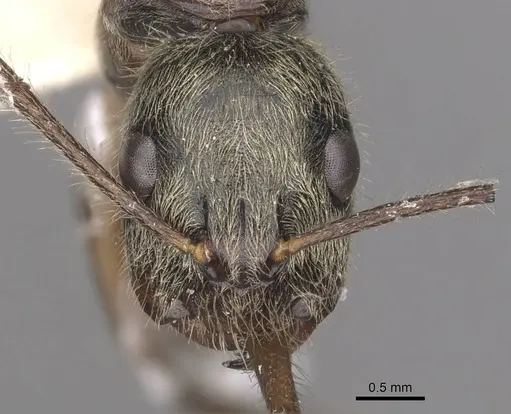
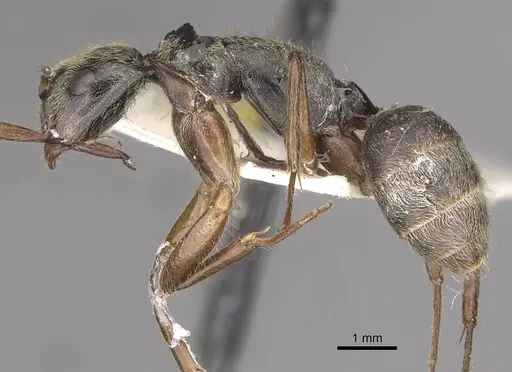
Camponotus punctatus
- Nome científico
- Camponotus punctatus
- Subgênero
- Myrmothrix
- Tribo
- Camponotini
- Subfamília
- Formicinae
- Autor
- Forel, 1912
- Distribuição
- Encontrada em 0 países
Introdução
Camponotus punctatus is a Neotropical carpenter ant native to Brazil and Argentina. It belongs to the subgenus Myrmothrix, which includes larger Neotropical carpenter ants known for their polymorphic workers - minor workers are smaller while major workers have larger heads for defense and heavy lifting. Workers are polymorphic, meaning they come in different sizes. This species was first described by Forel in 1912 from Brazilian specimens. In the wild, they nest in the cerrado ecosystem - a tropical savanna region in South America known for its hot temperatures and distinct wet/dry seasons. Research shows they prefer conserved (undisturbed) cerrado areas rather than altered human landscapes .
Quick Summary
- Difficulty: Medium
- Origin & Habitat: Native to the Neotropical region, specifically Brazil and Argentina. They live in cerrado habitat, which is a tropical savanna with hot temperatures and seasonal rainfall patterns. They prefer conserved (undisturbed) natural areas [1].
- Colony Type: Likely monogyne (single queen colony), inferred from typical Camponotus patterns.
- Size & Growth:
- Queen: 12-16mm, inferred from related Neotropical Camponotus species in the Myrmothrix subgenus
- Worker: Minor workers: 4-6mm, Major workers: 8-12mm, polymorphic with distinct size differences between castes, inferred from genus patterns
- Colony: Several thousand workers at maturity, inferred from typical Camponotus growth patterns
- Growth: Moderate, Camponotus species typically grow steadily but not rapidly
- Development: 8-12 weeks at optimal temperature (around 24-26°C), inferred from typical Camponotus development patterns (Development time is inferred from genus-level data, as species-specific timing has not been documented. Warmer temperatures within the safe range tend to speed development slightly.)
- Antkeeping:
- Temperature: Keep nest area around 24-26°C. They are a Neotropical species from warm cerrado habitat, so they prefer stable warmth. A heating cable on one side of the nest creates a temperature gradient they can regulate themselves.
- Humidity: Moderate humidity around 50-60%. The cerrado has distinct wet and dry seasons, so they can tolerate some variation. Keep the nest substrate slightly moist but allow some drying between waterings.
- Diapause: Likely reduced activity during the dry season rather than true hibernation. In captivity, a slight cooling period (18-20°C) during winter months may be beneficial but is not strictly required.
- Nesting: In captivity, they do well in Y-tong (AAC), plaster, or soil nests. As a carpenter ant, they prefer nests with some wood or wood-like material they can chew. Provide chambers scaled to their polymorphic worker sizes.
- Behavior: These ants are generally calm and not overly aggressive, typical of many Camponotus species. Workers are active foragers that search for nectar, honeydew, and protein sources. Major workers defend the nest and help process larger food items. They have the typical carpenter ant ability to chew through soft materials but won't damage hard plastics. Escape prevention is important, while not among the smallest ants, they can still squeeze through small gaps, so ensure lid fit is tight and barrier methods are in place.
- Common Issues: slow growth can frustrate beginners who overfeed or disturb the colony, colonies may fail if kept too cold, their Neotropical origin means they need warmth, wild-caught colonies may carry parasites that cause problems in captivity, test tube setups can flood if water reservoirs are overfilled, they need protein sources regularly, sugar alone is not enough
Nest Preferences
Camponotus punctatus is a carpenter ant that in the wild likely nests in rotting wood, under bark, or in soil cavities in the cerrado ecosystem. In captivity, they do well in Y-tong (AAC) nests, plaster nests with water channels, or naturalistic setups with soil. The key is providing a dark, secure nesting area with chambers sized appropriately for their polymorphic workers, smaller chambers for minors and larger chambers for majors. They don't need actual wood to chew in captivity, but including some chewable material satisfies their natural instincts. A test tube setup works well for founding colonies, then transition to a proper nest once the colony reaches 20-30 workers. [1]
Feeding and Diet
Like most Camponotus species, these ants are omnivorous. They feed on sugar sources (honey water, sugar water, nectar) and protein (insects, mealworms, crickets). Workers will collect honeydew from aphids if given access to plants. For a healthy colony, provide a constant sugar source and protein prey 2-3 times per week. Remove uneaten prey after 24-48 hours to prevent mold. Major workers will tackle larger prey items that minor workers cannot handle. The colony's protein needs increase during brood production, if you see lots of larvae, offer protein more frequently.
Temperature and Care
As a Neotropical species from Brazil's cerrado, Camponotus punctatus needs warm conditions. Keep the nest area at 24-26°C for optimal brood development. A heating cable placed on top of the nest (never under it, which causes drying) creates a gentle gradient. Room temperature around 22°C may be sufficient if your home is naturally warm, but monitor colony activity, if workers cluster near the warmest area, consider adding gentle heat. They can tolerate brief temperature drops but prolonged cold slows or stops brood development. During winter, a slight reduction to 18-20°C mimics their natural dry-season slowdown. [1]
Behavior and Temperament
Camponotus punctatus has a calm temperament typical of many carpenter ants. They are not aggressive toward keepers and rarely bite. Major workers serve as defenders and food processors, while minor workers handle most foraging and brood care. Workers are active primarily at night in the wild, but in captivity they'll adjust to your feeding schedule. They use chemical trails to recruit nestmates to food sources, so you may see a trail form after discovering a new protein source. They are moderately active foragers and will explore the outworld regularly.
Colony Founding
The founding behavior of this specific species has not been directly documented, but it follows typical Camponotus patterns. After mating, a claustral queen finds a suitable cavity (in rotting wood, under bark, or in soil) and seals herself in. She lays eggs and raises the first brood entirely on her stored fat reserves, she does not leave to forage during founding. The first workers (nanitics) are smaller than normal workers because the queen could only invest limited resources. Once nanitics emerge, they take over foraging while the queen focuses on egg-laying. The colony then grows steadily as more workers hatch.
Growth and Development
The exact development timeline for Camponotus punctatus has not been studied, but Camponotus species generally take 8-12 weeks from egg to worker at optimal temperature. Eggs hatch into larvae, which then pupate before emerging as adult workers. Brood development speeds up with warmth (within safe limits) and slows during cool periods. A healthy founding colony should produce its first workers within 2-3 months. Growth is moderate, don't expect rapid expansion like some tropical species. Major workers appear as the colony grows, typically when it reaches 50+ workers.
Frequently Asked Questions
How long does it take for Camponotus punctatus to have first workers?
Expect first workers (nanitics) in about 8-12 weeks after the queen lays eggs, assuming optimal temperature around 24-26°C. This is an estimate based on typical Camponotus development patterns since species-specific timing hasn't been documented.
Can I keep Camponotus punctatus in a test tube?
Yes, test tubes work well for founding colonies. Use a standard test tube setup with a water reservoir (cotton ball) and seal the queen in with a small barrier. Keep it warm and dark. Once the colony reaches 20-30 workers, transition to a proper nest.
What do Camponotus punctatus ants eat?
They eat sugar (honey water, sugar water) and protein (insects like mealworms, crickets, fruit flies). Provide a constant sugar source and protein prey 2-3 times per week. Remove uneaten prey after a day to prevent mold.
Are Camponotus punctatus good for beginners?
They are rated Medium difficulty. They are more forgiving than some tropical species but need warmth and proper feeding. Beginners should be prepared for their moderate growth speed and ensure they can maintain warm temperatures.
What temperature do Camponotus punctatus need?
Keep them at 24-26°C in the nest area. This is warmer than room temperature for many homes, so you may need a heating cable or heat mat. A temperature gradient lets them choose their preferred spot.
How big do Camponotus punctatus colonies get?
Based on typical Camponotus patterns, colonies likely reach several thousand workers at maturity. Growth is moderate, it takes a year or more to reach 100+ workers from a founding colony.
Do Camponotus punctatus need hibernation?
They don't need true hibernation. In the wild, the cerrado has a dry season with reduced activity rather than cold winter. In captivity, a slight cooling to 18-20°C during winter months is beneficial but not required.
When should I move Camponotus punctatus to a formicarium?
Move them when the colony reaches 20-30 workers or when the test tube becomes cramped. Signs include workers clustering on the cotton, condensation issues, or the queen moving away from the water reservoir.
Why are my Camponotus punctatus dying?
Common causes include: too cold (keep above 24°C), too wet or too dry (balance moisture), mold from uneaten food, or stress from disturbance. Also check for parasites if they came from the wild. Review each factor and adjust accordingly.
Report an Issue
The current care sheet is based fully on literature. See inconsistencies, or something that's incorrect? Please , it will be resolved after review from an admin. Contributing to the blogs tab also helps providing information, to make us be able to further improve the caresheets. Thank you for your support!
References

Este guia de cuidados está sob a licença CC BY-SA 4.0 .
Posts da comunidade
CASENT0910360
Ver no AntWeb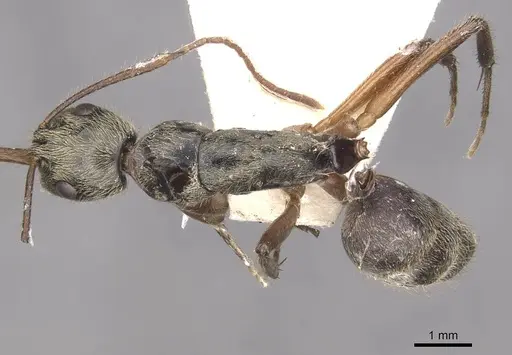
Literatura
Carregando mapa de distribuição...Carregando produtos...