
Camponotus obtritus
- Nome científico
- Camponotus obtritus
- Subgênero
- Myrmomalis
- Tribo
- Camponotini
- Subfamília
- Formicinae
- Autor
- Emery, 1911
- Distribuição
- Encontrada em 0 países
Introdução
Camponotus obtritus is a carpenter ant species native to Peru in South America. Workers are polymorphic, meaning they come in different sizes - minor workers are smaller while major workers have larger, more robust heads. The genus Camponotus is known for nesting in wood, where they excavate galleries. This species has been recorded in Peru, with the type locality listed as Cu . Like other carpenter ants, they do not eat wood but rather excavate it to create nesting chambers, feeding instead on honeydew, nectar, and insects.
Quick Summary
- Difficulty: Easy
- Origin & Habitat: Native to Peru in South America. In the wild, Camponotus species typically nest in rotting wood, under stones, or in soil cavities [2].
- Colony Type: Likely single-queen colonies based on typical Camponotus patterns. The colony structure for this specific species has not been directly studied.
- Size & Growth:
- Queen: Size data unavailable, typical Camponotus queens range roughly 15-20mm
- Worker: Size data unavailable, typical Camponotus workers range roughly 6-15mm depending on caste
- Colony: Mature colonies can reach several thousand workers
- Growth: Moderate
- Development: Estimated 6-10 weeks based on typical Camponotus development (Development time depends on temperature, warmer conditions within their tolerance range speed up development)
- Antkeeping:
- Temperature: Keep around 22-26°C. A temperature gradient allows ants to regulate their own conditions.
- Humidity: Moderate humidity. Carpenter ants prefer nest areas that are somewhat dry but with access to moisture. Provide a water tube for drinking.
- Diapause: Yes, Camponotus species require a winter rest period. Reduce temperature to 10-15°C for 3-4 months during winter.
- Nesting: Y-tong (AAC) nests work well, or plaster nests. They prefer wood-based or plaster substrates that allow them to excavate. Provide a dark nesting area.
- Behavior: Generally calm temperament, Camponotus ants are not particularly aggressive and rarely sting. Workers are moderately active and will forage for sugar sources and protein. Major workers can defend the colony with their powerful mandibles. Escape risk is moderate, use standard barrier methods like fluon on test tube rims.
- Common Issues: colonies may fail if not given proper hibernation, they need a winter rest period, test tube setups can dry out quickly, monitor humidity and provide water access, wild-caught colonies may have parasites that cause problems in captivity, major workers can deliver a painful bite if handled roughly, they are not aggressive but will defend if threatened, slow initial growth during founding phase is normal, new keepers sometimes give up too soon
Nest Preferences
Camponotus obtritus will do well in Y-tong (AAC) nests, plaster nests, or naturalistic setups. They prefer dark, quiet locations for their nest chambers. In captivity, they adapt well to various nest types as long as the chambers are appropriately sized to the worker population. Avoid exposing the nest to direct sunlight or strong vibrations. A small outworld connected to the nest allows for foraging and waste disposal. Ensure the nest material allows for some humidity regulation, carpenter ants prefer their nest areas to be somewhat dry but will drink from a water source.
Feeding and Diet
Like other Camponotus species, this ant is omnivorous. Provide a constant sugar source, sugar water, honey, or diluted honey water works well. For protein, offer insects like mealworms, small crickets, or other feeder insects. Carpenter ants also accept protein bars, cat food, or other protein-rich foods. Feed sugar every day or two, and protein 2-3 times per week. Remove uneaten protein within 24 hours to prevent mold. Fresh water should always be available.
Temperature and Seasonal Care
Maintain temperatures between 22-26°C for optimal colony growth. A slight temperature gradient in the setup allows ants to regulate their own conditions. During the winter months, reduce temperatures to 10-15°C for 3-4 months to simulate natural seasonal changes. This hibernation period is important for colony health and may trigger reproductive behavior in the following season. Do not cool suddenly, reduce temperature gradually over 2-3 weeks. Some keepers skip hibernation for established colonies, but this may reduce longevity and reproductive success.
Defense Mechanism
Camponotus obtritus lacks a functional sting. Like other Formicinae ants, they defend by biting and spraying formic acid from their acidopore into the wound.
Behavior and Colony Dynamics
Camponotus obtritus has a calm temperament compared to many ant species. Workers are moderately active and will readily forage for food. Major workers (soldiers) have larger heads and can deliver a bite if threatened, but they are not aggressive toward keepers. Colonies grow progressively, the founding queen lays relatively few eggs initially, but once the first workers (nanitics) emerge, the colony expands rapidly. Major workers typically appear as the colony grows larger. These ants use chemical communication and will lay pheromone trails to food sources.
Frequently Asked Questions
How long does it take for Camponotus obtritus to have first workers?
Expect first workers (nanitics) around 6-10 weeks after the queen lays eggs, assuming temperatures around 24-26°C. The exact timing depends on temperature and feeding. Founding colonies can seem slow, be patient during this phase.
What temperature do Camponotus obtritus need?
Keep them at 22-26°C. A small heating cable on one side of the nest can create a gradient, but ensure they can move to cooler areas if needed. Room temperature in many homes (around 20-22°C) is acceptable.
Do Camponotus obtritus need hibernation?
Yes, Camponotus species require a winter rest period. Reduce temperatures to 10-15°C for 3-4 months during winter. This helps maintain colony health and may trigger nuptial flight preparation in spring.
Can I keep multiple queens together?
Not recommended for this species. Camponotus are typically single-queen colonies. Combining unrelated queens has not been documented for this species and would likely result in aggression.
What do Camponotus obtritus eat?
They need sugar (honey, sugar water, or nectar) and protein (insects like mealworms, crickets, or other small invertebrates). Provide sugar constantly and protein 2-3 times weekly.
Are Camponotus obtritus good for beginners?
Yes, they are considered one of the easier ant species to keep. They are relatively calm, tolerate a range of conditions, and are not aggressive. Their main requirements are proper feeding, humidity, and winter hibernation.
When should I move them to a formicarium?
You can move them once the colony reaches 20-30 workers. However, many keepers successfully keep founding colonies in test tubes for months. A formicarium becomes beneficial when the colony is larger and you want to observe their behavior more closely.
How big do Camponotus obtritus colonies get?
Mature colonies can reach several thousand workers over several years. Growth is moderate, expect significant expansion once the first workers establish the colony.
Why are my ants dying during hibernation?
Hibernation failures often result from temperatures that are too warm (ants stay active and use up reserves) or too cold (freezing). Aim for a stable 10-15°C. Also ensure they have some honey/sugar before hibernation so they have energy reserves.
Report an Issue
The current care sheet is based fully on literature. See inconsistencies, or something that's incorrect? Please , it will be resolved after review from an admin. Contributing to the blogs tab also helps providing information, to make us be able to further improve the caresheets. Thank you for your support!
References

Este guia de cuidados está sob a licença CC BY-SA 4.0 .
Posts da comunidade
CASENT0905534
Ver no AntWeb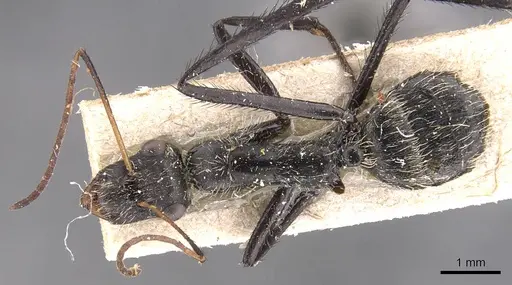
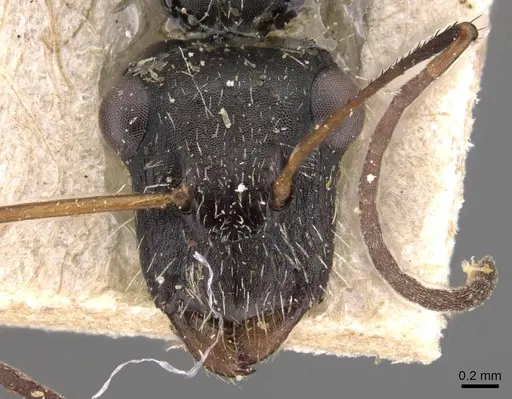
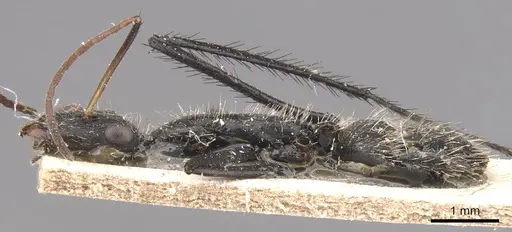
Literatura
Carregando mapa de distribuição...Carregando produtos...