
Camponotus magister
- Nome científico
- Camponotus magister
- Subgênero
- Tanaemyrmex
- Tribo
- Camponotini
- Subfamília
- Formicinae
- Autor
- Santschi, 1925
- Distribuição
- Encontrada em 1 países
Introdução
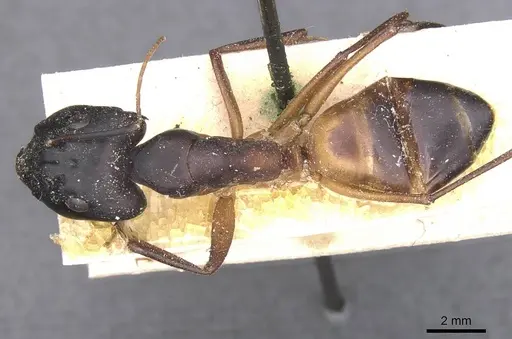
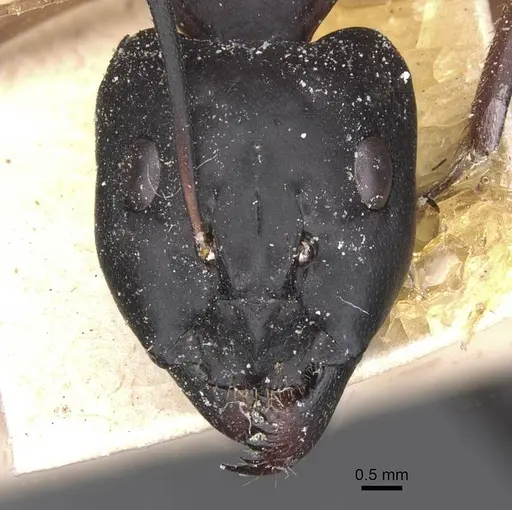
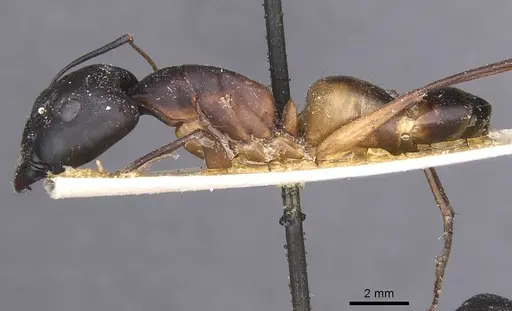
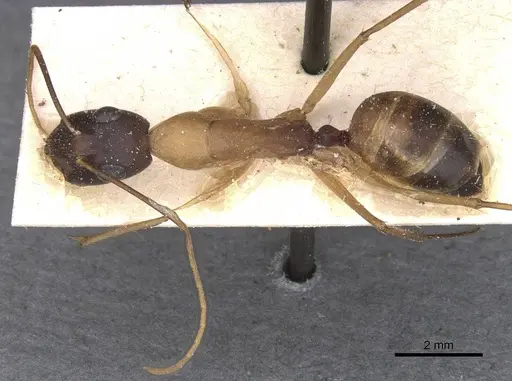
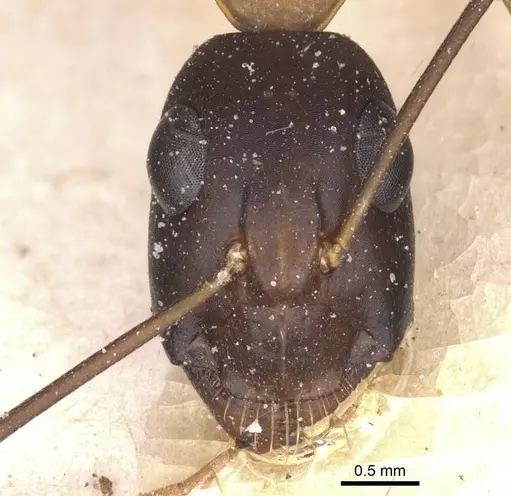
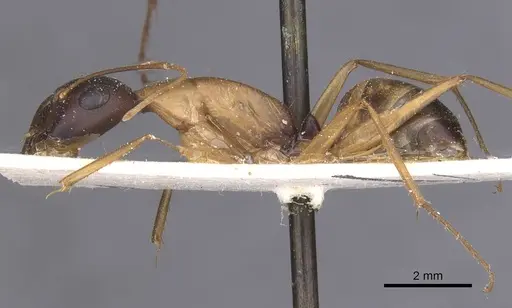
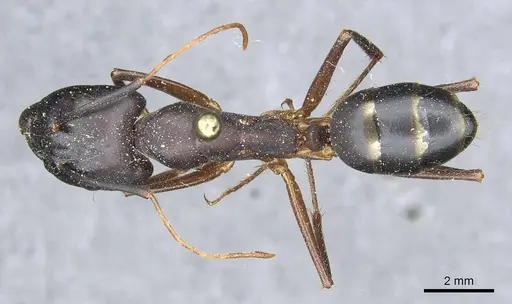
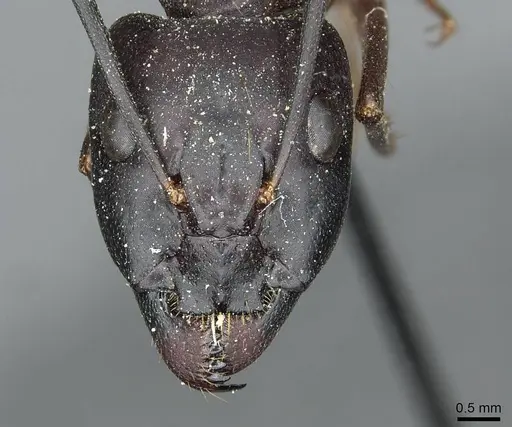
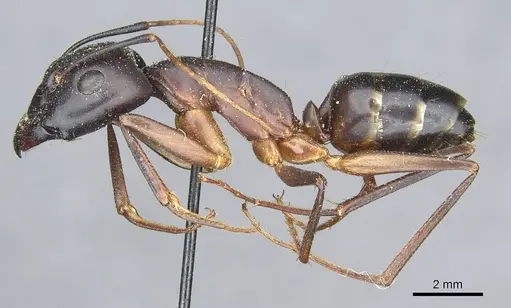
Camponotus magister is a carpenter ant species native to North Africa, specifically found in Libya and Morocco . As a Camponotus species, they are medium-sized ants with a polymorphic worker caste - workers come in different sizes, from small minors to large majors. The genus Camponotus is known for nesting in wood and their relatively docile temperament. These ants are adapted to warm, semi-arid conditions of their Mediterranean and North African range.
Quick Summary
- Difficulty: Medium
- Origin & Habitat: North Africa (Libya, Morocco), Mediterranean region with warm, dry to semi-arid conditions [1]
- Colony Type: Colony structure is unconfirmed for this species
- Size & Growth:
- Queen: Size data unavailable for this species
- Worker: Size data unavailable for this species
- Colony: Colony size is unconfirmed for this species
- Growth: Growth rate is unconfirmed for this species
- Development: Development time is unconfirmed for this species (First workers (nanitics) are typically smaller than normal workers in Camponotus species.)
- Antkeeping:
- Temperature: Temperature requirements are unconfirmed for this species, keep at room temperature (20-24°C) and observe colony behavior
- Humidity: Humidity requirements are unconfirmed for this species, provide a water source and moderate moisture
- Diapause: Diapause requirements are unconfirmed for this species, a cool period may benefit them based on their temperate origin
- Nesting: Y-tong (AAC) or plaster nests work well for Camponotus species. Provide nesting chambers scaled to colony size.
- Behavior: Behavior is unconfirmed for this species. Based on typical Camponotus patterns, they are generally docile with no functional sting, they may bite and spray formic acid as their defense mechanism.
- Common Issues: colonies may fail if humidity is too high, ensure good ventilation, slow growth is common in Camponotus species, patience is required, hibernation failure can occur, monitor temperatures during winter months, test tube setups can flood if water reservoirs are not properly managed, wild-caught colonies may have parasites, quarantine new colonies
Housing and Nest Setup
Camponotus magister adapts well to various nest types. Y-tong (AAC) nests are popular because they provide good visibility and easy humidity control. Plaster nests also work well for a more naturalistic setup. For founding colonies, a standard test tube setup with a water reservoir works fine, just ensure the cotton is properly packed to prevent flooding. As the colony grows, you can upgrade to larger formicarium setups. These ants prefer drier conditions than many tropical species, so avoid overly damp substrates. A small outworld connected to the nest allows for feeding and waste management.
Feeding and Diet
Like other Camponotus species, C. magister is omnivorous with a preference for sugar sources. Offer sugar water, honey, or diluted maple syrup as a constant energy source. For protein, provide insects such as mealworms, crickets, or fruit flies. They can accept a variety of protein sources. Feed protein 2-3 times per week, and keep sugar water available at all times. Remove uneaten food after 24-48 hours to prevent mold. In the wild, they also tend aphids for honeydew, so sugar sources are particularly important for their diet.
Temperature and Seasonal Care
These North African ants likely thrive at warm temperatures between 22-26°C. A heating cable on one side of the nest creates a temperature gradient that allows ants to regulate their own temperature by moving between chambers. During winter, a cool period at 15-18°C for 2-3 months may help maintain natural colony cycles, this mimics their natural seasonal cycle. Do not let temperatures drop below 10°C. Room temperature within the recommended range is often sufficient during active months. Monitor colony behavior, if workers become sluggish, consider slightly increasing temperature.
Behavior and Handling
Camponotus magister is generally considered one of the more docile ant species, making them suitable for keepers who want a calm colony. Workers are relatively slow-moving and rarely show aggression. They lack a functional sting, their defense mechanism involves biting and spraying formic acid from their acidopore. While not prone to escaping, standard barrier methods should still be used. They are primarily nocturnal foragers, so you may see more activity in the evening hours. The polymorphic worker caste is interesting to observe as majors often specialize in defense or food processing.
Frequently Asked Questions
How long does it take for Camponotus magister to produce first workers?
First workers (nanitics) typically appear in 6-8 weeks at optimal temperature (24-26°C) in Camponotus species. This varies with temperature, cooler conditions slow development significantly.
Can I keep Camponotus magister in a test tube?
Yes, test tubes work well for founding colonies. Use a standard test tube setup with a water reservoir and cotton plug. Once the colony reaches 20-30 workers, consider moving to a formicarium.
What temperature do Camponotus magister need?
Keep them at 22-26°C during the active season. A temperature gradient is ideal, allow ants to move between warmer and cooler areas of the nest.
Do Camponotus magister need hibernation?
A cool period may benefit them based on their temperate origin. Keep them at 15-18°C for 2-3 months during winter months if activity decreases.
How big do Camponotus magister colonies get?
Mature colonies can reach several thousand workers in Camponotus species. Growth is moderate, it takes several years to reach maximum size.
Are Camponotus magister good for beginners?
They are considered medium difficulty. Their docile nature makes them manageable, but their specific temperature and humidity needs require some attention. Good for keepers who have kept simpler species first.
What do Camponotus magister eat?
They need constant sugar sources (honey, sugar water, maple syrup) and regular protein (insects like mealworms, crickets, fruit flies). Feed protein 2-3 times per week.
When should I move my colony to a formicarium?
Move to a formicarium when the test tube becomes crowded or when you see 20-30 workers. Ensure the new setup has appropriately sized chambers for the colony size.
Why is my Camponotus magister colony growing slowly?
Slow growth is normal for Camponotus species, they prioritize quality over speed. Ensure proper temperature (22-26°C), adequate protein feeding, and minimal disturbance. Colonies can take months to establish firmly.
Report an Issue
The current care sheet is based fully on literature. See inconsistencies, or something that's incorrect? Please , it will be resolved after review from an admin. Contributing to the blogs tab also helps providing information, to make us be able to further improve the caresheets. Thank you for your support!
References

Este guia de cuidados está sob a licença CC BY-SA 4.0 .
Posts da comunidade
Literatura
Carregando mapa de distribuição...Carregando produtos...