
Camponotus immaculatus
- Nome científico
- Camponotus immaculatus
- Subgênero
- Myrmosaga
- Tribo
- Camponotini
- Subfamília
- Formicinae
- Autor
- Forel, 1892
- Distribuição
- Encontrada em 1 países
Introdução
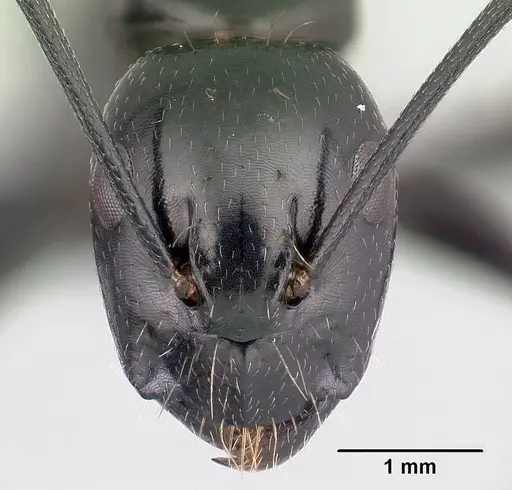
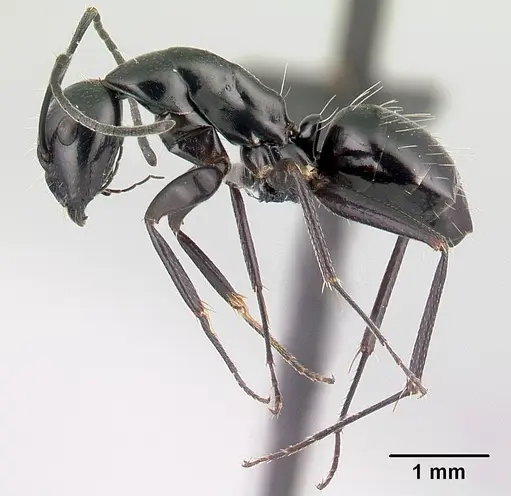
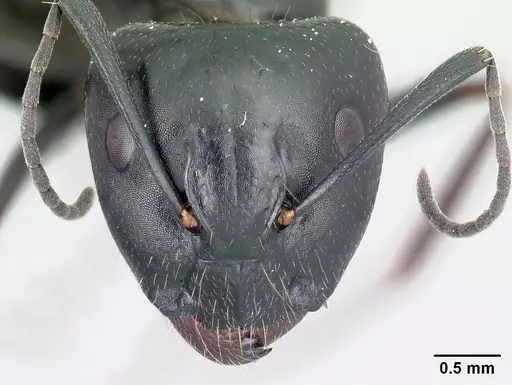
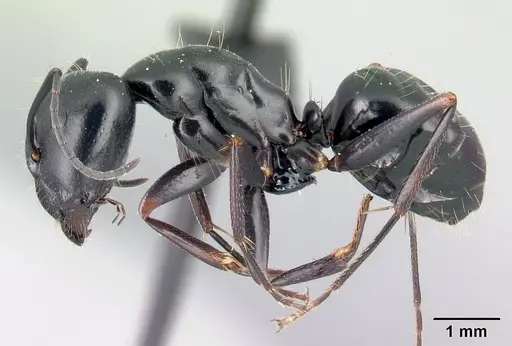
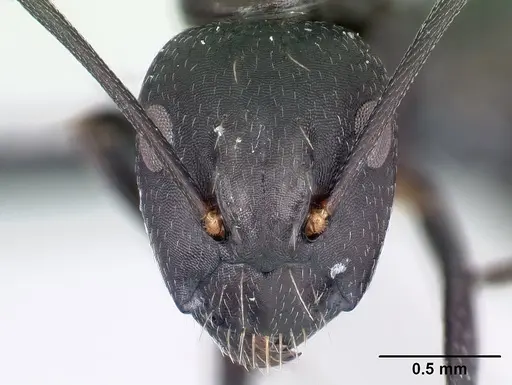
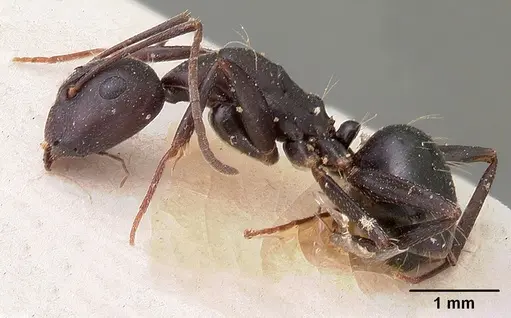
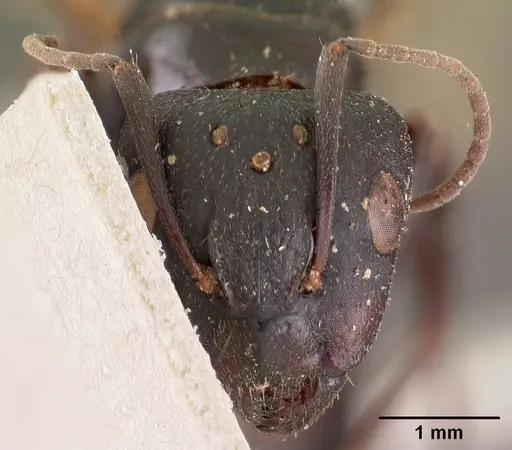
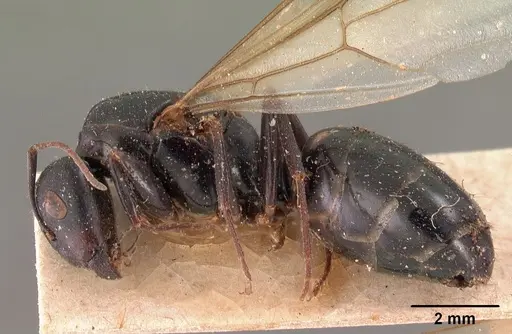
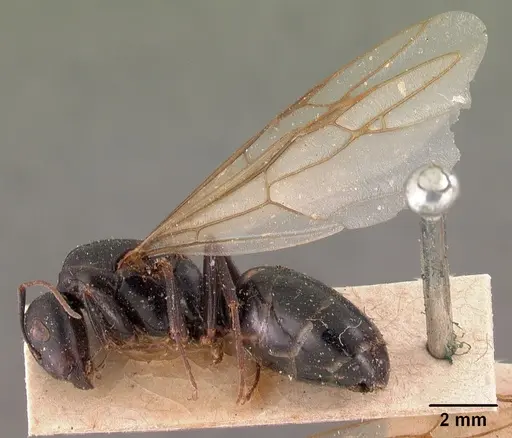
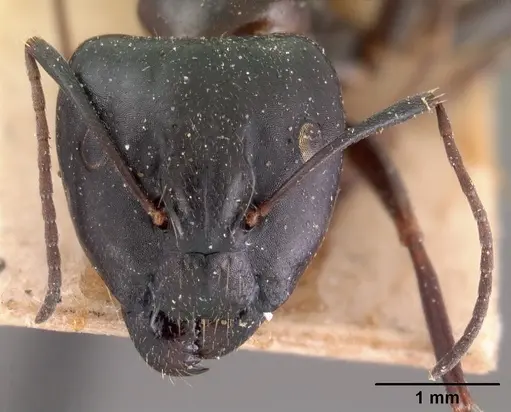
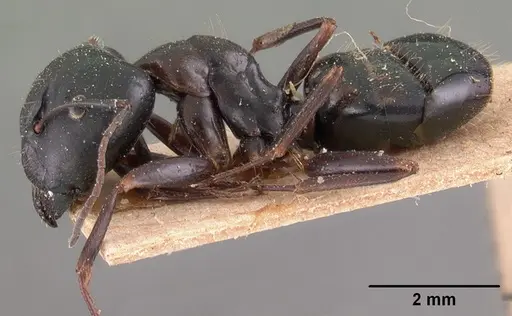
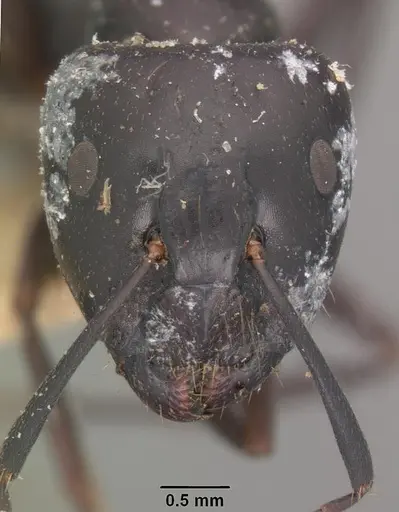
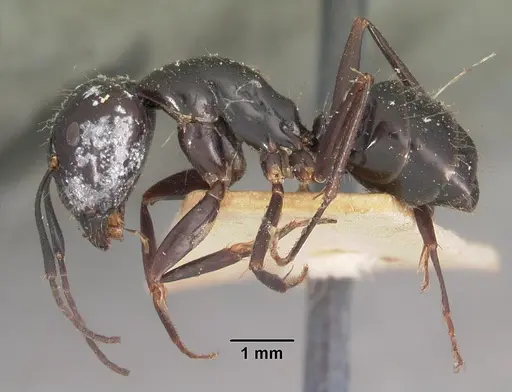
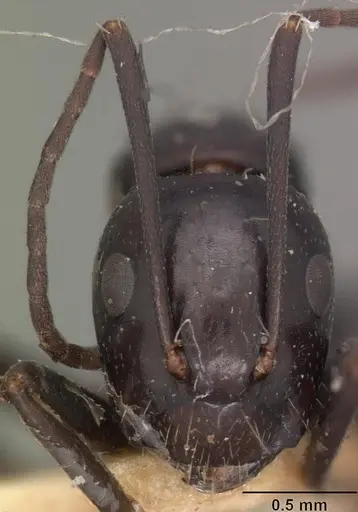
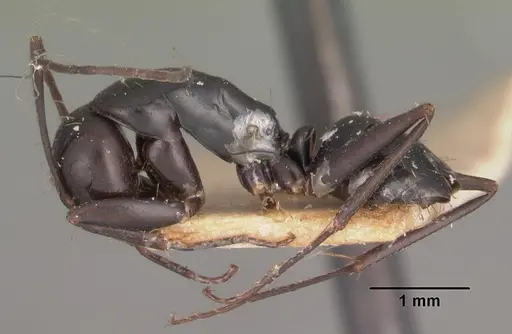
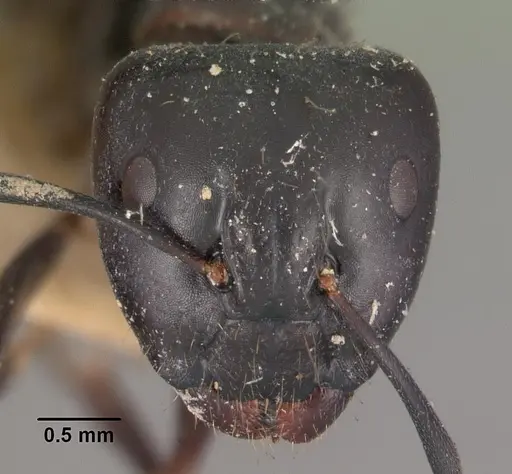
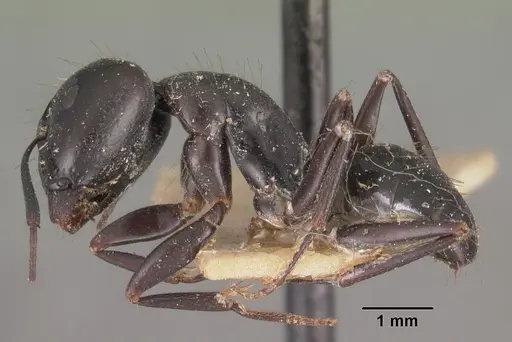
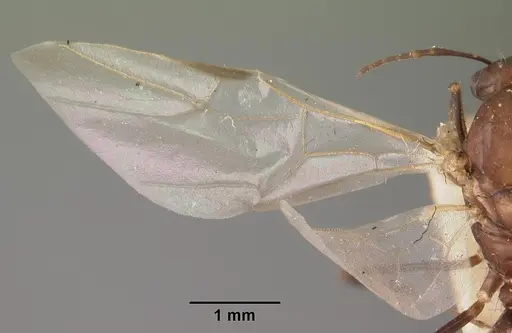
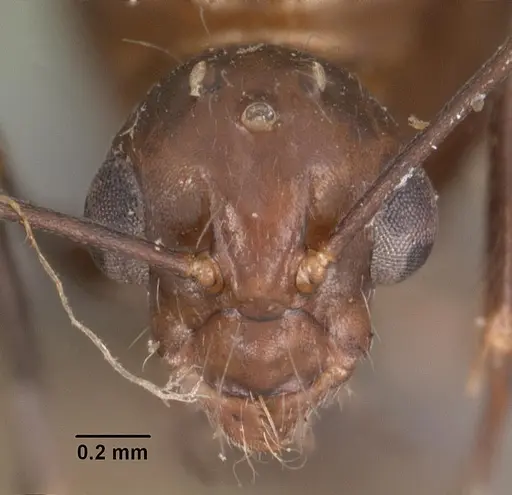
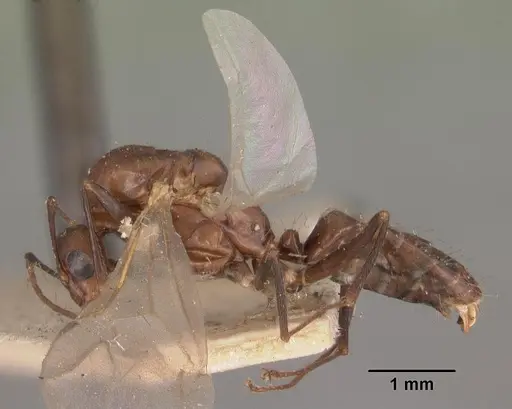
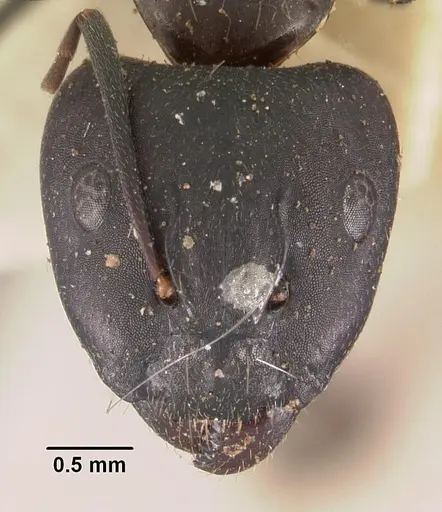
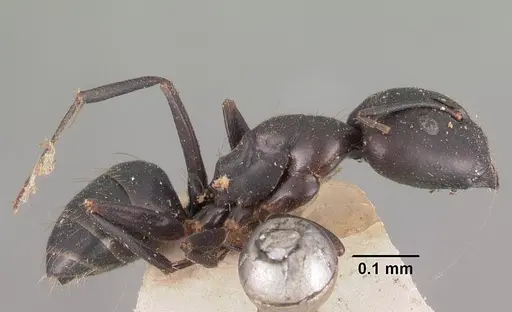
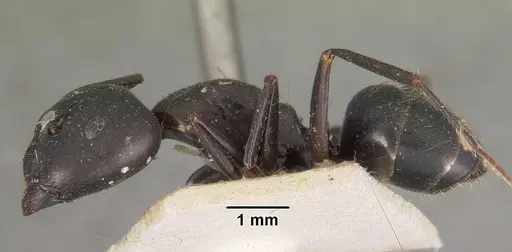
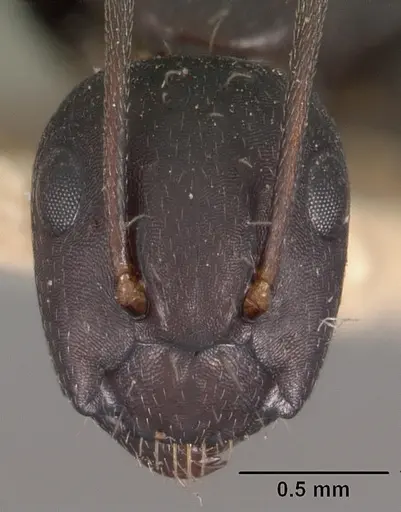
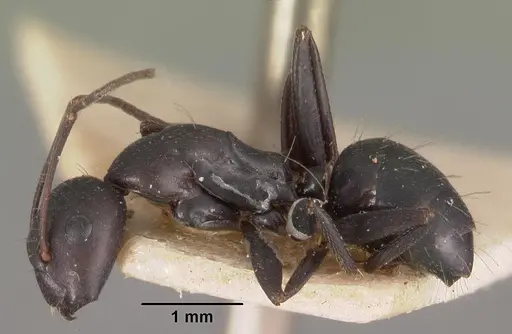
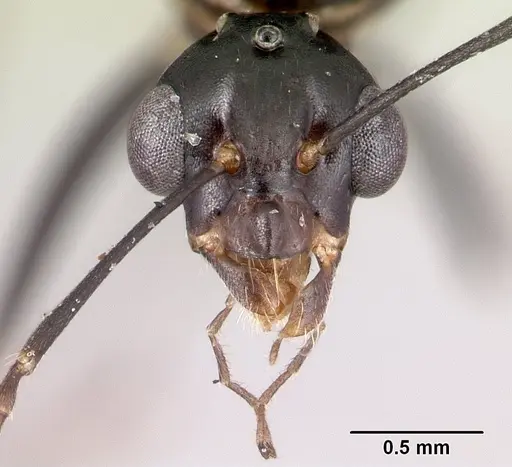
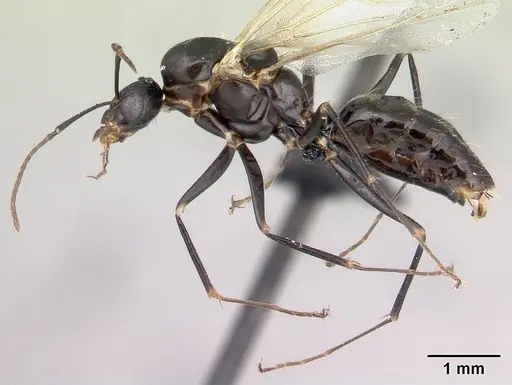
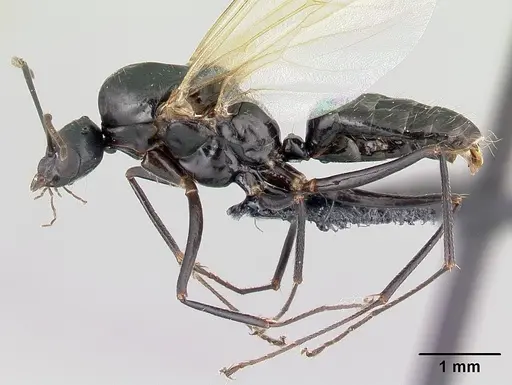
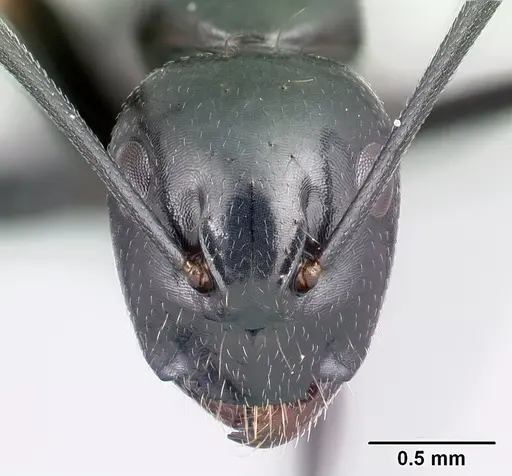
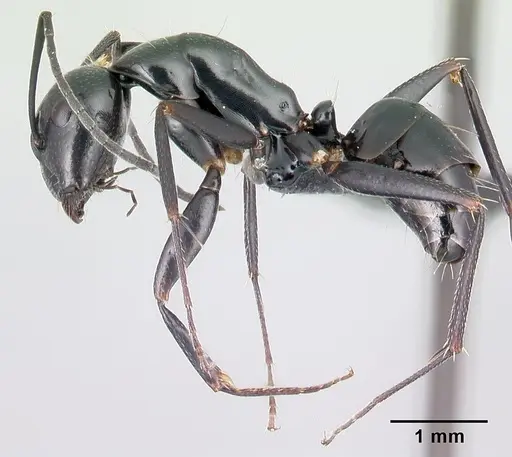
Camponotus immaculatus is a medium-to-large carpenter ant species endemic to Madagascar. Workers are dark brown with a shiny appearance, and the distal portion of the legs has a reddish-brown coloration. This species shows pronounced polymorphism, with minor workers being significantly smaller than the major workers, which have enlarged heads with slightly concave posterior margins. Unlike some related Malagasy Camponotus species, C. immaculatus lacks the characteristic white spots on the abdominal tergites. Queens were originally described by Forel in 1892 and are robust in structure [AntWiki]. This species occupies diverse habitats across Madagascar, from high plateau regions to montane rainforests, and demonstrates flexibility in nesting habits - they can nest in the ground, under stones, or under rotten logs. They forage in the leaf litter, on the ground, and on lower vegetation. Their adaptability to different forest and grassland types, including human-modified habitats, makes them a resilient species in the wild.
Quick Summary
- Difficulty: Medium
- Origin & Habitat: Endemic to Madagascar, found in shrubland, grassland, montane rainforest, savannah woodland, and Uapaca woodland habitats. Also occurs in human-modified areas in the west, south, and high plateau regions [1].
- Colony Type: Colony structure for this species has not been extensively studied.
- Size & Growth:
- Queen: Size data unavailable, no specific measurements found in research literature
- Worker: Minor workers: ~6-9mm, Major workers: ~12-15mm (inferred from genus patterns) [1]
- Colony: Mature colonies likely reach several thousand workers based on typical Camponotus development
- Growth: Moderate, typical for Camponotus species
- Development: Approximately 6-8 weeks at optimal temperature (estimated from genus-level Camponotus data) (Development time varies with temperature, warmer conditions accelerate development but should not exceed species tolerances)
- Antkeeping:
- Temperature: Keep at 22-26°C. As a tropical species from Madagascar, they prefer warm conditions but avoid excessive heat. A gentle gradient allowing workers to self-regulate is beneficial.
- Humidity: Moderate humidity around 50-70%. They nest in the ground and under rotting logs in nature, so provide a moist but not waterlogged nest substrate. Allow some drier areas within the setup for workers to regulate their own humidity.
- Diapause: No, being a tropical species from Madagascar, they do not require hibernation or winter dormancy. Maintain consistent temperatures year-round.
- Nesting: Accepts various nest types including Y-tong (AAC), plaster nests, or naturalistic setups with soil. They naturally nest under stones and in rotting wood, so provide appropriate substrate. A test tube setup works well for founding colonies.
- Behavior: Generally calm and non-aggressive for a carpenter ant. Workers are active foragers but not particularly defensive. This species lacks a functional sting, instead, major workers can bite and spray formic acid from their acidopore into the wound if provoked. They are moderate escape artists, use standard barrier methods. Workers are primarily ground-foraging but will climb vegetation to access honeydew and small prey.
- Common Issues: Tropical species, temperature drops below 20°C can slow activity and development, As a ground-nesting species, they require proper humidity management to prevent mold, Major workers have powerful mandibles, ensure secure housing to prevent escape, Wild-caught colonies may carry parasites, quarantine and monitor new colonies, Slow initial colony growth during founding phase can lead to beginner impatience and overfeeding
Housing and Nest Setup
Camponotus immaculatus adapts well to various captive setups. For founding colonies, a standard test tube setup works excellently, fill a test tube one-third with water, plug with a cotton ball, then add the queen. The water reservoir keeps humidity stable while the cotton provides a water source. For growing colonies, Y-tong (acrylic) nests work well, or you can use a naturalistic setup with soil and decorative elements. Since they naturally nest under stones and in rotting wood, providing a dark cavity is important. Avoid overly wet conditions that can cause mold, ensure some ventilation while maintaining humidity. [1]
Feeding and Diet
As with most Camponotus species, C. immaculatus is omnivorous. They readily accept sugar sources like honey water or sugar water (change every 2-3 days to prevent fermentation). For protein, offer insects such as mealworms, crickets, or other small arthropods. In nature, they forage in leaf litter and on vegetation, so they likely consume honeydew from aphids and scale insects in the wild. Feed protein 2-3 times per week for growing colonies, and always provide a sugar source. Remove uneaten prey after 24-48 hours to prevent mold. [1]
Temperature and Seasonal Care
Being a tropical species from Madagascar, these ants prefer warm conditions. Maintain temperatures between 22-26°C for optimal colony development. They do not require hibernation or cooling periods, in fact, temperatures below 18°C can slow their metabolism and development significantly. A heating cable on one side of the nest can create a beneficial temperature gradient, allowing workers to choose their preferred zone. Avoid direct heat sources that could dry out the nest or cause overheating. Room temperature within the 22-26°C range is typically sufficient without additional heating. [1]
Colony Development and Growth
Like all Camponotus species, C. immaculatus has a claustral founding phase where the queen seals herself in a chamber and raises the first brood without leaving to forage. She relies entirely on her stored fat reserves and metabolic energy. The first workers (nanitics) are typically smaller than normal workers and emerge after approximately 6-8 weeks under optimal conditions. After the nanitics establish the colony, subsequent broods develop into normal-sized workers. Colony growth is initially slow but accelerates as the worker population increases. Major workers typically appear once the colony reaches several hundred workers. Patience is essential during the founding phase, avoid disturbing the queen or moving the nest during this critical period. [1]
Behavior and Temperament
Camponotus immaculatus is a relatively calm species compared to some other ants. Workers are active foragers but typically avoid confrontation. This species belongs to the Formicinae subfamily, which lacks a functional sting. Instead, major workers can deliver a painful bite and spray concentrated formic acid from their acidopore into the wound if provoked. They are not aggressive toward keepers but will defend the colony if threatened. They are primarily ground-dwelling but will climb to access food sources. Workers communicate using chemical trails and can recruit nestmates to food discoveries. This species shows typical Camponotus foraging patterns, they establish trunk trails and systematically forage their territory. [1]
Frequently Asked Questions
How long does it take for Camponotus immaculatus to produce first workers?
First workers (nanitics) typically emerge after 6-8 weeks under optimal temperature conditions (22-26°C). This timeline can vary based on temperature and feeding. The queen is claustral, she seals herself in and raises the first brood alone without foraging.
What temperature do Camponotus immaculatus ants need?
Keep them at 22-26°C. As a tropical Madagascar species, they prefer warm conditions and do not tolerate cold well. Room temperature within this range is ideal. Avoid temperatures below 18°C for extended periods.
Can I keep multiple Camponotus immaculatus queens together?
Colony type for this species has not been extensively studied. Based on typical Camponotus patterns, single-queen colonies are most common. Combining unrelated queens is not recommended as they would likely fight. Only keep one queen per colony.
What do Camponotus immaculatus ants eat?
They are omnivorous. Offer sugar water or honey water as a constant energy source, and protein sources like mealworms, crickets, or other small insects 2-3 times per week. They will also consume honeydew from aphids if available.
Are Camponotus immaculatus good for beginners?
They are rated as medium difficulty. They are more forgiving than some tropical species but require warm temperatures year-round. The main challenges are maintaining proper temperature and being patient through the slow founding phase. They are calmer than many carpenter ants, making them a good intermediate species.
Do Camponotus immaculatus need hibernation?
No, they do not require hibernation. Being a tropical species from Madagascar, they need consistent warm temperatures year-round. Do not expose them to cold temperatures or attempt to cool them for winter.
When should I move my colony to a formicarium?
Keep founding colonies in a test tube setup until you have at least 30-50 workers. Moving too early can stress the colony. Once the test tube becomes crowded or the water reservoir runs low, transfer to a proper formicarium or larger setup.
How big do Camponotus immaculatus colonies get?
Based on typical Camponotus growth patterns, mature colonies likely reach several thousand workers. Major workers appear once the colony is well-established, typically when the population exceeds several hundred workers.
Why is my colony growing slowly?
Slow growth is normal during the founding phase. Ensure temperatures are in the 22-26°C range, provide proper humidity without over-wetting, and feed adequate protein. Colonies can stall if temperatures are too low, if the queen was disturbed during founding, or if nutrition is inadequate.
Report an Issue
The current care sheet is based fully on literature. See inconsistencies, or something that's incorrect? Please , it will be resolved after review from an admin. Contributing to the blogs tab also helps providing information, to make us be able to further improve the caresheets. Thank you for your support!
References

Este guia de cuidados está sob a licença CC BY-SA 4.0 .
Posts da comunidade
CASENT0053950
Ver no AntWeb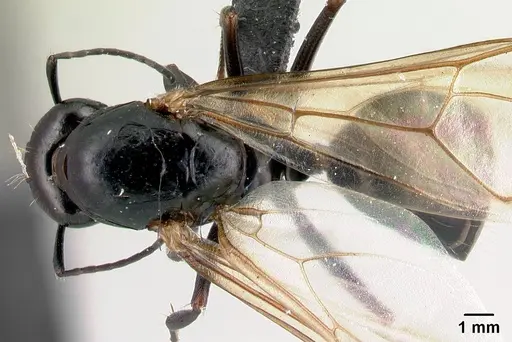
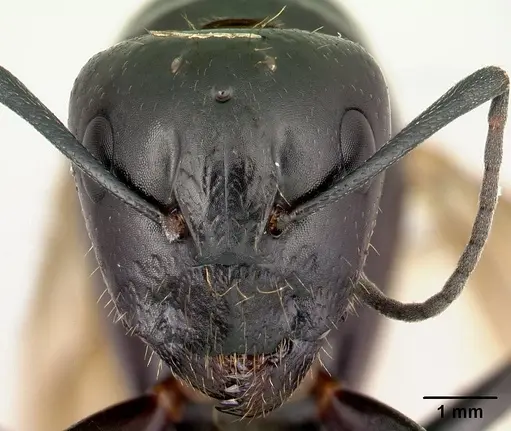
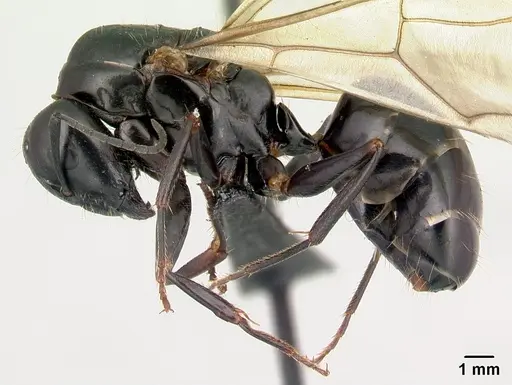
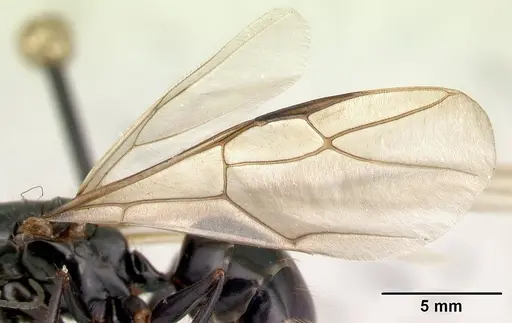
CASENT0053951
Ver no AntWeb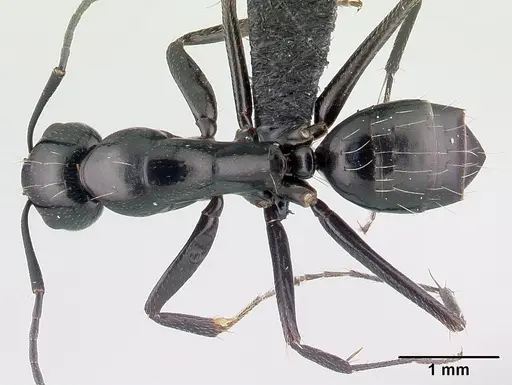
CASENT0071379
Ver no AntWeb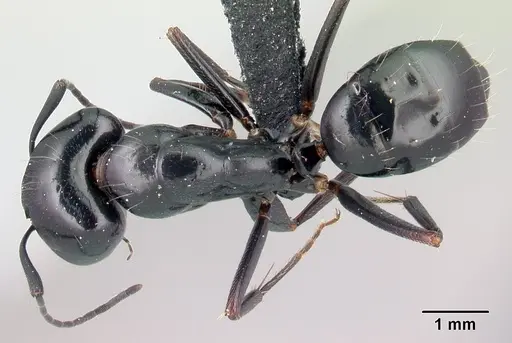
CASENT0082438
Ver no AntWeb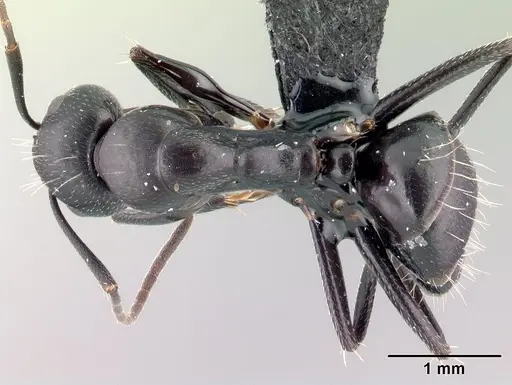
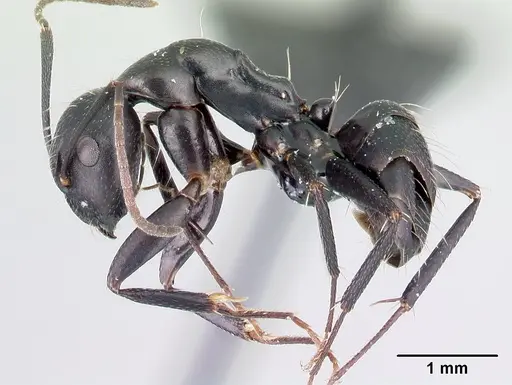
CASENT0102107
Ver no AntWeb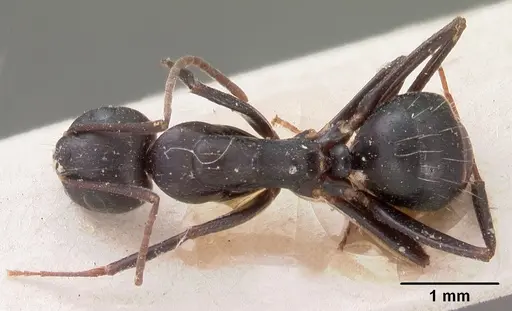
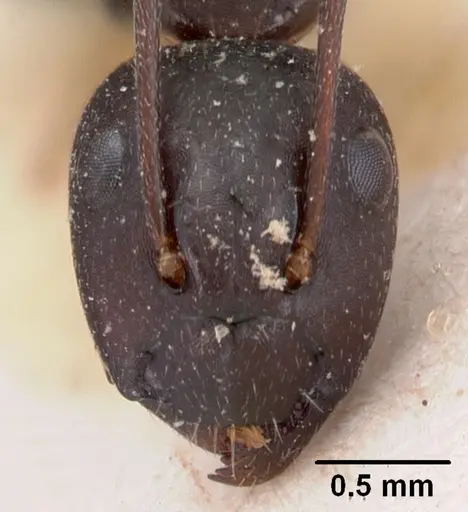
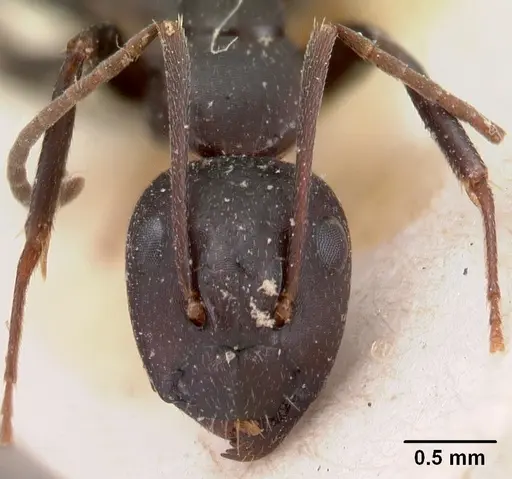
CASENT0102108
Ver no AntWeb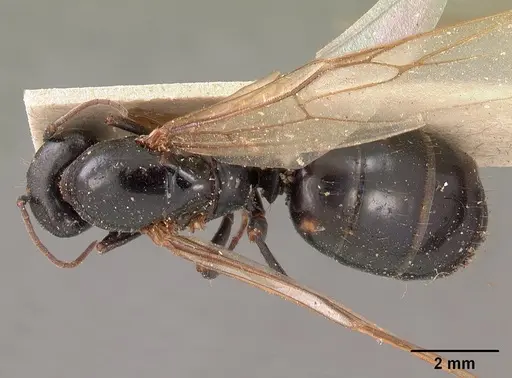
CASENT0102111
Ver no AntWeb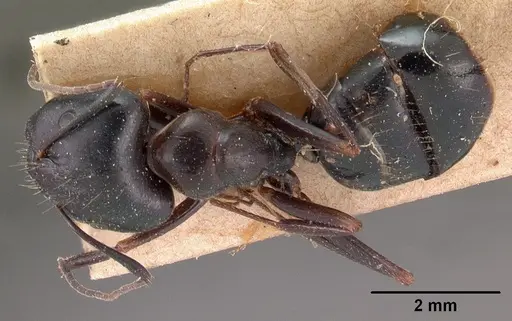
CASENT0102428
Ver no AntWeb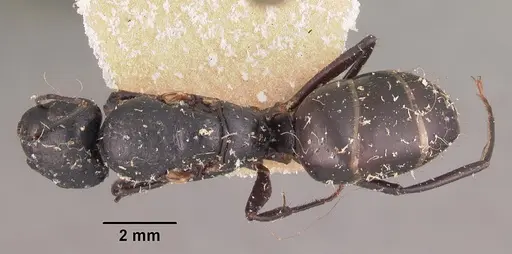
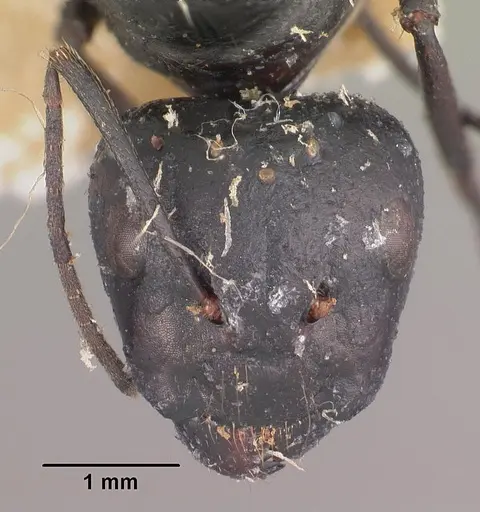
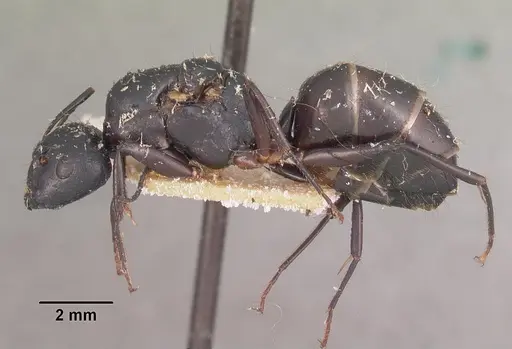
CASENT0102429
Ver no AntWeb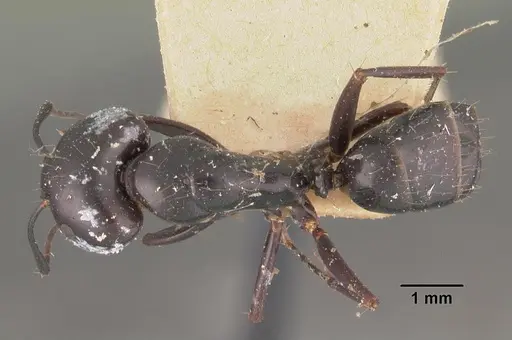
CASENT0102430
Ver no AntWeb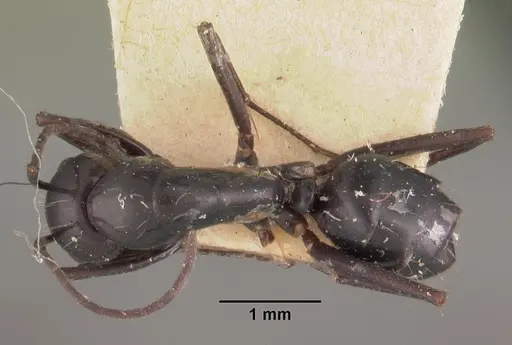
CASENT0102431
Ver no AntWeb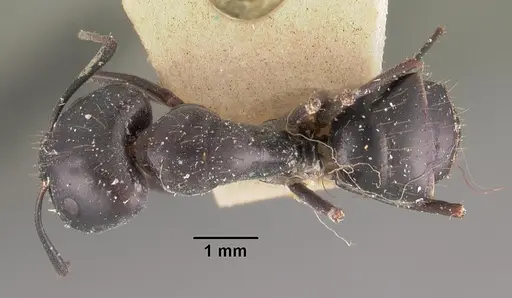
CASENT0102432
Ver no AntWeb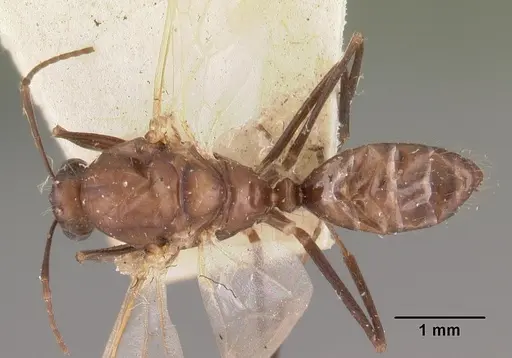
CASENT0102433
Ver no AntWeb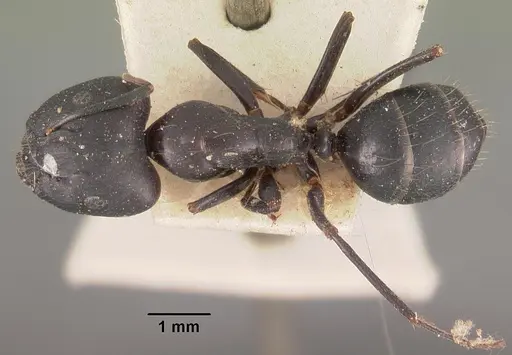
CASENT0102434
Ver no AntWeb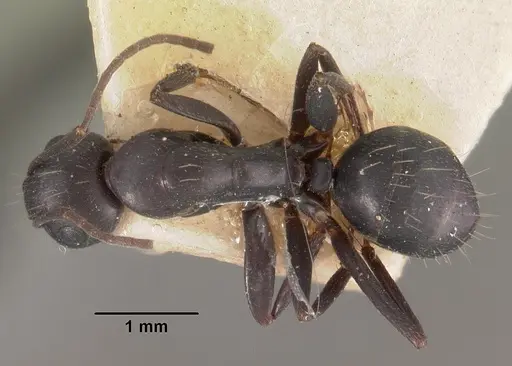
CASENT0136258
Ver no AntWeb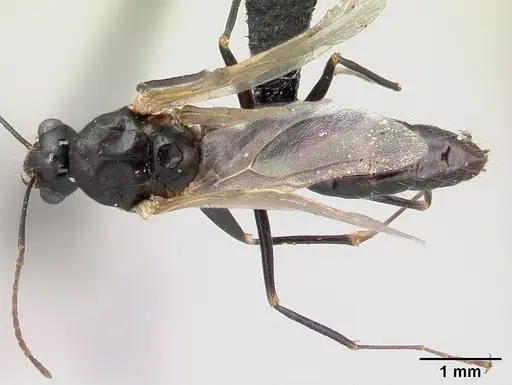
CASENT0166246
Ver no AntWeb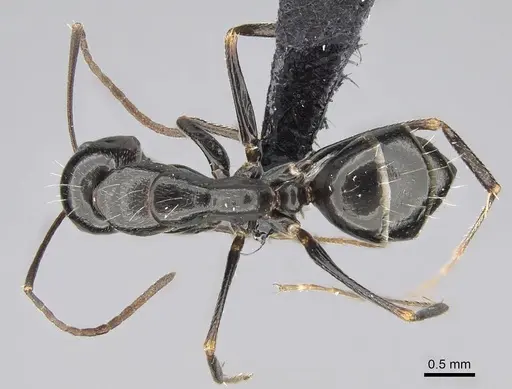
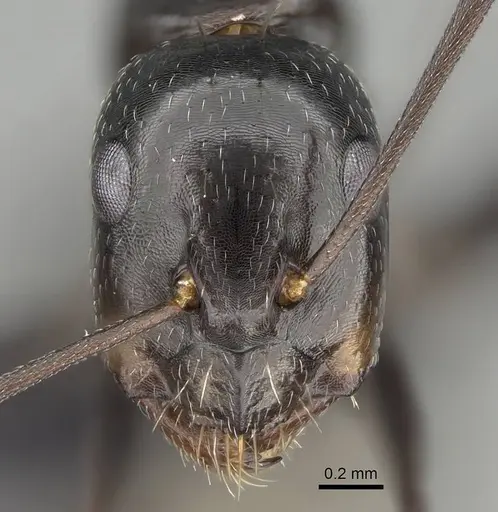
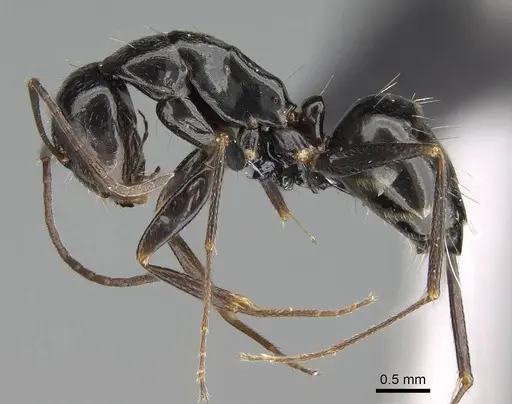
CASENT0179439
Ver no AntWeb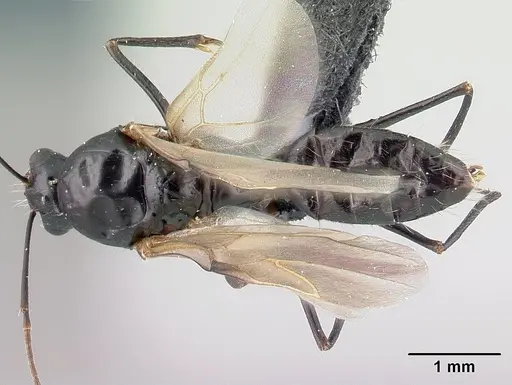
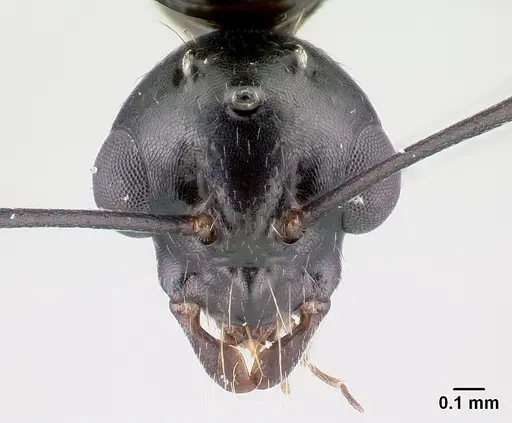
CASENT0179441
Ver no AntWeb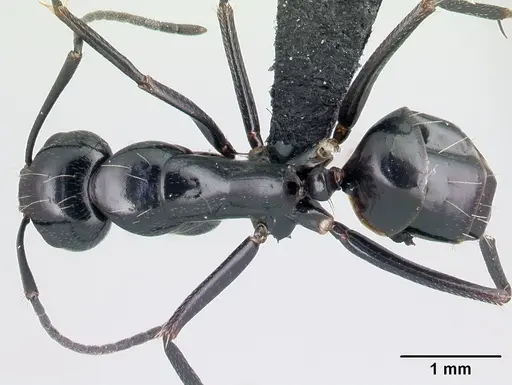
Literatura
Carregando mapa de distribuição...Carregando produtos...