
Camponotus gretae
- Nome científico
- Camponotus gretae
- Subgênero
- Myrmamblys
- Tribo
- Camponotini
- Subfamília
- Formicinae
- Autor
- Forel, 1902
- Distribuição
- Encontrada em 0 países
Introdução
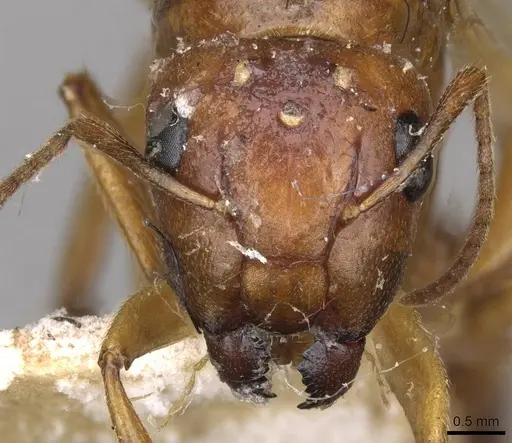
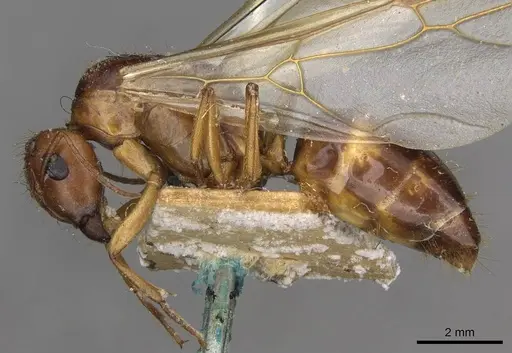
Camponotus gretae is a carpenter ant species native to the Indomalaya region, documented in India, Myanmar, Malaysia, and Singapore . The species was originally described from the Icaungyin Valley in Myanmar (then Burma) by Forel in 1902,and belongs to the subgenus Myrmamblys . Like other Camponotus species, workers are polymorphic with different size castes. As a Formicinae ant, this species lacks a functional sting and defends by biting and spraying formic acid.
Quick Summary
- Difficulty: Medium
- Origin & Habitat: Native to the Indomalaya region, documented in India (Arunachal Pradesh, Assam, Sikkim, West Bengal), Myanmar, Malaysia, and Singapore [2][1][3]. Type locality is the Icaungyin Valley in Myanmar. Based on typical Camponotus nesting preferences, they likely nest in rotting wood in forested areas.
- Colony Type: Based on typical Camponotus patterns, this species is likely monogyne (single queen) with claustral founding.
- Size & Growth:
- Queen: size data unavailable, inferred from Camponotus genus (~12-15mm)
- Worker: size data unavailable, inferred from Camponotus genus (~6-12mm, polymorphic)
- Colony: up to a few thousand workers, estimated from genus patterns
- Growth: Moderate
- Development: estimated 6-10 weeks based on typical Camponotus development (Development time is inferred from related Camponotus species, direct observations for C. gretae are not available.)
- Antkeeping:
- Temperature: Keep at 24-28°C for optimal brood development. A temperature gradient allows ants to regulate their own conditions. Based on their tropical origin, they need consistent warmth.
- Humidity: Moderate humidity around 50-70%. Keep the nest substrate slightly moist but not waterlogged. Provide a water source.
- Diapause: Unlikely to require true diapause given their tropical distribution. May show reduced activity during cooler months.
- Nesting: Y-tong (AAC) nests or plaster nests work well for Camponotus. They prefer dark, secure chambers. A naturalistic setup with cork bark also mimics their natural arboreal nesting preferences.
- Behavior: Typical Camponotus temperament, generally calm and not aggressive unless their nest is directly threatened. Workers are primarily nocturnal or crepuscular, foraging at night. Escape risk is moderate, use standard barrier methods. As Formicinae, they cannot sting but may bite and spray formic acid as a defense.
- Common Issues: mold growth in the nest if humidity is too high, ensure proper ventilation, queen mortality during founding is common, ensure she has a quiet, dark location, overfeeding can lead to mold problems, remove uneaten protein promptly, cold temperatures slow or stop brood development, keep them warm, transport stress can kill newly caught queens, minimize disturbance during founding
Nest Preferences
Camponotus gretae naturally nests in rotting wood, which is typical for carpenter ants. In captivity, they adapt well to various nest types. Y-tong (AAC) nests with narrow chambers work excellently, the dark, secure chambers mimic their natural tree-nesting preferences. Plaster nests also work well, especially when kept slightly moist. Avoid nests with overly large chambers as these ants feel more secure in snug-fitting spaces. A naturalistic setup with cork bark can be used, though monitoring for mold becomes more important. The nest should be kept dark, cover three sides of acrylic nests with a dark cloth. Provide an outworld connected by tubing for foraging. [3]
Feeding and Diet
Like other Camponotus species, C. gretae is omnivorous with a preference for protein sources. Feed them protein-rich foods like mealworms, small crickets, or other small insects. They also accept sugar sources such as honey water or sugar water, which helps sustain the workers and supports queen egg-laying. A balanced approach works best: offer protein 2-3 times per week and keep a sugar water source available at all times. Remove uneaten protein within 24-48 hours to prevent mold. Fresh fruits can occasionally be offered as well. During founding, the queen does not need food, she relies on her stored fat reserves. [3]
Temperature and Seasonal Care
As a tropical species from the Indomalaya region, Camponotus gretae prefers warmer temperatures. Keep the nest area at 24-28°C for optimal brood development. Temperatures below 20°C can slow or halt development entirely. A small heating cable or mat on one side of the nest can create a beneficial gradient, allowing ants to move between warmer and cooler areas. They do not require a true hibernation diapause given their tropical origin, but you may notice reduced activity during cooler months. Reduce feeding slightly during any period of low activity. Avoid temperature fluctuations and drafts. [3]
Behavior and Colony Development
Camponotus gretae follows the typical Camponotus colony development pattern. The claustral queen seals herself into a small chamber and lays eggs while surviving on her stored fat reserves. After several weeks (temperature-dependent), the first workers called nanitics emerge, these are typically smaller than mature workers. The colony grows slowly at first as the queen focuses on raising these initial workers. Once nanitics are established, the queen's role shifts to purely reproductive, and worker numbers begin building more steadily. Major workers (larger individuals) typically appear after the colony reaches several dozen workers. Workers are primarily nocturnal, becoming more active in the evening and night hours. They are not aggressive and will only defend if their nest is directly threatened. [3]
Frequently Asked Questions
How long does it take for Camponotus gretae to produce first workers?
First workers (nanitics) typically emerge in 6-10 weeks after the queen lays eggs, assuming temperatures are kept at 24-28°C. This is typical for Camponotus species. Cooler temperatures can significantly extend this timeline.
What do Camponotus gretae ants eat?
They are omnivorous. Offer protein sources like mealworms, small crickets, or other insects 2-3 times per week. Keep sugar water or honey available at all times. Remove uneaten food promptly to prevent mold.
What temperature do Camponotus gretae need?
Keep them at 24-28°C for optimal development. A slight gradient is beneficial so they can regulate their own temperature. Avoid temperatures below 20°C for extended periods.
Are Camponotus gretae good for beginners?
They are moderate difficulty, more forgiving than some tropical species but requiring more patience than faster-growing ants. Their slower development requires commitment, but they are generally hardy once established.
How big do Camponotus gretae colonies get?
Mature colonies typically reach up to a few thousand workers. Development to this size takes 1-3 years under good conditions.
Do Camponotus gretae need hibernation?
No, they do not require true hibernation. As a tropical species, they may show reduced activity during cooler months but a full diapause is not necessary.
When should I move Camponotus gretae to a formicarium?
Keep newly caught queens in a simple test tube setup until the colony reaches at least 20-30 workers. Moving them too early can stress the colony. Once they have established workers and need more space, you can connect them to a formicarium.
Can I keep multiple Camponotus gretae queens together?
Camponotus gretae is typically monogyne (single queen). Combining unrelated queens is not recommended as they will likely fight. Only queens that have mated and started founding together naturally might coexist temporarily.
Why is my Camponotus gretae queen not laying eggs?
Common causes include: temperatures too low (below 20°C), excessive disturbance or light exposure, insufficient humidity, or the queen is still in her founding phase. Ensure she has a quiet, dark, warm location and is not being disturbed.
Report an Issue
The current care sheet is based fully on literature. See inconsistencies, or something that's incorrect? Please , it will be resolved after review from an admin. Contributing to the blogs tab also helps providing information, to make us be able to further improve the caresheets. Thank you for your support!
References

Este guia de cuidados está sob a licença CC BY-SA 4.0 .
Posts da comunidade
CASENT0910537
Ver no AntWeb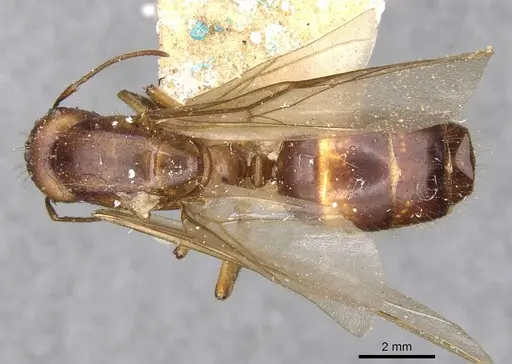
Literatura
Carregando mapa de distribuição...Carregando produtos...