
Camponotus foleyi
- Nome científico
- Camponotus foleyi
- Subgênero
- Tanaemyrmex
- Tribo
- Camponotini
- Subfamília
- Formicinae
- Autor
- Santschi, 1939
- Distribuição
- Encontrada em 2 países
Introdução
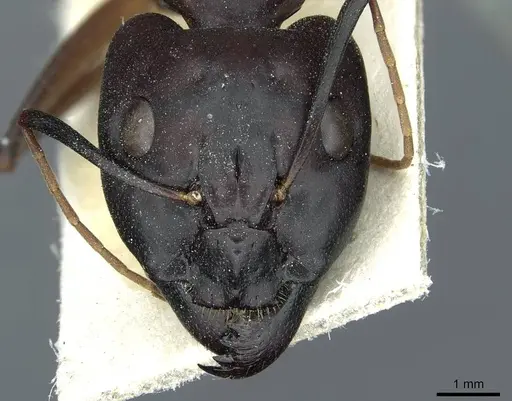
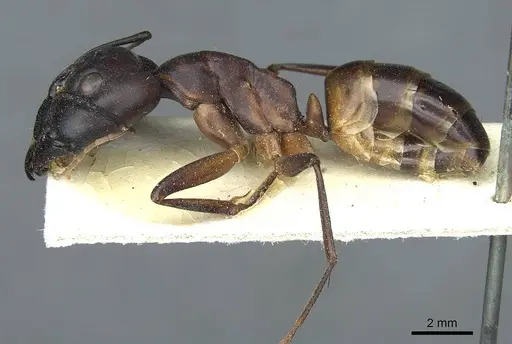
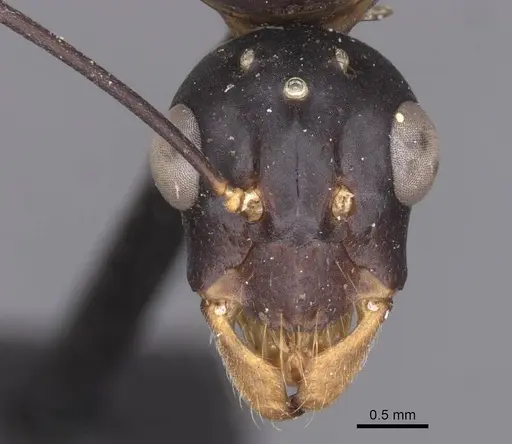
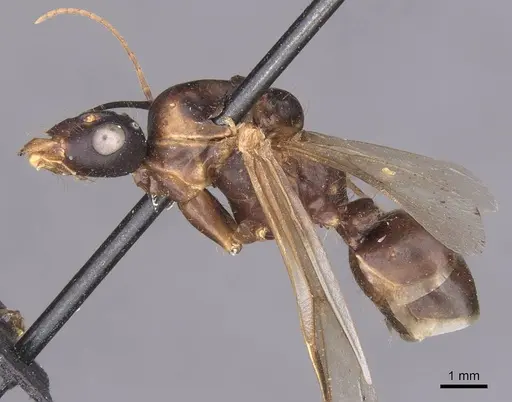
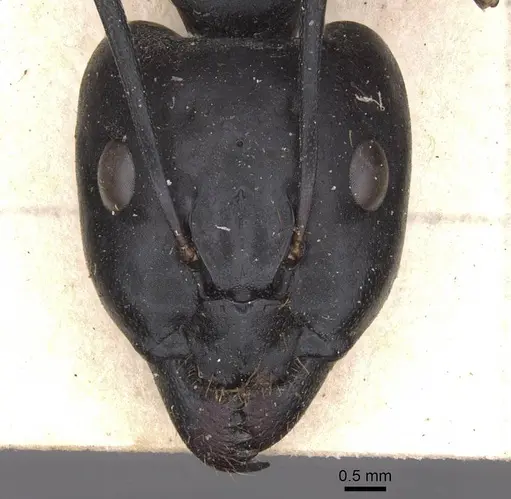
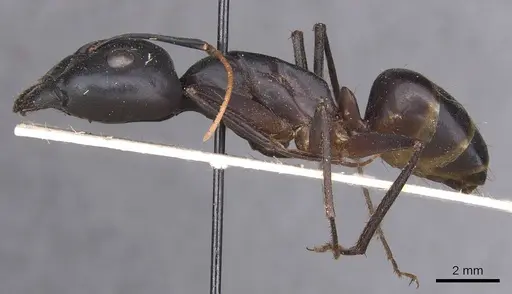
Camponotus foleyi is a large ant species native to the Sahara Desert region of Algeria, particularly the Tassili des Ajjer mountains. Workers are impressively large, reaching over 17mm in length, making them the largest ants found in the Sahara . They belong to the Formicinae subfamily and have the typical robust Camponotus body shape. The species was originally described as a subspecies of Camponotus compressus but was later raised to full species status [AntWiki]. This species is well-adapted to harsh desert conditions, nesting in shallow cavities that remain open to the air. Workers have been observed actively foraging at night when temperatures drop . Their larvae are carnivorous and spin cocoons, which is relatively unusual among Camponotus species .
Quick Summary
- Difficulty: Medium
- Origin & Habitat: Algeria, specifically the Tassili des Ajjer mountain range and surrounding Sahara regions. They inhabit arid to extremely arid environments, nesting in various substrates including clay, sandstone, and sand at elevations between 760-1800m [1][4].
- Colony Type: Colony structure is unconfirmed. Based on typical Camponotus patterns, likely single-queen colonies with major and minor worker castes.
- Size & Growth:
- Queen: Approximately 16.5mm [1]
- Worker: Workers exceed 17mm in length, making them among the largest Saharan ants [1]
- Colony: Unknown, no specific colony size data available
- Growth: Moderate, typical for Camponotus
- Development: Estimated 6-8 weeks at optimal temperature based on genus patterns (Development time is inferred from typical Camponotus development. Cocoon-spinning larvae suggest a similar timeline to other Camponotus species.)
- Antkeeping:
- Temperature: Warm conditions required. Given their Sahara origin, keep nest area at 24-28°C with a slight gradient. Room temperature within this range is acceptable. Provide a heating cable on one side of the nest if needed.
- Humidity: Low. These are desert-adapted ants that prefer dry conditions. Keep nest substrate mostly dry with only a small moist area. Avoid excessive humidity that can cause mold.
- Diapause: Likely required. As a species from a temperate-to-subtropical region with seasonal variation, they probably need a winter rest period. However, exact diapause requirements are unconfirmed for this species.
- Nesting: Large nests with spacious chambers work best. Y-tong (AAC) nests with large chambers suit this species. They prefer nesting in dry, well-drained materials. Avoid overly humid setups.
- Behavior: Generally calm and non-aggressive for a large ant species. Workers are robust and confident foragers. They are primarily nocturnal, so expect peak activity in evening and night hours. They lack a functional sting but will bite and spray formic acid from their acidopore if threatened. Escape prevention is important given their size, use standard barriers but no special escape-proofing is needed beyond standard measures.
- Common Issues: desert species is sensitive to excess humidity, keep conditions dry to prevent mold and fungal issues, large size requires spacious nests, cramped quarters can stress colonies and limit growth, nocturnal activity pattern means they may be less active during daytime observations, limited availability in the antkeeping hobby, this is not a common species in captivity, diapause requirements are not well-documented, monitor colony behavior during winter months
Housing and Nest Setup
Camponotus foleyi requires spacious housing due to its large worker size. A Y-tong (AAC) nest with large chambers works well. These ants are desert-adapted and prefer drier conditions than most tropical species, keep humidity low. Use a well-drained setup with test tubes for the founding chamber. For outworld space, provide a large foraging area since these ants are active foragers. Standard escape prevention is sufficient, their large size means they cannot squeeze through typical barrier gaps like smaller ants can. [1]
Feeding and Diet
As a Camponotus species, C. foleyi is omnivorous. They accept sugar sources (honey water, sugar water) and protein foods. Their larvae are documented as carnivorous [3], so protein is essential for brood development. Offer protein sources like mealworms, crickets, or other insects. Feed a few times per week, more frequently during colony growth phases. Remove uneaten prey after 24-48 hours to prevent mold. Sugar water should be available constantly, replaced every few days.
Temperature and Seasonal Care
These Sahara-dwelling ants require warm conditions. Keep the nest area at 24-28°C, which is ideal for brood development. A heating cable on one side of the nest can create a temperature gradient if your room temperature is lower. They are adapted to extreme heat in their natural habitat but also experience cool nights, a slight temperature drop at night is natural and acceptable. Regarding diapause: as a species from a region with seasonal temperature variation, they likely need a winter rest period. However, specific diapause requirements are not well-documented for this species. If your colony shows reduced activity in winter, provide a cool period around 15-18°C for 2-3 months. [1]
Behavior and Colony Dynamics
Camponotus foleyi is a calm, impressive species to observe. Workers are large and confident, with majors easily distinguishable from minors. They are primarily nocturnal, with workers observed foraging at night in the wild [1]. This means you'll see peak activity in evening hours. Colonies develop typical Camponotus social structure with distinct worker castes. Queens are substantial at 16.5mm and can live for many years. The species is not aggressive but will bite and spray formic acid if the colony is severely threatened. Their large size makes them easy to observe and handle compared to tiny ant species.
Growth and Development
Colony growth follows typical Camponotus patterns. The queen seals herself in a claustral chamber and raises the first brood alone using stored energy reserves. First workers (nanitics) are typically smaller than mature workers. Development from egg to worker takes approximately 6-8 weeks at optimal temperature, though this is estimated based on genus patterns rather than species-specific data. Cocoon-spinning behavior has been documented in larvae [3], so expect cocoons rather than naked pupae. Growth rate is moderate, not as fast as some tropical species but faster than cold-climate ants.
Frequently Asked Questions
How long does it take for Camponotus foleyi to produce first workers?
Expect first workers (nanitics) to emerge in approximately 6-8 weeks after the queen lays eggs, at optimal temperature of 24-28°C. This is an estimate based on typical Camponotus development patterns, as species-specific development data is not available.
What do Camponotus foleyi ants eat?
They are omnivorous. Offer sugar water or honey constantly, and feed protein (insects like mealworms, crickets) several times per week. Their larvae are carnivorous, so protein is essential for brood development.
Are Camponotus foleyi ants aggressive?
No, they are generally calm and not aggressive toward keepers. However, they will bite and spray formic acid if the colony is severely threatened. Their large size makes them easy to handle and observe.
Do Camponotus foleyi need hibernation?
Likely yes. As a species from Algeria with seasonal temperature variation, they probably need a winter rest period. However, specific diapause requirements are not well-documented. If your colony shows reduced activity in winter, provide cool conditions (15-18°C) for 2-3 months.
What size colony do Camponotus foleyi reach?
Exact maximum colony size is unknown. As a large Camponotus species, colonies likely reach several hundred workers over several years, following typical Camponotus growth patterns.
What temperature is best for Camponotus foleyi?
Keep nest temperature at 24-28°C. These Sahara-adapted ants prefer warm conditions. A heating cable on one side of the nest can create a gradient if needed.
Can I keep multiple Camponotus foleyi queens together?
This is unconfirmed. Colony type data is not available for this species. Based on typical Camponotus patterns, they are likely single-queen colonies, so keeping multiple unrelated queens together would likely result in fighting.
What humidity level do Camponotus foleyi need?
Low. These are desert-adapted ants that prefer dry conditions. Keep the nest substrate mostly dry with only a small moist area. Avoid excessive humidity.
Is Camponotus foleyi good for beginners?
Medium difficulty. They are rewarding to keep due to their large size and impressive appearance, but require warm, dry conditions that differ from many common tropical ant species. Not the easiest species for complete beginners, but manageable with basic antkeeping knowledge.
Report an Issue
The current care sheet is based fully on literature. See inconsistencies, or something that's incorrect? Please , it will be resolved after review from an admin. Contributing to the blogs tab also helps providing information, to make us be able to further improve the caresheets. Thank you for your support!
References

Este guia de cuidados está sob a licença CC BY-SA 4.0 .
Posts da comunidade
CASENT0911941
Ver no AntWeb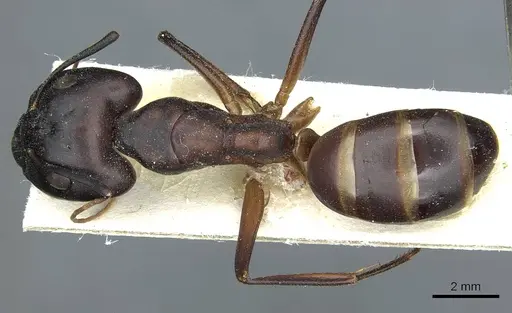
CASENT0913620
Ver no AntWeb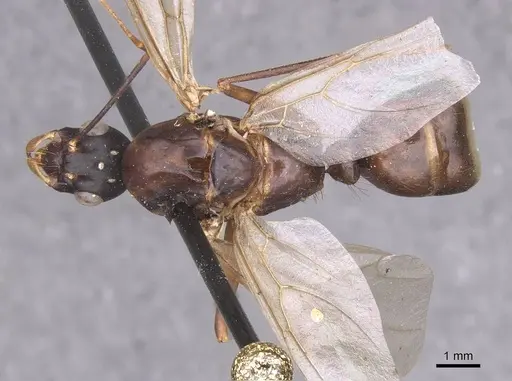
CASENT0913621
Ver no AntWeb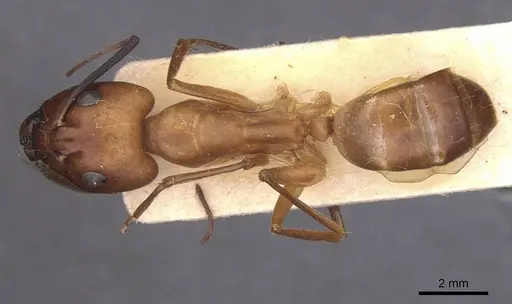
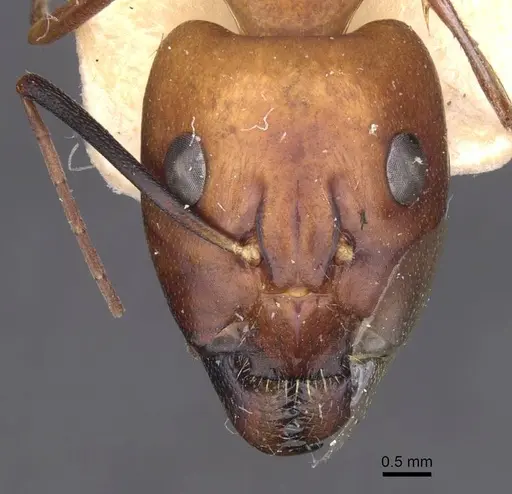
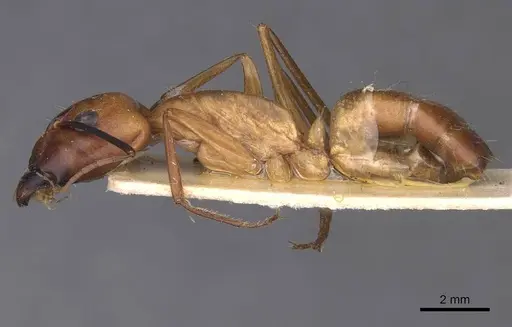
CASENT0913622
Ver no AntWeb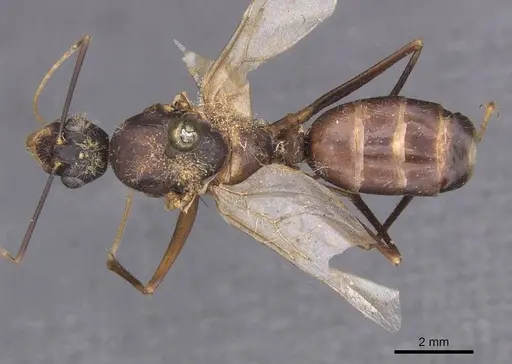
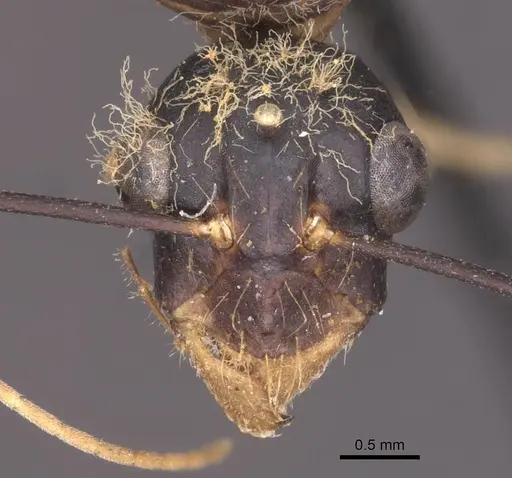
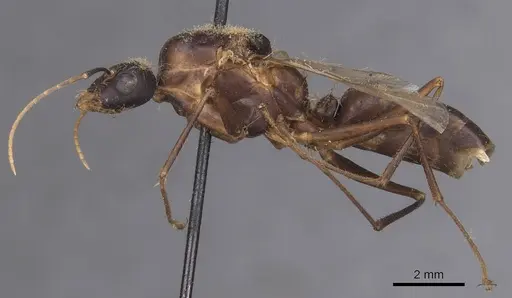
CASENT0913623
Ver no AntWeb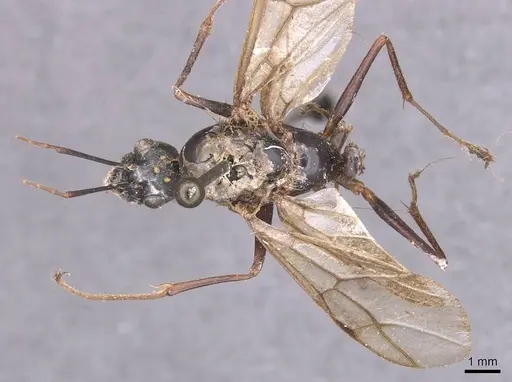
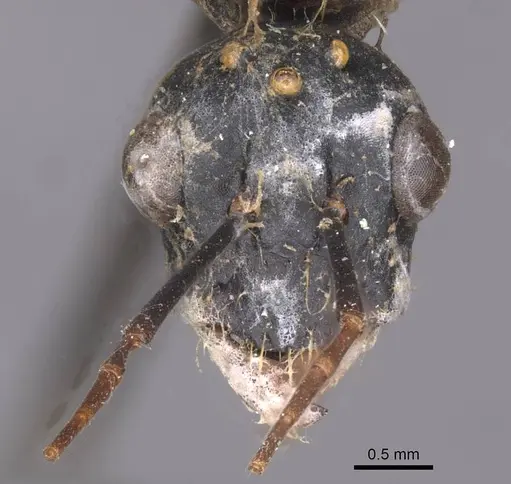
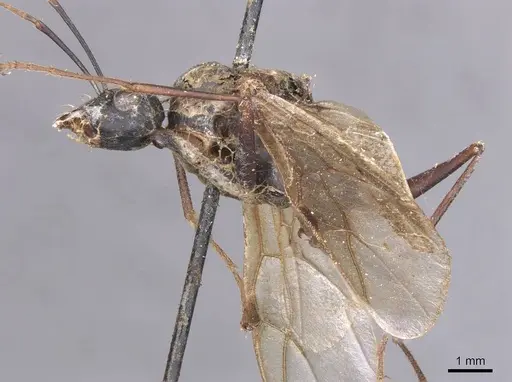
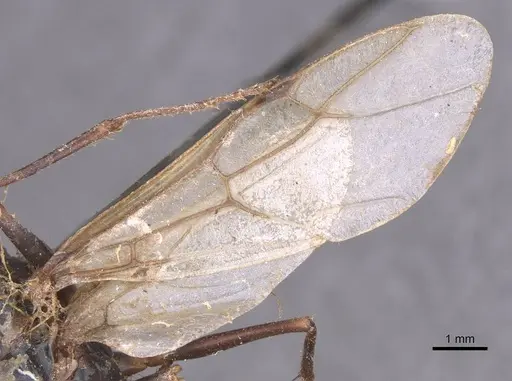
CASENT0913625
Ver no AntWeb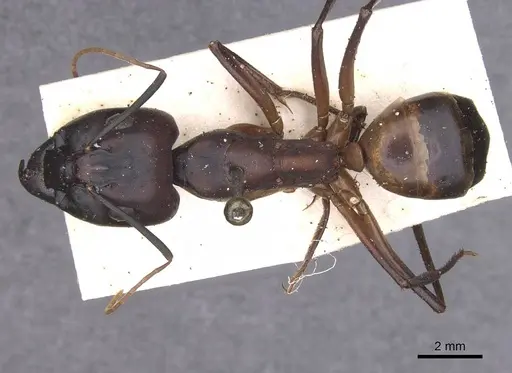
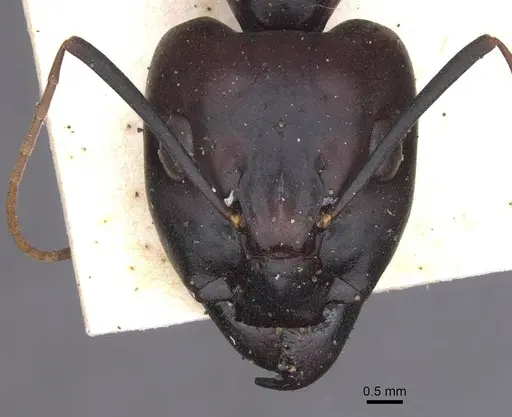
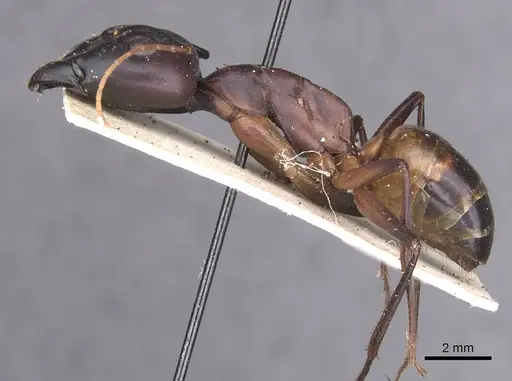
CASENT0913696
Ver no AntWeb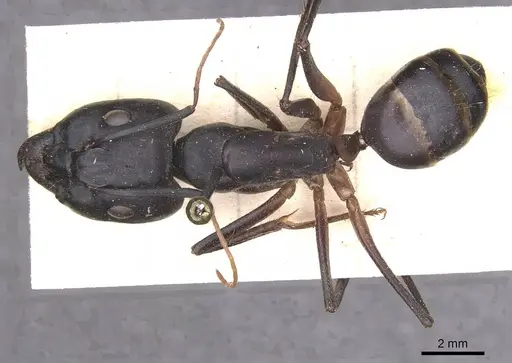
Literatura
Carregando mapa de distribuição...Carregando produtos...