
Camponotus festinus
- Nome científico
- Camponotus festinus
- Subgênero
- Tanaemyrmex
- Tribo
- Camponotini
- Subfamília
- Formicinae
- Autor
- Smith, 1857
- Distribuição
- Encontrada em 4 países
Introdução
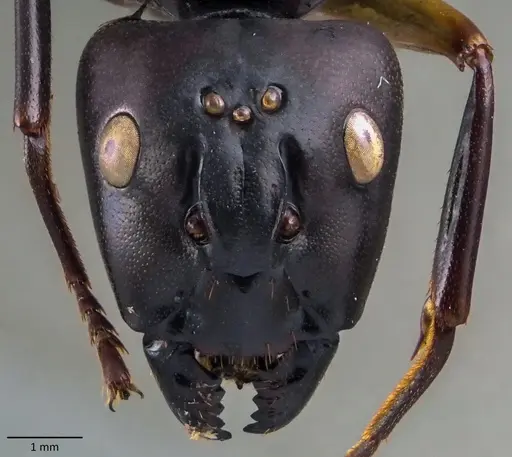
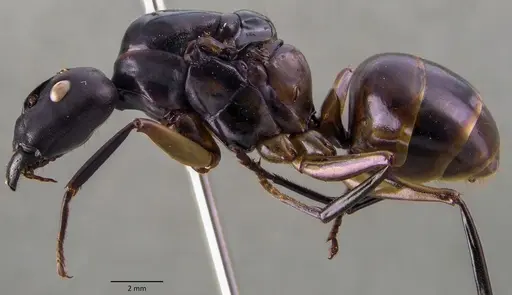
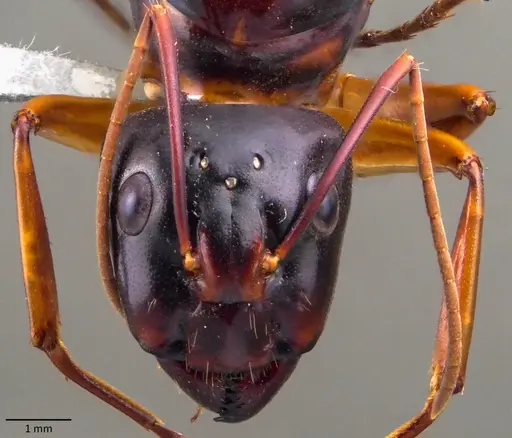
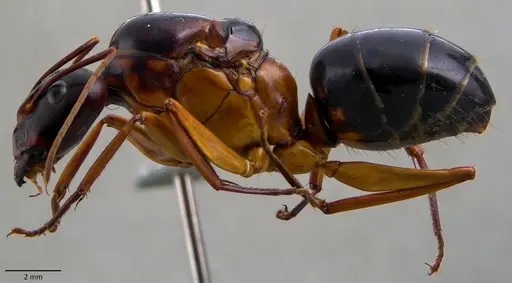
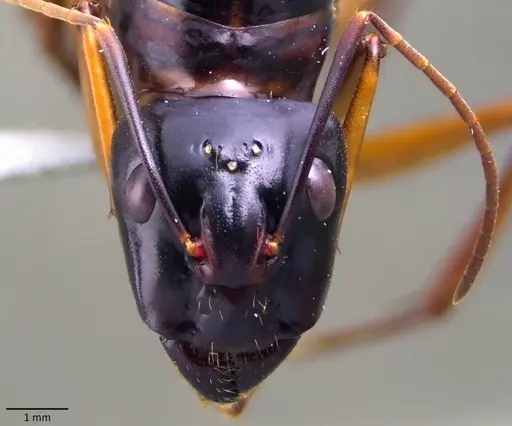
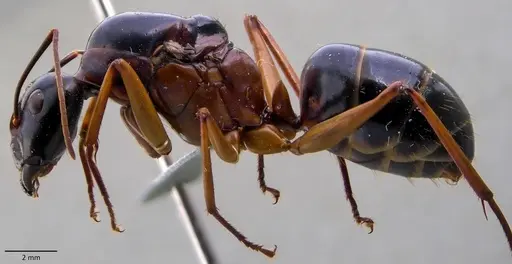
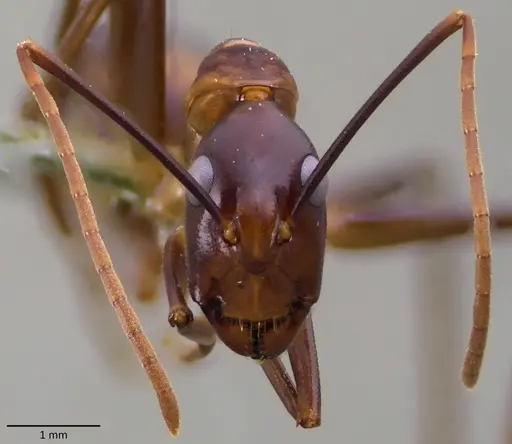
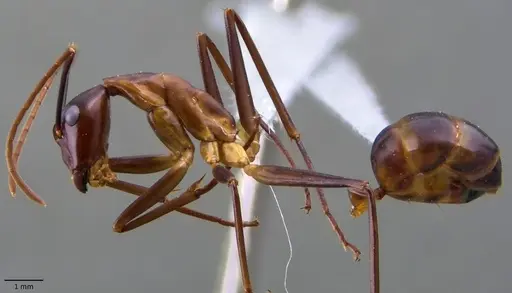
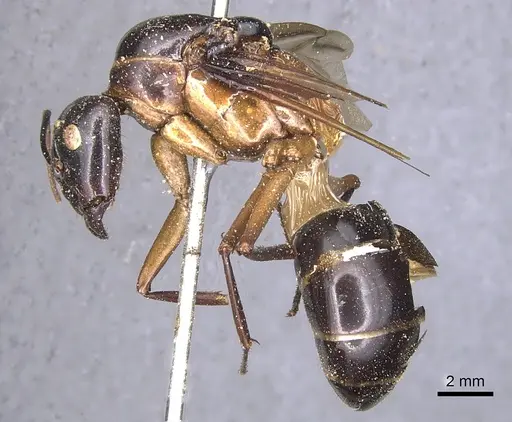
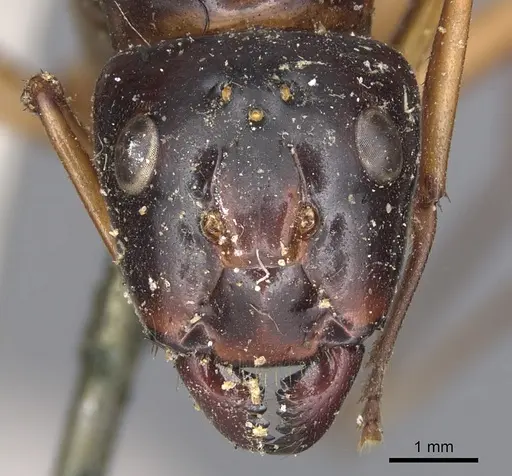
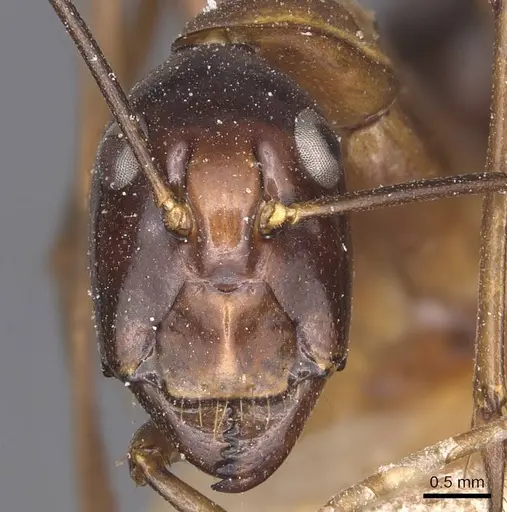
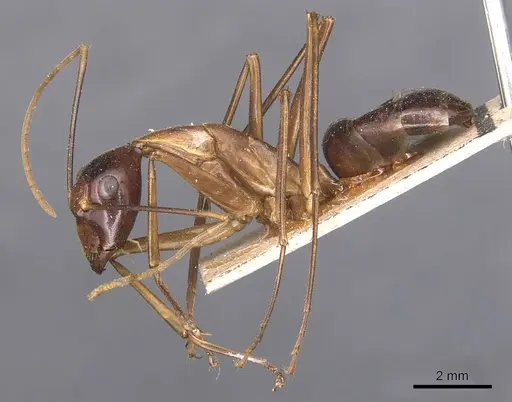
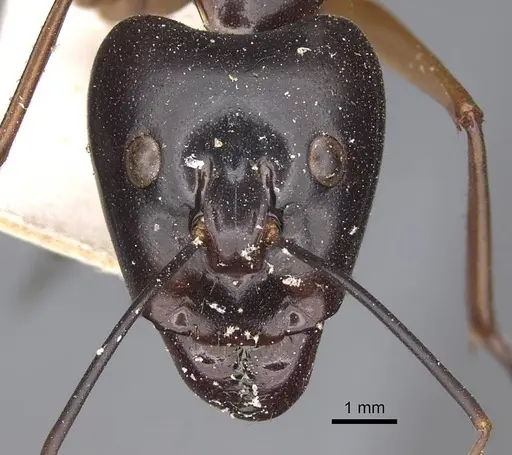
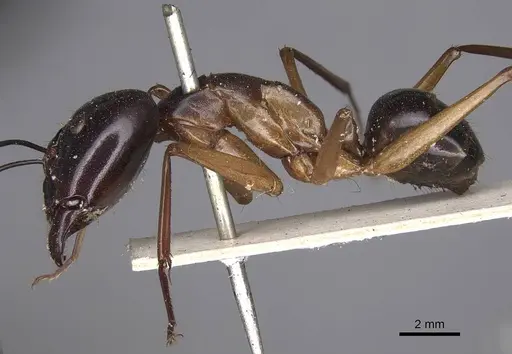
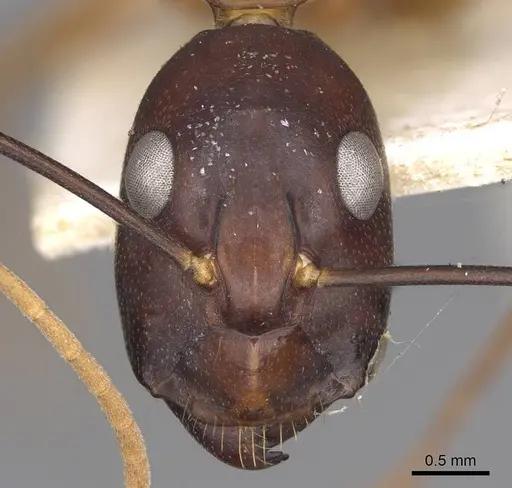
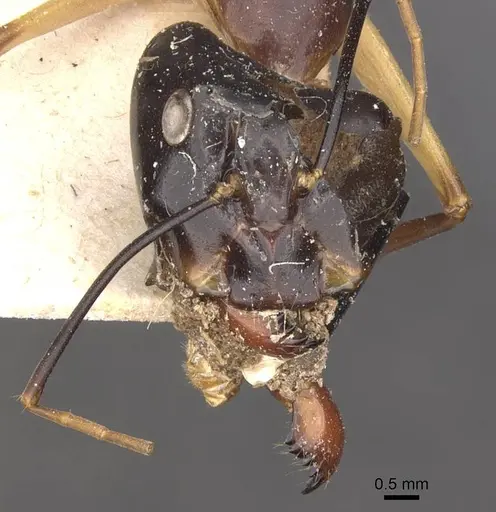
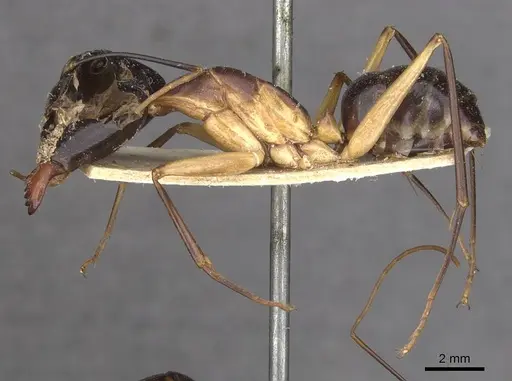
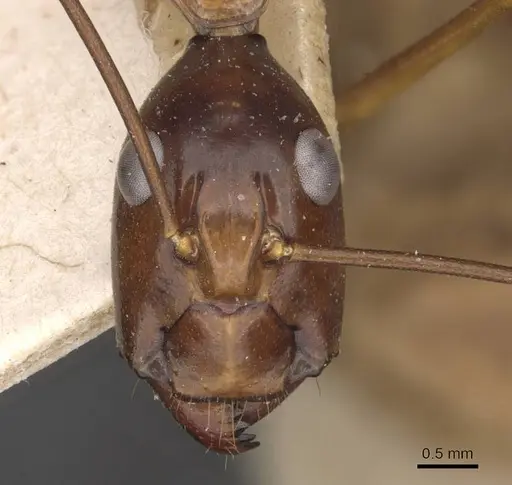
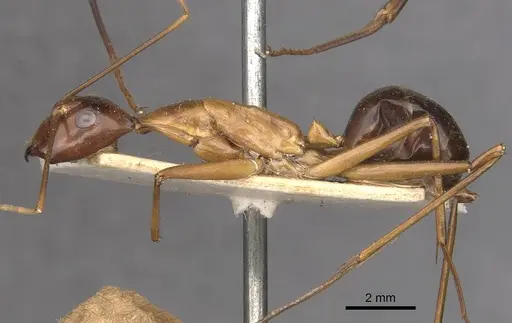
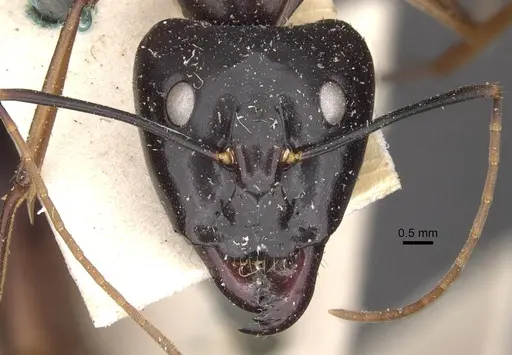
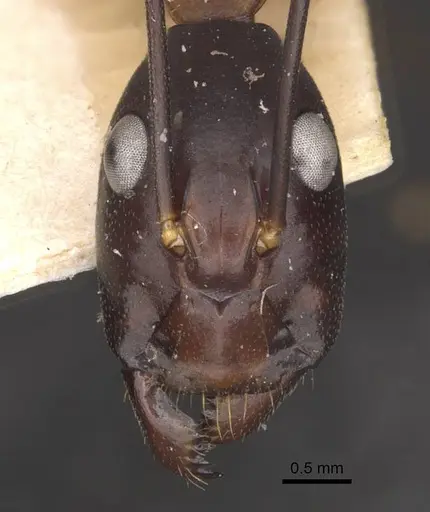
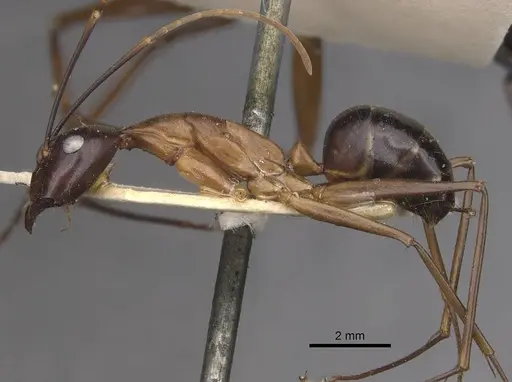
Camponotus festinus is a large, glossy black ant native to the Indomalaya region, including Borneo, India, Indonesia, Malaysia, Myanmar, and southern China . Queens have a total length of approximately 19-21 mm , but worker size data is unavailable. The species is strictly nocturnal, foraging only at night . It typically nests in rotting wood or under bark in tropical rainforest habitats. Camponotus festinus is recorded in both primary and disturbed forests, and has been found in urban areas like Delhi and Haryana in India .
Quick Summary
- Difficulty: Medium
- Origin & Habitat: Tropical rainforest regions of Southeast Asia, including Borneo, Java, Sumatra, Malaysia, Myanmar, and southern China [1][2].
- Colony Type: Likely monogyne (single queen colonies) based on typical Camponotus patterns.
- Size & Growth:
- Antkeeping:
- Temperature: Keep warm, roughly 24-28°C, based on tropical habitat
- Humidity: Keep the nest substrate consistently moist but not waterlogged
- Diapause: No
- Nesting: Y-tong, plaster, or naturalistic setups with rotting wood
- Behavior: Strictly nocturnal [4], not aggressive. They lack a functional sting and spray formic acid for defense.
- Common Issues: nocturnal activity may disappoint keepers expecting daytime activity, they are essentially invisible during daylight hours [4], large queen size means founding colonies need spacious test tubes to prevent drowning, tropical species are sensitive to temperature drops, keep well above room temperature in cooler climates, colonies may grow slowly during the first few months, which can test beginner patience, wild-caught colonies may contain parasites, quarantine new colonies carefully
Housing and Nest Setup
Camponotus festinus does well in Y-tong (AAC) nests, plaster nests, or naturalistic setups with rotting wood pieces. These ants prefer dark, enclosed spaces, so provide chambers large enough for the queen and colony. Since they are nocturnal, place the nest in a dim location to encourage natural activity [4]. Connect the nest to an outworld with tubing for easy observation.
Feeding and Diet
Camponotus festinus is a generalist feeder. Offer sugar sources like honey water or sugar water constantly. For protein, provide insects such as mealworms, crickets, or fruit flies twice weekly. Remove uneaten prey after 24-48 hours to prevent mold.
Temperature and Seasonal Care
Keep the nest warm, roughly 24-28°C, based on their tropical habitat. Use a heating cable on one side to create a gradient. Avoid temperatures below 20°C for extended periods. They do not require hibernation.
Behavior and Observation
This species is strictly nocturnal [4], so workers are active only at night. They are not aggressive and will retreat when disturbed. Their large size makes them easy to observe. Use dim red light for nighttime viewing without disrupting their cycle.
Colony Development
Founding behavior is unconfirmed. If starting with a queen, she may seal herself in a chamber to raise the first brood. The first workers are smaller but begin foraging once emerged. Colony growth is moderate, with steady development under proper conditions.
Frequently Asked Questions
Why is my Camponotus festinus colony never active during the day?
This species is strictly nocturnal, it's not a behavior problem, it's their natural pattern [4]. Workers only forage and move around after dark. Use dim red light if you want to observe them without disrupting their natural cycle.
How long does it take for Camponotus festinus to produce first workers?
Expect 8-12 weeks from egg to first worker at optimal temperature (24-28°C). This is estimated based on typical Camponotus development patterns.
What temperature do Camponotus festinus ants need?
Keep them at roughly 24-28°C, based on their tropical habitat. Use a heating cable to maintain warmth.
Are Camponotus festinus good for beginners?
They are intermediate in difficulty. They are forgiving of minor humidity fluctuations and not aggressive, but their nocturnal habits and need for consistent warmth require attention.
What do Camponotus festinus ants eat?
They are generalist feeders. Offer sugar water or honey regularly, and protein like insects twice weekly.
How big do Camponotus festinus colonies get?
Colony size is not well documented, but they likely reach up to several hundred workers over time.
Can I keep multiple Camponotus festinus queens together?
This species is likely monogyne (single queen colonies). Combining unrelated queens is not recommended and has not been documented.
When should I move Camponotus festinus to a formicarium?
Wait until the colony has a good worker population, such as 20-30 workers. They do well in test tube setups initially.
Do Camponotus festinus need hibernation?
No, as a tropical species, they do not require hibernation. Keep temperatures consistent year-round.
Report an Issue
The current care sheet is based fully on literature. See inconsistencies, or something that's incorrect? Please , it will be resolved after review from an admin. Contributing to the blogs tab also helps providing information, to make us be able to further improve the caresheets. Thank you for your support!
References

Este guia de cuidados está sob a licença CC BY-SA 4.0 .
Posts da comunidade
ANTWEB1060105
Ver no AntWeb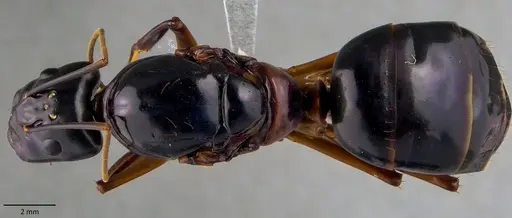
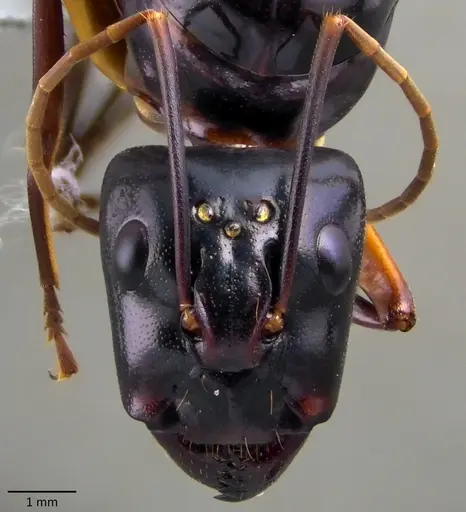
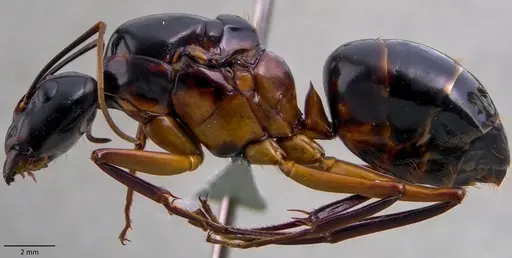
ANTWEB1060106
Ver no AntWeb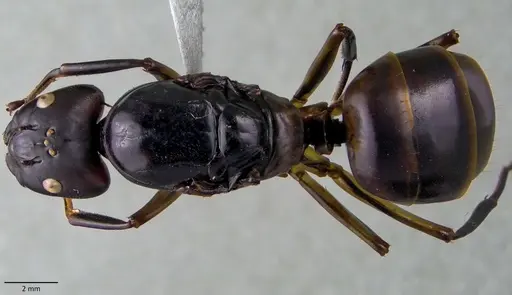
ANTWEB1060107
Ver no AntWeb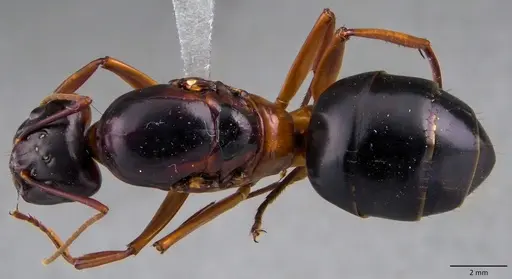
ANTWEB1060108
Ver no AntWeb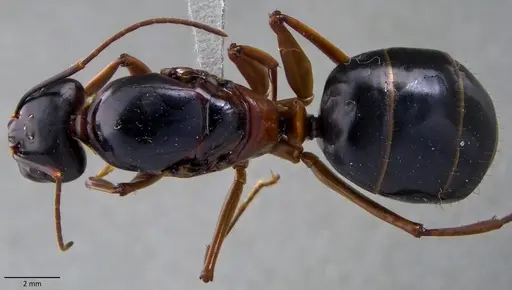
ANTWEB1060109
Ver no AntWeb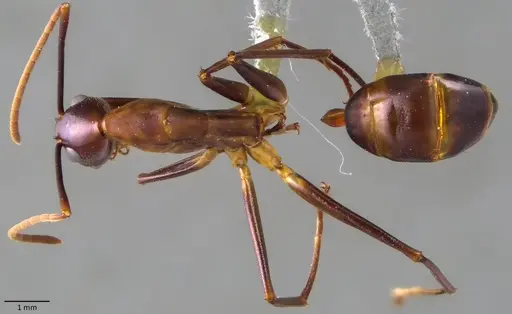
CASENT0882200
Ver no AntWeb
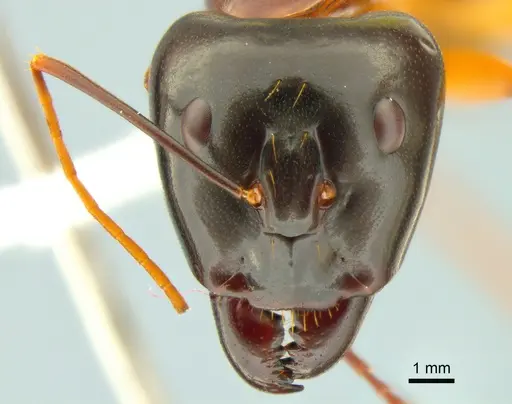
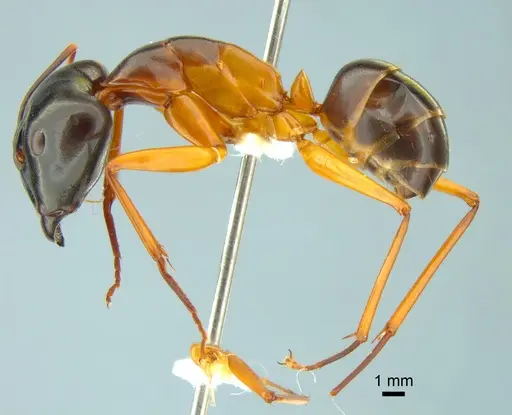
CASENT0901893
Ver no AntWeb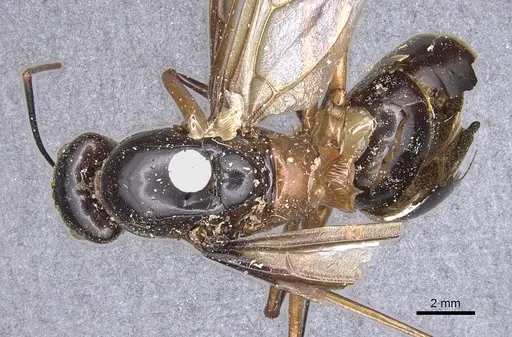
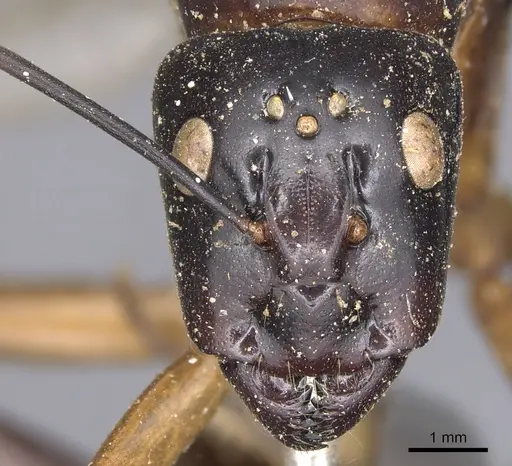
CASENT0901898
Ver no AntWeb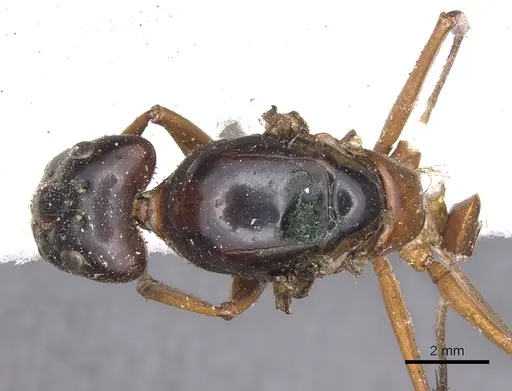
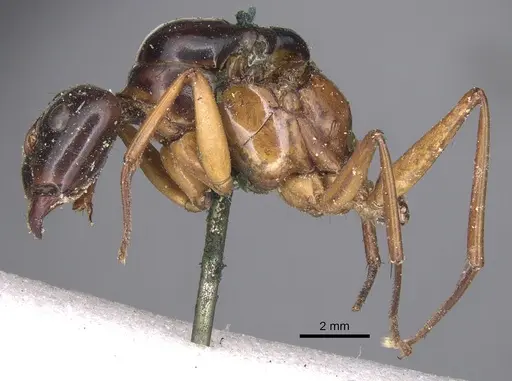
CASENT0905342
Ver no AntWeb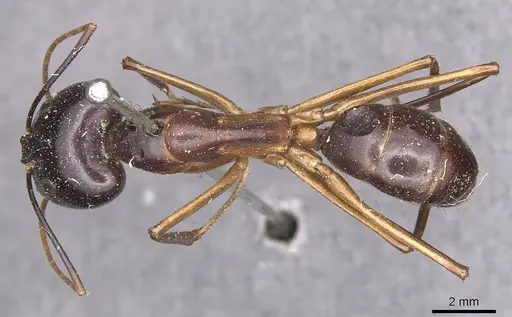
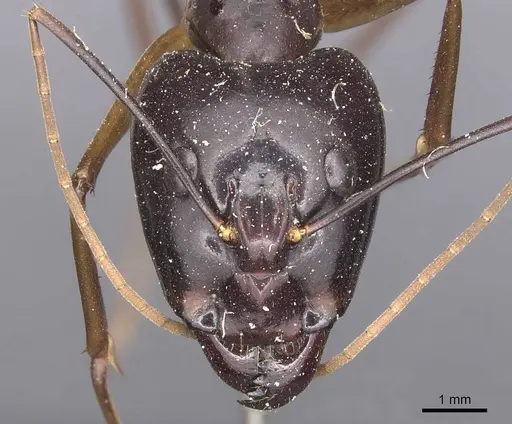
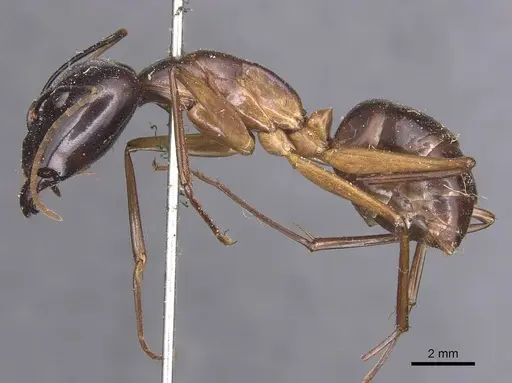
CASENT0905343
Ver no AntWeb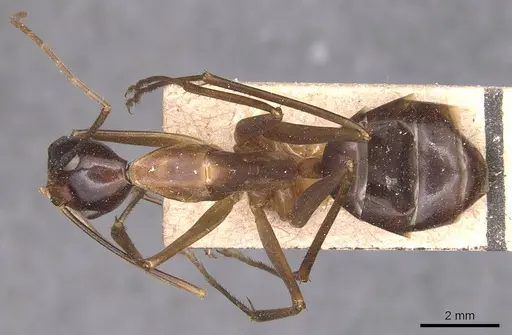
CASENT0906948
Ver no AntWeb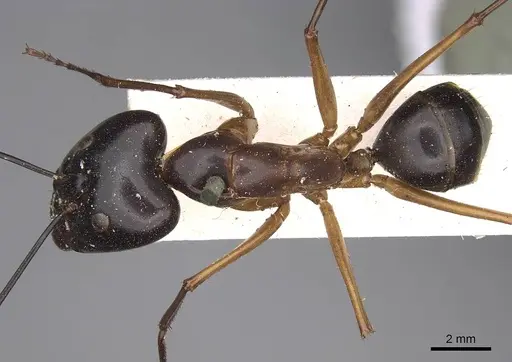
CASENT0906949
Ver no AntWeb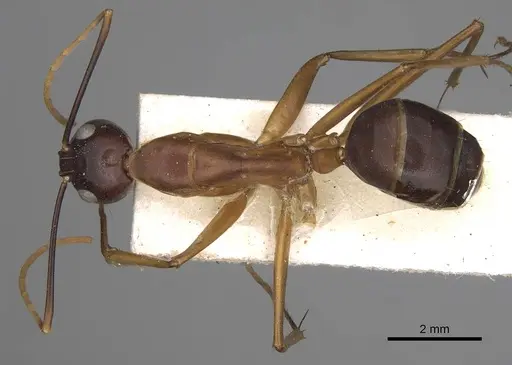
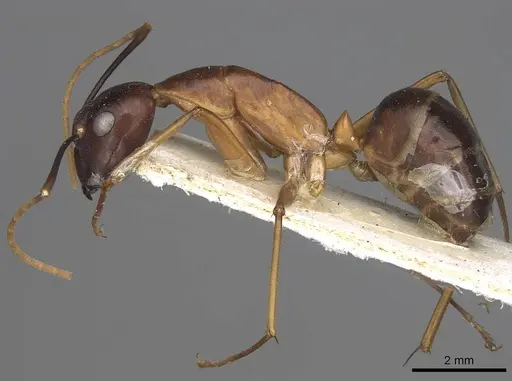
CASENT0910091
Ver no AntWeb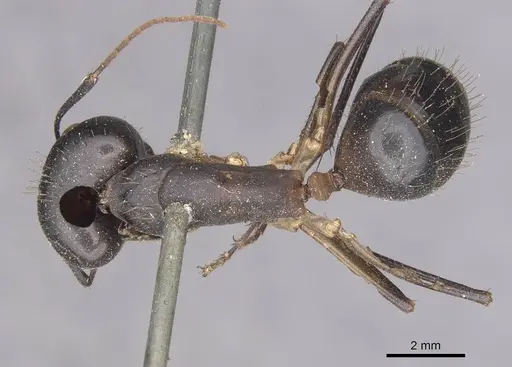
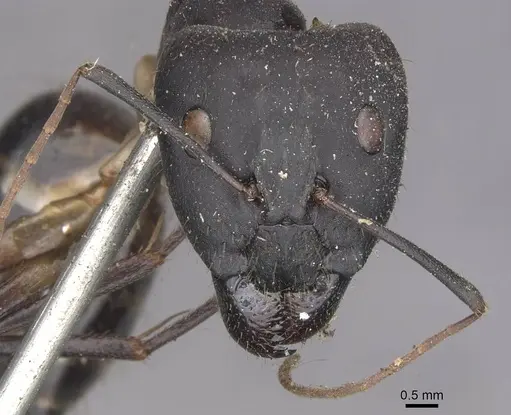
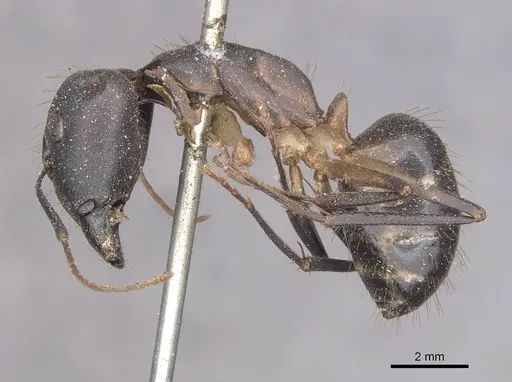
CASENT0910092
Ver no AntWeb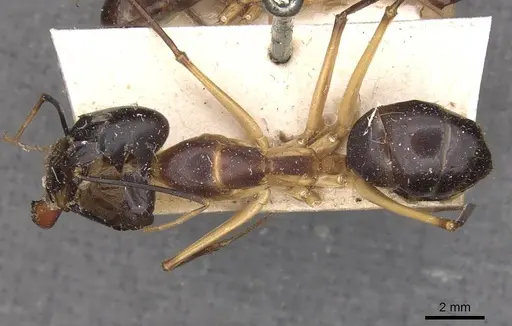
CASENT0910093
Ver no AntWeb
CASENT0910094
Ver no AntWeb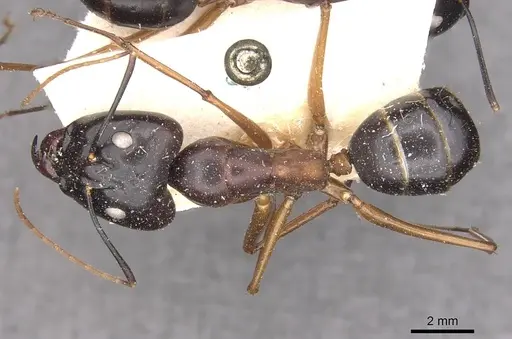
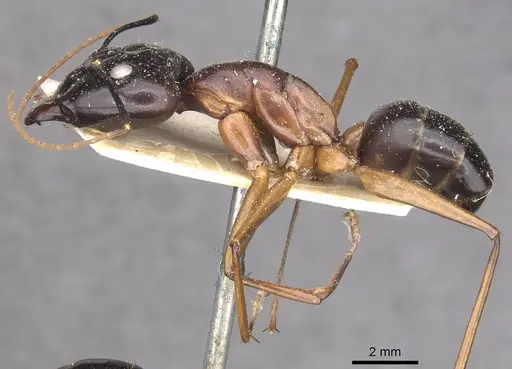
CASENT0910095
Ver no AntWeb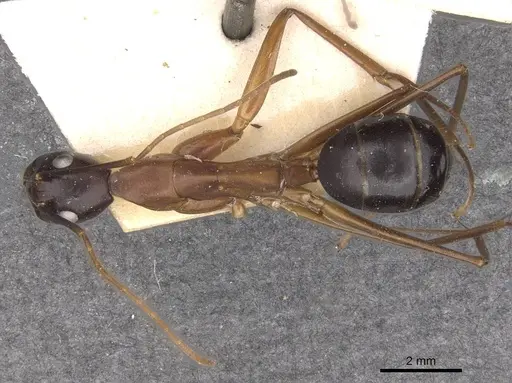
Literatura
Carregando mapa de distribuição...Carregando produtos...