
Camponotus feae
- Nome científico
- Camponotus feae
- Subgênero
- Myrmosericus
- Tribo
- Camponotini
- Subfamília
- Formicinae
- Autor
- Emery, 1882
- Distribuição
- Encontrada em 1 países
Introdução
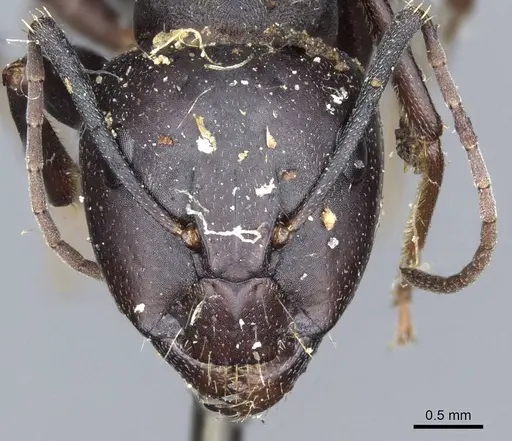
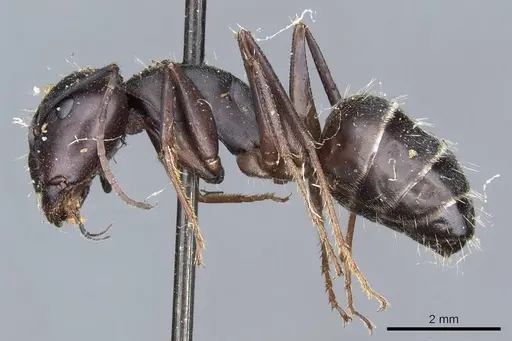
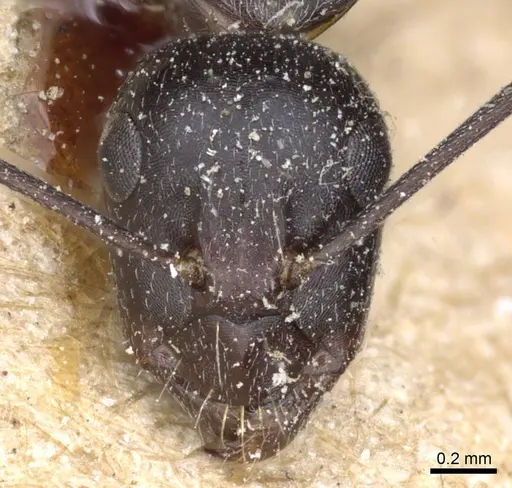
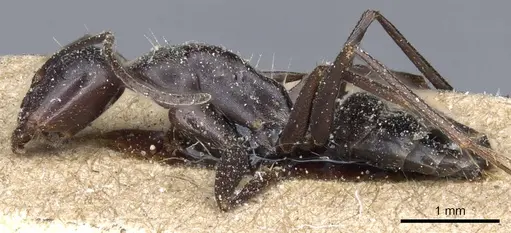
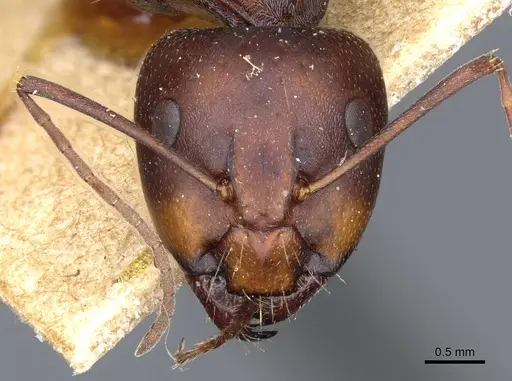
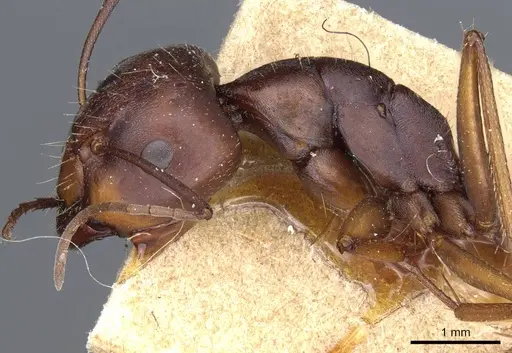
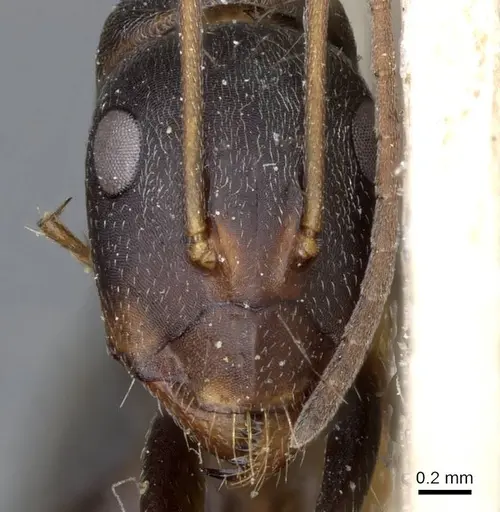
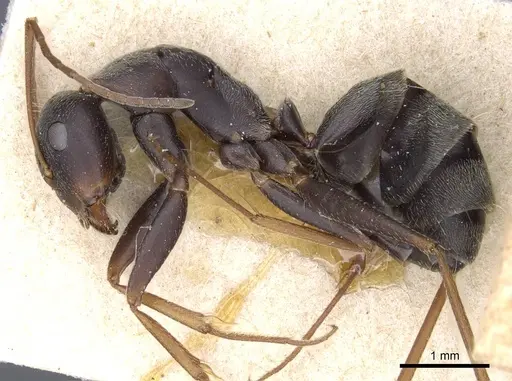
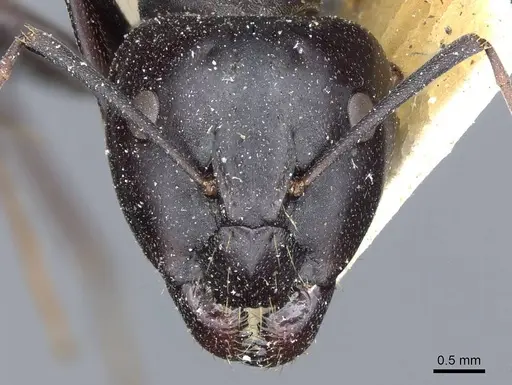
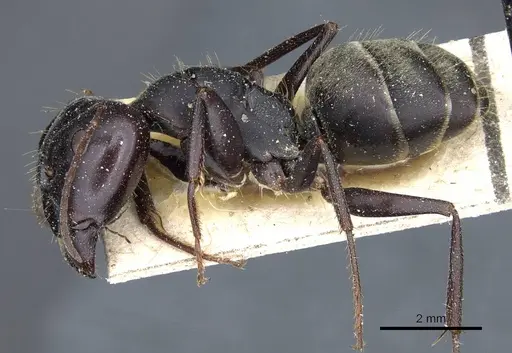
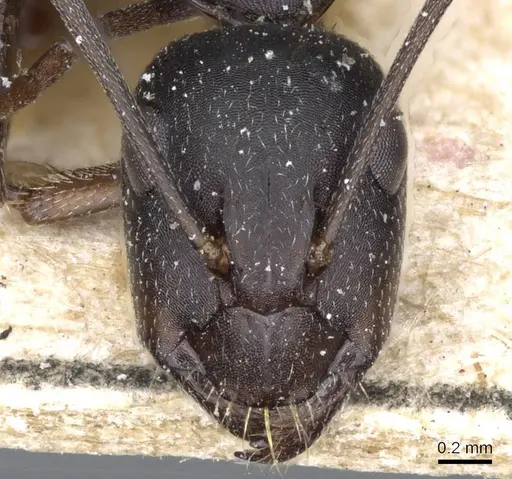
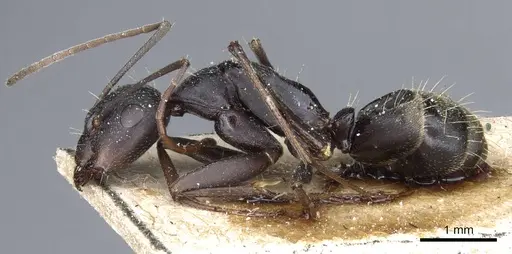
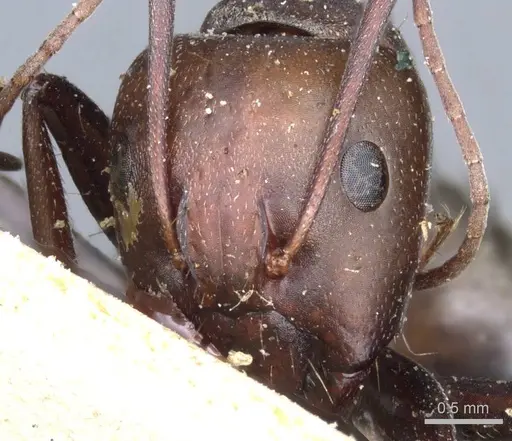
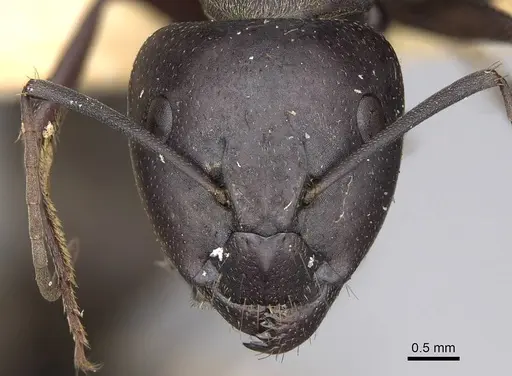
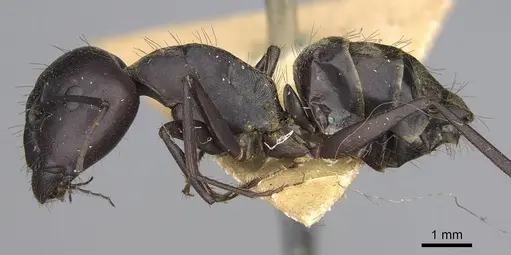
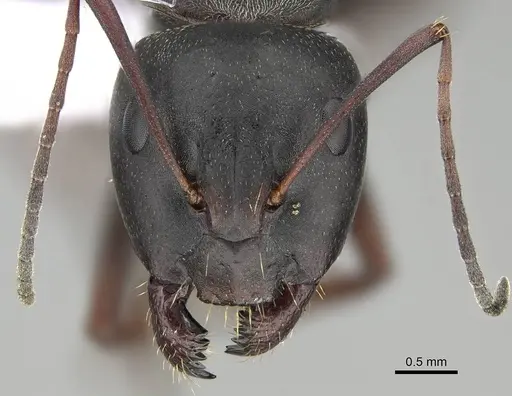
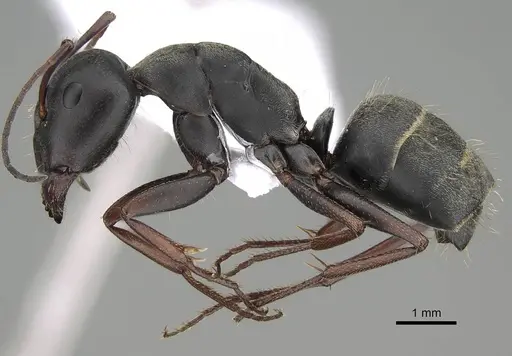
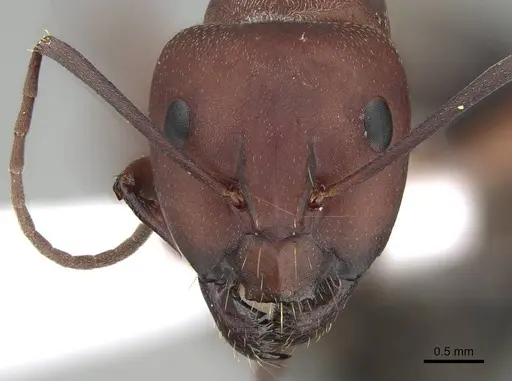
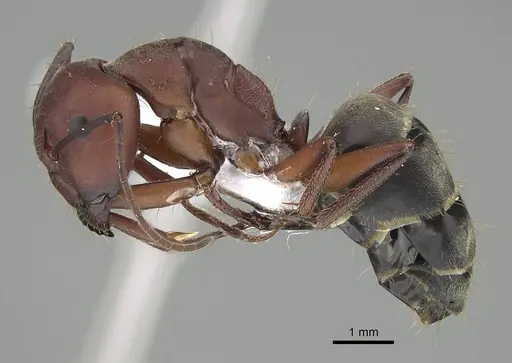
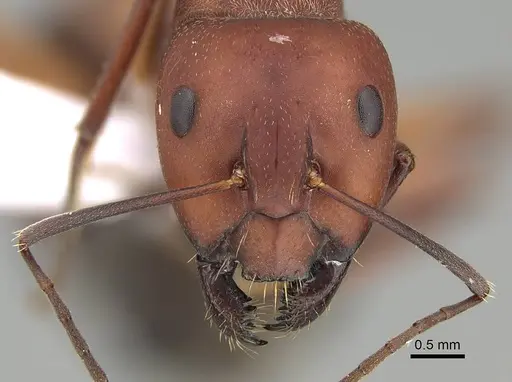
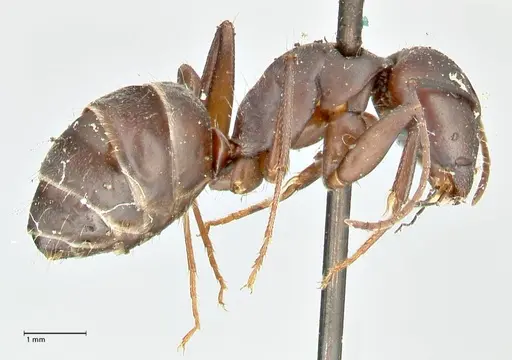
Camponotus feae is a carpenter ant species endemic to the Canary Islands, where it is found from sea level up to about 1000m elevation, primarily on southern dry slopes and volcanic areas . Workers are polymorphic, with minor workers being smaller while majors have larger heads for defense and food processing. The species shows remarkable color variation depending on the island population: some populations on El Hierro are uniformly black, while populations on other islands display a range from pure black to brilliant red on the head and thorax [AntWiki]. This color variation makes them particularly attractive to antkeepers.
Quick Summary
- Difficulty: Medium
- Origin & Habitat: Canary Islands, endemic species found across the archipelago from coastline to volcanic areas at elevations up to 1000m. They inhabit dry, southern-facing slopes with hot, arid conditions [1][2].
- Colony Type: Colony structure is unconfirmed. Based on typical Camponotus patterns, likely single-queen (monogyne) colonies.
- Size & Growth:
- Queen: Size data unavailable, no specific measurements exist for this species. Inferred from Camponotus genus patterns as a medium-to-large carpenter ant.
- Worker: Size data unavailable, no specific measurements exist for this species. Inferred from Camponotus genus patterns as polymorphic workers.
- Colony: Maximum colony size is unconfirmed. Based on Camponotus genus patterns, likely reaches several thousand workers at maturity.
- Growth: Growth rate is unconfirmed.
- Development: Development time is unconfirmed for this species. (Development likely depends on temperature, as with most ants.)
- Antkeeping:
- Temperature: Keep at 24-28°C with a slight gradient. Canary Islands are warm, so they tolerate higher temperatures well. A heating cable on one side of the nest creates the temperature variation they naturally experience.
- Humidity: Low to moderate, these are dry habitat ants from arid Canary Islands slopes. Keep nest substrate relatively dry. Avoid damp conditions that can cause mold. Provide a water test tube in the outworld for drinking.
- Diapause: Diapause requirements are unconfirmed for this species. Based on Canary Islands climate (mild winters at low elevations), a light winter rest period of 6-8 weeks at 15-20°C may be beneficial, but this is estimated.
- Nesting: Use a Y-tong (AAC) or plaster nest. These ants prefer dry conditions and will do well in nests that don't retain excess moisture. Provide a small outworld for foraging.
- Behavior: Generally calm and non-aggressive for a Camponotus species. Workers are active foragers that search for sugar sources and protein. Major workers defend the nest and help process larger food items. Escape risk is moderate, use standard Camponotus escape prevention (fluon on container edges). As a Formicinae species, they can bite and spray formic acid, though they rarely use these defenses against keepers.
- Common Issues: dry conditions are essential, too much humidity causes mold and colony decline, colonies may grow slowly, patience is needed during founding, test tube setups work well for founding but transfer to a proper nest once colony reaches 20+ workers, specific humidity and temperature requirements are not well-documented in research, monitor your colony and adjust accordingly
Housing and Nest Setup
Camponotus feae does well in Y-tong (acrylic aerated concrete) nests or plaster nests that maintain dry conditions. These are dry habitat ants, they prefer their nest chambers relatively dry. A small water test tube should be provided in the outworld for drinking water, but the nest itself should stay dry. For founding colonies, a standard test tube setup works well. Once the colony reaches 20-30 workers, you can move them to a more permanent nest. The outworld should be simple with a foraging area and space for food debris cleanup. [1]
Feeding and Diet
Like other Camponotus species, these ants are omnivorous. They readily accept sugar sources, honey water, sugar water, or pure honey should be available at all times. For protein, offer insects like fruit flies, small crickets, mealworms, or other appropriately sized prey. Feed protein 2-3 times per week, and keep sugar constantly available. Major workers will help process larger prey items. Remove uneaten prey after 24-48 hours to prevent mold.
Temperature and Seasonal Care
These Canary Islands natives prefer warm conditions. Keep the nest at 24-28°C during the active season. They can tolerate higher temperatures than many temperate species, making them forgiving of minor heating mistakes. During winter, a light diapause period may be beneficial given their subtropical island origin, though specific requirements are unconfirmed. Place the colony in a cool basement or garage for a 6-8 week rest at 15-20°C.
Colony Development
Founding queens are likely claustral, they seal themselves in a chamber and raise their first workers (called nanitics) entirely on stored body fat. This means you do not need to feed the founding queen. First workers are smaller than mature workers but will grow with subsequent broods. Growth rate is unconfirmed, expect the colony to take time to establish. Mature colonies can contain several thousand workers and will produce winged reproductives (alates) annually.
Behavior and Temperament
Camponotus feae is a relatively calm species that is enjoyable to watch. Workers are active foragers that will readily explore the outworld in search of food. Major workers (soldiers) have larger heads and can help defend the colony and process larger prey items. They are not particularly aggressive. They communicate through chemical trails and will quickly discover and exploit food sources. As Formicinae, they lack a functional sting but can bite and spray formic acid from their acidopore as a defense mechanism.
Frequently Asked Questions
How long does it take for Camponotus feae to produce first workers?
Development time is unconfirmed for this species. Based on typical Camponotus patterns, first workers may appear in 6-10 weeks after the queen lays eggs, depending on temperature.
Do Camponotus feae ants need hibernation?
Diapause requirements are unconfirmed. Based on the mild Canary Islands climate, a light winter rest period of 6-8 weeks at 15-20°C may be beneficial but is not strictly required.
What do Camponotus feae ants eat?
They are omnivorous. Keep sugar sources available at all times (honey water, sugar water, or pure honey). Offer protein insects like fruit flies, small crickets, or mealworms 2-3 times per week.
Are Camponotus feae good for beginners?
They are moderately difficult, easier than some exotic tropical species but requiring more attention to temperature and seasonal care than common temperate species. Their dry habitat requirements make them suitable for keepers who have some experience with basic ant care.
How big do Camponotus feae colonies get?
Maximum colony size is unconfirmed. Based on Camponotus genus patterns, mature colonies likely reach several thousand workers.
What humidity level do Camponotus feae need?
Keep humidity low to moderate. These are dry habitat ants from the Canary Islands. The nest should be relatively dry, avoid the damp conditions that work well for tropical species. A small water tube in the outworld provides drinking water.
When should I move my Camponotus feae colony to a formicarium?
You can keep them in a test tube setup for the founding stage. Once the colony reaches 20-30 workers and you notice the test tube becoming crowded or dirty, transfer them to a Y-tong or plaster nest.
Why is my Camponotus feae colony declining?
Common causes include: too much humidity (causes mold), poor nutrition, or temperatures outside their preferred range. Check that the nest is dry, sugar is always available, protein is offered regularly, and conditions match their dry Canary Islands habitat.
Can I keep multiple Camponotus feae queens together?
Colony structure is unconfirmed for this species. Based on typical Camponotus patterns, they are likely single-queen (monogyne). Combining unrelated queens is not recommended as they will likely fight. Only one queen per colony.
Report an Issue
The current care sheet is based fully on literature. See inconsistencies, or something that's incorrect? Please , it will be resolved after review from an admin. Contributing to the blogs tab also helps providing information, to make us be able to further improve the caresheets. Thank you for your support!
References

Este guia de cuidados está sob a licença CC BY-SA 4.0 .
Posts da comunidade
CASENT0905353
Ver no AntWeb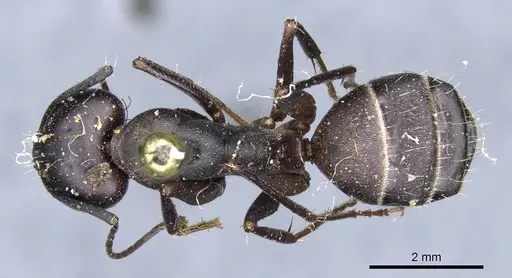
CASENT0905354
Ver no AntWeb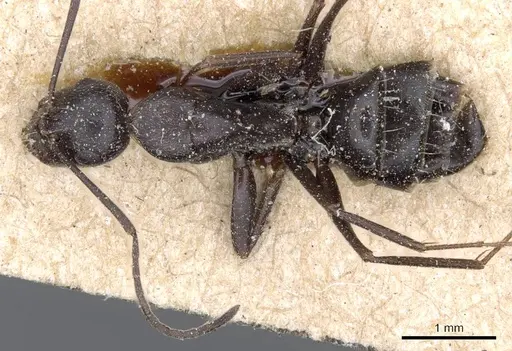
CASENT0905355
Ver no AntWeb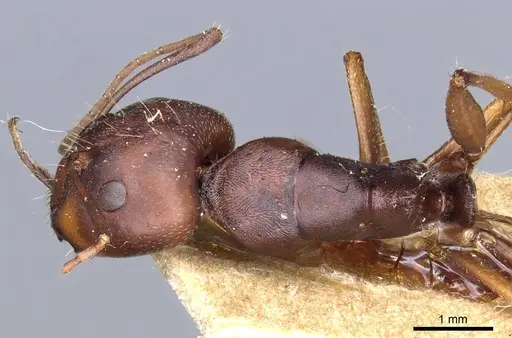
CASENT0905356
Ver no AntWeb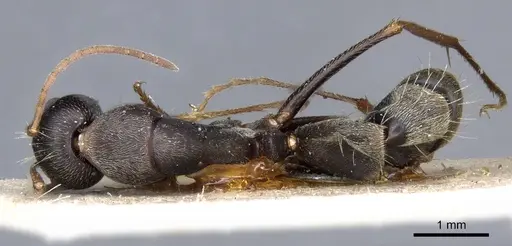
CASENT0905357
Ver no AntWeb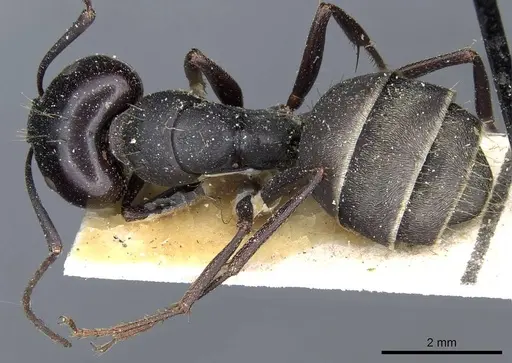
CASENT0905358
Ver no AntWeb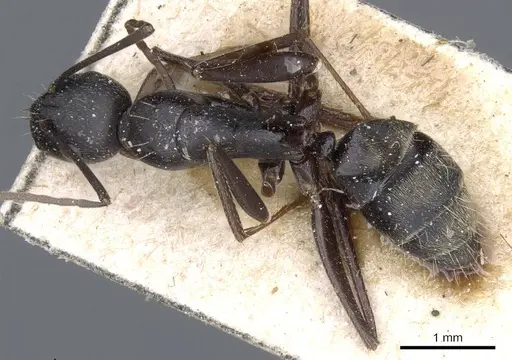
CASENT0905359
Ver no AntWeb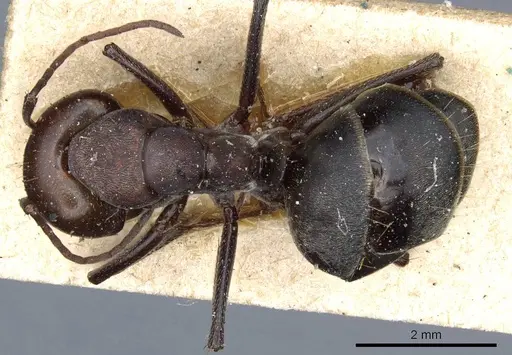
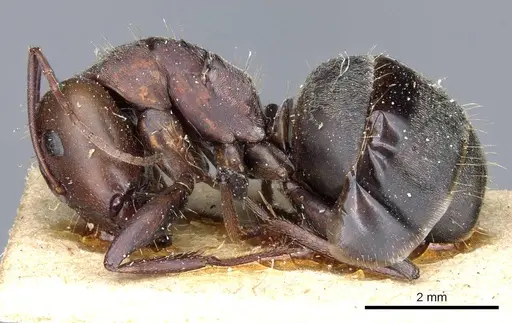
CASENT0905360
Ver no AntWeb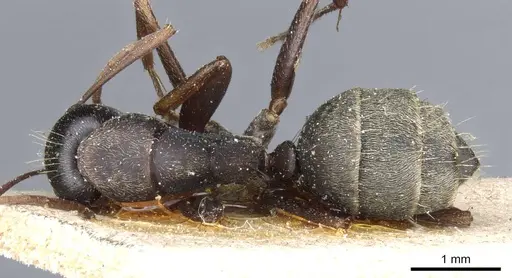
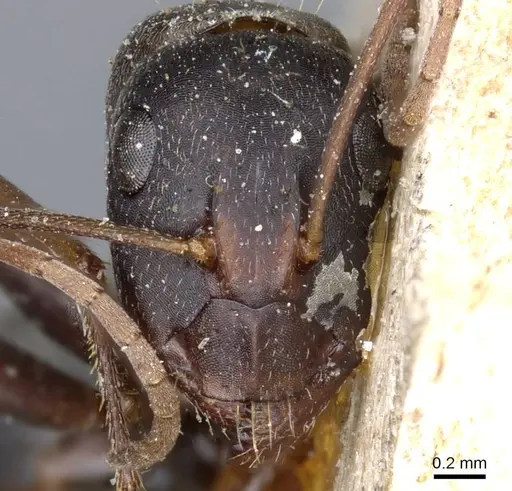
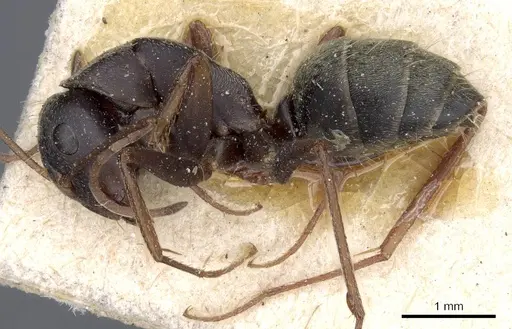
CASENT0906956
Ver no AntWeb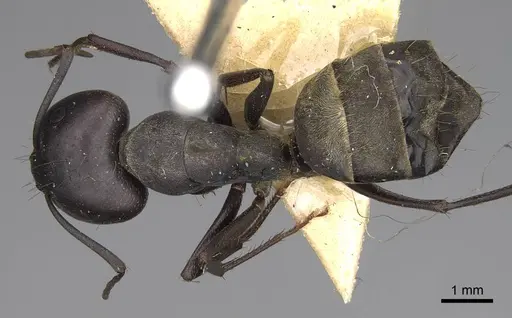
CASENT0906957
Ver no AntWeb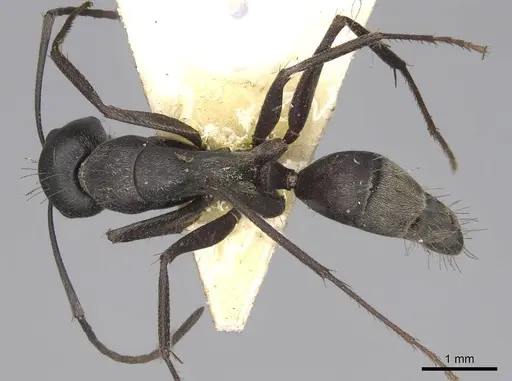
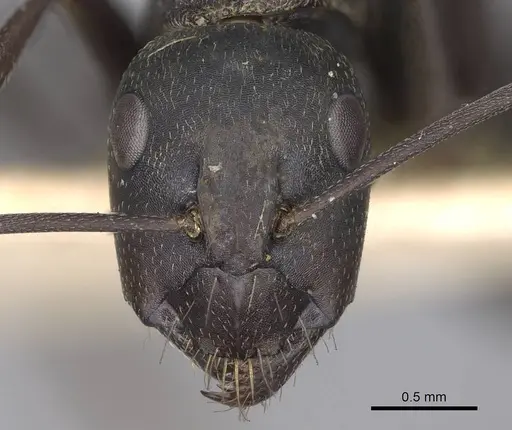
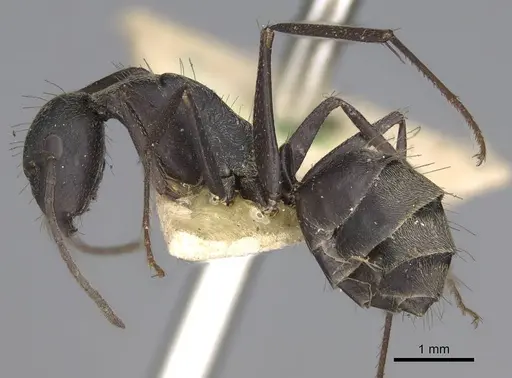
CASENT0914818
Ver no AntWeb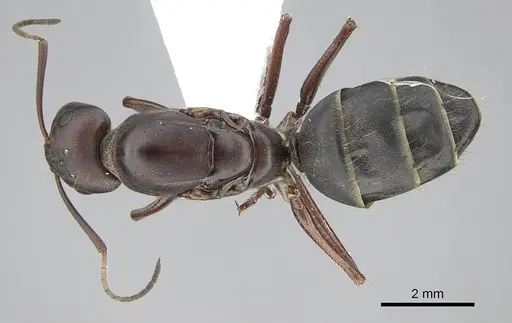
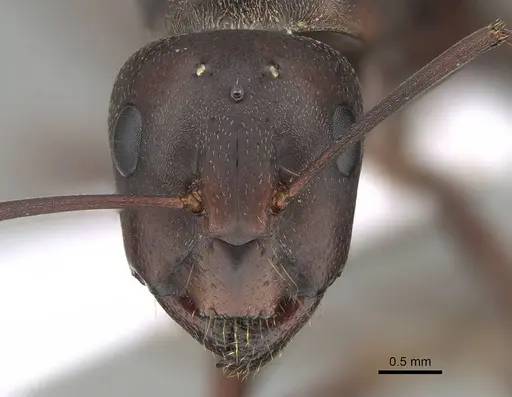
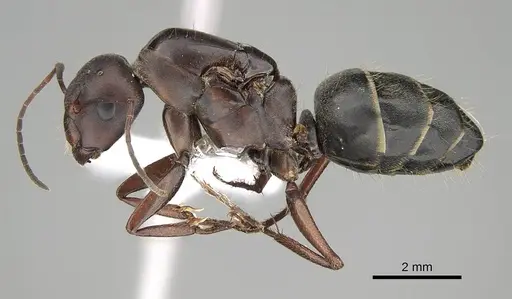
CASENT0914819
Ver no AntWeb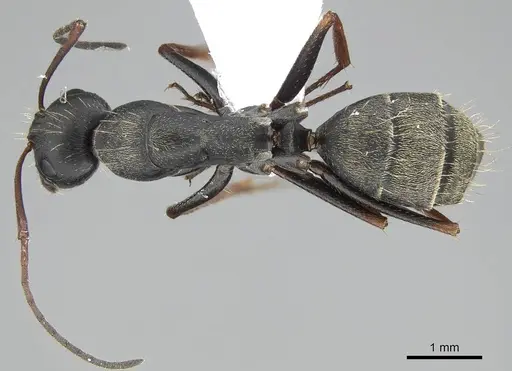
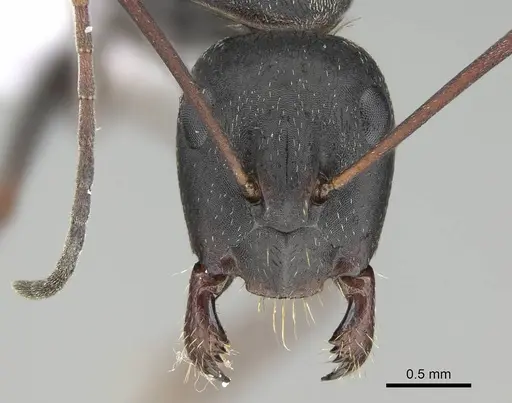
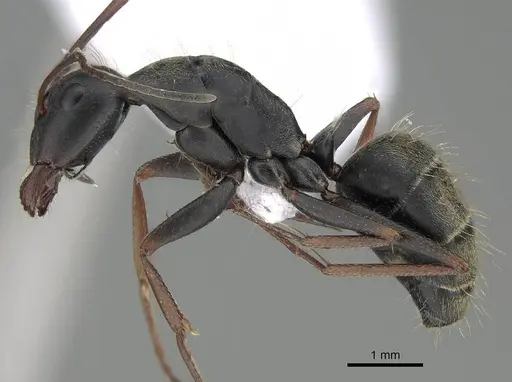
CASENT0914820
Ver no AntWeb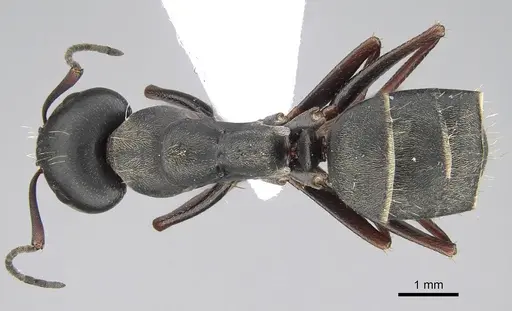
CASENT0914821
Ver no AntWeb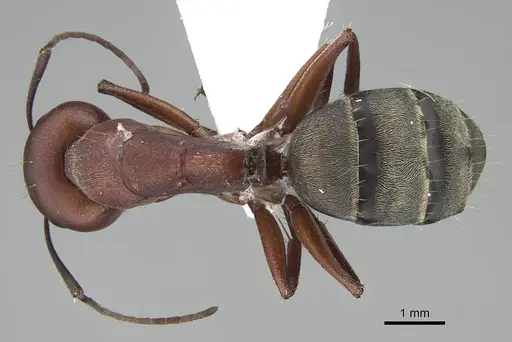
CASENT0914822
Ver no AntWeb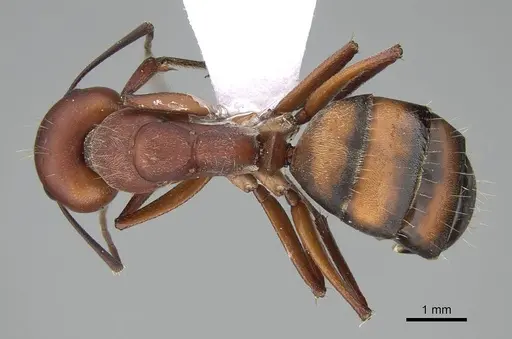
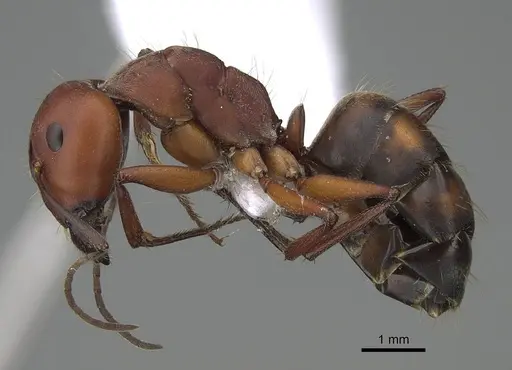
FOCOL2481
Ver no AntWeb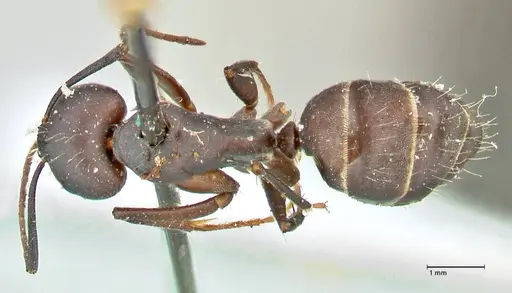
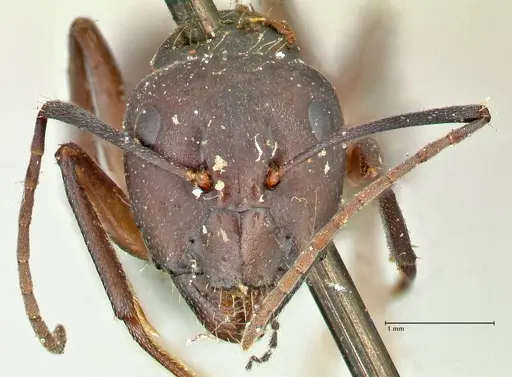
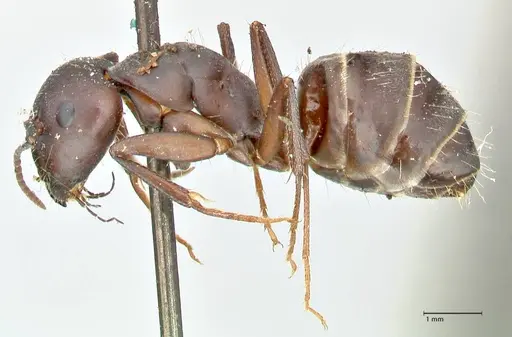
Literatura
Carregando mapa de distribuição...Carregando produtos...