
Darwin's Sugar Ant
Camponotus darwinii
- Nome científico
- Camponotus darwinii
- Subgênero
- Mayria
- Tribo
- Camponotini
- Subfamília
- Formicinae
- Autor
- Forel, 1886
- Nome comum
- Darwin's Sugar Ant
- Distribuição
- Encontrada em 1 países
Introdução
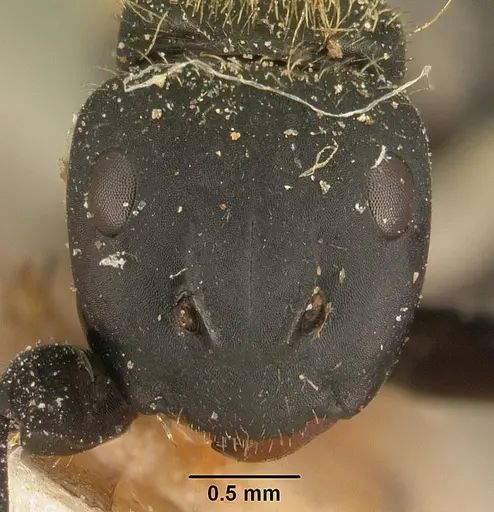
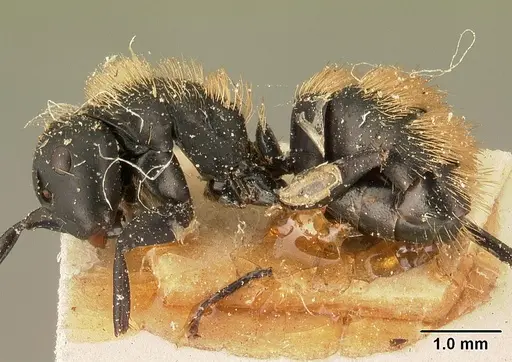
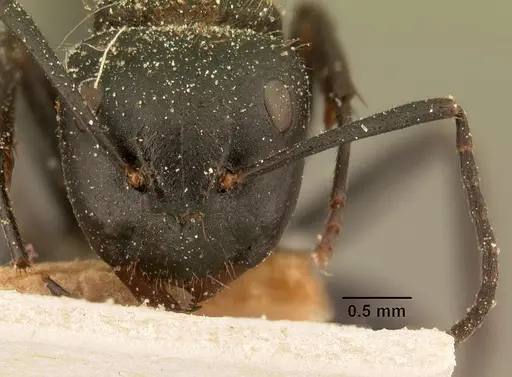
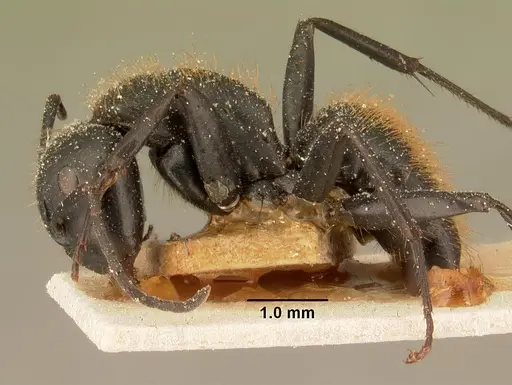
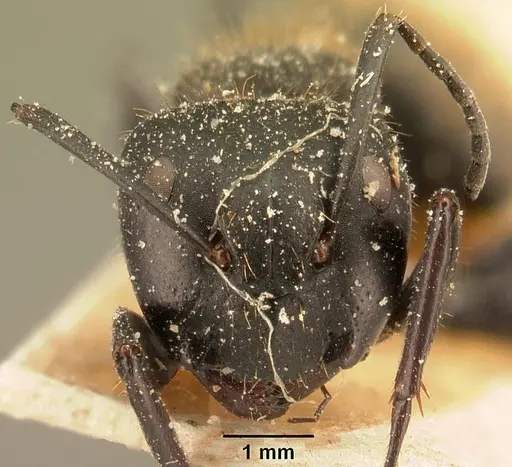
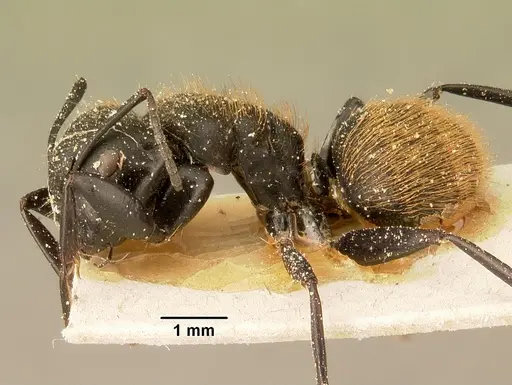
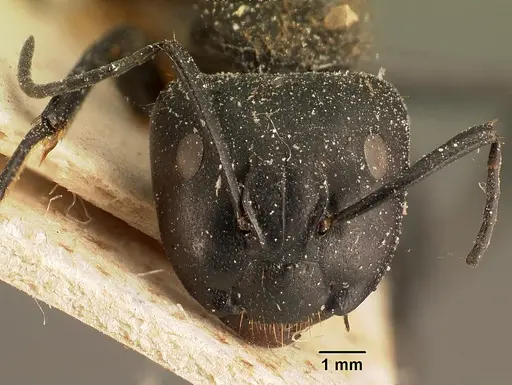
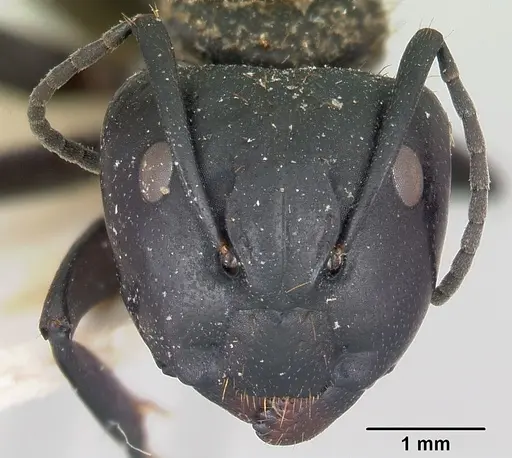
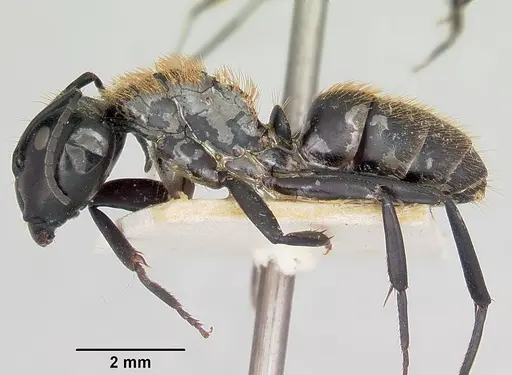
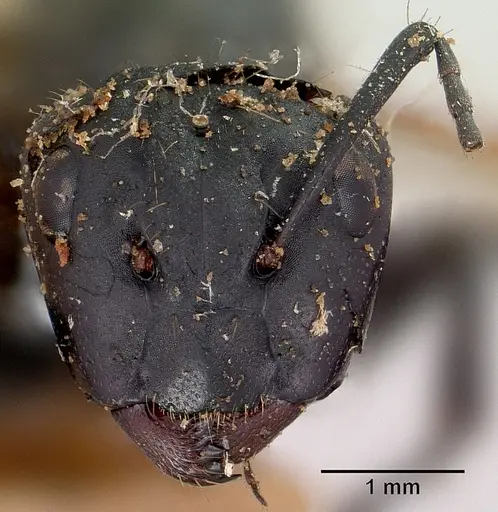
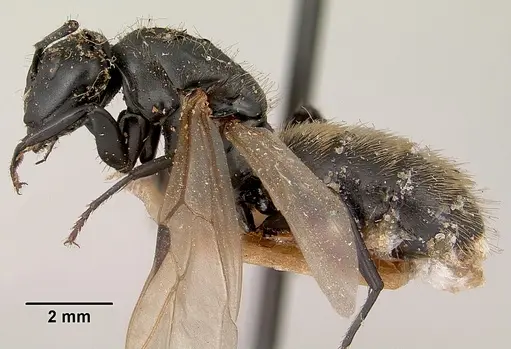
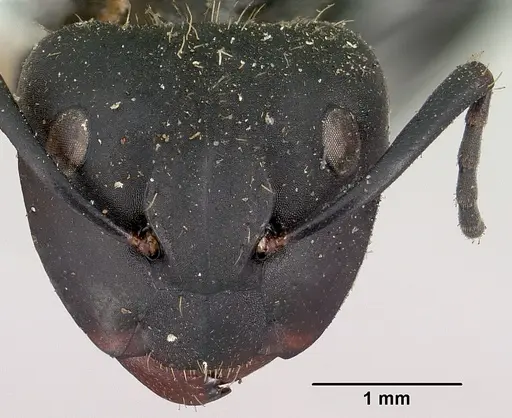
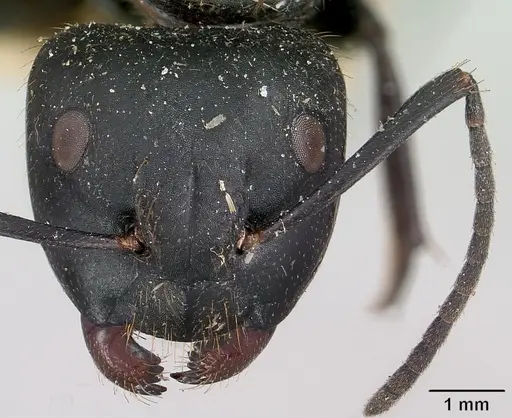
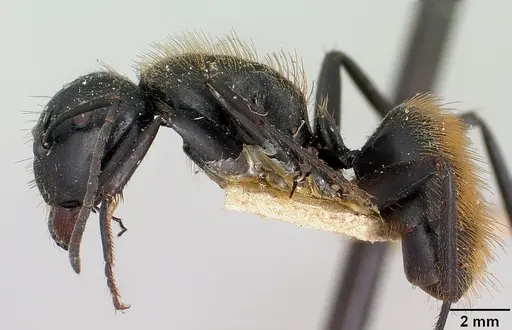
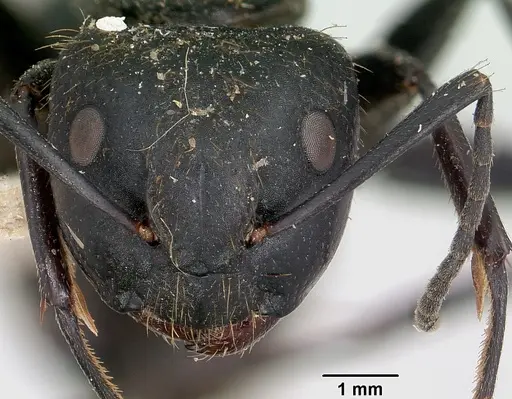
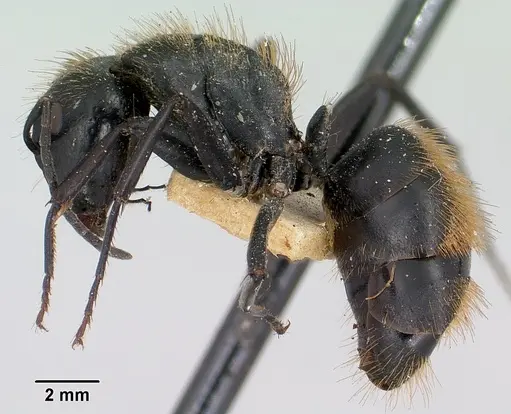
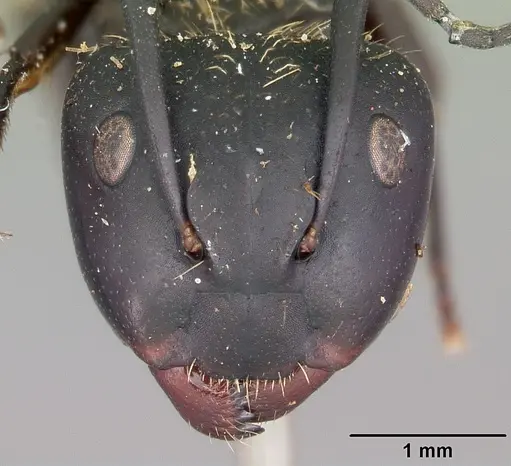
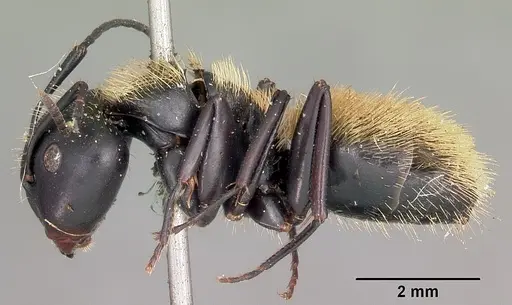
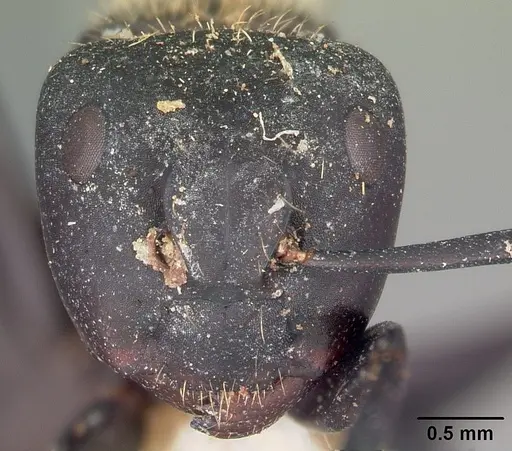
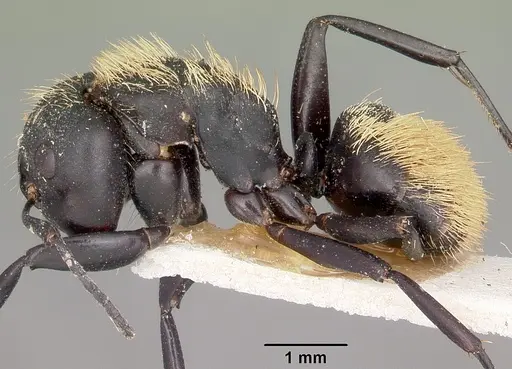
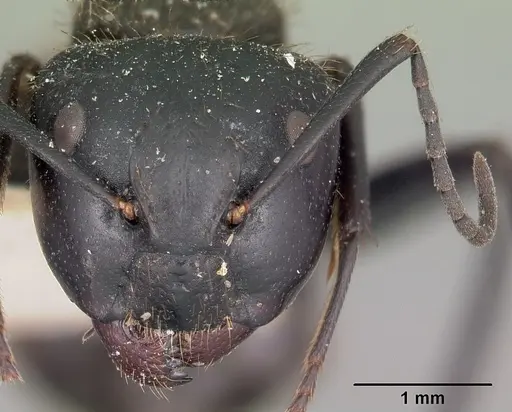
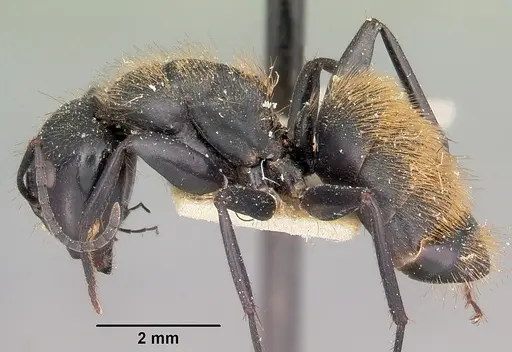
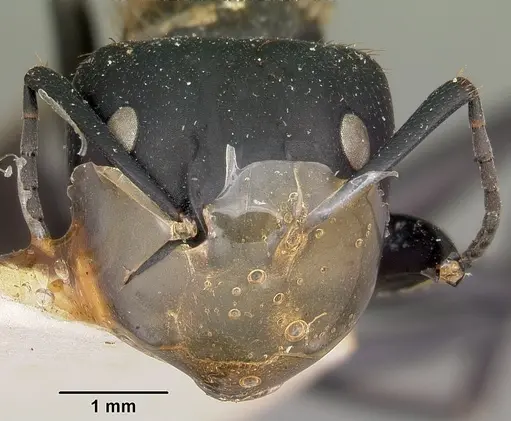
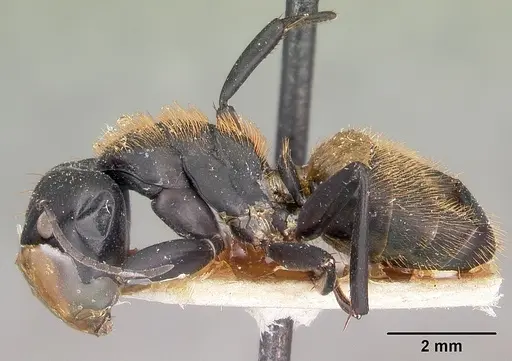
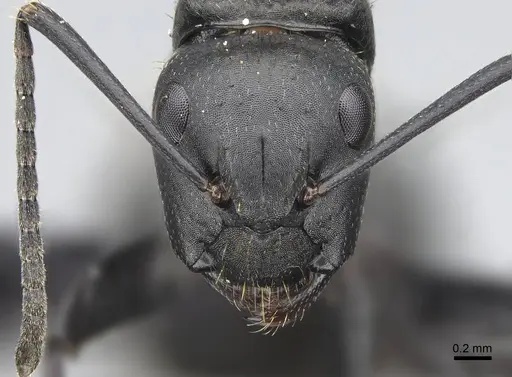
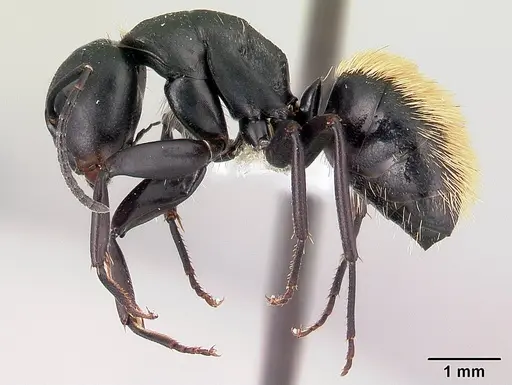
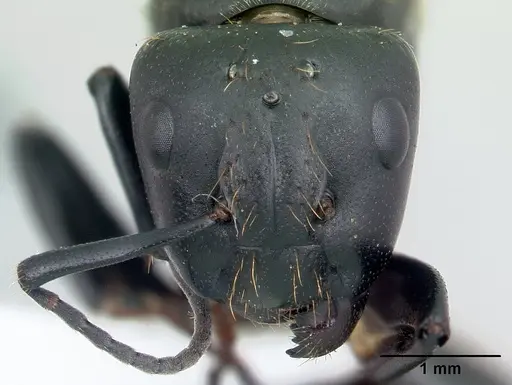
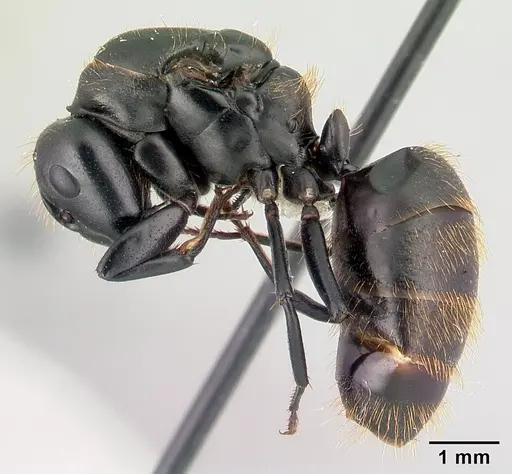
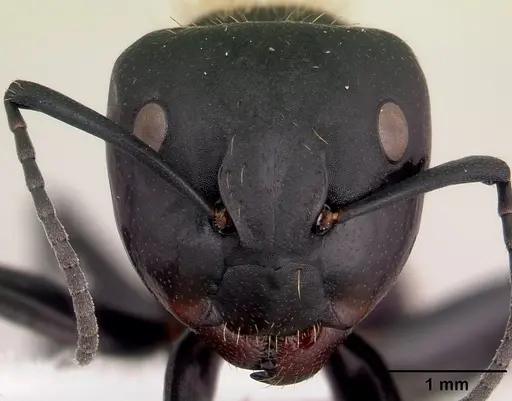
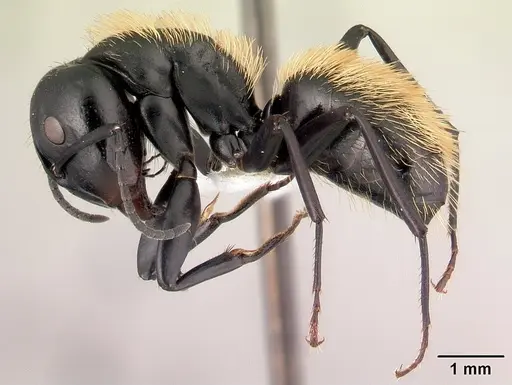
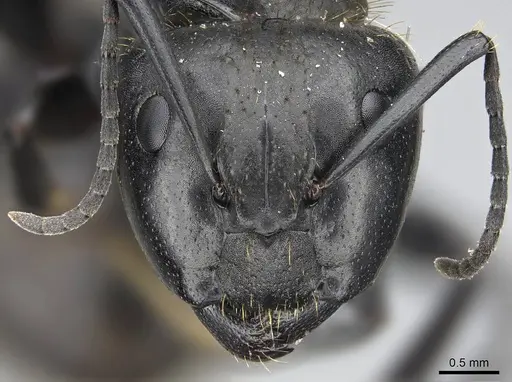
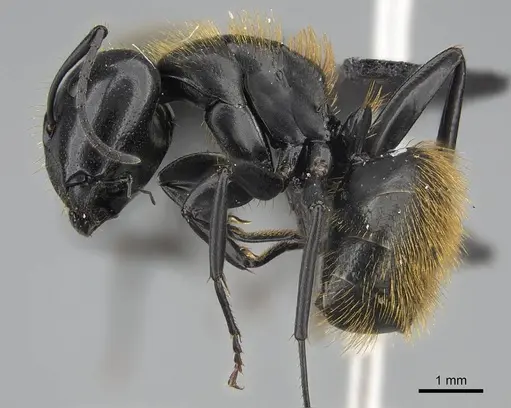
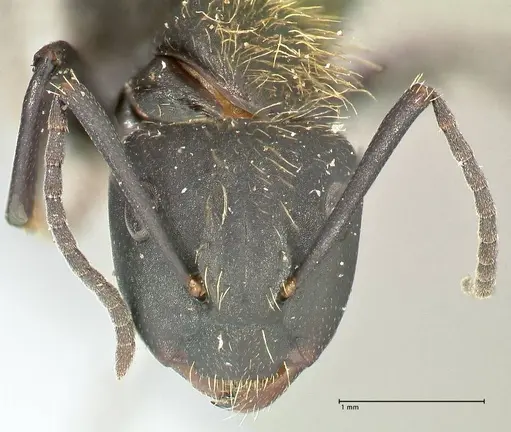
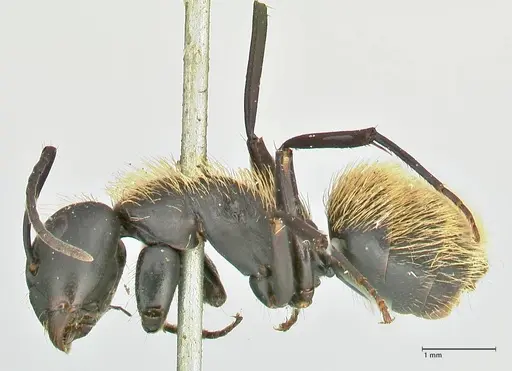
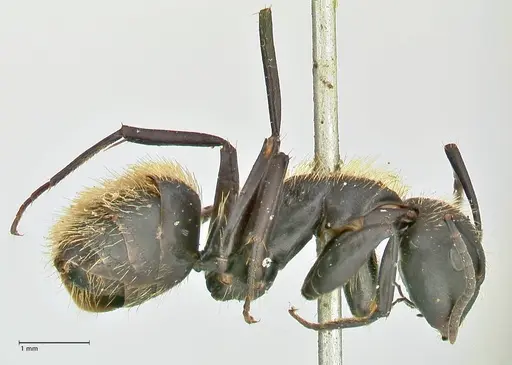
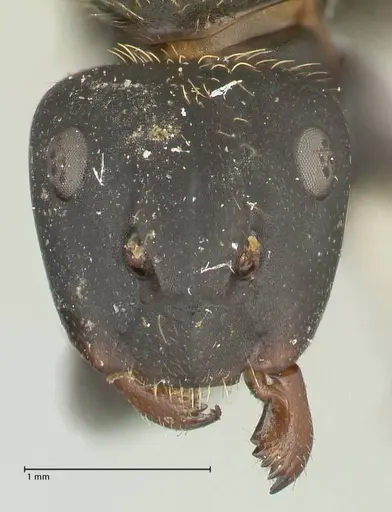
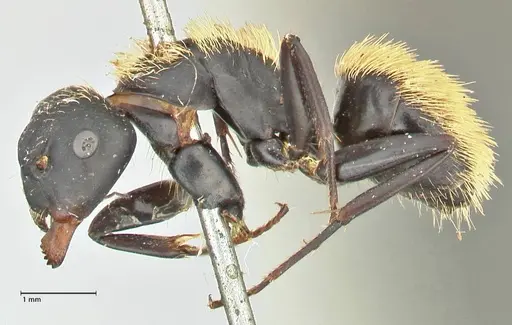
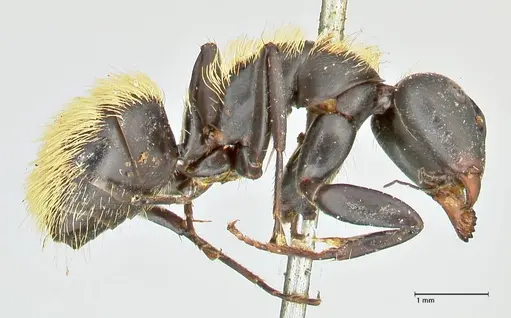
Camponotus darwinii is a medium-sized ant endemic to Madagascar, belonging to the subgenus Mayria. Workers are matte black with a distinctive feature: dense, long yellowish hairs covering the mesosoma and gaster. The mandibles and malar area show a reddish coloration, helping distinguish this species from similar Malagasy Camponotus. The species is widely distributed across central Madagascar from Ankazobe to Mount Papango, living at elevations between 1069-2150m . This ant is notable for its nesting habits - unlike most Camponotus that nest in soil or rotting wood, C. darwinii nests inside living plants, specifically Melia azedarach and Phellolophium madagascariense. It thrives in diverse habitats ranging from pristine rainforest and montane forest to disturbed areas like gardens and cultivated land .
Quick Summary
- Difficulty: Medium
- Origin & Habitat: Madagascar, found in rainforest, montane rainforest, Uapaca forest, Uapaca woodland, and disturbed areas like urban gardens and cultivated land. Elevations 1069-2150m [1].
- Colony Type: Colony structure is unconfirmed, no specific literature on queen number for this species.
- Size & Growth:
- Queen: Size data unavailable, one alate queen exists in type series but was not measured [1].
- Worker: Size data unavailable, the research provides head measurements (CS) but not total body length. Based on Camponotus genus patterns, workers likely measure roughly 6-12mm total length.
- Colony: Colony size data unavailable, no specific documentation in available literature.
- Growth: Growth rate data unavailable
- Development: Development time unconfirmed for this species. (No specific development data available.)
- Antkeeping:
- Temperature: Keep at 22-26°C. Being from high-elevation Madagascar, they prefer cooler conditions than typical tropical ants. A gentle gradient allowing workers to self-regulate is ideal.
- Humidity: Moderate to high, they inhabit rainforest and montane forest environments. Keep nest substrate consistently moist but not waterlogged. Provide a water tube.
- Diapause: Diapause requirements unconfirmed for this species.
- Nesting: Plant-nesting species, they naturally nest inside stems and branches. In captivity, a Y-tong (AAC) nest or naturalistic setup with cork bark or wooden branches works well. Avoid fully soil-based nests as they prefer pre-formed cavities.
- Behavior: Generally calm and not aggressive, typical Camponotus temperament. Workers are moderately active foragers. Major workers serve as soldiers/guards with their larger heads. Escape risk is moderate, use standard Camponotus escape prevention (Fluon on container edges). They do not sting but may deliver mild bites with their mandibles if threatened.
- Common Issues: plant-nesting preference means standard soil nests may be rejected, provide pre-formed cavities or naturalistic setups, high-elevation origin means they may struggle in warm, dry conditions, monitor temperature carefully, limited availability in the antkeeping hobby means established husbandry protocols are less developed, wild-caught colonies may carry parasites or pathogens from Madagascar, quarantine and monitor new colonies
Housing and Nest Preferences
Camponotus darwinii presents a unique challenge for housing because of its natural plant-nesting behavior. In the wild, these ants nest inside the stems of Melia azedarach and Phellolophium madagascariense plants [1]. This means they prefer pre-formed cavities rather than excavated soil chambers.
For captivity, the best options are Y-tong (AAC) nests with narrow chambers, cork bark setups, or naturalistic formicaria with wooden or branch sections. Standard plaster or soil nests may be rejected. The chambers should be appropriately sized to the worker size, these are not large ants, so avoid overly spacious cavities.
The outworld should include typical antkeeping amenities: a water tube for drinking, sugar water or honey feeder, and protein sources. Given their plant-nesting nature, adding some vertical elements or branches in the outworld may encourage natural foraging behavior.
Temperature and Environmental Conditions
This species originates from high-elevation Madagascar (1069-2150m), which means they prefer cooler conditions than many other tropical ant species. Keep the nest area at 22-26°C, avoiding temperatures above 28°C.
Their habitat includes montane rainforest and Uapaca forest at relatively high altitudes, where temperatures are cooler than lowland areas. This makes them somewhat unusual among Madagascar ants, many of which prefer warmer conditions.
Use a heating cable on one side of the nest only if room temperature falls below 22°C. Always create a temperature gradient so workers can choose their preferred zone. Monitor for signs of heat stress, workers avoiding the heated area indicates temperatures are too high.
Humidity should be moderate to high, reflecting their rainforest and montane forest origins. Keep the nest substrate consistently moist but not saturated. [1]
Feeding and Diet
Like other Camponotus species, C. darwinii is omnivorous with a typical diet of sugars and protein. Feed sugar water, honey, or diluted maple syrup as a constant carbohydrate source. For protein, offer small insects like fruit flies, small crickets, or mealworms.
Being a plant-nesting species in a tropical environment, they likely have access to honeydew from sap-sucking insects in the wild. Occasional offering of diluted honey or sugar water mimics this natural carbohydrate source.
Feed protein 2-3 times per week, removing uneaten prey after 24 hours. Sugar water should be available continuously, replaced every 2-3 days to prevent fermentation.
Colony Development and Growth
The founding queen seals herself in a small chamber and raises the first brood alone. This is typical for Camponotus and requires no intervention from the keeper, simply provide a quiet, dark location and wait.
First workers (nanitics) typically emerge smaller than mature workers. The colony will grow gradually through the worker brood cycle. Development time from egg to worker is unconfirmed for this species.
Major workers develop later in colony growth and serve as soldiers or guards. Their larger heads become more prominent as the colony matures.
Colony size at maturity is not documented in available literature.
Behavior and Temperament
Camponotus darwinii exhibits the calm, measured temperament typical of the genus. They are not aggressive and rarely bite, though majors can deliver a mild pinch with their mandibles if threatened.
Workers are moderately active foragers, searching the outworld for food during the cooler hours of the day. They communicate through chemical trails rather than the tandem-running seen in some smaller ants.
Escape prevention should be standard, apply Fluon or similar barriers to container edges. While not the smallest ants, they can still squeeze through small gaps. Check for any potential escape routes regularly.
The species is not known for any unusual defensive behaviors or specialized hunting strategies. They represent a manageable Camponotus experience once their nesting preferences are met.
Frequently Asked Questions
What is the best nest type for Camponotus darwinii?
They prefer pre-formed cavities due to their natural plant-nesting behavior. Use a Y-tong (AAC) nest with appropriately sized chambers, cork bark setup, or naturalistic formicarium with wooden sections. Avoid standard soil or plaster nests they cannot excavate.
What temperature do Camponotus darwinii ants need?
Keep them at 22-26°C. Being from high-elevation Madagascar (1069-2150m), they prefer cooler conditions than typical tropical ants. Avoid temperatures above 28°C.
How long does it take for first workers to emerge?
Development time is unconfirmed for this species, no specific documentation available.
Are Camponotus darwinii good for beginners?
They are moderate difficulty, the main challenge is providing appropriate plant-style nesting. Once housing is correct, they are straightforward to keep. Their calm temperament makes them manageable.
What do Camponotus darwinii eat?
Standard ant diet: sugar water or honey for carbohydrates, and small insects (fruit flies, small crickets, mealworms) for protein. Feed protein 2-3 times per week with constant sugar access.
Where is Camponotus darwinii found in the wild?
Endemic to Madagascar, widely distributed across central regions from Ankazobe to Mount Papango at elevations of 1069-2150m. Found in rainforest, montane rainforest, and disturbed areas.
How big do Camponotus darwinii colonies get?
Colony size is not documented in available literature.
Do Camponotus darwinii need hibernation?
Diapause requirements are unconfirmed for this species. Madagascar has less extreme seasonal variation than temperate regions, but high-elevation populations may experience cooler periods.
Can I keep multiple queens together?
Not recommended. Colony structure is unconfirmed for this species, but multiple unrelated queens would likely result in aggression.
Report an Issue
The current care sheet is based fully on literature. See inconsistencies, or something that's incorrect? Please , it will be resolved after review from an admin. Contributing to the blogs tab also helps providing information, to make us be able to further improve the caresheets. Thank you for your support!
References

Este guia de cuidados está sob a licença CC BY-SA 4.0 .
Posts da comunidade
CASENT0071420
Ver no AntWeb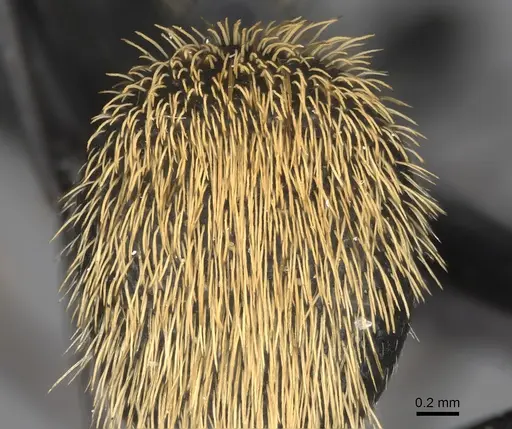
CASENT0101186
Ver no AntWeb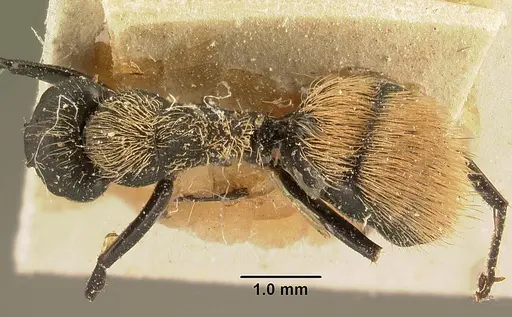
CASENT0101193
Ver no AntWeb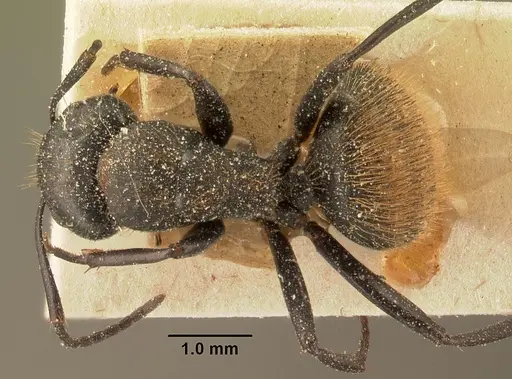
CASENT0101194
Ver no AntWeb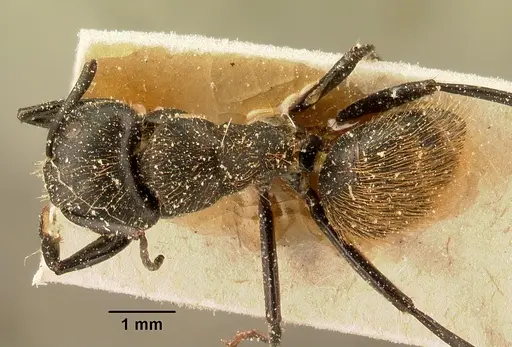
CASENT0101195
Ver no AntWeb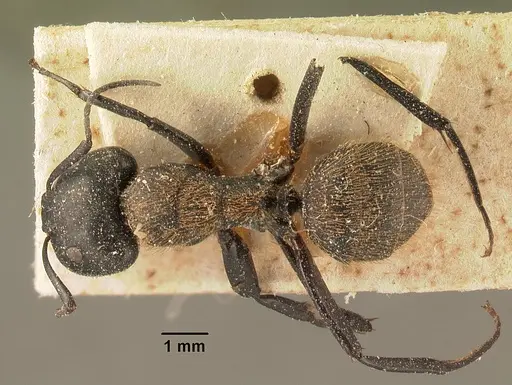
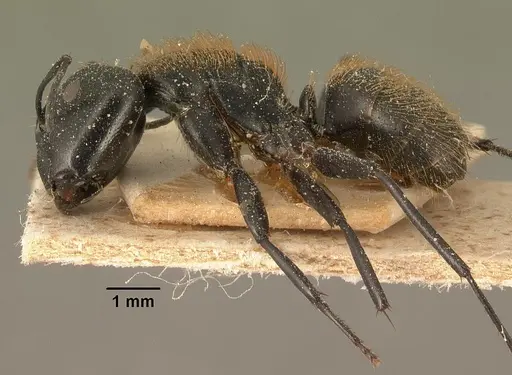
CASENT0101378
Ver no AntWeb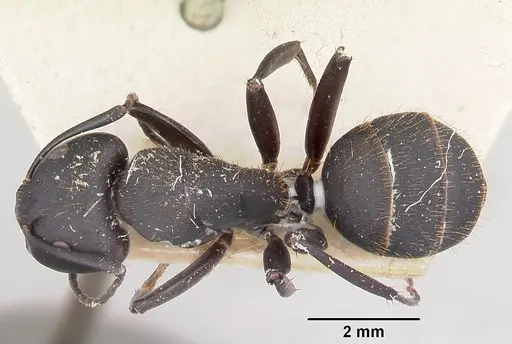
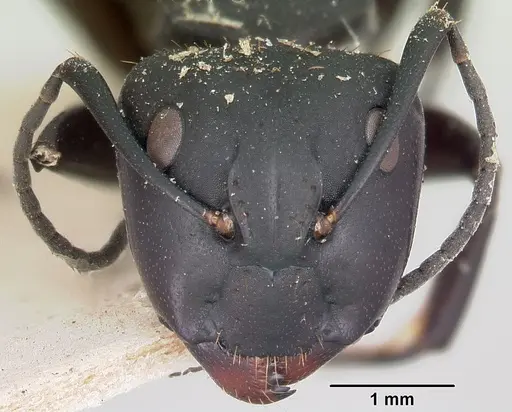
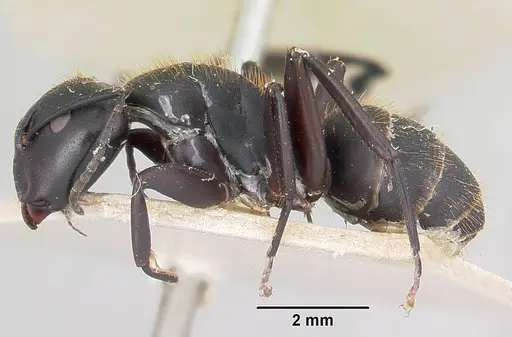
CASENT0101380
Ver no AntWeb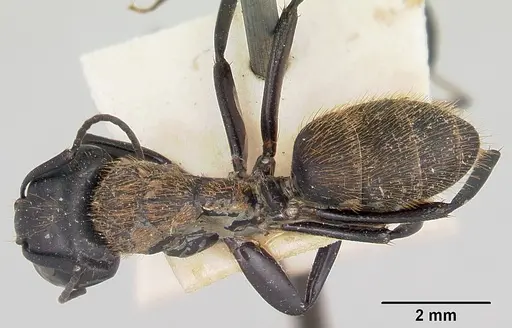
CASENT0101385
Ver no AntWeb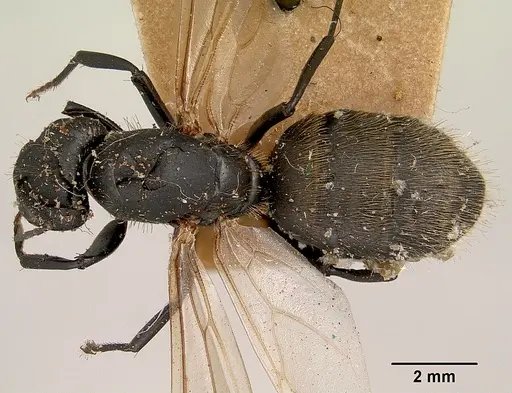
CASENT0101386
Ver no AntWeb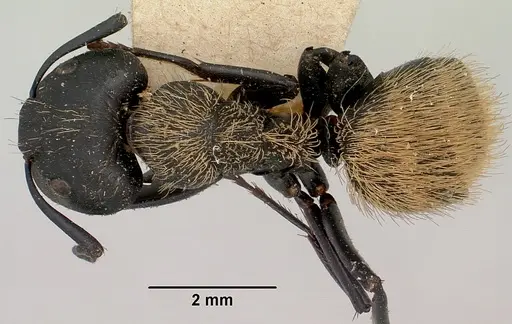
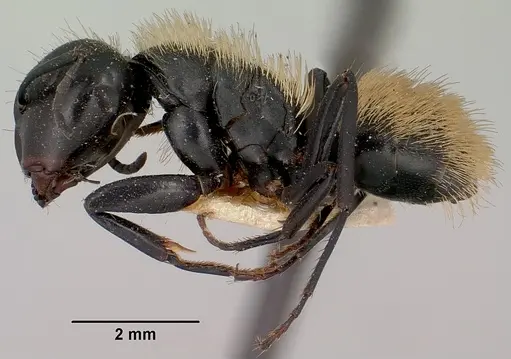
CASENT0101391
Ver no AntWeb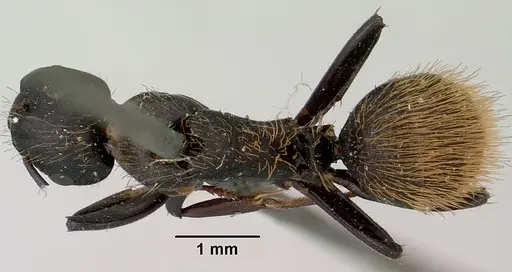
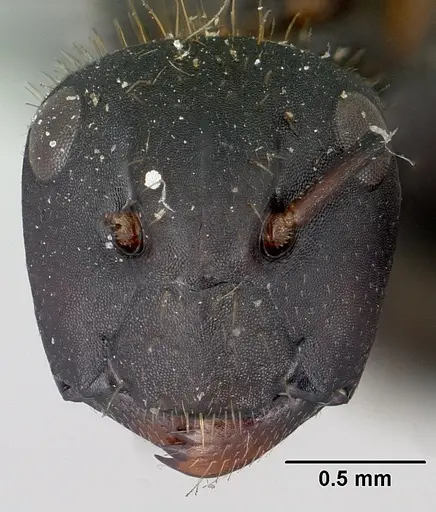
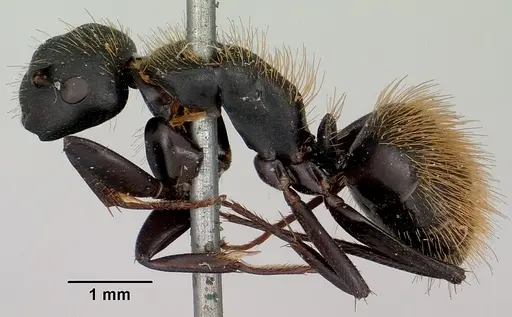
CASENT0101392
Ver no AntWeb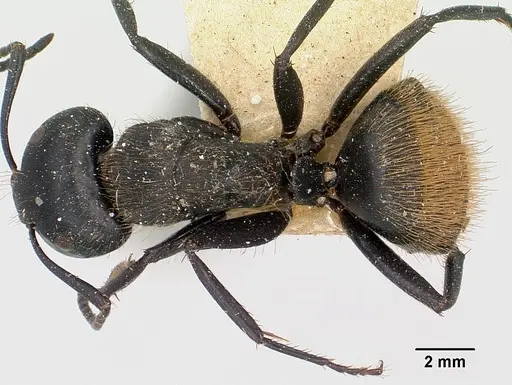
CASENT0101393
Ver no AntWeb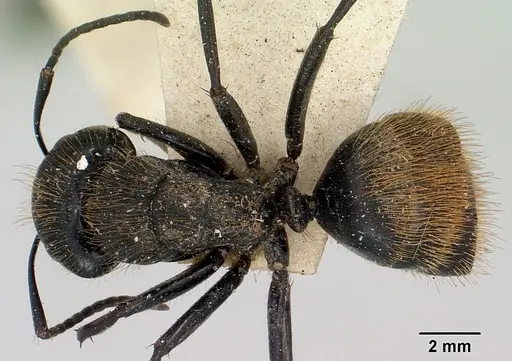
CASENT0104626
Ver no AntWeb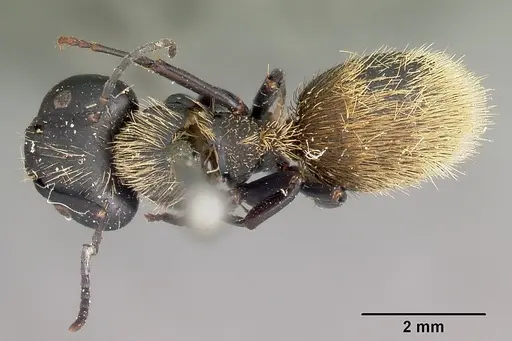
CASENT0104627
Ver no AntWeb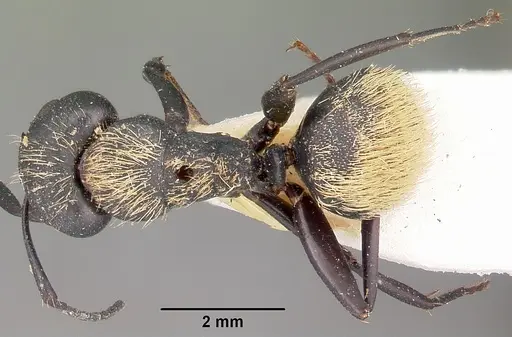
CASENT0104628
Ver no AntWeb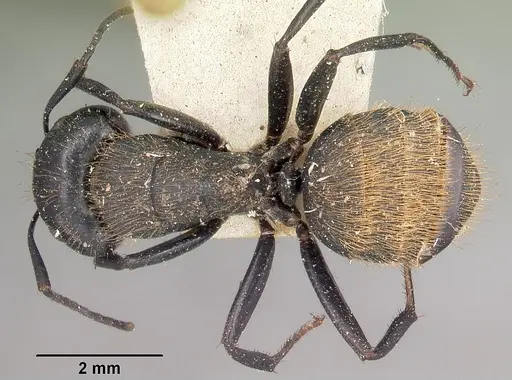
CASENT0104629
Ver no AntWeb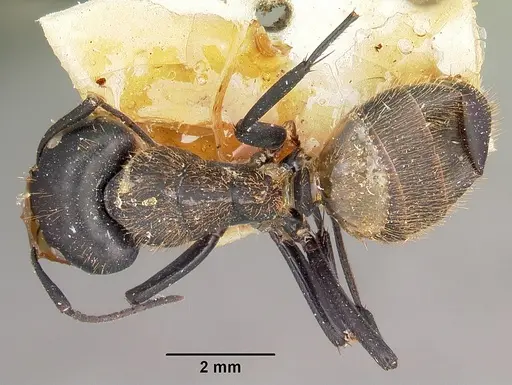
CASENT0118451
Ver no AntWeb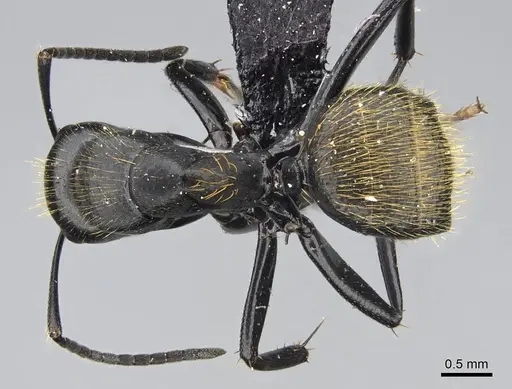
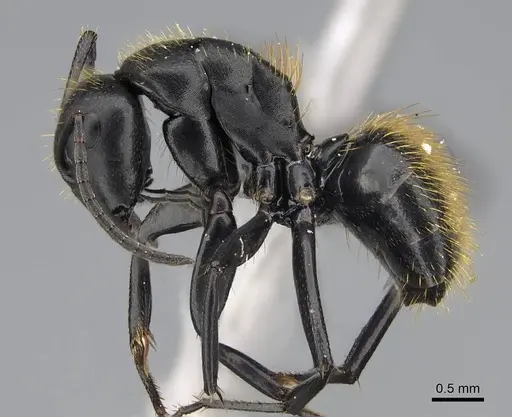
CASENT0142134
Ver no AntWeb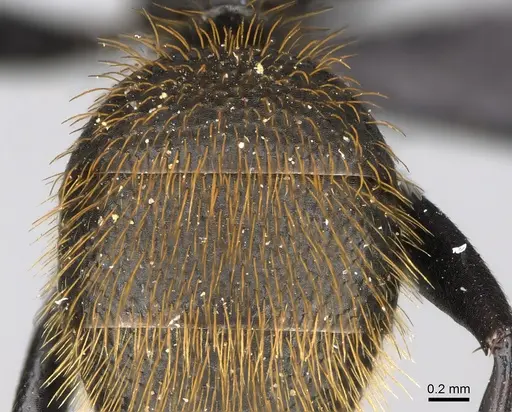
CASENT0179460
Ver no AntWeb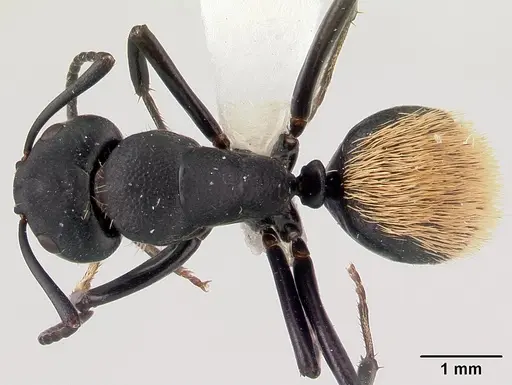
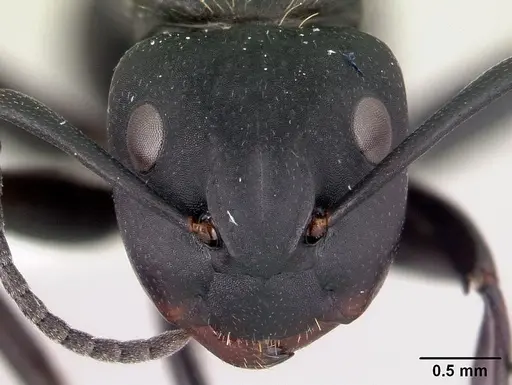
CASENT0191694
Ver no AntWeb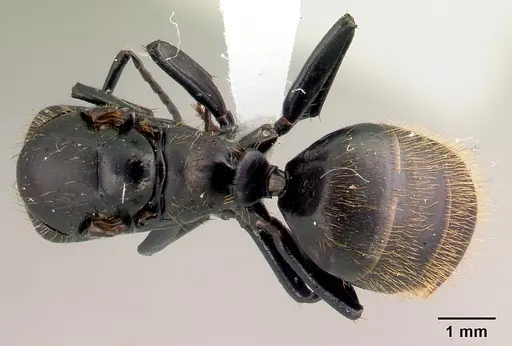
CASENT0191696
Ver no AntWeb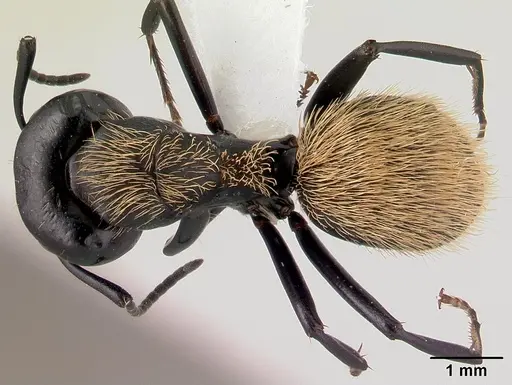
CASENT0923156
Ver no AntWeb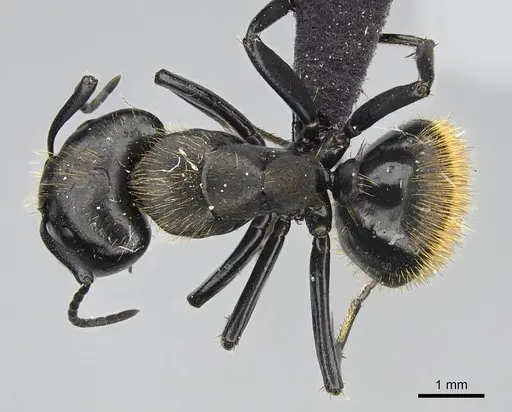
FOCOL2468
Ver no AntWeb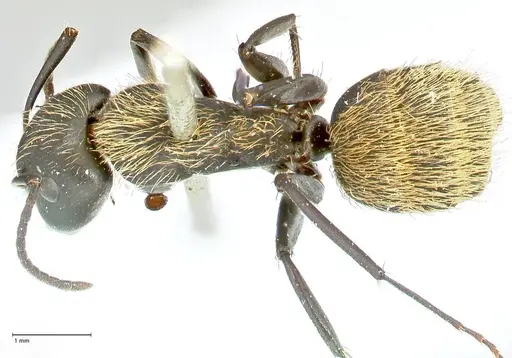
FOCOL2469
Ver no AntWeb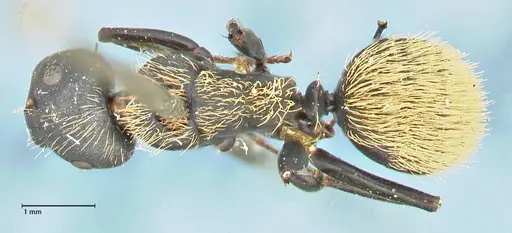
Literatura
Carregando mapa de distribuição...Carregando produtos...