
Camponotus convexiclypeus
- Nome científico
- Camponotus convexiclypeus
- Subgênero
- Myrmostenus
- Tribo
- Camponotini
- Subfamília
- Formicinae
- Autor
- MacKay, 1997
- Distribuição
- Encontrada em 0 países
Introdução
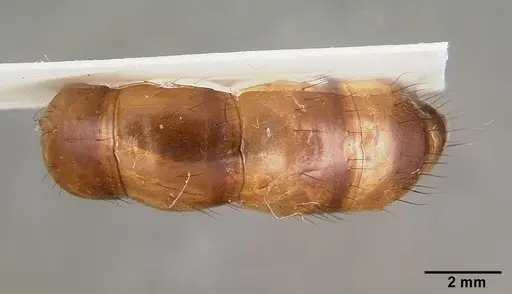
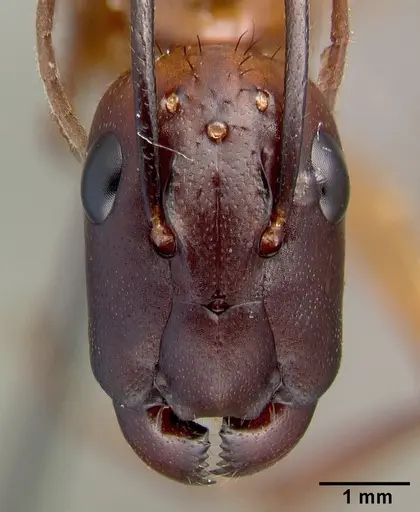
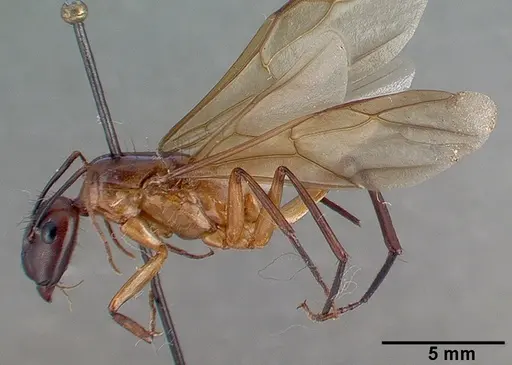
Camponotus convexiclypeus is a large Neotropical ant species belonging to the subgenus Myrmostenus. The species is known only from a single queen specimen collected in 1954 from Monson Valley near Tingo Maria, Peru, making it one of the least studied ants in existence . The queen has an unusually wide head compared to other species in the subgenus, and features a distinctly convex clypeus (the plate covering the mouthparts) from which the species gets its name. The body is medium brown with a darker head, mandibles, and antennae. Workers have never been described, and nothing is known about colony structure, founding behavior, or any aspect of their biology in the wild or captivity.
Quick Summary
- Difficulty: Unknown, this species has never been kept in captivity and no biological data exists
- Origin & Habitat: Known only from the type locality in Monson Valley, Tingo Maria, Peru in the Neotropical region [1]. The original collection was made in December, suggesting activity during the wet season in this tropical area.
- Colony Type: Unknown, only the queen has been described, no colony data exists
- Size & Growth:
- Queen: size data unavailable, only head measurements exist for the holotype queen, inferred from Camponotus genus to be approximately 15-17mm total length
- Worker: Unknown, workers have never been described
- Colony: Unknown
- Growth: Unknown
- Development: Unknown, no breeding or development data exists for this species (Development timeline is unconfirmed for this species)
- Antkeeping:
- Temperature: Unknown for this species. Based on typical Neotropical Camponotus from similar habitats, they likely prefer warm conditions in the low-to-mid 20s°C range, but this is a rough estimate with low confidence.
- Humidity: Unknown. Neotropical species typically require moderate to high humidity, but no specific data exists for this ant.
- Diapause: Unknown, no data on seasonal behavior exists. Related Neotropical species may reduce activity during dry seasons but typically do not undergo true hibernation.
- Nesting: Unknown. The subgenus Myrmostenus typically nests in soil or under stones in forested areas, but no specific observations exist for this species.
- Behavior: Completely unknown. As a Camponotus species in the subgenus Myrmostenus, they likely have typical genus traits including sugar-feeding tendency and moderate aggression, but this is speculative. Most Camponotus species can bite and spray formic acid as defense, but this is unconfirmed for this specific species.
- Common Issues: this species has never been kept in captivity, there are no established care protocols, no workers have ever been described, making identification of colony members impossible, no information exists on founding behavior, diet, temperature preferences, or any aspect of captive care, the species may not be available in the antkeeping hobby as no colonies have been collected
Why This Species Is Not Recommended for Antkeepers
Camponotus convexiclypeus is one of the most poorly known ant species in existence. It was described from a single queen collected in 1954, and no subsequent specimens have been found or described. This means there are no workers to identify, no colony observations, no data on their diet, nesting preferences, temperature needs, or any aspect of their biology. While other rare Camponotus species have occasionally become available through targeted field collection, this species remains known only from museum specimens. There are no established protocols for keeping this ant, and attempting to keep an undescribed species would be extremely risky for the colony. For these reasons, antkeepers should not seek out this species and should instead focus on well-documented Camponotus species that are known to thrive in captivity.
What We Know From the Type Specimen
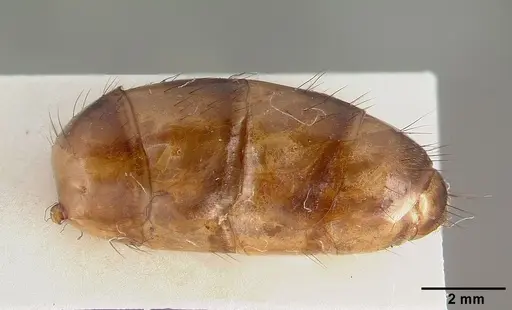
The holotype queen of Camponotus convexiclypeus was collected on December 11,1954 by E.I. Schlinger and E.S. Ross from Monson Valley near Tingo Maria, Peru, a location in the Amazonian foothills of the Andes. The queen has an unusually wide head which is significantly wider than other species in the subgenus Myrmostenus. The species name 'convexiclypeus' refers to the strongly convex clypeus, which is clearly visible when viewing the ant from above. The body is medium brown with darker coloration on the head, mandibles, and antennae. The specimen is housed at the California Academy of Sciences [2].
Related Species and What They Tell Us
Camponotus convexiclypeus belongs to the subgenus Myrmostenus, a group of Neotropical ants that are poorly studied but generally similar to other Camponotus in their basic biology. The species appears closely related to Camponotus sphenocephalus, sharing similar features including a rounded vertex and densely punctate head. Other Myrmostenus species are known to nest in soil or under stones in forested areas, and typical Camponotus queens are claustral, they seal themselves in a chamber and survive on stored fat until their first workers emerge. However, since no biological observations exist for C. convexiclypeus specifically, these are only educated guesses based on genus-level patterns.
Recommended Alternatives
For antkeepers interested in large, impressive Neotropical Camponotus species with established care protocols, several better-documented alternatives exist. Camponotus floridanus and other common Neotropical Camponotus are regularly available and have well-understood care requirements. These species have documented colony structures, known temperature and humidity preferences, and established feeding protocols. If you are specifically interested in rare or unusual ants, look for species that have at least some documented biology even if they are uncommon in the hobby, completely undescribed species present too many unknowns for successful captive husbandry.
Frequently Asked Questions
Can I keep Camponotus convexiclypeus in captivity?
No, this species is not available in the antkeeping hobby and should not be sought after. It is known only from a single queen specimen collected in 1954, and no colonies have ever been observed or described. There are no established care protocols for this species.
Why is almost nothing known about this ant?
Camponotus convexiclypeus was described from a single queen specimen in 1997, and no additional specimens (workers or colonies) have been collected since 1954. This is not unusual for tropical insects in remote regions, many species are known from just one or a few specimens collected during brief expeditions. Without workers or colony observations, biologists cannot study the species behavior, diet, or biology.
Are there similar ants that are better suited for antkeepers?
Yes, many well-documented Camponotus species are available and make excellent pets. Look for common species like Camponotus floridanus, Camponotus pennsylvanicus, or other established Neotropical species that have known care requirements. These species have documented colony structures, temperature preferences, and feeding behaviors that ensure successful captive husbandry.
What does the species name mean?
The name convexiclypeus comes from Latin roots, convex refers to the rounded or bulging shape, and clypeus is the plate covering the ant mouthparts. The original describer noted that this species has an unusually convex (bulging outward) clypeus compared to related species.
Where does Camponotus convexiclypeus live?
The species is known only from the type locality in Monson Valley near Tingo Maria, Peru. This area is in the Amazonian foothills of the Andes, at an elevation that creates a tropical forest environment. The single specimen was collected in December 1954, during the wet season in that region.
How big is the queen?
Only head measurements exist for the holotype queen, the head is unusually wide compared to other species in the subgenus. Based on typical Camponotus queen sizes, the total body length is likely around 15-17mm, but this is an inference since no full body measurements were recorded.
Will this species ever become available to antkeepers?
It is extremely unlikely. For a species to become available in the antkeeping hobby, collectors need to find and successfully colony-founding specimens. Since no workers have ever been collected and no additional queens have been found since 1954, this species remains known only from museum specimens. Targeted field collection in the Tingo Maria region might eventually discover colonies, but this has not happened in over 60 years.
What do similar ants in the genus Camponotus eat?
While we have no specific data for C. convexiclypeus, typical Camponotus species are omnivorous. They feed on sugar sources (honey, sugar water, nectar), protein (insects, dead animals), and some species also consume seeds. Well-documented captive species readily accept sugar water, fruit, and various insects.
What makes this species unique?
Camponotus convexiclypeus is unique primarily because of its extreme rarity and the complete absence of biological data. It represents a fascinating example of how little we still know about tropical ant biodiversity, even in relatively accessible regions like Peru, many species remain completely unstudied. The species most distinctive physical feature is its unusually wide head and strongly convex clypeus.
Report an Issue
The current care sheet is based fully on literature. See inconsistencies, or something that's incorrect? Please , it will be resolved after review from an admin. Contributing to the blogs tab also helps providing information, to make us be able to further improve the caresheets. Thank you for your support!
References

Este guia de cuidados está sob a licença CC BY-SA 4.0 .
Posts da comunidade
CASTYPE17341
Ver no AntWeb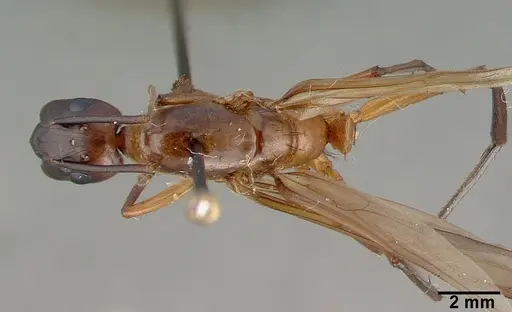
Literatura
Carregando mapa de distribuição...Carregando produtos...