
Camponotus britteni
- Nome científico
- Camponotus britteni
- Subgênero
- Tanaemyrmex
- Tribo
- Camponotini
- Subfamília
- Formicinae
- Autor
- Donisthorpe, 1931
- Distribuição
- Encontrada em 0 países
Introdução
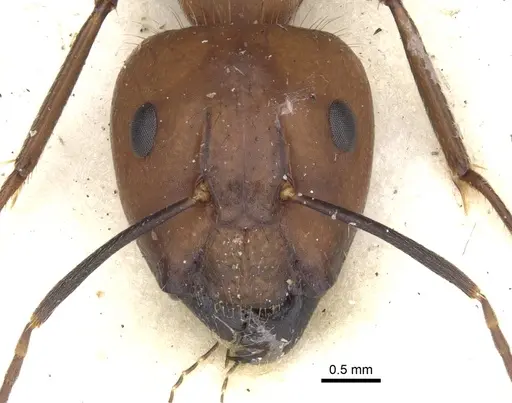
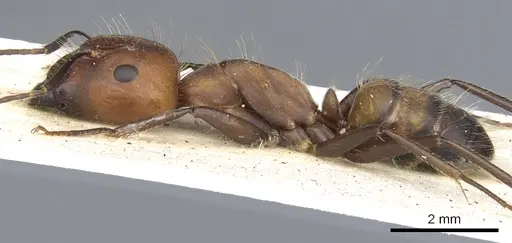
Camponotus britteni is a carpenter ant native to Britain, belonging to the Formicinae subfamily. Workers are polymorphic with distinct minor and major castes - minor workers handle most tasks while major workers have larger heads specialized for defense. The species is dark in coloration, typical of British Camponotus species. This ant excavates nests in decaying wood rather than living trees, making it well-suited to the damp British climate . As with other Camponotus species, they lack a functional sting and instead bite and spray formic acid from their acidopore as their primary defense.
Quick Summary
- Difficulty: Medium
- Origin & Habitat: Native to Britain, found across southern and central England. In nature they nest in decaying wood, old tree stumps, and wooden structures in damp, shaded areas. They prefer woodland edges and hedgerows where wood decay provides suitable nesting material [1][2].
- Colony Type: Single-queen colonies (monogyne). Based on typical Camponotus patterns, colonies start with one founding queen who seals herself in a chamber and raises the first workers alone.
- Size & Growth:
- Queen: 10-14mm, typical for British Camponotus species
- Worker: 4-12mm polymorphic, minor workers 4-6mm, major workers 8-12mm
- Colony: Several thousand workers in mature colonies
- Growth: Slow to moderate, first workers typically appear after 6-8 weeks, but colony expansion is gradual over the first year
- Development: 6-10 weeks from egg to first worker at room temperature (around 20-25°C). This is based on typical Camponotus development patterns (Development is temperature-dependent, warmer conditions speed development while cooler temperatures slow it significantly. Nanitics (first workers) are smaller than mature workers.)
- Antkeeping:
- Temperature: Keep at room temperature (18-24°C) with a slight warm area (around 24-26°C) in part of the nest. They tolerate typical British room temperature well. Avoid temperatures above 30°C as this can stress colonies.
- Humidity: Moderate to high humidity (50-70%). Carpenter ants prefer damp conditions in their nest chamber but need some dry areas for food storage. Keep the nest substrate moist but not waterlogged. A water tube for drinking water should always be available.
- Diapause: Yes, they require a winter dormancy period of 2-3 months at cool temperatures (5-10°C). This mimics their natural cycle in Britain and helps trigger reproductive behavior in spring. Place the colony in an unheated room or fridge during winter.
- Nesting: Best kept in a wooden nest (formicarium with wood sections) or a test tube setup with access to a foraging area. They need wood or a porous material they can excavate or that holds moisture well. Y-tong nests with wooden insert or plaster nests work well. Avoid entirely dry setups.
- Behavior: Generally calm and non-aggressive toward keepers. They are not particularly defensive and rarely sting, their main response is to flee or hide. Workers are active mainly at night but can be active during the day when foraging. They are polymorphic with distinct minor and major workers. Major workers have large heads and are specialized for defense and seed processing. Escape risk is moderate, they are large enough that standard barriers work well, but they can climb smooth surfaces. They are moderate foragers and will send workers out to collect honeydew and insects.
- Common Issues: queen death during founding is common, claustral queens rely entirely on stored fat and can fail if disturbed or conditions are wrong, slow initial growth causes keepers to lose patience or overfeed, leading to mold problems, winter dormancy is essential, skipping diapause can prevent colony growth and reproductive behavior, wood nests can dry out or become too damp, balance is key for carpenter ant health, major workers can get stuck in narrow tubes or connections, ensure all passages are wide enough for the largest workers
Housing and Nest Setup
Camponotus britteni does well in a wooden formicarium or a test tube setup connected to a foraging area. In the wild, they nest in decaying wood, so a wooden nest with chambers they can inhabit (or excavate into) works best. Y-tong nests with wooden inserts or plaster nests that hold moisture are good alternatives. The nest chamber should be dark (cover with a red film or dark cloth) and kept at moderate humidity. Provide a water tube with cotton, carpenter ants need constant access to drinking water. Foraging areas can be simple plastic boxes with Fluon barriers to prevent escapes. One key requirement: ensure all connections and tubes are wide enough for the major workers (the large-headed soldiers), they can get stuck in narrow tubing. [1]
Feeding Your Colony
Carpenter ants are omnivores that primarily eat honeydew (a sugary substance aphids produce) and insects. In captivity, offer sugar water or honey water (change every 2-3 days to prevent fermentation) and protein sources like mealworms, small crickets, or other insects. Feed protein 2-3 times per week for growing colonies, less for established ones. Remove uneaten prey after 24 hours to prevent mold. They do not need seeds despite some Camponotus species being seed-eaters, focus on sugary liquids and insects. A constant sugar source (honey water or sugar water) should be available alongside periodic protein.
Temperature and Seasonal Care
Keep your colony at room temperature (18-24°C) with a warm spot around 24-26°C in part of the nest. A heating cable on one side of the nest can create this gradient, place it on top of the nest, not underneath, to avoid drying out the substrate. They tolerate typical British indoor temperatures well. In winter, they need a 2-3 month dormancy period at cool temperatures (5-10°C). This can be achieved by placing the colony in an unheated garage, shed, or fridge (not freezer). The dormancy triggers spring reproductive behavior and helps maintain natural colony cycles. Do not skip this, colonies that do not dorm may fail to produce reproductives or may have health issues long-term.
Colony Development and Growth
A newly mated queen will seal herself into a chamber and lay eggs within a few days. She feeds the larvae from her own body reserves (this is claustral founding). First workers (nanitics) emerge after 6-10 weeks at optimal temperature. These first workers are smaller than mature workers but will immediately begin foraging to support the colony. Growth is slow in the first year, expect maybe 20-50 workers by winter. The colony accelerates in year two and can reach several hundred workers by year three. Major workers (large soldiers) typically appear when the colony reaches several hundred workers. Mature colonies can live for many years with the queen producing workers continuously. Patience is key, Camponotus colonies take years to reach impressive sizes.
Behavior and Handling
Camponotus britteni is one of the more docile carpenter ant species. They are not aggressive and rarely attempt to sting. When disturbed, their first response is usually to flee or hide. Workers are polymorphic: minor workers handle most tasks including foraging and brood care, while major workers (with large heads) specialize in defense and seed processing. They are primarily nocturnal but will forage during the day if food is available. Workers communicate through chemical trails, you will see them establishing paths to food sources. They can climb smooth surfaces but are large enough that standard barrier methods (Fluon on rim edges) work well for containment.
Frequently Asked Questions
How long does it take for Camponotus britteni to produce first workers?
First workers (nanitics) typically appear after 6-10 weeks from when the queen lays eggs, assuming temperatures around 20-25°C. This is based on typical Camponotus development patterns. The queen is claustral, she seals herself in and raises the first brood alone without foraging.
What do I feed Camponotus britteni?
Offer sugar water or honey water as a constant energy source, and protein sources like mealworms, small crickets, or other insects 2-3 times per week. Remove uneaten prey after 24 hours to prevent mold. They do not require seeds.
Do Camponotus britteni need hibernation?
Yes, they require a winter dormancy period of 2-3 months at cool temperatures (5-10°C). This is essential for their natural cycle and helps trigger reproductive behavior in spring. Keep them in an unheated room, garage, shed, or fridge during winter.
How big do Camponotus britteni colonies get?
Mature colonies can reach several thousand workers over several years. Growth is slow initially, expect maybe 20-50 workers in year one, several hundred by year two. They are long-lived ants with queens potentially living 15-20 years.
Can I keep multiple Camponotus britteni queens together?
No, this species is monogyne (single-queen colonies). Unlike some Camponotus species that can have multiple queens, C. britteni colonies function best with one queen. Introducing additional queens will likely result in fighting.
What is the best nest type for Camponotus britteni?
A wooden formicarium or Y-tong nest with wooden insert works best, as these ants naturally nest in wood. Plaster nests that hold moisture are also suitable. They need the nest chamber to be dark and moderately humid. Ensure all passages are wide enough for major workers.
Are Camponotus britteni good for beginners?
They are intermediate difficulty, more forgiving than some species but requiring more patience than fast-growing tropical ants. The main challenges are their slow growth (requiring patience) and the need for winter dormancy. They are docile and tolerate typical room conditions well.
When should I move my colony to a formicarium?
Wait until the colony has at least 50-100 workers before moving to a large formicarium. A test tube setup works fine for the first year or two. When moving, ensure the new nest has appropriate humidity and darkness, and connect it to the foraging area without disturbing the queen.
Why is my Camponotus britteni colony not growing?
Common causes include: temperatures too low (slows development significantly), insufficient protein (needed for brood development), skipping winter dormancy (disrupts natural cycles), or the queen has died. Check that temperatures are in the 20-25°C range, protein is being offered regularly, and the colony has had its winter dormancy.
Report an Issue
The current care sheet is based fully on literature. See inconsistencies, or something that's incorrect? Please , it will be resolved after review from an admin. Contributing to the blogs tab also helps providing information, to make us be able to further improve the caresheets. Thank you for your support!
References

Este guia de cuidados está sob a licença CC BY-SA 4.0 .
Posts da comunidade
CASENT0903600
Ver no AntWeb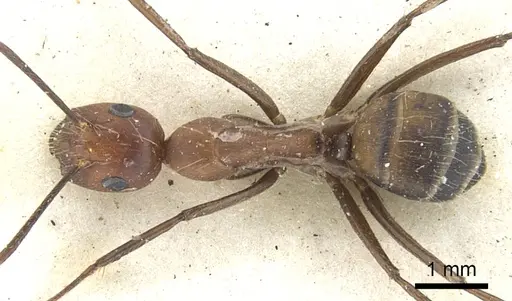
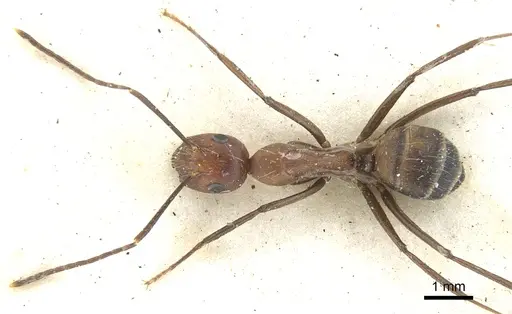
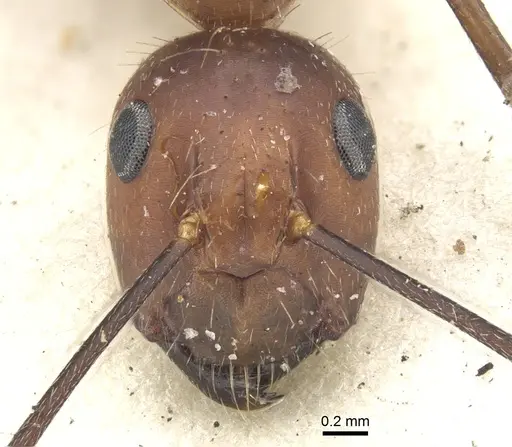
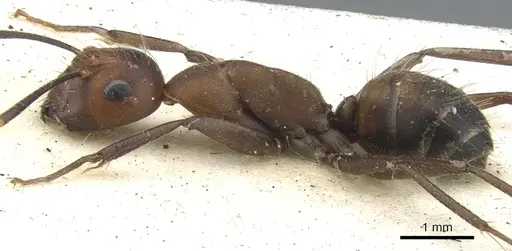
CASENT0903601
Ver no AntWeb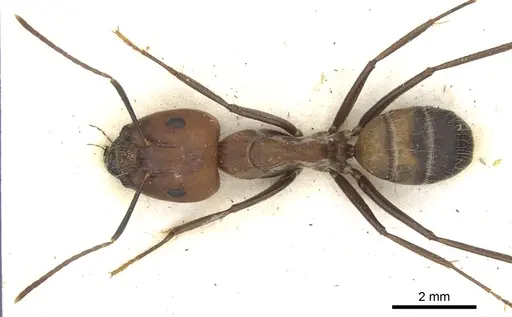
Literatura
Carregando mapa de distribuição...Carregando produtos...