
Camponotus barbatus
- Nome científico
- Camponotus barbatus
- Subgênero
- Tanaemyrmex
- Tribo
- Camponotini
- Subfamília
- Formicinae
- Autor
- Roger, 1863
- Distribuição
- Encontrada em 2 países
Introdução
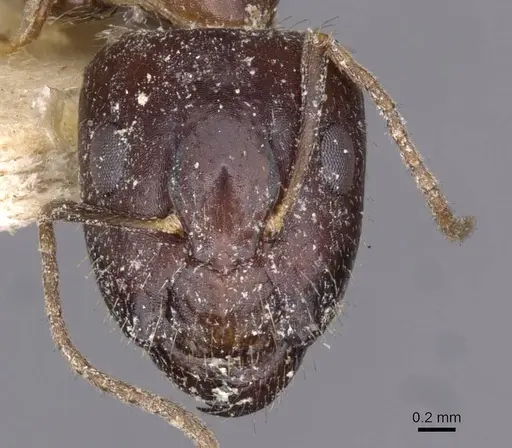
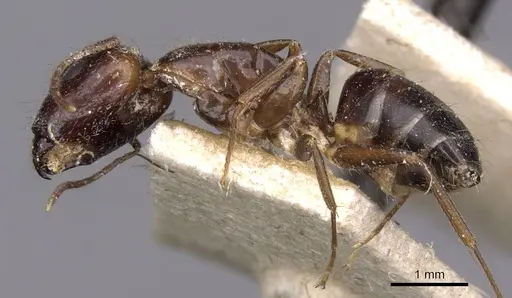
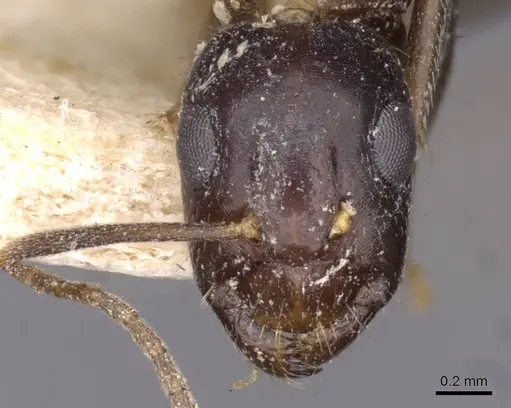
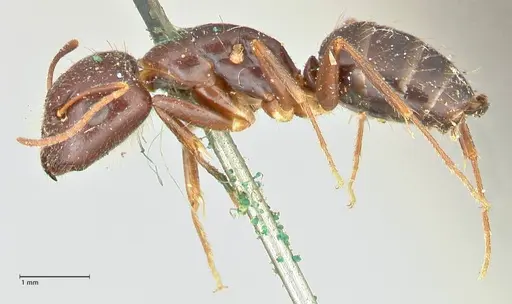
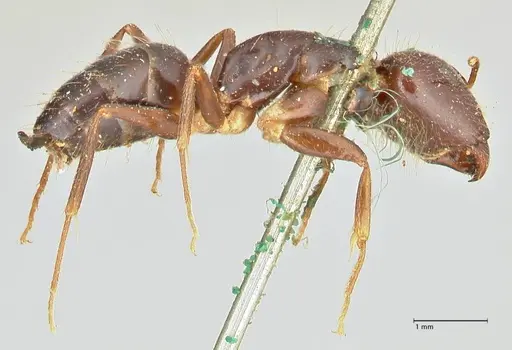
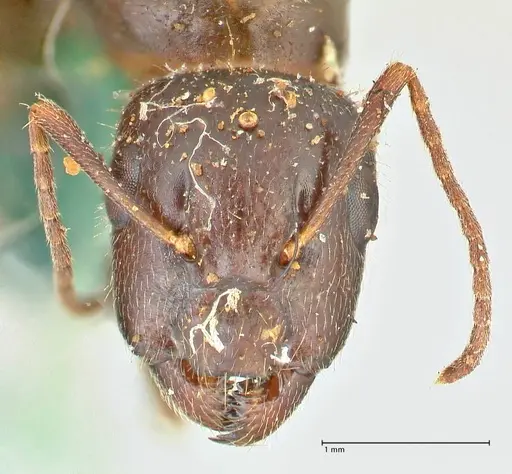
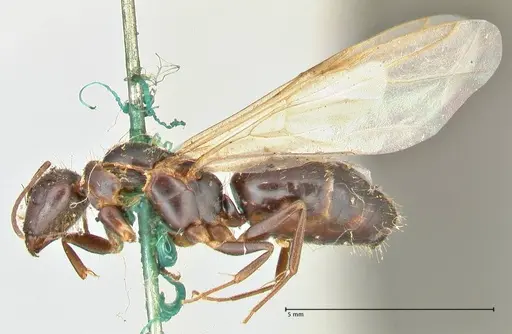
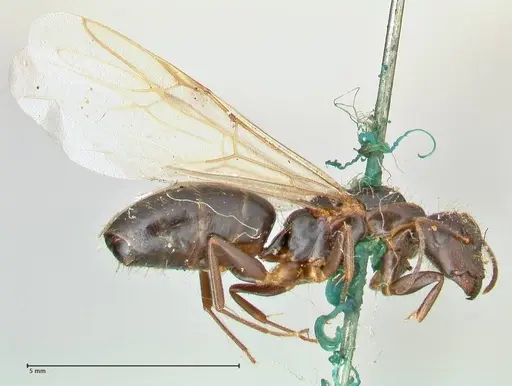
Camponotus barbatus is a carpenter ant species native to South and Southeast Asia, found in India, Sri Lanka, Borneo, Indonesia, Malaysia, and surrounding regions . Workers are medium-sized with dark brown to black coloration typical of the genus. This species nests in rotting wood, dead trees, and soil cavities in both natural and disturbed habitats . What makes C. barbatus interesting is its adaptability - it thrives in natural forest habitats as well as human-disturbed areas like coconut plantations and residential zones . It has been recorded from lowland areas up to 2000 meters elevation in the Himalayas , showing remarkable ecological flexibility. The subspecies Camponotus barbatus taylori is particularly common in parts of India .
Quick Summary
- Difficulty: Easy
- Origin & Habitat: Native to South and Southeast Asia, India, Sri Lanka, Borneo, Indonesia, Malaysia. Found in rotting wood, dead trees, soil cavities, and agricultural lands from lowland to 2000m elevation [1][2][3][4].
- Colony Type: Single-queen colonies (monogyne). Queens are claustral, they seal themselves in and raise first workers alone using stored fat reserves.
- Size & Growth:
- Queen: size data unavailable, no specific measurements found in research context
- Worker: ~6-10 mm [6]
- Colony: up to several thousand workers, typical for Camponotus species
- Growth: Moderate
- Development: 6-8 weeks at optimal temperature (Development time depends on temperature, warmer conditions speed development, cooler slow it down)
- Antkeeping:
- Temperature: Keep at 24-28°C. A heating cable on one side creates a gradient allowing ants to choose their preferred temperature [7].
- Humidity: Moderate humidity. Provide a water tube for drinking water. Keep nest substrate slightly moist but not waterlogged [4].
- Diapause: Not required, this is a tropical species that does not hibernate. However, slight temperature reduction during winter months (down to 20-22°C) may slow activity naturally.
- Nesting: Prefers nesting in wood-based substrates. A Y-tong (AAC) nest or plaster nest with wood chambers works well. Can also be kept in test tubes for founding colonies. Provide dead wood or wood-like structures in the nest for natural feel [3].
- Behavior: Generally calm and non-aggressive foragers. Workers are active primarily at night and during cooler parts of the day. They forage for honeydew, nectar, and small insects. Unlike some Camponotus species, they are not particularly defensive and rarely bite unless directly threatened. Escape risk is moderate, use standard barrier techniques like Fluon on test tube rims.
- Common Issues: colonies may stall if temperatures drop below 20°C for extended periods, wild-caught colonies can harbor parasites, quarantine and observe new colonies, test tube setups can flood if water reservoirs are overfilled, slow founding phase, queens may take 1-2 months before eggs appear, be patient, overfeeding can lead to mold in nest chambers, remove uneaten food promptly
Housing and Nest Setup
Camponotus barbatus adapts well to various captive setups. For founding colonies, a standard test tube setup works perfectly, fill a test tube one-third with water, plug with cotton, and place the queen in darkness. The queen will seal herself into a chamber and begin laying eggs after a few weeks.
As the colony grows (50+ workers), consider moving to a Y-tong (AAC) nest or plaster formicarium. These ants prefer wood-based nesting materials since they naturally nest in rotting wood [3]. A naturalistic setup with dead wood pieces or cork bark works well. Ensure the nest has chambers sized appropriately, not too large for small colonies, as ants feel safer in snugger spaces.
Always provide an outworld (foraging area) connected to the nest. Use a water tube for drinking and a sugar water feeder. Escape prevention is important, apply Fluon or similar barrier to edges, though this species is not an aggressive escape artist like some tiny ants.
Feeding and Diet
Like most Camponotus species, C. barbatus is omnivorous with a preference for sugar sources and protein. Provide a constant supply of sugar water (1:3 sugar to water ratio) or honey diluted with water. They readily accept honeydew if you have access to aphid colonies.
For protein, offer small insects like fruit flies, small crickets, mealworms, or waxworms. Feed protein 2-3 times per week, adjusting based on colony size. Remove uneaten prey within 24 hours to prevent mold. This species also occasionally feeds on nectar from flowers if given access.
In residential areas of Indonesia, they have been documented as predators [4], confirming their predatory nature. A varied diet helps keep colonies healthy.
Temperature and Seasonal Care
Maintain temperatures between 24-28°C for optimal colony growth and development. This species comes from tropical and subtropical regions, so warmth is important [7]. A heating cable placed on one side of the nest creates a temperature gradient, workers will move to their preferred area.
During winter months in temperate climates, you can reduce temperatures slightly (20-22°C) to match natural seasonal changes, but this is not required for their survival. Unlike temperate species, they do not need a true hibernation diapause. However, cooler temperatures will slow brood development and reduce activity levels.
Avoid temperatures below 18°C for extended periods as this can stress the colony and slow growth significantly. If your room temperature is below 24°C, use a small heating mat under one end of the nest.
Colony Development and Growth
Camponotus barbatus colonies grow at a moderate pace typical of the genus. A newly mated queen will lay her first eggs within 2-4 weeks after sealing herself in a claustral chamber. The first workers (nanitics) emerge after 6-8 weeks at optimal temperature.
These initial workers are smaller than mature workers but help the colony expand. After nanitics, subsequent broods produce progressively larger workers. A healthy colony can reach 100 workers within 6 months and several thousand within 2-3 years under good conditions.
Growth rate depends heavily on feeding frequency and temperature. More protein and warmer temperatures accelerate development. Be patient during the founding phase, some queens take longer to lay eggs, and this is normal. Once workers arrive, growth becomes more consistent.
Behavior and Temperament
This species is known for its relatively calm temperament. Workers are not overly aggressive and typically avoid confrontation when possible. They are crepuscular/nocturnal foragers, being most active during evening hours and at night.
Workers communicate using chemical trails and can recruit nestmates to food sources. Unlike some carpenter ants, they are not known for damaging wooden structures in homes, they prefer already-rotting wood in natural settings [3].
The bite risk is low, they may bite if handled roughly or their nest is threatened, but they are not defensive. They possess formic acid for defense but are not particularly aggressive toward keepers. Overall, they are a good choice for those who want an observable, moderately active ant species without the aggression of some other Camponotus.
Frequently Asked Questions
How long does it take for Camponotus barbatus to raise first workers?
At optimal temperature (24-28°C), expect first workers (nanitics) after 6-8 weeks from when the queen lays her first eggs. The queen seals herself in and raises the first brood alone using stored energy reserves.
Can I keep Camponotus barbatus in a test tube?
Yes, test tubes work well for founding colonies. Use a water tube with cotton separation, keep it dark and undisturbed for the first few months. Move to a larger nest (Y-tong or plaster) once the colony reaches 50+ workers.
What do Camponotus barbatus eat?
They need both sugar and protein. Offer sugar water or honey constantly, and protein (small insects like fruit flies, mealworms) 2-3 times per week. Remove uneaten food promptly to prevent mold.
Are Camponotus barbatus good for beginners?
Yes, this is a good beginner species. They are adaptable, not overly aggressive, and tolerate a range of captive conditions. Their moderate size makes them easy to observe and manage.
Do Camponotus barbatus need hibernation?
No, this is a tropical species and does not require hibernation. You can maintain warm temperatures year-round (24-28°C). A slight winter cooldown to 20-22°C is optional but not necessary.
How big do Camponotus barbatus colonies get?
Colonies typically reach several thousand workers over 2-3 years under good conditions. Maximum colony size is moderate compared to some Camponotus species that can reach 10,000+.
When should I move my colony to a formicarium?
Move from test tube to a larger nest (Y-tong, plaster, or naturalistic) when the colony reaches 40-60 workers. Moving too early can stress the colony, waiting too long can cause escape attempts or health issues from cramped conditions.
Why is my Camponotus barbatus queen not laying eggs?
This is common in newly-caught queens. Some take 4-8 weeks to settle and begin laying. Ensure she is in darkness, undisturbed, with access to a water tube. If she was recently caught, she may need time to mature. Temperature below 24°C can also delay egg-laying.
Report an Issue
The current care sheet is based fully on literature. See inconsistencies, or something that's incorrect? Please , it will be resolved after review from an admin. Contributing to the blogs tab also helps providing information, to make us be able to further improve the caresheets. Thank you for your support!
References

Este guia de cuidados está sob a licença CC BY-SA 4.0 .
Posts da comunidade
CASENT0910132
Ver no AntWeb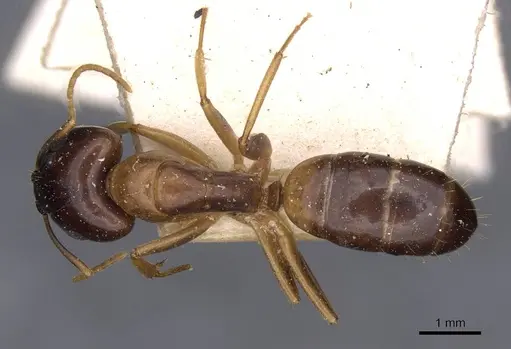
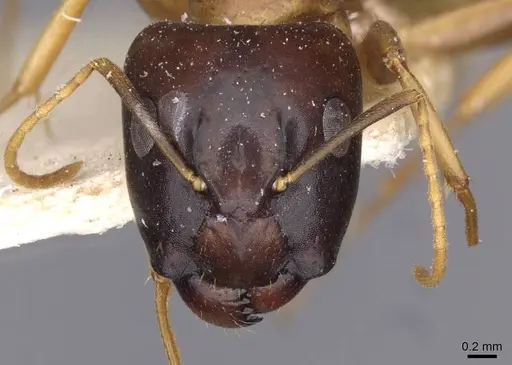
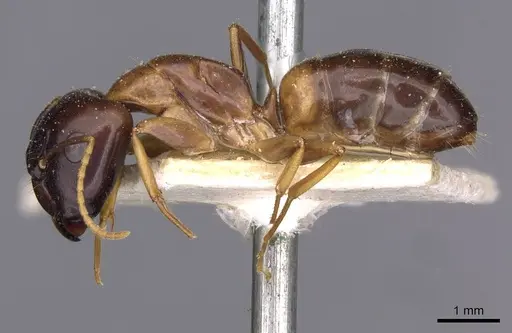
CASENT0910133
Ver no AntWeb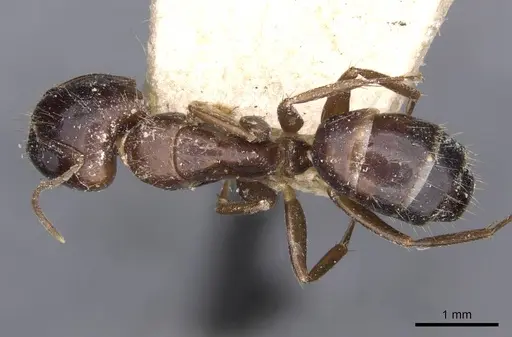
CASENT0910134
Ver no AntWeb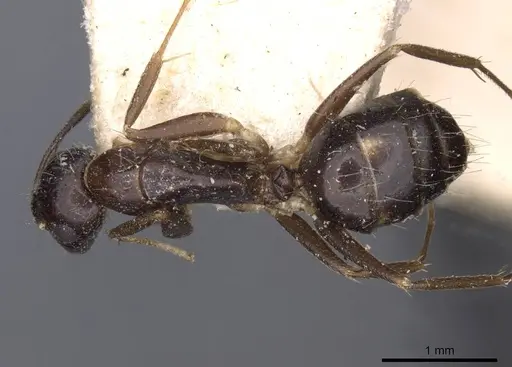
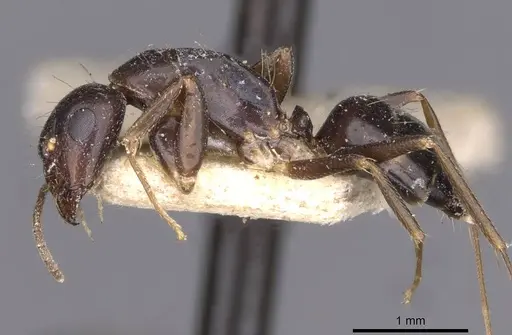
CASENT0910135
Ver no AntWeb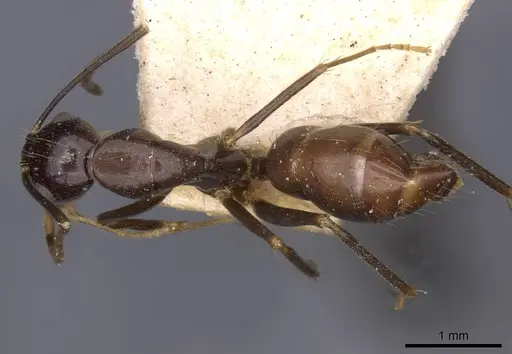
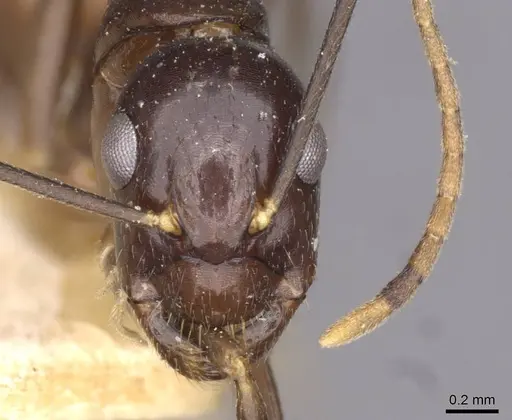
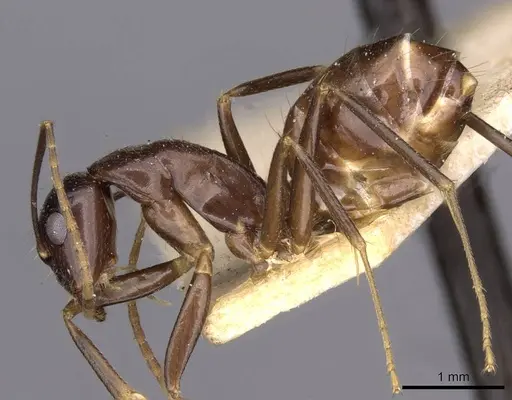
CASENT0914000
Ver no AntWeb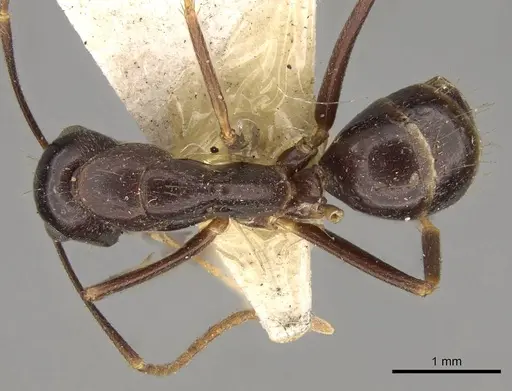
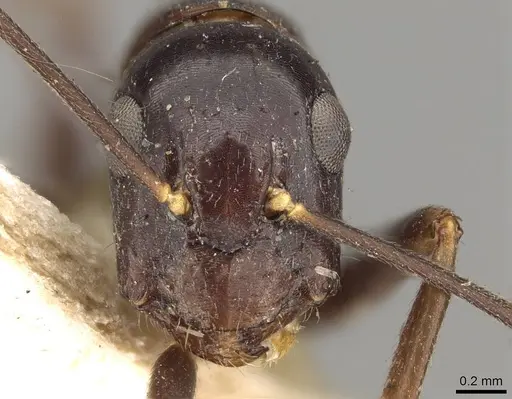
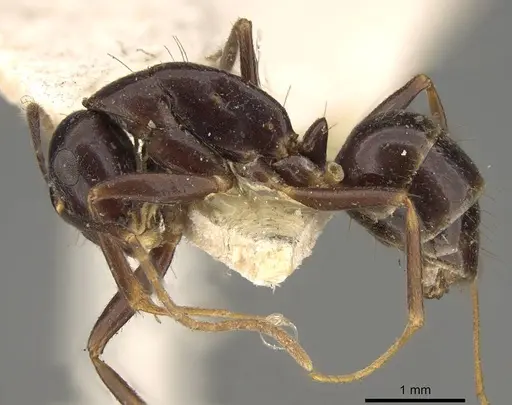
CASENT0914001
Ver no AntWeb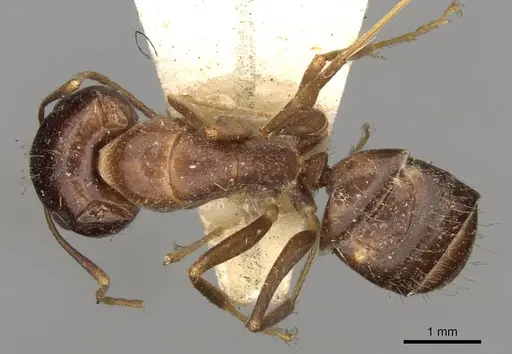
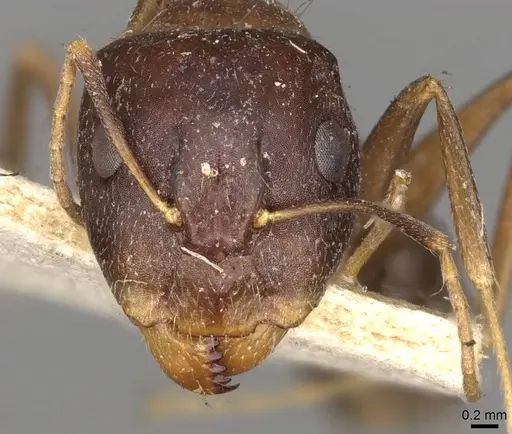
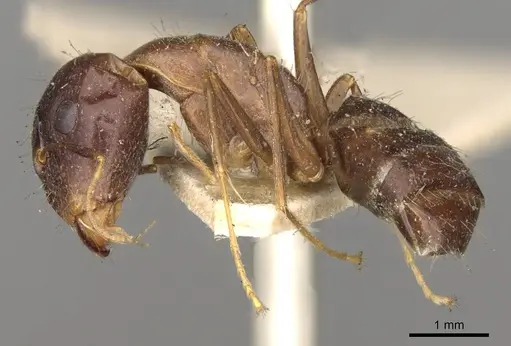
CASENT0917853
Ver no AntWeb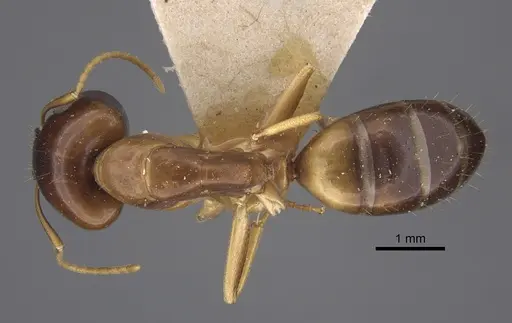
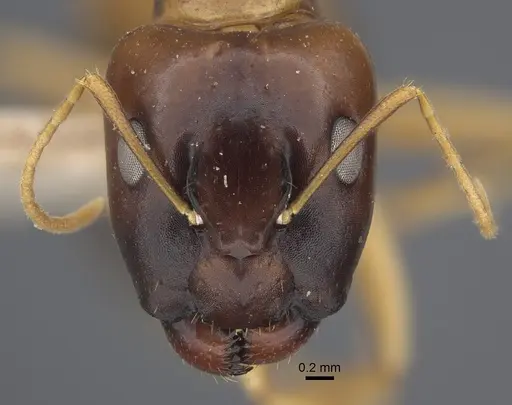
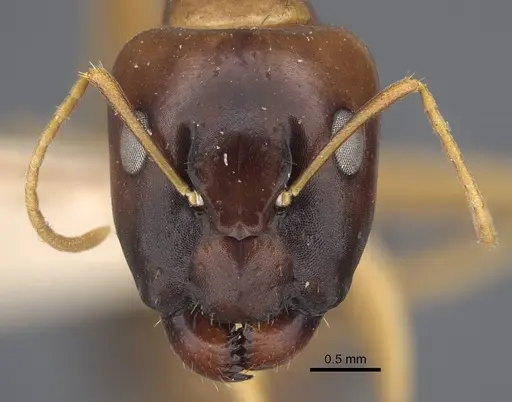
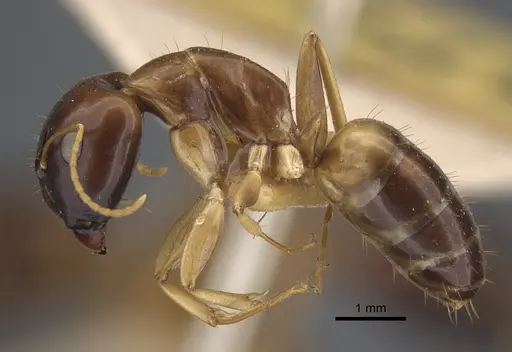
FOCOL2427
Ver no AntWeb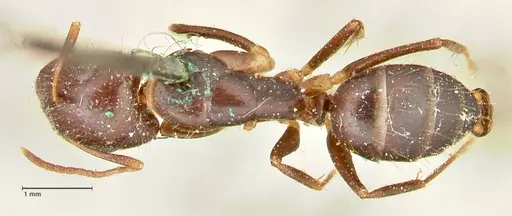
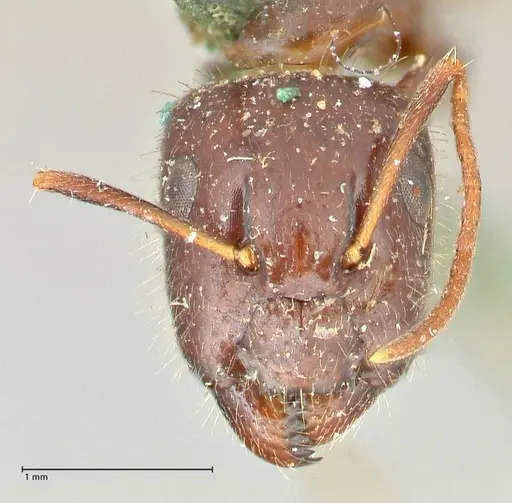
FOCOL2428
Ver no AntWeb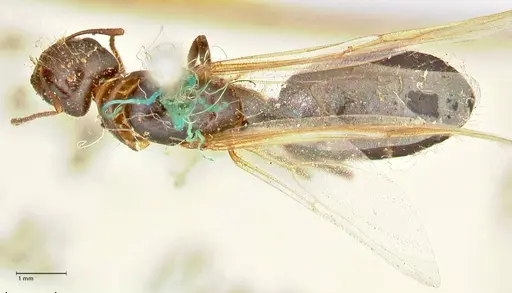
Literatura
Carregando mapa de distribuição...Carregando produtos...