
Baker's Carpenter Ant
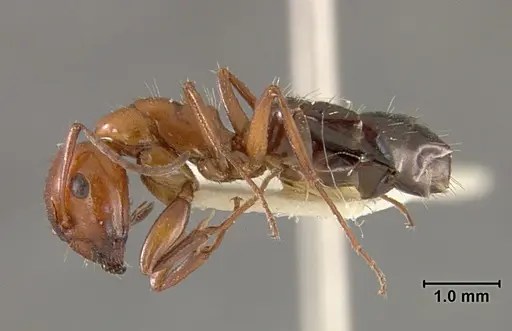
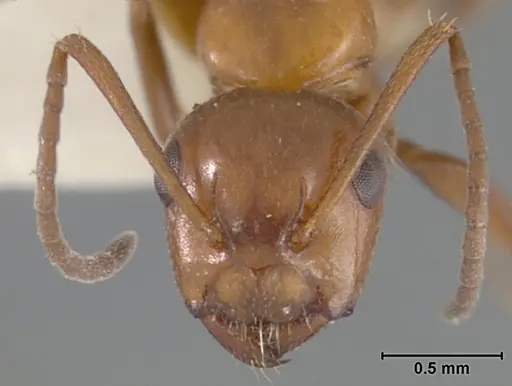
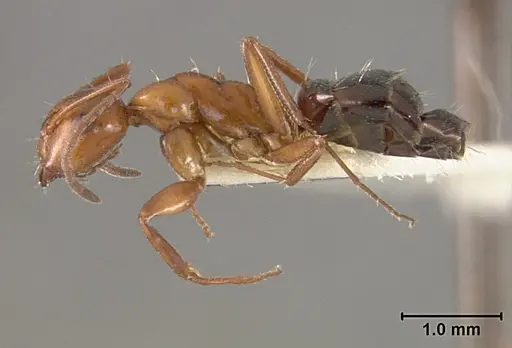
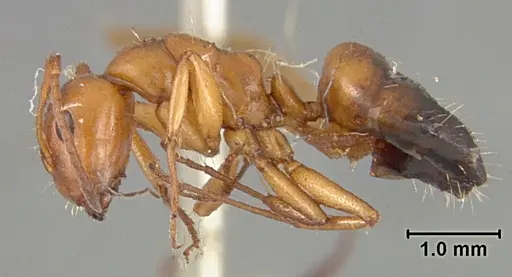
Camponotus bakeri
- Nome científico
- Camponotus bakeri
- Subgênero
- Myrmentoma
- Tribo
- Camponotini
- Subfamília
- Formicinae
- Autor
- Wheeler, 1904
- Nome comum
- Baker's Carpenter Ant
- Distribuição
- Encontrada em 1 países
Introdução
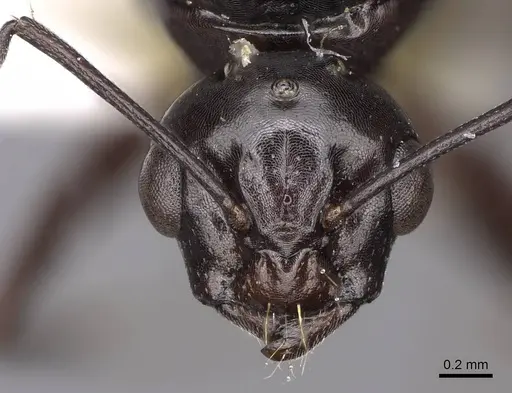
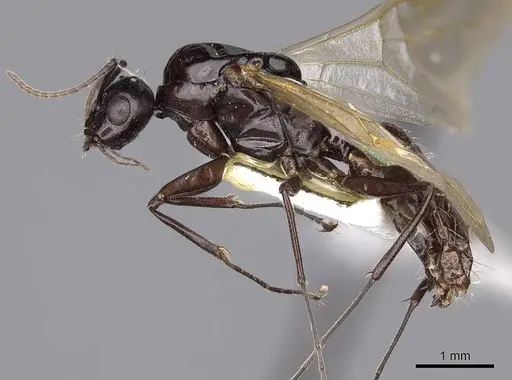
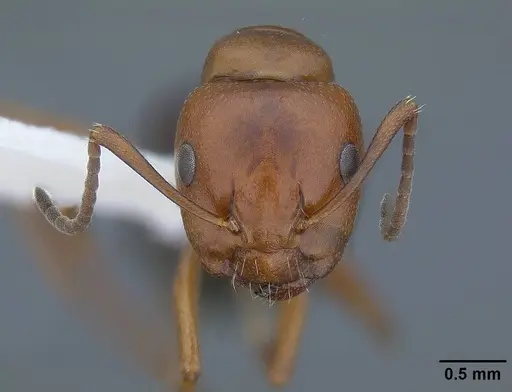
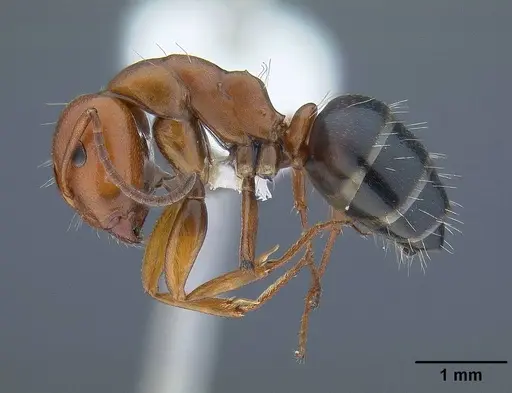
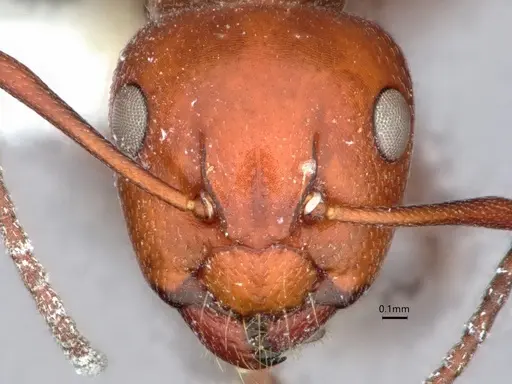
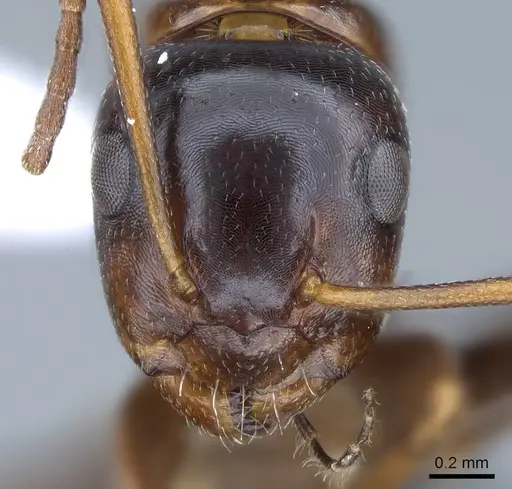
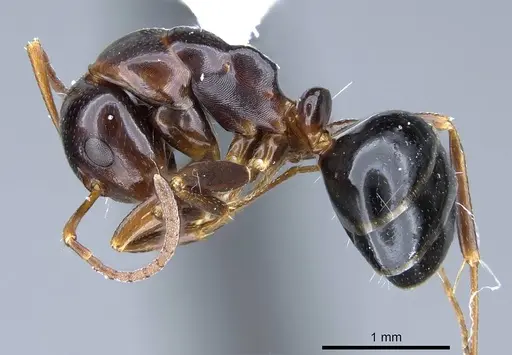
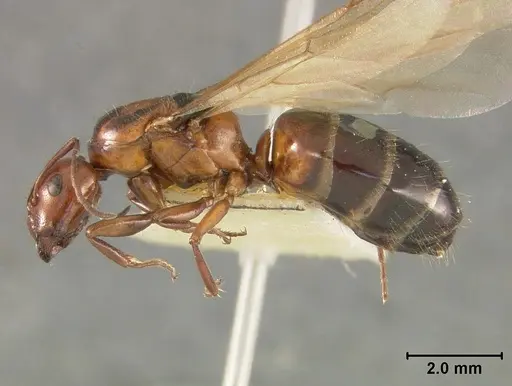
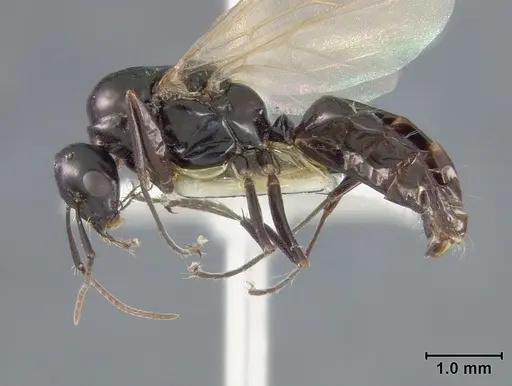
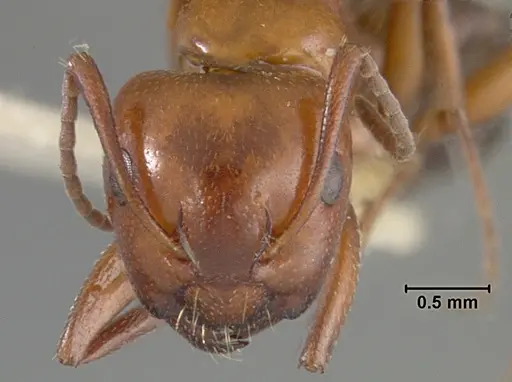
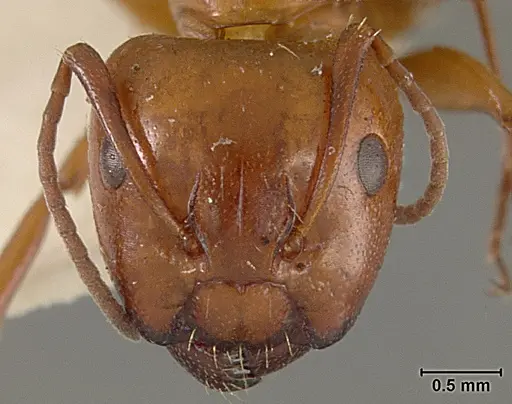
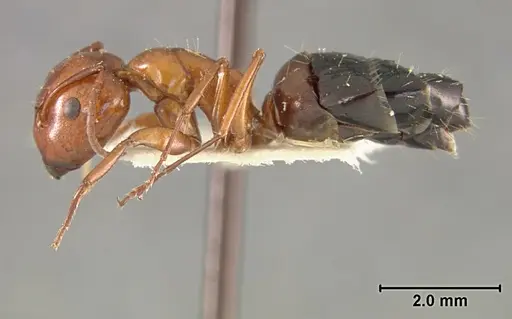
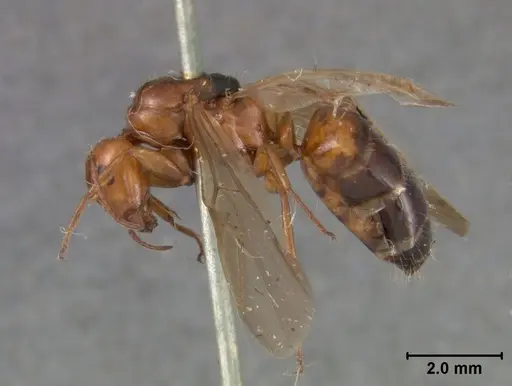
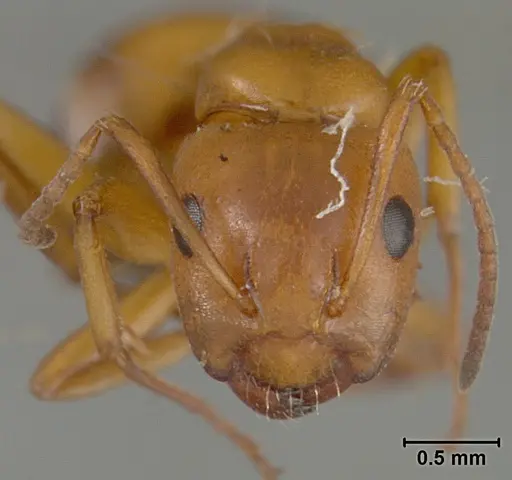
Camponotus bakeri is a small carpenter ant species native to the California Channel Islands, specifically found on Santa Catalina Island. Workers are polymorphic, with larger major workers and smaller minor workers. The species was originally described in 1904 as a variety of Camponotus hyatti before being elevated to full species status in 1985. Like other Formicinae ants, they lack a functional sting and instead use their mandibles to bite and spray formic acid from their acidopore as defense. This species belongs to the subgenus Myrmentoma, a group of smaller carpenter ants found across North America.
Quick Summary
- Difficulty: Medium
- Origin & Habitat: Native to the Nearctic region, specifically the Santa Barbara Islands off Southern California. Found on Santa Catalina Island where it inhabits the Mediterranean climate of the Channel Islands. Like other Camponotus species, they likely nest in rotting wood, under stones, or in soil cavities. [1][2]
- Colony Type: Colony type is unconfirmed for this species. Based on typical Camponotus patterns, single-queen colonies are likely but not verified. [2]
- Size & Growth:
- Queen: Approximately 9-11 mm, inferred from Myrmentoma genus patterns [2]
- Worker: Workers range from 4-8 mm depending on caste, inferred from genus patterns [2]
- Colony: Colony size data unavailable for this specific species [2]
- Growth: Moderate
- Development: Development time is unconfirmed for this species. Based on typical Camponotus patterns, first workers may emerge in 6-10 weeks at warm temperatures. [2] (Development varies with temperature, warmer conditions may speed development.)
- Antkeeping:
- Temperature: Keep nest area at 22-26°C with a slight gradient. Since this species comes from Southern California's Mediterranean climate, they can tolerate room temperature but grow best in warmth. A heating cable on one side of the nest can create an ideal gradient. [2]
- Humidity: Moderate humidity is sufficient. Keep the nest substrate lightly moist but not wet. These ants prefer drier conditions than many tropical species, similar to their Mediterranean island habitat. Allow portions of the nest to dry out between waterings. [2]
- Diapause: Likely required, as a species from temperate North America, they probably need a winter rest period. Reduce temperature to 10-15°C for 2-3 months during winter (typically November-February in the Northern Hemisphere). Do not feed during diapause but keep the colony slightly moist. [2]
- Nesting: Y-tong (AAC) nests or plaster nests work well for this species. They prefer tight chambers scaled to their size. Naturalistic setups with flat stones over soil also mimic their natural nesting under stones. Avoid overly humid conditions that can cause mold. [2]
- Behavior: These ants are generally calm and not aggressive toward keepers. Like most Camponotus, they are primarily nocturnal or crepuscular, becoming more active in dim light. Workers forage for honeydew and small insects. They have the typical carpenter ant ability to chew through soft materials but won't damage hard plastics or acrylic. Escape risk is moderate, use standard barrier methods (fluon on test tube rims, fine mesh on outworlds). [2]
- Common Issues: colonies may fail if proper diapause is not provided, test tube setups can flood if water reservoirs are overfilled, use proper water tube ratios, slow initial growth causes beginners to overfeed or disturb the queen, patience is key, wild-caught colonies may contain parasites that kill them in captivity, mold problems occur if humidity is too high, provide ventilation and allow drying
Nest Preferences
Camponotus bakeri naturally nests in rotting wood, under stones, and in soil cavities, typical behavior for carpenter ants. In captivity, Y-tong (AAC) nests work excellently because they provide the dark, tight chambers these ants prefer. Plaster nests are also suitable and allow you to control humidity levels. For founding colonies, a simple test tube setup with a cotton water reservoir is sufficient, the queen will seal herself into a chamber and remain there until her first workers emerge. Avoid naturalistic setups with large open spaces, these ants do best in compact, enclosed nests with narrow passages. The nest should be kept dark or covered to mimic their natural underground or inside-wood nesting sites. [2]
Feeding and Diet
Like other Camponotus species, C. bakeri is omnivorous with a preference for sweet liquids and protein. Offer sugar water (1:1 ratio with water) or honey as a constant energy source. For protein, provide small insects like fruit flies, mealworms, or crickets twice weekly. They will also collect honeydew if you have access to aphid colonies. During the founding stage, the queen typically does not eat, she relies on stored fat reserves. Once workers arrive, they will readily accept sugar water, honey, and protein prey. Avoid overfeeding as uneaten food can mold and harm the colony. Remove any uneaten prey after 24-48 hours. [2]
Temperature and Seasonal Care
This species comes from Southern California's Mediterranean climate, meaning they experience mild winters and warm, dry summers. Keep the nest at 22-26°C during the active season (spring through fall). Room temperature within this range is usually sufficient, but you can use a heating cable on one side of the nest to create a gentle gradient if needed. Place the heating on top of the nest, not underneath, to avoid evaporating moisture too quickly. During winter (roughly November through February), reduce temperature to 10-15°C to provide proper diapause. This winter rest is essential for the colony's health and triggers reproductive behavior in spring. Do not feed during diapause but keep the colony slightly moist. [2]
Defense Mechanism
Camponotus bakeri belongs to the subfamily Formicinae and tribe Camponotini. Like other ants in this group, they lack a functional sting. Their primary defense is to bite the target and spray a stream of concentrated formic acid from an acidopore into the wound. This chemical defense is effective against predators and other threats. [2]
Behavior and Temperament
Camponotus bakeri is a calm, non-aggressive species that handles well once established. Workers are moderately active and will forage for food during evening and nighttime hours, though they may adjust to your feeding schedule. Unlike some ants, they do not have a painful sting, making them safe for keepers. Major workers (the larger caste) can be impressive foragers while minor workers handle brood care. They communicate using chemical signals and pheromone trails, typical of Camponotus. Escape risk is moderate, they are not particularly small, but they are agile. Use standard barriers like fluon on test tube rims and fine mesh on outworlds. These ants are not destructive to proper housing materials but can chew through soft materials like cork if bored. [2]
Frequently Asked Questions
How long does it take for Camponotus bakeri to have first workers?
First workers (nanitics) typically emerge 6-10 weeks after the queen lays eggs, assuming optimal temperature (22-26°C). This is based on typical Camponotus development patterns since specific data for C. bakeri is not available. Patience is essential, do not disturb the queen during this founding period. [2]
Can I keep Camponotus bakeri in a test tube?
Yes, test tubes work excellent for founding colonies. Use a standard test tube setup with a cotton water reservoir (about 25% of the tube length). The queen will seal herself into the dry end and remain there. Keep the tube dark and undisturbed until workers emerge. Once the colony reaches 15-20 workers, consider moving to a small formicarium or Y-tong nest. [2]
What temperature do Camponotus bakeri need?
Keep them at 22-26°C during the active season. They can tolerate room temperature (20-24°C) but grow best in warmth. A heating cable on one side of the nest creates an ideal gradient. During winter diapause, reduce to 10-15°C. [2]
Do Camponotus bakeri need hibernation?
Yes, as a species from temperate North America, they likely require a winter rest period. Reduce temperature to 10-15°C for 2-3 months during winter (typically November-February). Keep the colony slightly moist during this time but do not feed. This diapause is essential for colony health. [2]
How big do Camponotus bakeri colonies get?
Colony size data is unavailable for this specific species. Based on related Myrmentoma species, colonies may reach several hundred workers at maturity. This takes 1-2 years from founding. Growth is moderate. [2]
What do Camponotus bakeri eat?
They are omnivorous. Offer sugar water or honey constantly as an energy source. Feed protein (small insects like fruit flies, mealworms, crickets) twice weekly. They will also collect honeydew if available. Remove uneaten prey after 24-48 hours to prevent mold. [2]
Are Camponotus bakeri good for beginners?
Yes, they are considered a good intermediate species. They are more forgiving than some exotic tropical ants but require proper winter diapause. Their calm temperament and lack of painful sting make them suitable for learners. The main challenges are providing proper hibernation and being patient during the slow founding stage. [2]
When should I move Camponotus bakeri to a formicarium?
Move from test tube to a small formicarium or Y-tong nest when the colony reaches 15-30 workers. Signs they need more space include workers constantly clustering at the water reservoir, refusal to take prey inside the tube, or the tube becoming moldy despite cleaning. Make sure the new nest has appropriately sized chambers, not too large. [2]
Can I keep multiple Camponotus bakeri queens together?
Colony type is unconfirmed for this species. Based on typical Camponotus patterns, single-queen colonies are likely. If you catch multiple founding queens, house them separately until you observe clear territorial behavior or aggression. [2]
Report an Issue
The current care sheet is based fully on literature. See inconsistencies, or something that's incorrect? Please , it will be resolved after review from an admin. Contributing to the blogs tab also helps providing information, to make us be able to further improve the caresheets. Thank you for your support!
References

Este guia de cuidados está sob a licença CC BY-SA 4.0 .
Posts da comunidade
CASENT0005340
Ver no AntWeb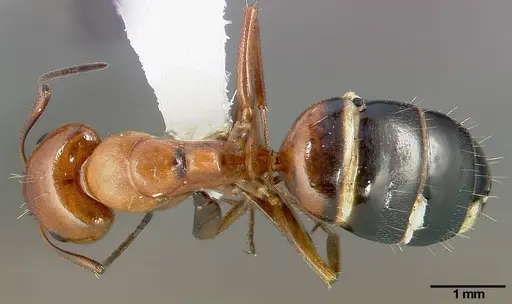
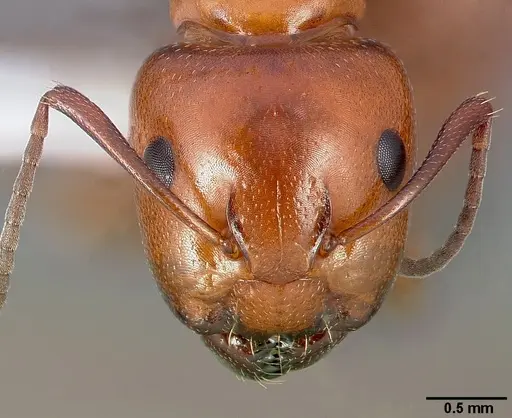
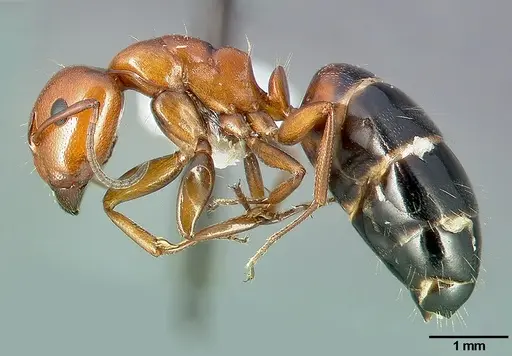
CASENT0844042
Ver no AntWeb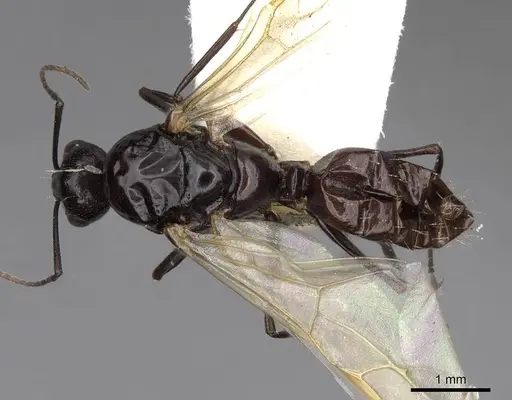
CASENT0844043
Ver no AntWeb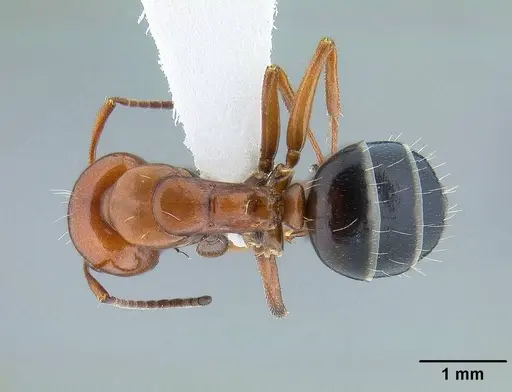
CASENT0882056
Ver no AntWeb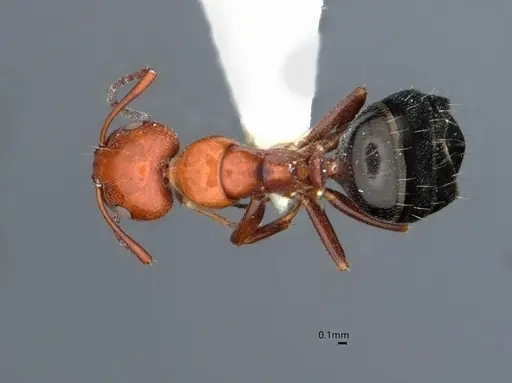
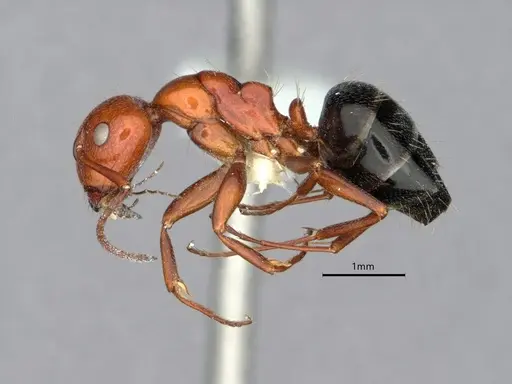
CASENT0914442
Ver no AntWeb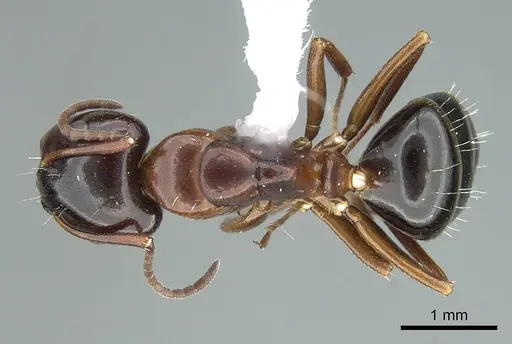
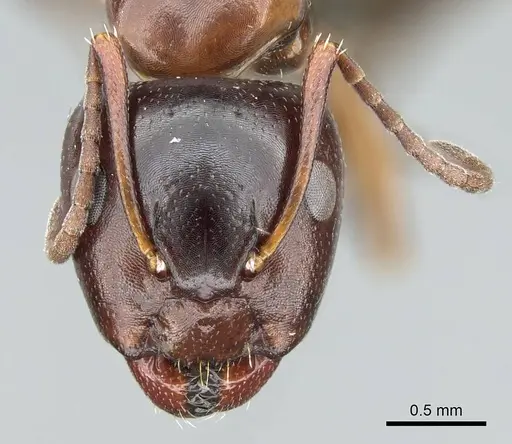
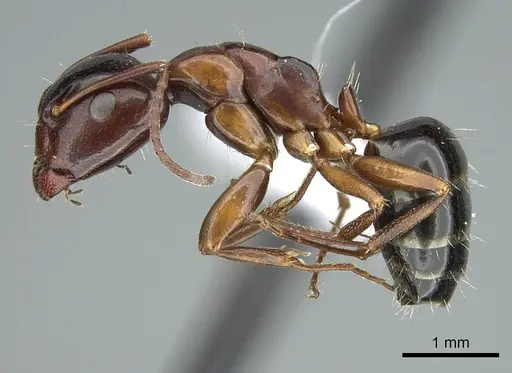
CASENT0914443
Ver no AntWeb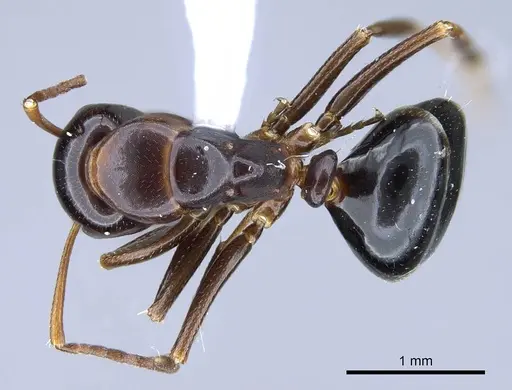
FMNHINS0000062559
Ver no AntWeb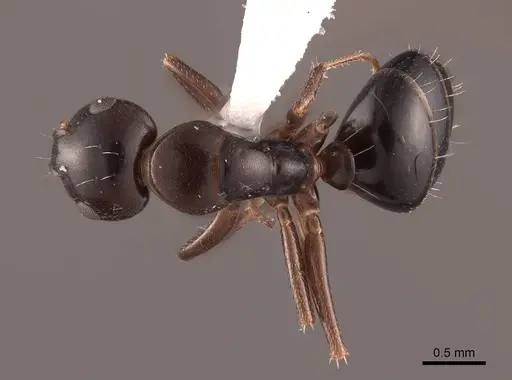
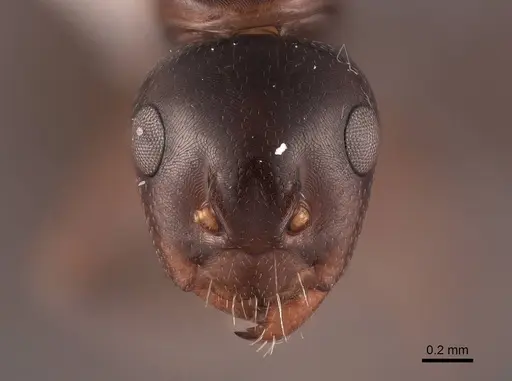
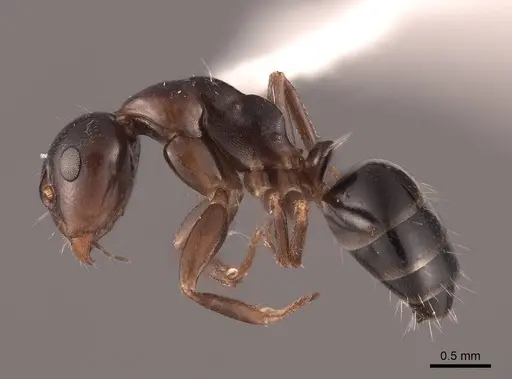
USNMENT01129585
Ver no AntWeb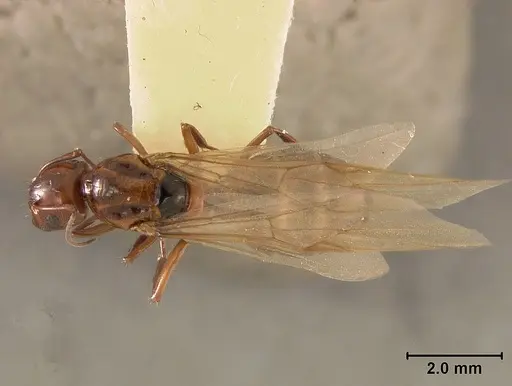
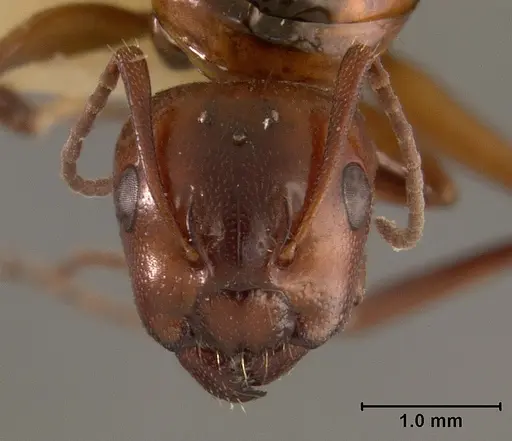
USNMENT01129586
Ver no AntWeb
USNMENT01129587
Ver no AntWeb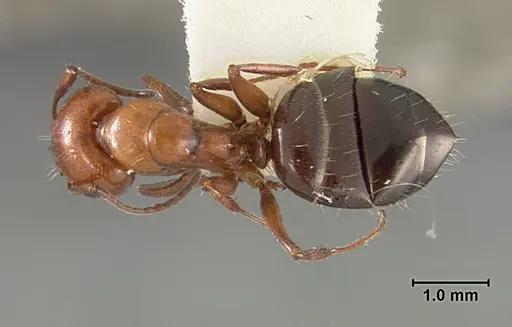
USNMENT01129588
Ver no AntWeb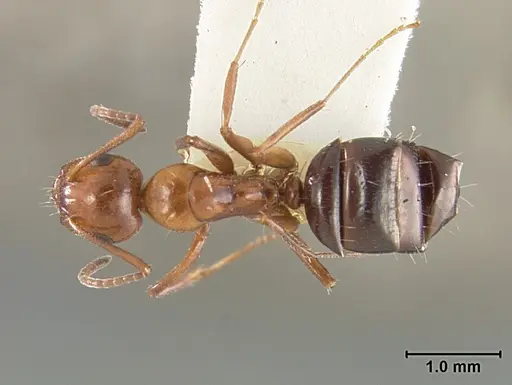
USNMENT01129592
Ver no AntWeb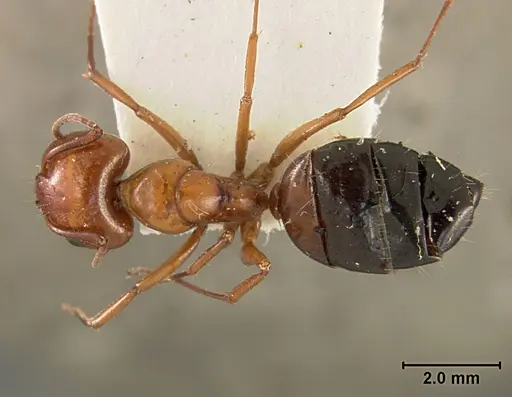
USNMENT01129593
Ver no AntWeb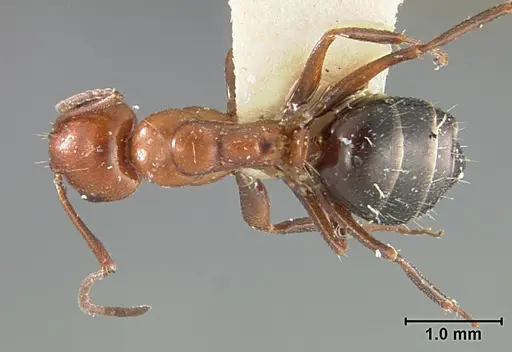
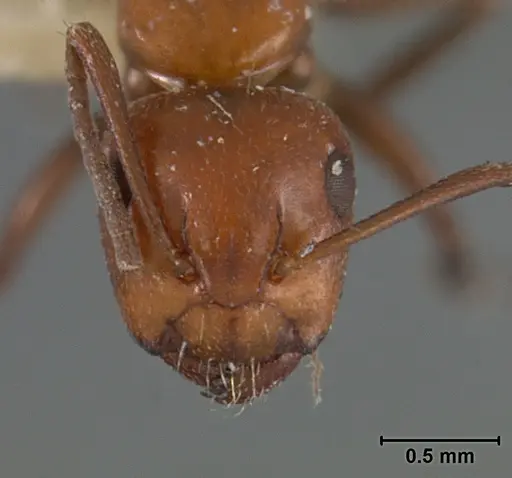
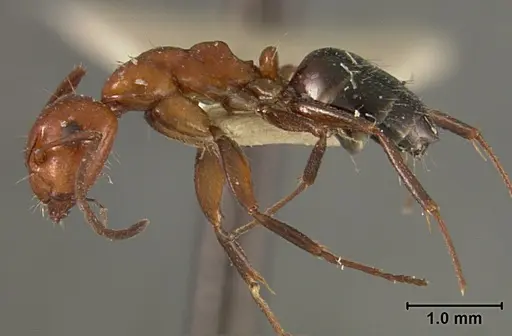
USNMENT01129595
Ver no AntWeb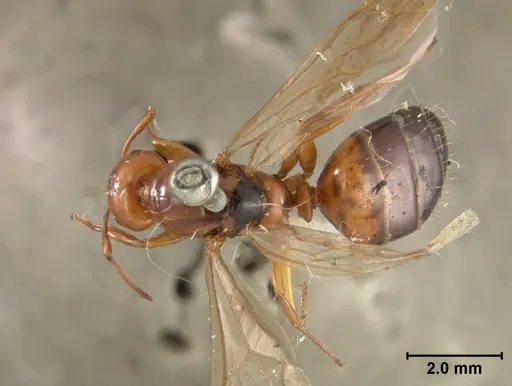
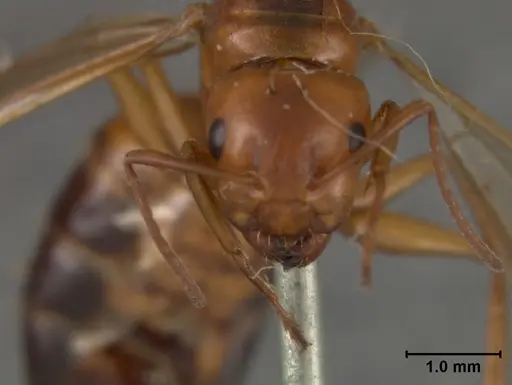
USNMENT01129596
Ver no AntWeb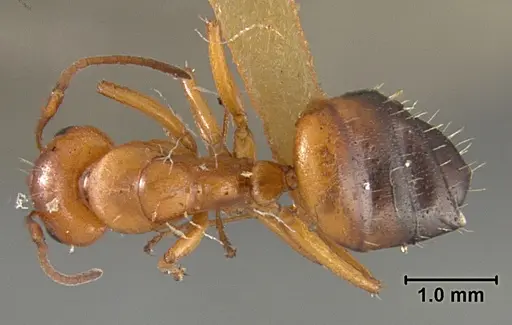
Literatura
Carregando mapa de distribuição...Carregando produtos...