
Bothroponera talpa
- Nome científico
- Bothroponera talpa
- Tribo
- Ponerini
- Subfamília
- Ponerinae
- Autor
- André, 1890
- Distribuição
- Encontrada em 6 países
Introdução
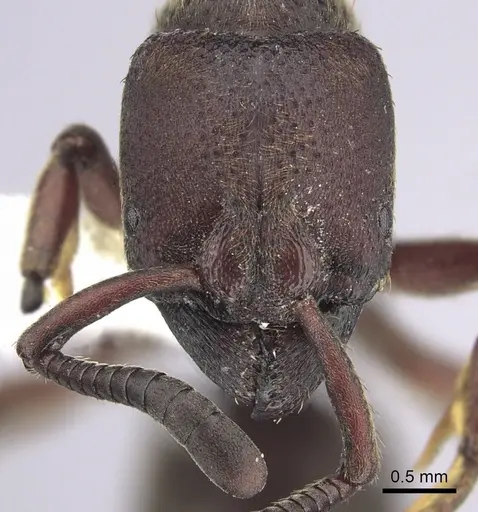
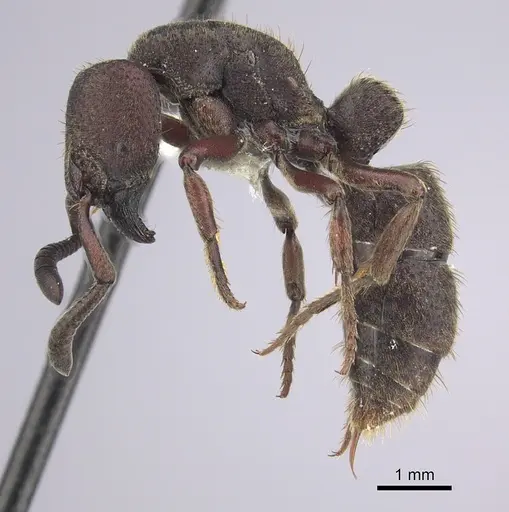
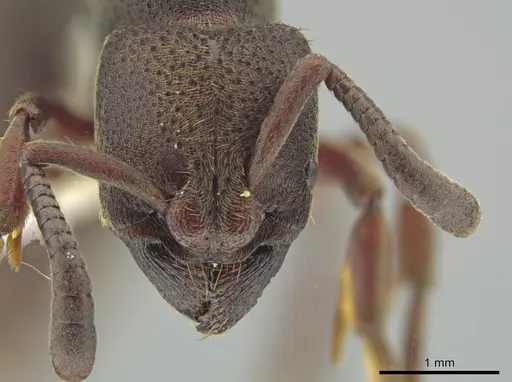
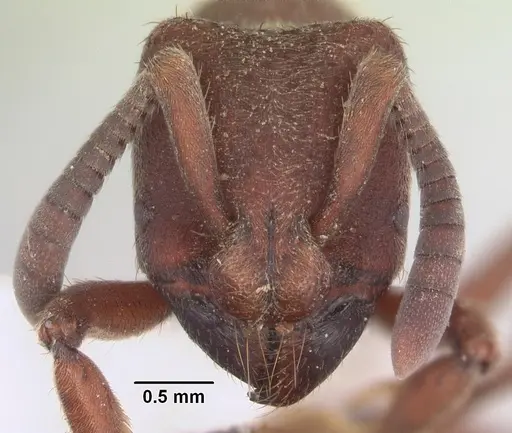
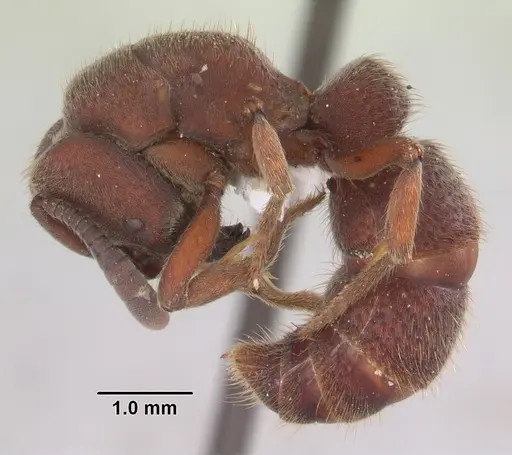
Bothroponera talpa is a medium-sized predatory ant native to equatorial Africa, found across Kenya, Uganda, Cameroon, Congo, Angola, Guinea, and Sierra Leone. Workers measure 8-10mm and have a robust, dark brown to brownish-black body covered with distinctive long golden hairs. Their mandibles have 7 teeth, and they lack the median clypeal carina found in some related species. Queens are larger at 10-12mm. These ants live in equatorial rainforests where they nest in leaf litter, under stones, and in rotting wood debris. They are predatory, hunting small invertebrates in the forest floor litter.
Quick Summary
- Difficulty: Medium
- Origin & Habitat: Equatorial Africa, found in rainforests across Kenya, Uganda, Cameroon, Congo, Angola, Guinea, and Sierra Leone. They inhabit leaf litter, rotting wood debris, and nest under stones in forest floors [1][2][3].
- Colony Type: Colony structure is not extensively studied. Based on genus patterns, likely single-queen colonies, but this is unconfirmed.
- Size & Growth:
- Queen: 10.40-11.60 mm [3]
- Worker: 8.10-9.95 mm [3]
- Colony: Unknown, no documented colony size data available
- Growth: Moderate, Ponerinae species typically develop slower than many Myrmicinae
- Development: Estimated 8-12 weeks at optimal temperature based on typical Ponerinae development patterns (Development time is not directly documented for this species. Ponerine ants generally have longer development times than many common hobby species, often taking 2-3 months from egg to first worker.)
- Antkeeping:
- Temperature: Keep around 24-28°C. As a tropical rainforest species, they prefer warm, stable conditions. A heating cable on one side of the nest creates a suitable gradient.
- Humidity: High humidity, rainforest species. Keep nest substrate consistently moist but not waterlogged. They naturally live in damp leaf litter environments, so mist regularly and provide a water tube.
- Diapause: No, being a tropical species, they do not require hibernation or winter rest. Maintain stable temperatures year-round.
- Nesting: They naturally nest in leaf litter, under stones, and in rotting wood debris. In captivity, they do well in naturalistic setups with moist substrate (soil/peat mix), or in Y-tong/plaster nests that retain humidity. Provide a deep substrate layer for them to forage through.
- Behavior: Ponerine ants are typically more defensive and have potent stings compared to many common ant species. Workers are predatory, hunting small invertebrates in the litter. They are ground-nesting and likely nocturnal or crepuscular foragers. Their sting is functional and can penetrate human skin, expect a painful sting similar to other Ponerinae. They are not escape artists due to their moderate size, but use standard barrier precautions. Workers are relatively slow-moving compared to faster ants.
- Common Issues: Sting pain, these ants can deliver a painful sting, so handle with care and avoid disturbing the nest., Humidity management, being rainforest dwellers, they suffer in dry conditions, monitor substrate moisture regularly., Slow colony growth, Ponerinae develop more slowly than many ants, which can test keeper patience., Predatory feeding requirements, they need live prey and may not accept sugar water, requiring consistent protein feeding., Wild-caught colonies may carry parasites from their native habitat that can affect captive survival.
Housing and Nest Setup
Bothroponera talpa does well in naturalistic setups that mimic their forest floor habitat. Use a deep enclosure (at least 5-7cm of substrate) with a moist soil/peat mixture. They naturally nest under stones and in rotting wood, so add pieces of flat stone, cork bark, or rotting wood pieces for them to nest under. A Y-tong or plaster nest also works well if you maintain high humidity inside. Provide an outworld for foraging where you can offer prey items. Use a water tube for drinking water. Because they are moderate-sized ants, standard escape prevention works fine, they cannot squeeze through gaps like tiny ants can. [2][3]
Feeding and Diet
As a Ponerinae ant, Bothroponera talpa is predatory and needs live invertebrate prey. Offer small insects like fruit flies, small crickets, mealworms, and other appropriately-sized prey. They are likely obligate predators that do not consume seeds or tend aphids. Some keepers report Ponerinae accepting pre-killed prey, but live prey is more reliable. Feed every 2-3 days, adjusting based on colony size and consumption. A small dish of water should always be available. Sugar water acceptance is uncertain, offer occasionally but do not rely on it as a primary food source.
Temperature and Humidity
Keep these ants warm at 24-28°C. Being from equatorial Africa, they need consistently warm conditions year-round, no hibernation or cooling period is needed. A heating cable under one side of the nest creates a temperature gradient they can choose from. Humidity should be high, aim for 70-80% relative humidity in the nest. Keep the substrate consistently moist but not soggy. Mist the enclosure regularly and check that condensation forms on the sides. In dry conditions, these ants will struggle and may abandon brood or die.
Behavior and Temperament
Bothroponera talpa workers are defensive and will attack perceived threats. Like other Ponerinae, they have a functional sting that can penetrate human skin and causes noticeable pain. Observe from a distance rather than disturbing the nest. Workers forage slowly through the substrate, hunting small invertebrates. They are not aggressive toward humans unless threatened, but will readily sting if provoked. Colony activity is likely highest during evening and night hours, reflecting their natural nocturnal foraging behavior in rainforest leaf litter. [2][3]
Growth and Development
Ponerine ants like B. talpa develop more slowly than many common ant species. Expect 2-3 months from egg to first worker at optimal temperature. The first workers (nanitics) will be smaller than mature workers. Growth rate is moderate, colonies will expand gradually over the first year. Patience is key with this species. Do not overfeed, as excess prey can mold and cause health issues. Remove uneaten prey after 24-48 hours.
Frequently Asked Questions
Does Bothroponera talpa sting?
Yes. Like other Ponerinae ants, they have a functional sting that can penetrate human skin and causes a painful sting. Handle with care and avoid disturbing the nest.
What do Bothroponera talpa ants eat?
They are predatory ants that need live invertebrate prey. Feed small insects like fruit flies, small crickets, or mealworms. They likely do not accept sugar water as a primary food source.
How long does it take for first workers to appear?
Based on typical Ponerinae development, expect 8-12 weeks from egg to first worker at optimal temperature (24-28°C). They develop more slowly than many common ant species.
Do Bothroponera talpa need hibernation?
No. Being a tropical species from equatorial Africa, they do not require hibernation or winter cooling. Keep them warm year-round at 24-28°C.
Are Bothroponera talpa good for beginners?
No. They are considered intermediate to advanced due to their specific humidity requirements, predatory feeding needs, slower growth, and painful sting. They require more attention than beginner-friendly species.
What humidity do they need?
High humidity, they are rainforest ants. Keep substrate consistently moist and aim for 70-80% humidity in the nest area. They will struggle in dry conditions.
How big do colonies get?
Colony size is not well documented. No specific data on maximum colony size is available in the literature.
Can I keep multiple queens together?
Not recommended. Colony structure is not documented, but based on typical Ponerinae patterns, single-queen colonies are likely. Combining unrelated queens has not been documented and queens would likely fight.
What nest type is best?
They do well in naturalistic setups with deep, moist substrate or in Y-tong/plaster nests that hold humidity well. Provide materials like flat stones or cork bark for them to nest under.
Where are they found in the wild?
Equatorial Africa, Kenya, Uganda, Cameroon, Congo, Angola, Guinea, and Sierra Leone. They live in rainforests, nesting in leaf litter and under stones on the forest floor.
Why are they hard to find in the hobby?
This species is rarely kept in captivity. They are not commonly exported, and their specific requirements (high humidity, predatory diet, slower growth) make them challenging for most keepers.
Do they need a heat source?
Yes, a heating cable or mat is recommended to maintain 24-28°C. Being tropical, they need consistent warmth. Place heating under one side of the nest to create a gradient.
Report an Issue
The current care sheet is based fully on literature. See inconsistencies, or something that's incorrect? Please , it will be resolved after review from an admin. Contributing to the blogs tab also helps providing information, to make us be able to further improve the caresheets. Thank you for your support!
References

Este guia de cuidados está sob a licença CC BY-SA 4.0 .
Posts da comunidade
CASENT0217114
Ver no AntWeb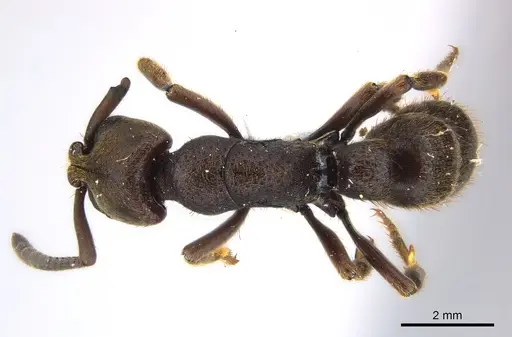
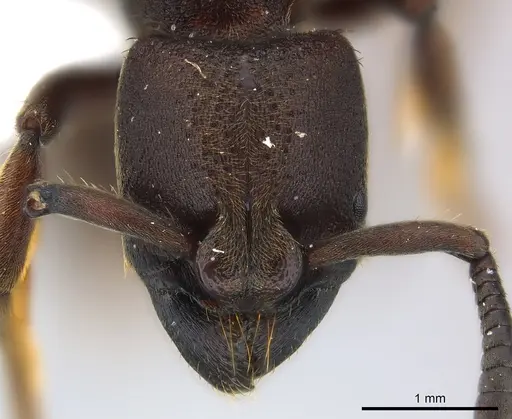
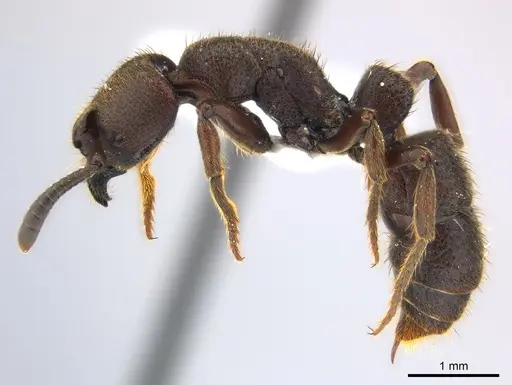
CASENT0249208
Ver no AntWeb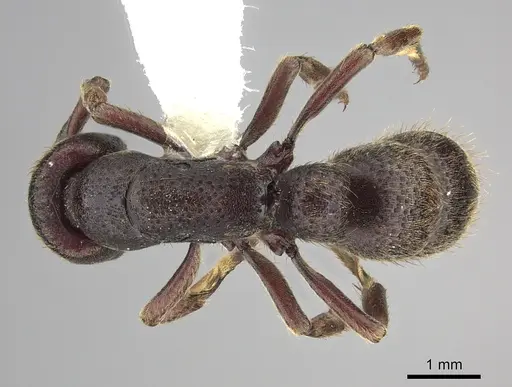
CASENT0629608
Ver no AntWeb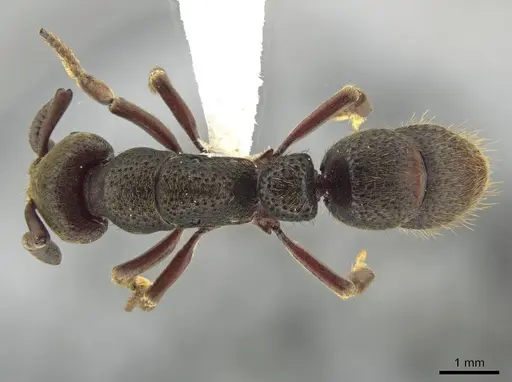
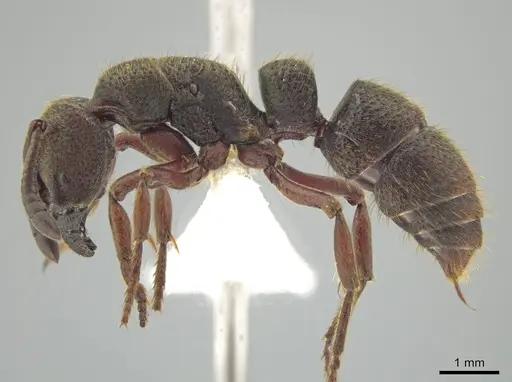
CASENT0922352
Ver no AntWeb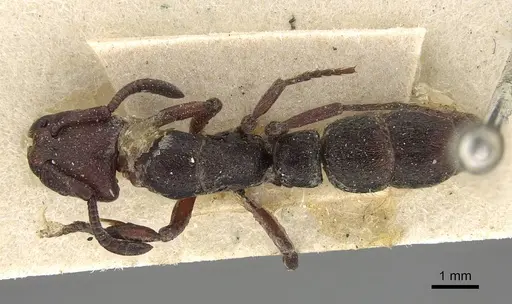
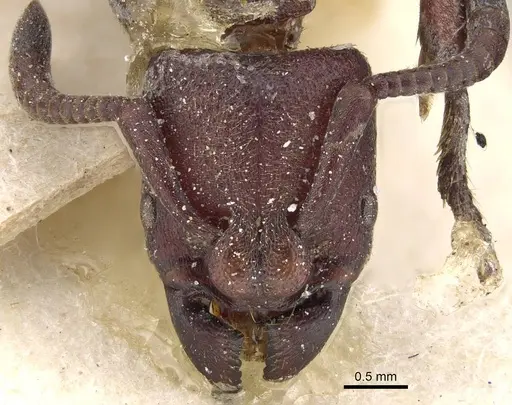
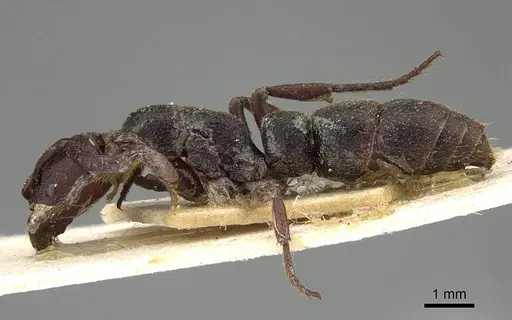
SAM-HYM-C007964
Ver no AntWeb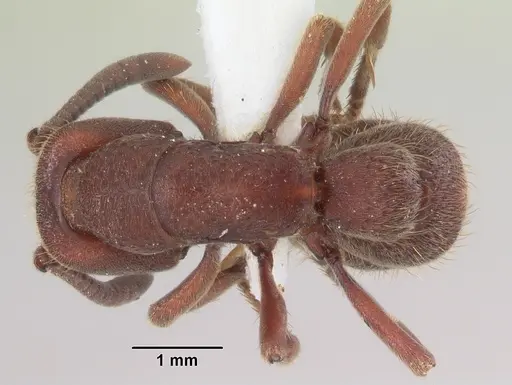
Literatura
Carregando mapa de distribuição...Carregando produtos...