
Blepharidatta brasiliensis
- Nome científico
- Blepharidatta brasiliensis
- Tribo
- Attini
- Subfamília
- Myrmicinae
- Autor
- Wheeler, 1915
- Distribuição
- Encontrada em 3 países
Introdução
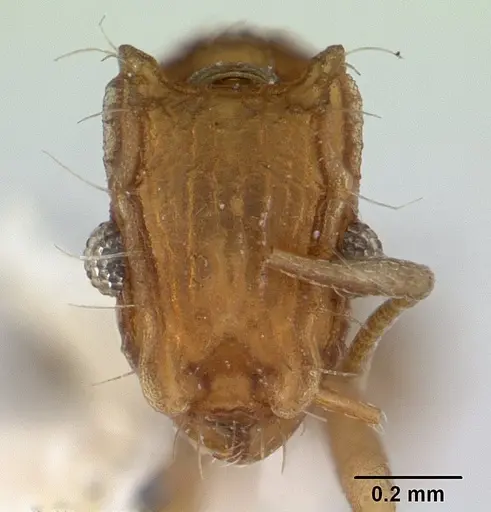
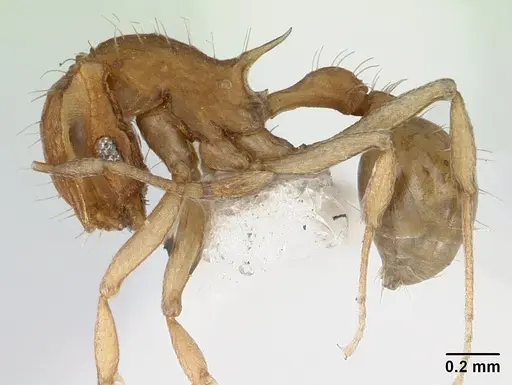
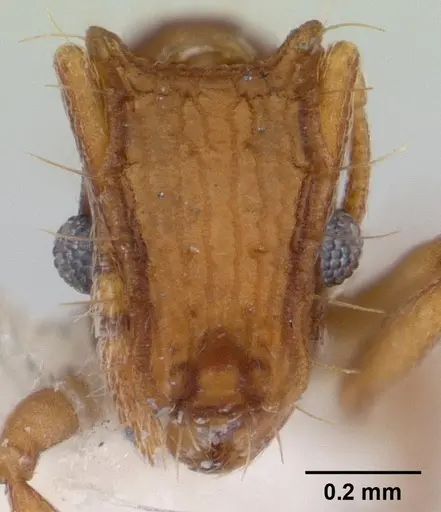
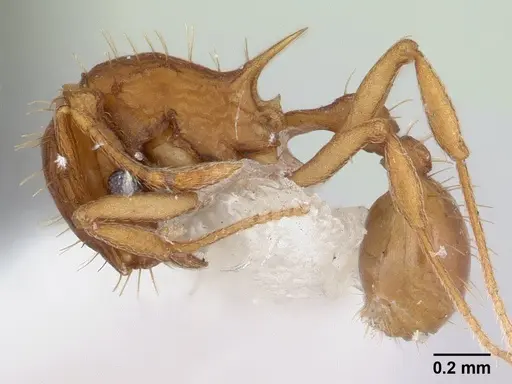
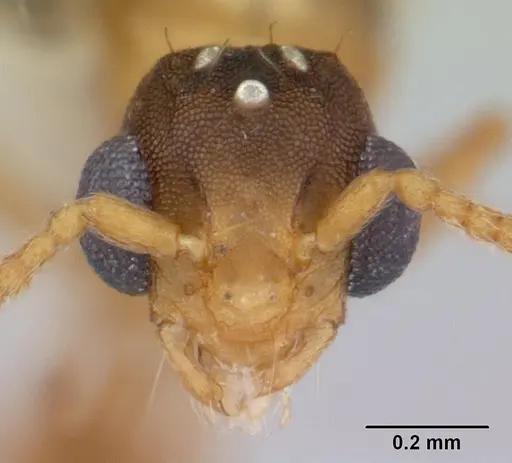
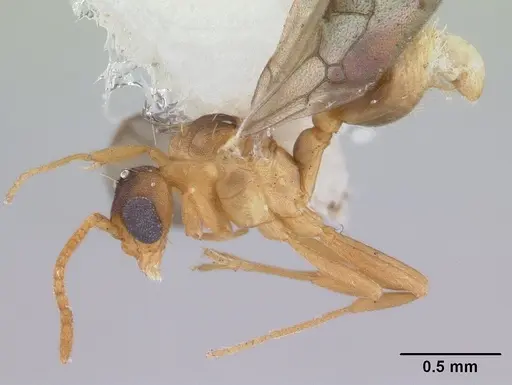
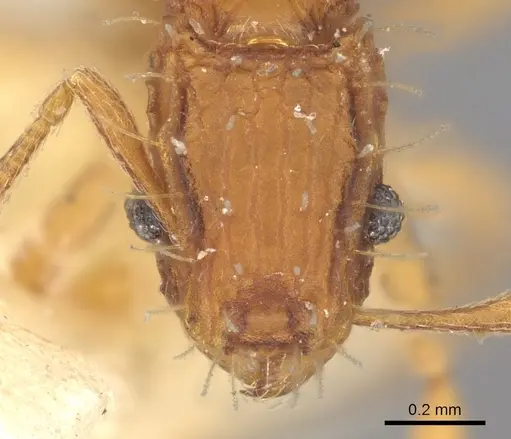
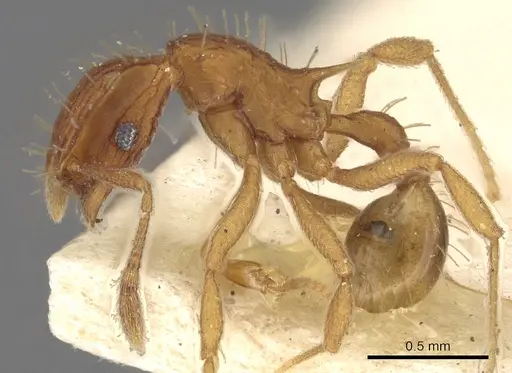
Blepharidatta brasiliensis is a tiny yellowish ant native to the Amazon rainforest, measuring about 2.5mm as a worker . They have a distinctive appearance with a rounded, strongly protruding eye and a densely textured, opaque body . This species is unusual because instead of having typical winged queens, they have ergatoid queens - wingless females that look almost like workers but are slightly larger . Colonies are polygynous, meaning they have multiple queens (typically 1-11) working together in a single nest . What makes B. brasiliensis particularly interesting is their flexible nesting behavior - they nest inside cavities in rotting branches or between rolled leaves on the forest floor . They're primarily nocturnal predators and scavengers, hunting other small insects (especially other ant species) and cleaning up arthropod carcasses . Workers have been observed cutting off their prey's legs and antennae before dragging it back to the nest - a methodical approach to handling prey much larger than themselves . This species can be relatively common in some Amazonian areas, ranking as the 5th most frequent ant species in some survey locations .
Quick Summary
- Difficulty: Medium
- Origin & Habitat: Central to western Amazonian region, Brazil (Acre, Amazonas, Pará, Rondônia), Colombia (Vaupés), Ecuador (Napo), and Venezuela (Amazonas). They live in moist tropical rainforest, specifically terra firme lowland rainforest [1][2].
- Colony Type: Polygynous colonies with 1-11 ergatoid (wingless) queens. New colonies are likely founded through colony fission rather than nuptial flights, since queens are functionally flightless [2]. Ergatoid queens differ from workers mainly in size and do not possess modified frontal disks [3].
- Size & Growth:
- Queen: size data unavailable, ergatoid queens are slightly larger than workers but specific measurements not documented [1]
- Worker: 2.5mm total length [1]
- Colony: Small to medium colonies, typically 49-117 workers in most colonies but can reach up to 358 workers [1][2]. Average around 132 workers [1][2].
- Growth: Moderate, colonies remain relatively small
- Development: Unknown, specific development timeline has not been studied. (Brood composition is roughly 75% larvae and 25% pupae [1][2].)
- Antkeeping:
- Temperature: Keep at 24-28°C as a starting point. This is an Amazonian rainforest species that prefers warm, stable conditions. Adjust based on colony activity, if they seem sluggish, slightly warmer, if they avoid the heated area, reduce temperature.
- Humidity: High humidity is essential, these are rainforest ants. Keep the nest substrate consistently moist but not waterlogged. The substrate should feel damp to the touch. Provide a water tube as a constant moisture source.
- Diapause: No, as a tropical species from the Amazon rainforest, they do not require hibernation. Maintain consistent year-round conditions.
- Nesting: In nature they nest in small cavities within rotting wood or between rolled fallen leaves [1][2]. For captivity, a small naturalistic setup with materials like cork, small rotting wood pieces, or a carefully scaled Y-tong/plaster nest works well. The key is providing small, appropriately-sized chambers, their natural nest chambers are only about 4cm x 1.5cm [1][2]. They can modify their space by building walls from a mixture of soil, vegetable debris, and insect parts [1][2].
- Behavior: Blepharidatta brasiliensis is a nocturnal, omnivorous predator and scavenger [2]. Workers are active primarily at night, ceasing activity around noon and becoming active again at dusk (around 18:30) until morning (8:00) [2]. They are generalist predators that hunt small arthropods and other ants, and they also scavenge on dead insects [2]. When disturbed, workers pick up the brood and hold them in their mandibles for protection [1][2]. They are not particularly aggressive toward humans. However, they are skilled hunters, when catching prey, they methodically cut off legs and antennae before dragging the prey to the nest [1][2]. Escape prevention is critical due to their very small size (2.5mm), they can squeeze through tiny gaps.
- Common Issues: escape prevention is critical, their tiny 2.5mm size means they can slip through the smallest gaps in setups, small colony size means slower population growth compared to many common ant species, nocturnal activity pattern means you'll see most activity in evening and morning hours, don't mistake low daytime activity for problems, wild-caught colonies may have parasites that can affect survival in captivity, overfeeding can lead to mold issues in small, humid setups
Housing and Nest Setup
Because B. brasiliensis is such a tiny ant, the nest dimensions matter significantly. In the wild, they nest in small cavities within rotting branches or between rolled leaves, their chambers are only about 4cm long by 1.5cm wide [1][2]. For captivity, consider a small naturalistic setup with appropriately scaled chambers. A Y-tong (AAC) nest with narrow passages or a small plaster nest can work well. You can also create a naturalistic setup using small pieces of cork or rotting wood. The key is providing chambers that match their natural scale, too large and they may feel insecure.
These ants are skilled at modifying their nests. In the wild, when cavities are too large, they build walls from a mixture of soil, vegetable debris, and insect parts [1][2]. In captivity, this behavior suggests they can adapt to various nest materials, but they do best with some ability to manipulate their space.
Escape prevention is absolutely critical with this species. At only 2.5mm, they can squeeze through gaps that would hold back larger ants. Use fine mesh barriers, tight-fitting lids, and check all connections for tiny gaps. A thin barrier of fluon around the rim of the outworld is recommended.
Feeding and Diet
B. brasiliensis is an omnivorous predator and scavenger [2]. In the wild, they hunt and scavenge a wide variety of prey including spiders, diplopods, orthopteroids, beetles, flies, and especially other ant species (Camponotus, Cephalotes, Crematogaster, Dolichoderus, Ectatomma, Nesomyrmex, Pachycondyla, Pheidole, Pseudomyrmex, and Solenopsis) [1]. They also scavenge on dead arthropods including beetles, bees, cicadas, crickets, termites, and spiders [2].
One fascinating behavior observed in captivity is that they may accept plant matter, they've been baited with cream-of-rice and may collect nutrient-rich plant structures like seeds or elaiosomes [2]. In one study, a colony showed facultative fungivory, cropping and consuming mycelium from another ant species' fungus garden [2].
For captivity, offer small live prey like fruit flies, pinhead crickets, or small mealworms. They also accept dead insects and can be fed small pieces of protein-rich foods. Sugar water or honey can be offered occasionally, though they're primarily predatory. Feed small amounts 2-3 times per week and remove uneaten food promptly to prevent mold in their humid setup.
Temperature and Humidity
As an Amazonian rainforest species, B. brasiliensis requires warm and humid conditions. Keep temperatures in the range of 24-28°C as a starting point. Monitor your colony's behavior, if workers are clustered near a heat source, they may want it warmer, if they avoid the heated area, reduce temperature slightly.
High humidity is essential. These ants live in the moist Amazon rainforest and will not tolerate dry conditions. Keep the nest substrate consistently moist but not waterlogged. The substrate should feel damp to the touch. A water tube attached to the nest provides a constant source of humidity. However, balance humidity with adequate ventilation to prevent mold growth, stagnant, overly humid air can cause problems.
Unlike temperate species, they do not require diapause or hibernation. Maintain consistent year-round conditions that mimic the stable Amazonian climate. [2]
Behavior and Colony Dynamics
One of the most interesting aspects of B. brasiliensis is their nocturnal lifestyle. Workers are primarily active at night, with activity ceasing around noon and resuming at dusk around 18:30, continuing through the night until morning around 8:00 [2]. Some workers guard the nest entrance during morning hours [2]. Don't be concerned if your colony seems quiet during the day, this is their natural behavior.
Their colony structure is polygynous, with multiple ergatoid (wingless) queens per colony, typically 1-11 [1][2]. Unlike typical ants with large winged queens, these queens are worker-like in appearance and cannot fly. New colonies are likely founded through colony fission rather than nuptial flights [2]. This means you won't see mating flights, instead, a group of workers and ergatoid queens may simply leave to establish a new nest.
When disturbed, workers respond by picking up the brood (larvae and pupae) and holding them in their mandibles, a protective behavior to evacuate the next generation [1][2]. This is a fascinating behavior to observe and indicates they're sensitive to vibrations and disturbances.
Their hunting behavior is methodical, when capturing prey (including ants much larger than themselves), workers cut off the victim's legs and antennae before dragging it back to the nest [1][2].
Growth and Development
B. brasiliensis colonies remain relatively small compared to many common ant species. Worker populations typically range from 49-117 workers, with some colonies reaching up to 358 workers [1][2]. The average colony contains around 132 workers [1][2]. This is a small colony size, so don't expect the massive populations you might see with species like Formica or Camponotus.
The brood composition is roughly 75% larvae and 25% pupae [1][2]. This high proportion of larvae suggests active reproduction. Males are encountered rarely, in one study, only two colonies had males, each with a single male [2].
Because colonies grow slowly and stay small, patience is key. The specific egg-to-worker development time has not been documented. The small colony size also means you won't need a large formicarium, they'll do well in appropriately scaled small setups.
Frequently Asked Questions
How long does it take for Blepharidatta brasiliensis to produce first workers?
The specific egg-to-worker timeline has not been documented for this species. Since they have ergatoid (wingless) queens and likely found colonies through fission rather than traditional claustral founding, the timeline may differ from typical ant development.
Can I keep multiple Blepharidatta brasiliensis queens together?
Yes, this species is naturally polygynous, meaning colonies typically have multiple ergatoid (wingless) queens. Observed colony queen counts range from 1-11 ergatoid gynes per colony [1][2]. However, if you're introducing an unrelated queen to an established colony, introduce her cautiously and monitor for aggression.
What do Blepharidatta brasiliensis ants eat?
They are omnivorous predators and scavengers. Offer small live prey like fruit flies, pinhead crickets, or small mealworms. They also accept dead insects and can scavenge on protein-rich foods. Sugar water or honey can be offered occasionally. They've also been observed accepting plant matter like seeds and may even sample fungus [2]. Feed small amounts 2-3 times per week.
Are Blepharidatta brasiliensis good for beginners?
This species is rated as Medium difficulty. While their basic care needs (warmth, humidity, small prey) are straightforward, their very small size makes escape prevention critical. They also have specific nocturnal activity patterns and smaller colony sizes. Experienced antkeepers will find them fascinating, but beginners should be prepared for their specific requirements.
What size nest do Blepharidatta brasiliensis need?
They nest in very small cavities in nature, chambers are only about 4cm x 1.5cm [1][2]. Use a small nest with appropriately scaled chambers and narrow passages. A small Y-tong (AAC) nest, small plaster nest, or naturalistic setup with small cork pieces works well. Avoid large, open spaces that would make them feel insecure.
Do Blepharidatta brasiliensis need hibernation?
No, as an Amazonian rainforest species, they do not require diapause or hibernation. Maintain consistent year-round conditions with temperatures around 24-28°C and high humidity.
Why are my Blepharidatta brasiliensis dying?
Common causes include: escape through tiny gaps (their 2.5mm size makes this likely), low humidity (they need consistently moist conditions), temperatures that are too cold (they need warmth), mold from overfeeding or poor ventilation, or parasites from wild-caught colonies. Check your setup for escape routes and ensure humidity and temperature are appropriate.
How big do Blepharidatta brasiliensis colonies get?
Colonies remain relatively small. Typical worker populations range from 49-117, with some colonies reaching up to 358 workers [1][2]. The average colony has around 132 workers [1][2]. This is a small colony size compared to many common ant species.
When are Blepharidatta brasiliensis most active?
They are primarily nocturnal. Activity ceases around noon and resumes at dusk (around 18:30), continuing through the night until morning (around 8:00) [2]. Some workers guard the nest entrance during morning hours. Don't be concerned if your colony seems quiet during the day, this is their natural behavior.
What makes Blepharidatta brasiliensis different from other ants?
Several things make them unique: they have ergatoid (wingless) queens instead of typical winged queens, they are polygynous with multiple queens per colony, they are strictly nocturnal predators, they methodically cut off their prey's legs and antennae before consuming it, and they may show facultative fungivory by consuming fungus from other ant species' gardens [2]. Their small size and unusual colony structure make them a fascinating species to observe.
Report an Issue
The current care sheet is based fully on literature. See inconsistencies, or something that's incorrect? Please , it will be resolved after review from an admin. Contributing to the blogs tab also helps providing information, to make us be able to further improve the caresheets. Thank you for your support!
References

Este guia de cuidados está sob a licença CC BY-SA 4.0 .
Posts da comunidade
CASENT0178487
Ver no AntWeb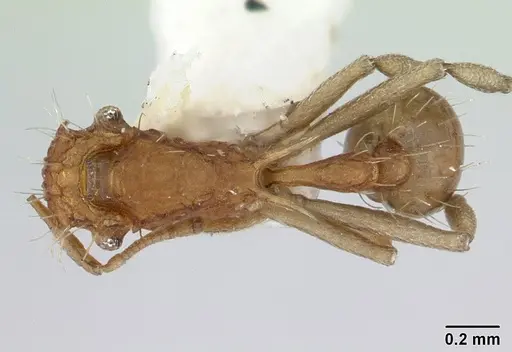
CASENT0178580
Ver no AntWeb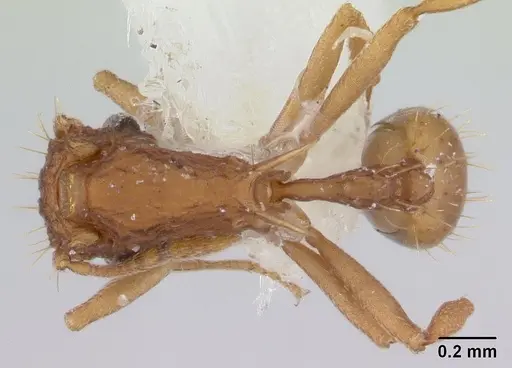
CASENT0178581
Ver no AntWeb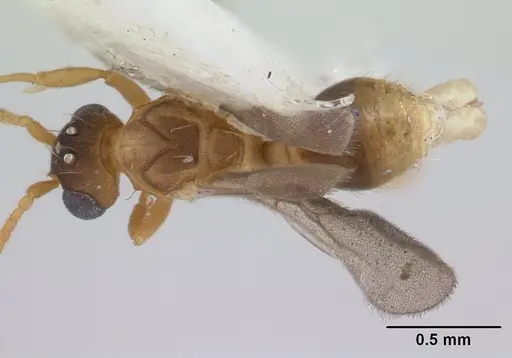
CASENT0901663
Ver no AntWeb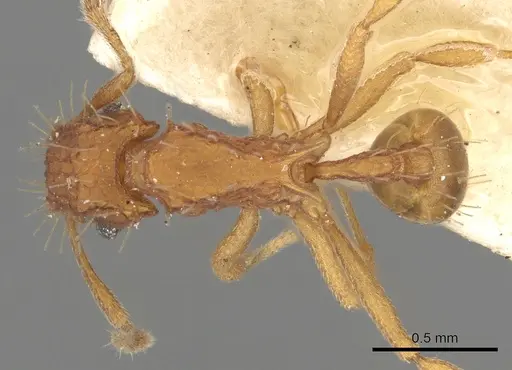
Literatura
Carregando mapa de distribuição...Carregando produtos...