
Azteca brevicornis
- Nome científico
- Azteca brevicornis
- Tribo
- Leptomyrmecini
- Subfamília
- Dolichoderinae
- Autor
- Mayr, 1878
- Distribuição
- Encontrada em 0 países
Introdução
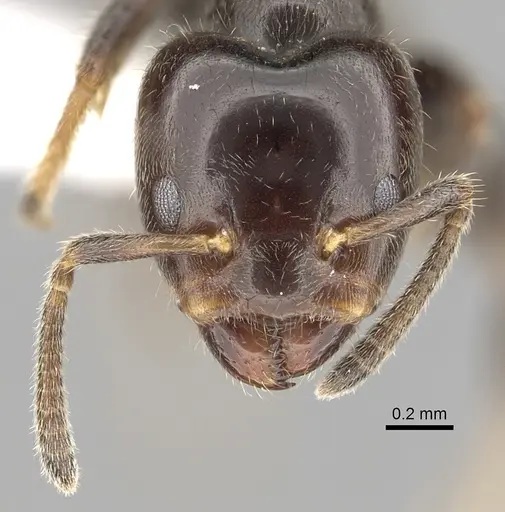
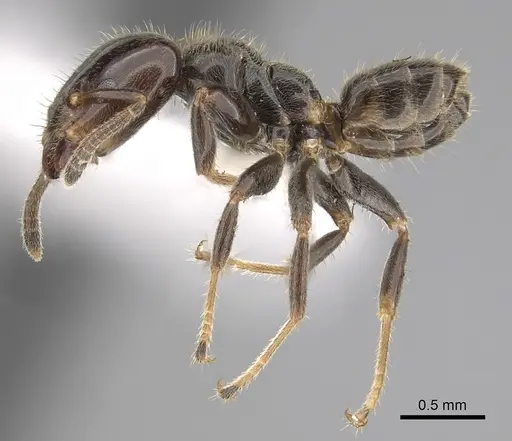
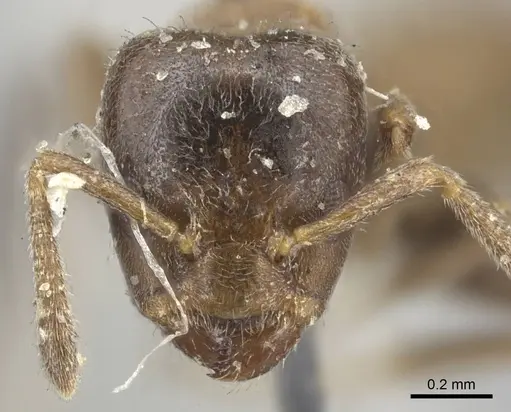
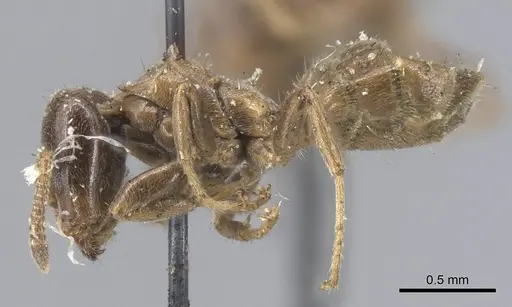
Azteca brevicornis is a tiny Amazonian ant with workers measuring 2-2.5 mm. They have a brownish-testaceous coloration with lighter yellowish legs, antennae, and mandibles . These ants are native to the Brazilian Amazon, specifically recorded in Amazonas and Pará states . They are associated with living trees - specifically Tachigalia or Sclerolobium trees (legume family) - suggesting they are specialized tree-dwelling ants that nest inside hollow stems or cavities . This plant-dependent lifestyle makes them extremely challenging to maintain in captivity.
Quick Summary
- Difficulty: Expert
- Origin & Habitat: Brazilian Amazon rainforest, found in Amazonas and Pará states. Associated with Tachigalia and Sclerolobium trees (Leguminosae) [3][1][2]
- Colony Type: Unknown, colony structure has not been documented in research
- Size & Growth:
- Antkeeping:
- Temperature: Keep warm around 25-28°C, consistent with tropical Amazon habitat [3]
- Humidity: High humidity, keep nest substrate consistently moist but allow air circulation to prevent mold
- Diapause: No, tropical species that remains active year-round
- Nesting: Arboreal setup required, they naturally inhabit living tree cavities [3]. Use vertical wood nests or plant-based setups rather than soil.
- Behavior: Fast-moving and active based on typical Azteca patterns. Their extremely small size (2-2.5 mm) means escape prevention is critical, they can squeeze through the tiniest gaps. They lack a functional sting but defend by smearing chemical compounds from the abdominal tip.
- Common Issues: escape prevention is critical, at 2-2.5 mm they fit through gaps in standard mesh or loose-fitting lids, potential requirement for specific host plant conditions makes captive breeding extremely difficult, virtually no captive care data exists, you will be working from first principles, tiny size makes it difficult to observe brood development or health issues
Natural History and Host Plant Association
Azteca brevicornis is a plant-associated ant species. The original specimens were collected from Tachigalia or Sclerolobium trees, both are large legume trees common in the Amazon [3]. This suggests they are obligate tree-dwellers that live inside hollow stems or specialized cavities of these host plants. In captivity, they likely need vertical nesting spaces with plant material or wood cavities rather than standard soil or plaster nests. You may need to experiment with hollow stems, bamboo tubes, or specialized plant-based setups to mimic their natural tree-dwelling lifestyle.
Housing and Nest Requirements
Given their tiny size of 2-2.5 mm, you must use extremely fine mesh or complete sealing for ventilation. Standard test tube setups can work for founding colonies, but long-term they likely need vertical arboreal nests. Consider hollow bamboo sticks, drilled wood blocks with small chambers, or plant-based setups. The nest should maintain high humidity but allow for air exchange to prevent mold. Because they naturally live in living trees, avoid damp soil substrates that promote fungus, instead use clean wood or inert materials that stay moist but not wet. [1]
Temperature and Environment
As an Amazonian species from Brazil, they need tropical temperatures. Keep them warm and stable around 25-28°C [3]. They do not require hibernation or cooling periods. Maintain high humidity similar to rainforest conditions, the nest material should feel damp but not waterlogged. Use a heating cable on one side of the nest to create a gentle gradient, allowing the ants to choose their preferred temperature. Watch for condensation that could drown tiny workers.
Feeding and Diet
Their natural diet is unconfirmed. Based on typical Azteca patterns, they likely accept both sugar sources and small protein prey. However, at only 2-2.5 mm, they need tiny prey items, fruit flies, springtails, or very small cricket pieces. Offer food in small amounts to avoid mold in the humid conditions they require. Observe carefully to see what they actually accept, as their specific dietary needs are unknown.
Colony Founding and Growth
Founding behavior is completely unconfirmed for this species. Azteca queens are typically claustral (sealing themselves in to raise first workers on stored fat), but this is not documented for A. brevicornis specifically. If you obtain a queen, provide a small, humid chamber and offer food regularly in case she is semi-claustral. Growth rate and maximum colony size are unknown, start with small expectations and scale up slowly based on the colony's needs.
Frequently Asked Questions
Can I keep Azteca brevicornis in a test tube?
Test tubes can work temporarily for small colonies, but these ants naturally live in tree cavities [3]. For long-term success, plan to move them to a vertical arboreal setup with wood or plant material. Their tiny size also means they can escape through standard test tube cotton gaps, so use extremely tight sealing [1].
Do Azteca brevicornis need their host plant to survive?
This is unknown but concerning. They were originally collected from Tachigalia or Sclerolobium trees [3], suggesting they may be specialized to these plants. You may be able to keep them without the specific host plant, but they might require similar conditions, high humidity, vertical cavities, and possibly plant-derived compounds. Success without the host plant is uncertain.
How long until Azteca brevicornis get their first workers?
The egg-to-worker timeline is unconfirmed. Without specific data for this species, expect several months at tropical temperatures. First workers will be extremely small given the 2-2.5 mm worker size [1].
Are Azteca brevicornis good for beginners?
No, this is an expert-only species. They are extremely small, virtually no captive care data exists, they may require specific host plant conditions, and their colony founding behavior is unconfirmed [1]. Only attempt if you have experience with tiny tropical ants.
Can I keep multiple Azteca brevicornis queens together?
This is unknown and not recommended. Combining unrelated queens has not been documented for this species. Most Azteca species are monogyne (single queen), but this is unconfirmed for A. brevicornis specifically.
What is the best nest type for Azteca brevicornis?
Use arboreal setups that mimic tree cavities. Hollow bamboo, drilled wood blocks with small chambers, or plant-based vertical nests work better than soil or plaster [3]. Ensure chambers are tiny to suit their 2-2.5 mm size [1].
How big do Azteca brevicornis colonies get?
Maximum colony size is unknown. Without specific data for A. brevicornis, start with small housing and expand based on the colony's growth.
Report an Issue
The current care sheet is based fully on literature. See inconsistencies, or something that's incorrect? Please , it will be resolved after review from an admin. Contributing to the blogs tab also helps providing information, to make us be able to further improve the caresheets. Thank you for your support!
References

Este guia de cuidados está sob a licença CC BY-SA 4.0 .
Posts da comunidade
CASENT0249535
Ver no AntWeb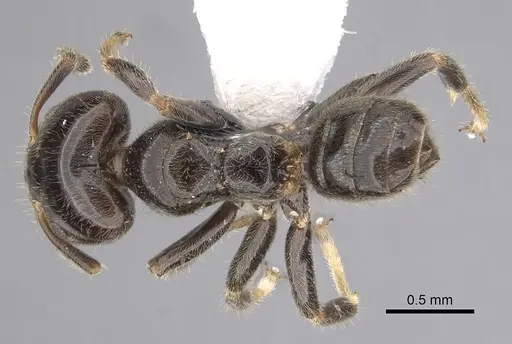
CASENT0915570
Ver no AntWeb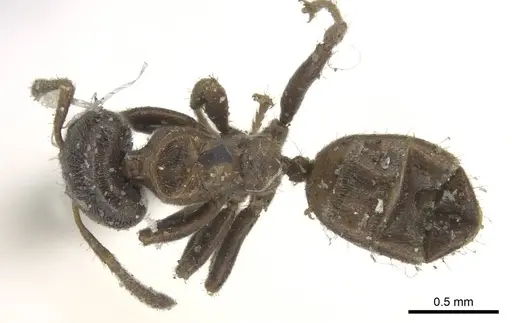
Literatura
Carregando mapa de distribuição...Carregando produtos...