
Aphaenogaster rothneyi
- Nome científico
- Aphaenogaster rothneyi
- Tribo
- Stenammini
- Subfamília
- Myrmicinae
- Autor
- Forel, 1902
- Distribuição
- Encontrada em 1 países
Introdução
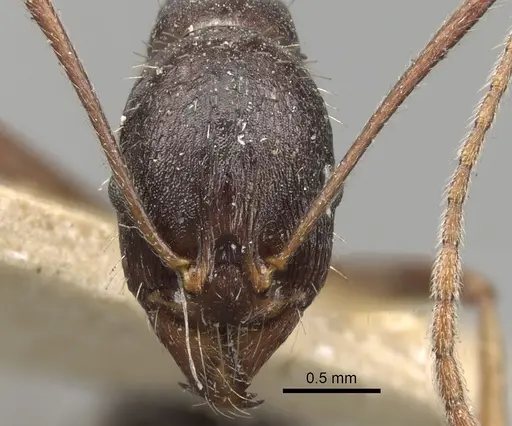
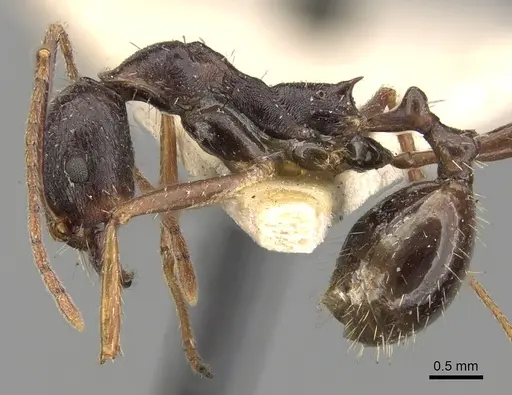
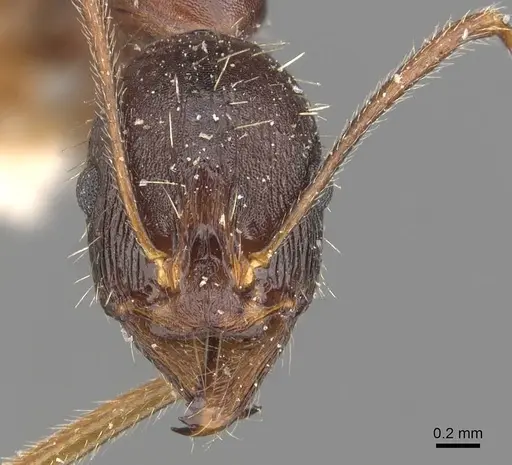
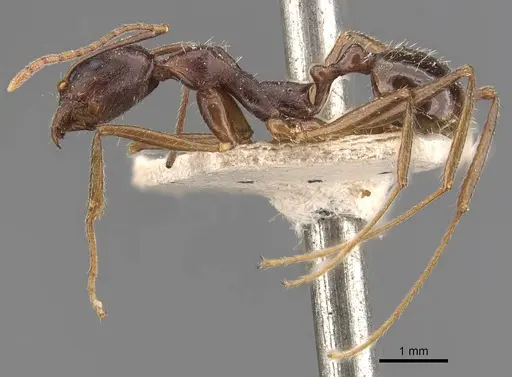
Aphaenogaster rothneyi are medium-sized ants with workers measuring 5.5 to 7.0 millimeters in total length . They display a reddish-brown to dark brown body with lighter yellowish-brown mandibles, antennae, and legs . These ants are native to the Himalayan mountain regions of India and China, documented in states including Uttarakhand, Himachal Pradesh, Meghalaya, Sikkim, Arunachal Pradesh, and Yunnan province . They inhabit high altitudes ranging from 1000 to 3400 meters above sea level, with documented nests found at 2200 meters in the Himalayas [AntWiki]. In their natural habitat, they belong to the opportunist functional group, meaning they scavenge dead insects and forage flexibly rather than maintaining dedicated hunting territory . Their mountain origin means they tolerate cooler temperatures and seasonal changes. Replicate these conditions in captivity rather than keeping them warm like tropical species.
Quick Summary
- Difficulty: Medium
- Origin & Habitat: Himalayan regions of India (Uttarakhand, Himachal Pradesh, Meghalaya, Sikkim, West Bengal, Arunachal Pradesh, Madhya Pradesh) and China (Yunnan), found at altitudes of 1000-3400 meters in mountainous habitats [4][3][2][5].
- Colony Type: Unknown, colony structure has not been directly studied. Based on typical Aphaenogaster patterns, likely single-queen colonies, but this is unconfirmed.
- Size & Growth:
- Queen: Size data unavailable, no documented measurements for queens exist in the research. Based on worker size of 5.5-7.0mm and typical Aphaenogaster size ratios, queens likely exceed 7mm.
- Worker: 5.5-7.0 mm [1][2]
- Colony: Unknown, colony size has not been documented in research.
- Growth: Slow to moderate, high altitude origin suggests slower development than lowland species.
- Development: Unknown, specific development timing has not been documented for this species. (Based on related temperate Aphaenogaster species, development likely takes several months at room temperature. Cooler temperatures will slow development further.)
- Antkeeping:
- Temperature: Keep at 18-24°C with a gentle heat gradient. Avoid temperatures above 26°C as their high-altitude origin suggests poor heat tolerance. Room temperature (20-22°C) is generally suitable.
- Humidity: Moderate humidity with damp but not waterlogged substrate. Provide a moisture gradient from moist to slightly dry areas within the nest.
- Diapause: Likely yes, given their Himalayan habitat at 1000-3400 meters altitude where winters are cold, a winter rest period is recommended. Provide 2-3 months at 10-15°C during winter, reducing feeding but ensuring the nest does not dry out completely.
- Nesting: In nature they nest in soil and under stones in mountainous areas. In captivity, use Y-tong (AAC) nests, plaster nests, or test tubes with soil. Provide narrow chambers appropriate for their size.
- Behavior: Opportunistic foragers and scavengers [6]. Generally not aggressive. Workers are active outside the nest searching for scattered food resources. At 5.5-7.0mm, they can squeeze through small gaps, so use fine mesh (under 0.5mm) and barriers like Fluon on outworld edges.
- Common Issues: escaping through tiny gaps, at 5.5-7.0mm they fit through standard mesh, use fine screening., overheating, high altitude species may die if kept above 26°C without cooling options., slow colony development, patience required as mountain species often grow slowly., overwintering failures, if diapause is required but not provided, colonies may decline.
Nest Preferences
In their natural Himalayan habitat, Aphaenogaster rothneyi nests in soil and under stones at elevations between 1000 and 3400 meters [4]. A documented nest was found at 2200 meters altitude in Himalayan India, suggesting they prefer stable, cooler microhabitats under cover [5].
For captive housing, replicate these conditions with Y-tong (AAC) nests, plaster nests, or test tubes with soil substrate. Provide chambers sized appropriately for 5.5-7.0mm ants, not too large or they may feel exposed. Include a moisture gradient with one side damp and one side drier, allowing the colony to self-regulate. Avoid tall, open spaces, these ants prefer narrow passages and chambers that feel secure.
Temperature and Seasonal Care
Given their origin in the extratropical Palearctic region at high altitudes [7][4], these ants prefer cooler conditions than tropical species. Keep them at 18-24°C with a gentle gradient created by a heating cable on one side of the nest.
Because they inhabit the Himalayas where seasons vary significantly, they require a diapause period. Cool them to 10-15°C for 2-3 months during winter, reducing feeding but ensuring the nest does not dry out completely. This seasonal cycle matches their mountain habitat where winters are cold [4]. Watch for reduced activity as a sign they are ready for dormancy.
Feeding and Diet
Aphaenogaster rothneyi belongs to the opportunist functional group, meaning they scavenge dead insects and exploit variable food sources rather than hunting live prey exclusively [6]. In captivity, offer a mix of protein sources including dead crickets, mealworms, and fruit flies. They will accept sugar water or honey water as well.
Feed small portions 2-3 times per week, removing uneaten food before it molds. Because they are scavengers by nature, they prefer pre-killed prey to live hunting. Ensure fresh water is always available via a test tube setup or water feeder.
Behavior and Temperament
These ants show typical opportunistic foraging behavior, with workers leaving the nest to search for scattered food resources [6]. They are not known for aggression and do not possess powerful stings. Like most Myrmicinae they have a stinger, but at their size it is ineffective against humans.
Workers are active and will forage individually rather than in organized trails. At 5.5-7.0mm, they are small enough to escape through gaps in standard mesh or loose-fitting lids [1]. Use fine mesh (under 0.5mm) and apply Fluon or petroleum jelly barriers on outworld rims to prevent escapes.
Colony Founding and Development
The founding behavior of Aphaenogaster rothneyi has not been directly studied. Most Aphaenogaster species are semi-claustral, meaning founding queens leave the nest to forage for food rather than sealing themselves in, but this remains unconfirmed for this species.
Development time from egg to worker is unknown for this specific species. Based on related temperate Aphaenogaster species, expect several months at 20-22°C. First workers (nanitics) may emerge slightly faster but will be smaller than subsequent workers. Growth is likely slow to moderate given their high-altitude origin, do not expect explosive expansion like tropical species.
Frequently Asked Questions
Can I keep Aphaenogaster rothneyi in a test tube?
Yes, test tubes work well for founding colonies and small colonies. Use standard 16mm or 18mm glass test tubes with water reservoirs blocked by cotton. Add a small amount of soil or sand to give them a more natural substrate, as they are soil-nesting ants.
How long until first workers for Aphaenogaster rothneyi?
Specific development timing has not been documented for this species. Based on related temperate Aphaenogaster species, expect several months from egg to first worker at 20-22°C. Cooler temperatures will slow development.
Do Aphaenogaster rothneyi need hibernation?
Likely yes. Given their Himalayan habitat at 1000-3400 meters altitude where winters are cold, provide a diapause period at 10-15°C for 2-3 months. This matches their natural seasonal cycle.
What temperature do Aphaenogaster rothneyi need?
Keep them at 18-24°C with a gentle gradient. Avoid temperatures above 26°C as their high-altitude mountain origin suggests they tolerate heat poorly. Room temperature (20-22°C) is generally suitable.
Can I keep multiple queens together in Aphaenogaster rothneyi?
Not recommended. The colony structure is unknown, and combining unrelated queens has not been documented for this species. Most Aphaenogaster are single-queen species, so house queens individually.
Do Aphaenogaster rothneyi ants sting?
They possess a small stinger like most Myrmicinae ants, but at 5.5-7.0mm they are too small to penetrate human skin effectively. They are not considered dangerous and are generally peaceful.
How big do Aphaenogaster rothneyi colonies get?
Colony size is unknown in the research. Based on their opportunist functional group classification, they likely remain moderate in size rather than becoming massive supercolonies.
What do Aphaenogaster rothneyi eat?
As opportunistic scavengers, they eat dead insects including crickets, mealworms, and fruit flies. They will also accept sugar water or honey. Offer pre-killed prey as they are scavengers rather than active hunters.
Are Aphaenogaster rothneyi good for beginners?
They are medium difficulty. While not aggressive, their specific needs for cooler temperatures, likely diapause, and slow growth rate make them better suited for keepers with some experience than absolute beginners.
Why are my Aphaenogaster rothneyi dying?
Common causes include overheating (keep below 26°C), lack of diapause if required, or dehydration. Ensure the nest has moist areas and the outworld has escape prevention, as they are small enough to squeeze through tiny gaps.
Report an Issue
The current care sheet is based fully on literature. See inconsistencies, or something that's incorrect? Please , it will be resolved after review from an admin. Contributing to the blogs tab also helps providing information, to make us be able to further improve the caresheets. Thank you for your support!
References

Este guia de cuidados está sob a licença CC BY-SA 4.0 .
Posts da comunidade
CASENT0280951
Ver no AntWeb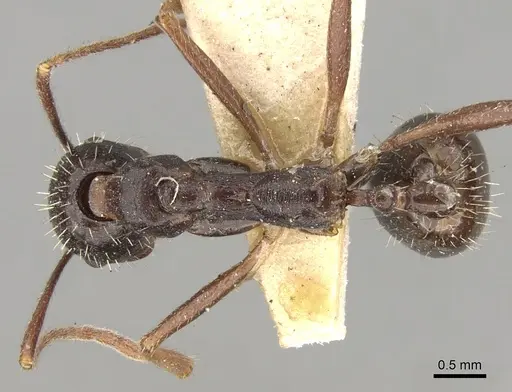
CASENT0907692
Ver no AntWeb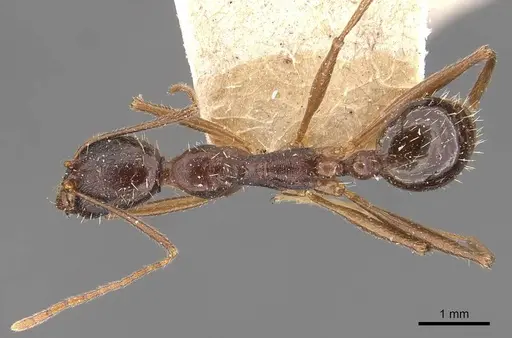
Literatura
Carregando mapa de distribuição...Carregando produtos...