
Alfaria fieldi
- Nome científico
- Alfaria fieldi
- Tribo
- Ectatommini
- Subfamília
- Ectatomminae
- Autor
- Lattke, 1990
- Distribuição
- Encontrada em 0 países
Introdução
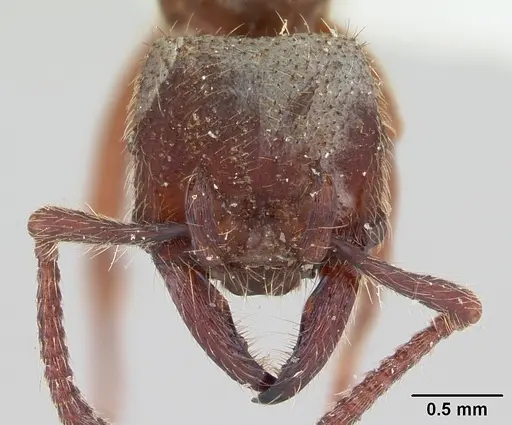
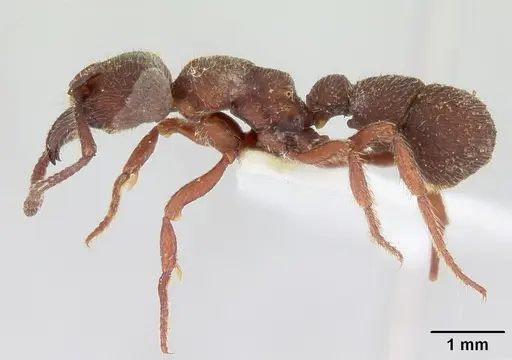
Alfaria fieldi is a small predatory ant found only in north-central Venezuela . Until recently, scientists knew this species as Gnamptogenys fieldi, but it has since been moved to the genus Alfaria . These ants have distinctive mandibles: long, sickle-shaped blades that curve like a hawk's beak, with a smooth, concave cutting edge that lacks teeth . Their bodies have a grainy, matte texture rather than a shiny appearance . Unlike some close relatives, they lack small tooth-like bumps on the front of their head . They likely hunt small invertebrates in the leaf litter of tropical forests.
Quick Summary
- Difficulty: Expert
- Origin & Habitat: Tropical forests of north-central Venezuela [1][2].
- Colony Type: Unknown, no documented data on colony structure for this species.
- Size & Growth:
- Queen: Size data unavailable.
- Worker: Size data unavailable.
- Colony: Unknown.
- Growth: Unknown.
- Development: Unknown, development time has not been documented. (No data available on development speed.)
- Antkeeping:
- Temperature: Tropical species, maintain around 24-28°C and adjust based on colony activity.
- Humidity: Moderate to high humidity, roughly 60-80%, keep nest material damp but not waterlogged.
- Diapause: Unlikely required as a tropical species.
- Nesting: Unknown, provide naturalistic options with soil and leaf litter, or small plaster nests with humidity gradients.
- Behavior: Predatory with specialized sickle-shaped mandibles for capturing prey [3][1]. Likely slow-moving ambush hunters based on mandible structure. Possesses a functional sting for defense. Escape risk is unknown but assume standard precautions.
- Common Issues: extreme scarcity of captive care information means most parameters are untested., unknown founding behavior creates high risk of queen failure during colony establishment., specialized mandible structure may require specific prey types not yet identified in captivity., rarity in the hobby makes it difficult to find replacement colonies if initial attempts fail.
Taxonomy and Identification
Alfaria fieldi has undergone recent taxonomic changes. Originally described as Alfaria fieldi, the species was moved to the genus Alfaria based on revised classification [3]. You can identify this species by its distinctive mandibles: they are falcate (sickle-shaped) with a concave, toothless cutting edge [3][1][2]. The body surface is mostly granulose (grainy) and opaque rather than smooth and shiny [1]. The clypeus (the plate covering the face) lacks the small anteromedian denticles (front teeth) seen in some related species [1]. These morphological features suggest a specialized predatory lifestyle, though exact hunting behaviors remain unobserved.
Natural Habitat and Distribution
This species is known only from north-central Venezuela [1][2]. No records exist from Brazil despite searches in similar habitats [3]. The restricted range suggests they occupy specific microhabitats within tropical forests, likely in leaf litter or soil layers where they can ambush small prey. The tropical climate of their native range suggests they prefer warm, stable temperatures year-round without significant seasonal cooling.
Captive Care Guidelines
Keeping Alfaria fieldi requires experimental approaches due to the lack of documented captive success. Based on their Venezuelan origin, maintain temperatures around 24-28°C with moderate to high humidity. Their sickle-shaped mandibles suggest they require small live prey, likely springtails, tiny insect larvae, or other soft-bodied invertebrates. Offer a variety of prey sizes to determine preferences. Founding behavior is unconfirmed, so treat new queens as potentially semi-claustral (needing to forage during founding) while providing a closed chamber option. Use small, secure enclosures with excellent escape prevention until worker size and climbing ability are determined. Avoid disturbing the nest frequently as these are likely stress-sensitive ants. [3][1][2]
Frequently Asked Questions
What do Alfaria fieldi eat?
Their sickle-shaped mandibles suggest they hunt small live prey such as springtails or tiny insect larvae, but their exact diet is unconfirmed [3][1]. Offer small live prey and observe acceptance.
How big do Alfaria fieldi colonies get?
Colony size is unreported in scientific literature.
Are Alfaria fieldi good for beginners?
No. The lack of basic care information, unknown founding requirements, and scarcity in the hobby make them suitable only for expert keepers willing to experiment with undocumented species.
Do Alfaria fieldi need hibernation?
Probably not, as they come from tropical Venezuela. Maintain warm temperatures year-round unless the colony shows signs of slowing down.
How long until Alfaria fieldi get their first workers?
Unknown. Development time from egg to worker has not been documented for this species.
Can I keep multiple Alfaria fieldi queens together?
Not recommended. Combining multiple queens has not been documented and will likely lead to fighting.
What is the best nest for Alfaria fieldi?
Unknown. Provide a naturalistic setup with soil and leaf litter options, or a small plaster nest with a humidity gradient until their preferences are established.
Where do Alfaria fieldi come from?
North-central Venezuela [1][2]. They have not been recorded in Brazil despite similar habitat searches [3].
Report an Issue
The current care sheet is based fully on literature. See inconsistencies, or something that's incorrect? Please , it will be resolved after review from an admin. Contributing to the blogs tab also helps providing information, to make us be able to further improve the caresheets. Thank you for your support!
References

Este guia de cuidados está sob a licença CC BY-SA 4.0 .
Posts da comunidade
CASENT0178675
Ver no AntWeb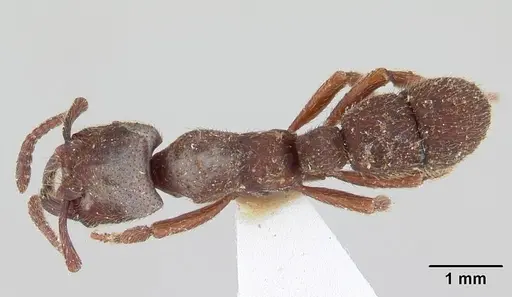
Literatura
Carregando mapa de distribuição...Carregando produtos...