
Aenictus porizonoides
- Nome científico
- Aenictus porizonoides
- Subfamília
- Dorylinae
- Autor
- Walker, 1860
- Distribuição
- Encontrada em 0 países
Introdução
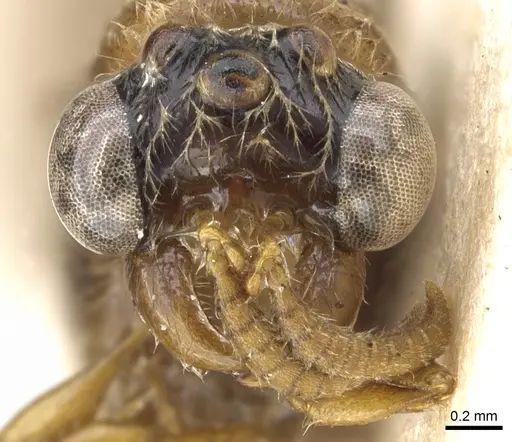
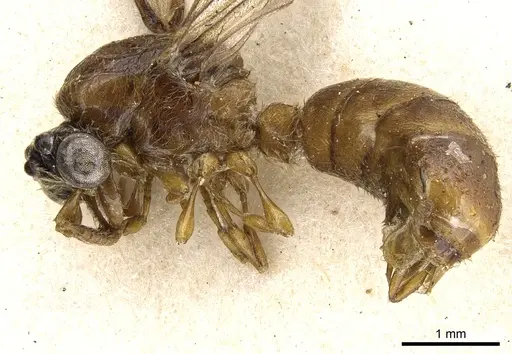
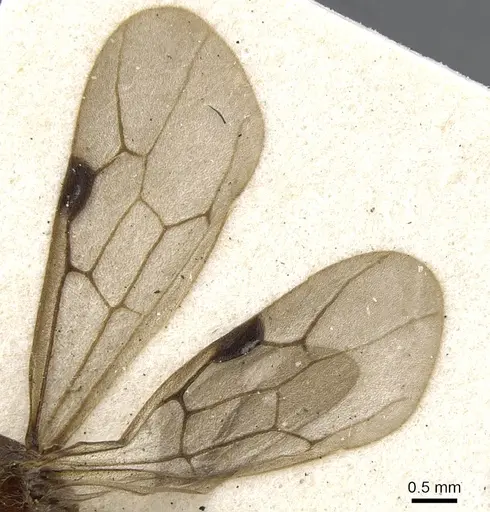
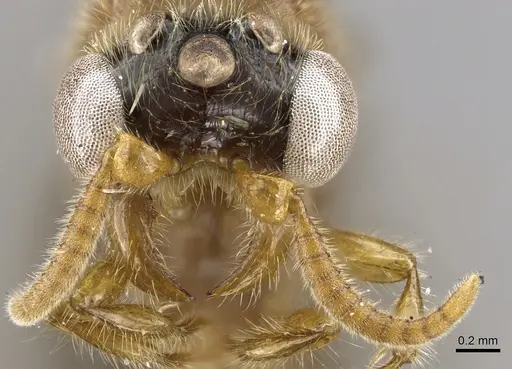
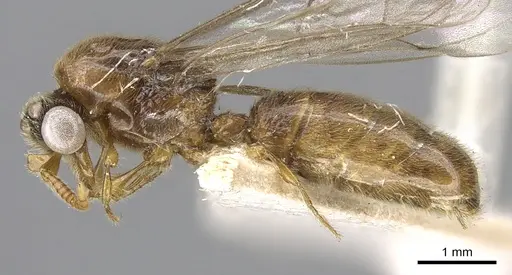
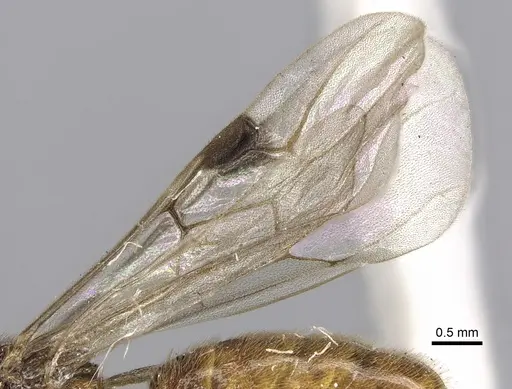
This ant species is known only from male specimens collected in southern India and Sri Lanka - the workers have never been described, making field identification impossible . Males measure about 5 mm in total length with dark brown to black bodies and yellow legs and antennae . As a member of the genus Aenictus (Old World army ants), the species likely exhibits nomadic, predatory behavior, but the actual biology of this specific species remains completely unknown.
Quick Summary
- Difficulty: Expert
- Origin & Habitat: Southern India (Kerala) and Sri Lanka [1][2]
- Colony Type: Unknown, colony structure unconfirmed
- Size & Growth:
- Queen: Unknown, queens undescribed
- Worker: Unknown, workers undescribed (males are 5 mm total length [1])
- Colony: Unknown
- Growth: Unknown
- Development: Unknown (No development data exists for this species)
- Antkeeping:
- Temperature: Unknown, likely warm based on tropical origin
- Humidity: Unknown, likely high based on Indomalayan forest habitat
- Diapause: Unknown, tropical species may not require winter dormancy
- Nesting: Unknown, genus typically forms temporary bivouacs rather than permanent nests
- Behavior: Unknown, genus-level patterns suggest nomadic, predatory behavior
- Common Issues: workers are undescribed, impossible to identify what species you have collected., nomadic lifestyle requires massive space and specialized housing., require constant supply of live ant colonies as food., no observed captive care exists for this species., colony sizes likely reach thousands, impractical for home keeping.
The Identification Problem
This species is known only from male specimens. Scientists have never described the workers, queens, or associated colonies [1]. Males are about 5 mm in total length with dark brown to black coloration and yellow appendages [1]. They were originally collected in Sri Lanka and later recorded from Kerala, India [2]. Without worker descriptions, you cannot identify this species in the field, making collection for captive keeping impossible.
Army Ant Biology
While not confirmed for this species, Aenictus ants are Old World army ants. These ants do not build permanent nests. Instead, they form temporary structures called bivouacs using their own bodies. They are nomadic, meaning they move frequently to find new prey. Colonies typically contain thousands of workers and multiple queens. They are specialized predators of other ants and termites. However, these are genus-level patterns, we do not know if Aenictus porizonoides follows them exactly.
Why Keeping Is Not Recommended
No one has observed keeping this species in captivity. The workers are unknown, so you cannot verify you have the correct species. Army ants require massive enclosures to accommodate their nomadic behavior and large colony sizes. They need a constant supply of live ant colonies as food, which is difficult to maintain. The equipment and space needed far exceed what most antkeepers can provide.
Natural History and Distribution
Males have been collected in southern India (specifically Kerala) and Sri Lanka [1][2]. The habitat is likely tropical forest based on the region. The collection dates suggest activity during certain seasons, but this does not tell us when nuptial flights occur.
Frequently Asked Questions
Can I keep Aenictus porizonoides in captivity?
This is not recommended. The workers are undescribed, so you cannot identify them, and no one has observed how to care for this species. Army ants require specialized housing and constant live food that makes them unsuitable for private keeping.
What do Aenictus porizonoides eat?
Their specific diet is unknown. Related Aenictus species prey on other ants and termites, but we cannot confirm this for Aenictus porizonoides.
How long until Aenictus porizonoides gets their first workers?
The development timeline is completely unknown for this species.
Are Aenictus porizonoides dangerous?
The males cannot sting. The workers are unknown, but army ants can be aggressive. Handle any unknown ant with caution.
Can I keep multiple Aenictus porizonoides queens together?
This is unknown. Army ants often have multiple queens, but we do not know the specific colony structure of this species.
What size are Aenictus porizonoides workers?
The workers have never been described. Only the males, measuring 5 mm total length, are known [1].
Do Aenictus porizonoides need to hibernate?
This is unknown. As a tropical species, they likely do not need winter rest, but this is unconfirmed.
Report an Issue
The current care sheet is based fully on literature. See inconsistencies, or something that's incorrect? Please , it will be resolved after review from an admin. Contributing to the blogs tab also helps providing information, to make us be able to further improve the caresheets. Thank you for your support!
References

Este guia de cuidados está sob a licença CC BY-SA 4.0 .
Posts da comunidade
CASENT0902689
Ver no AntWeb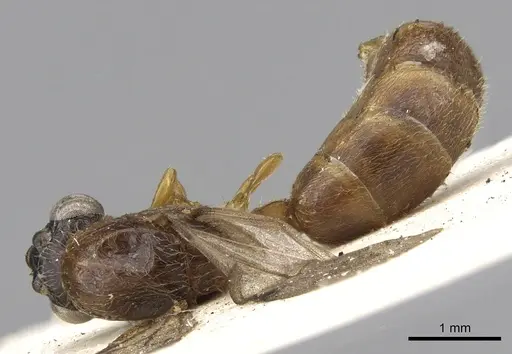
CASENT0902690
Ver no AntWeb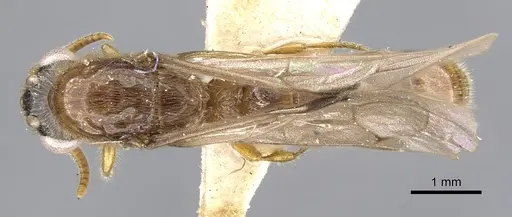
Literatura
Carregando mapa de distribuição...Carregando produtos...