
Adetomyrma venatrix
- Nome científico
- Adetomyrma venatrix
- Tribo
- Amblyoponini
- Subfamília
- Amblyoponinae
- Autor
- Ward, 1994
- Distribuição
- Encontrada em 1 países
Introdução
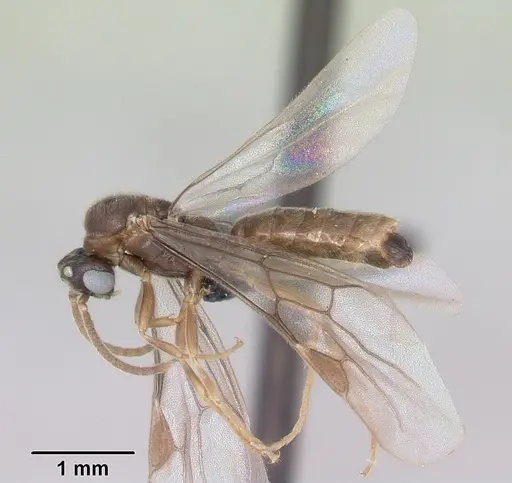
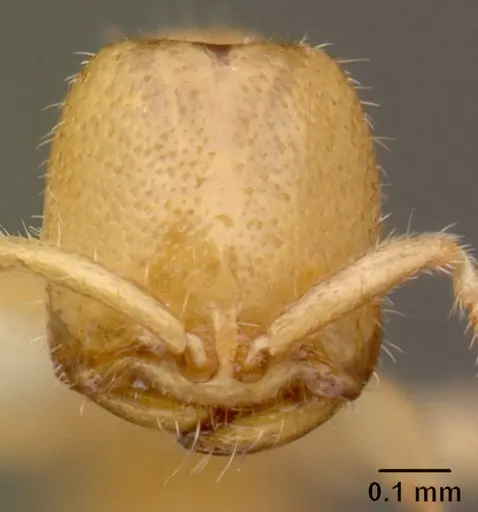
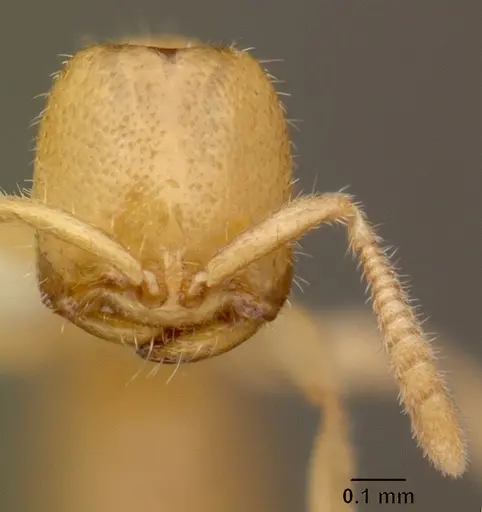
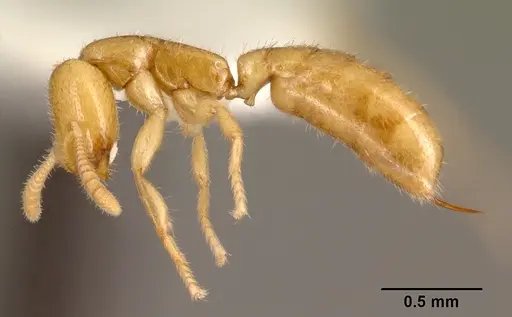
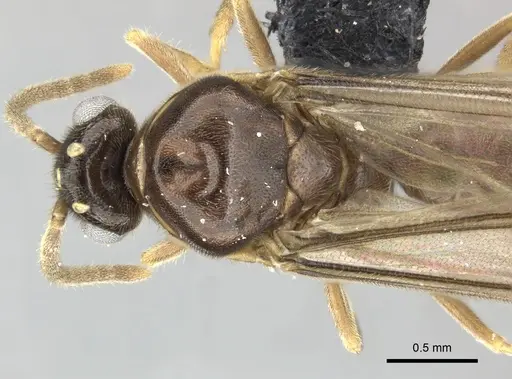
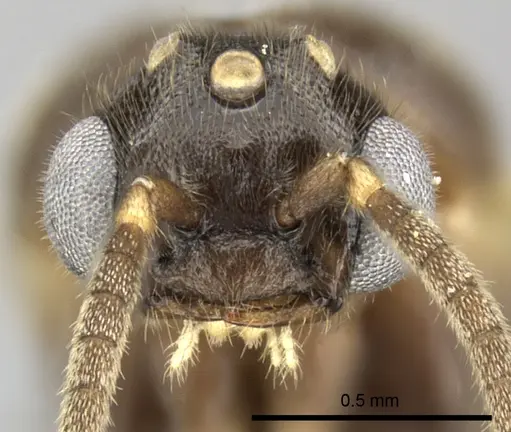
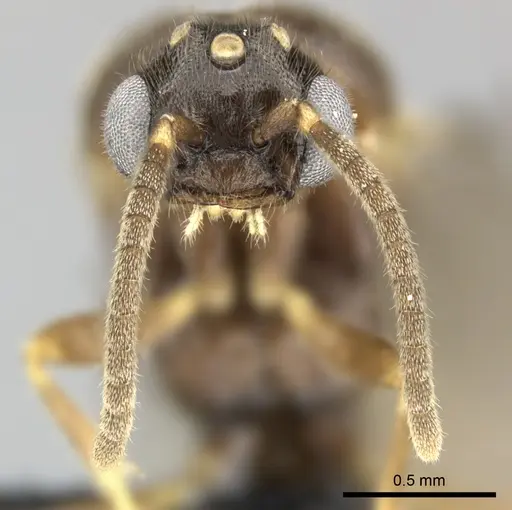
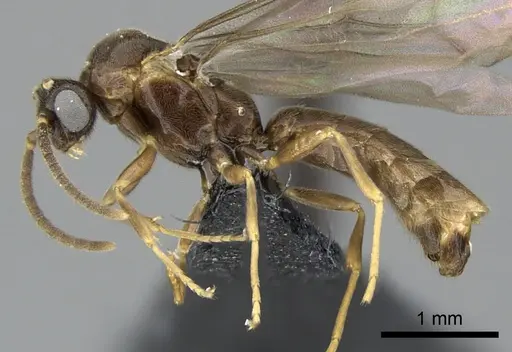
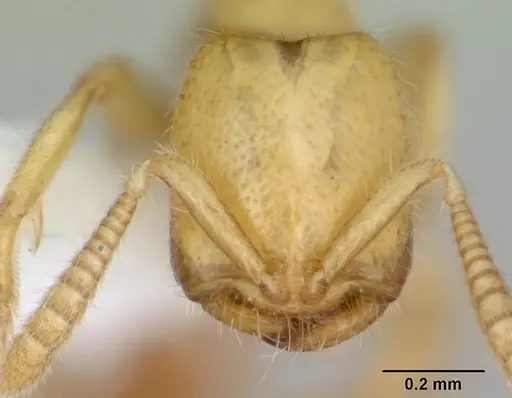
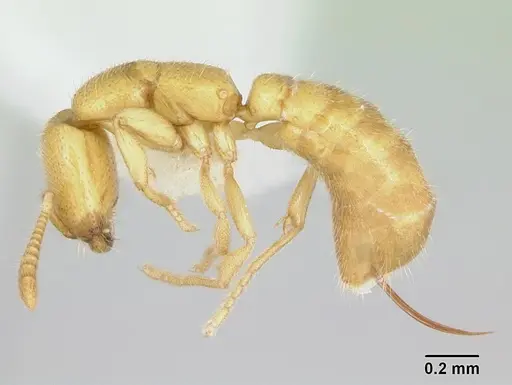
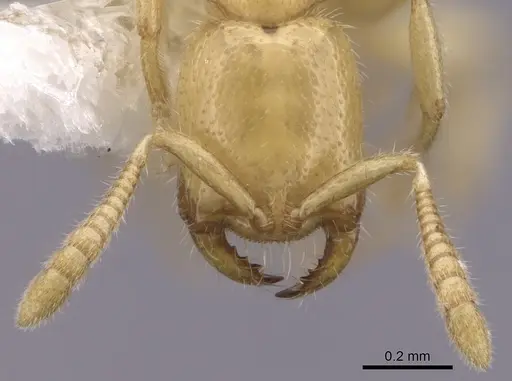
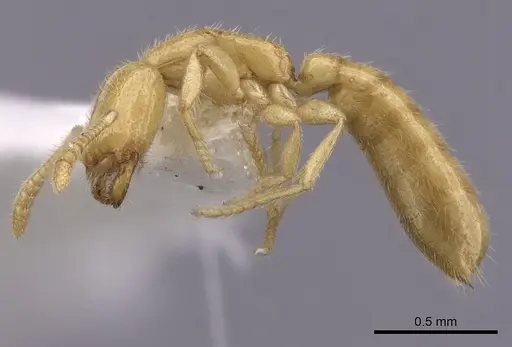
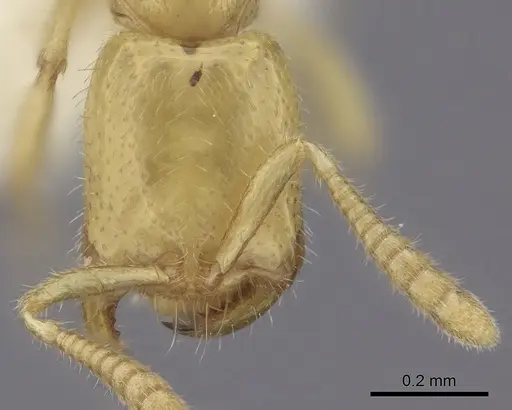
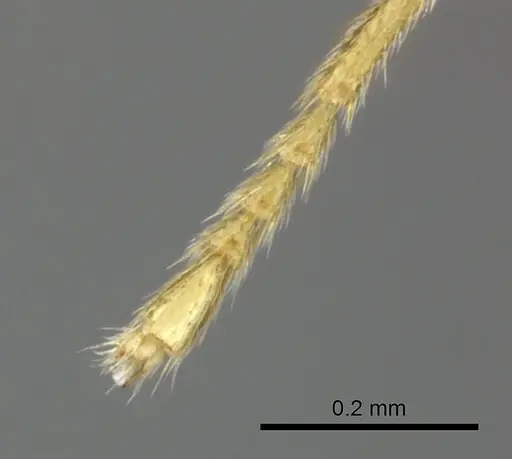
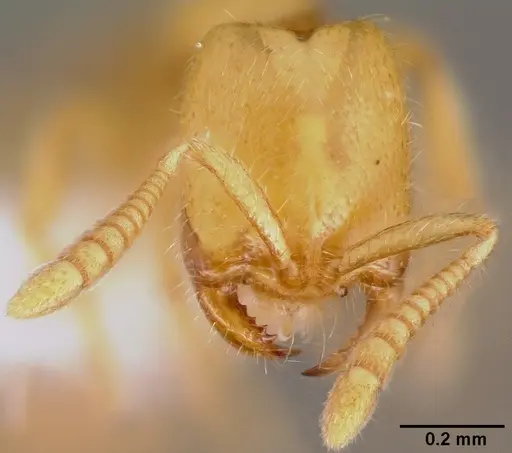
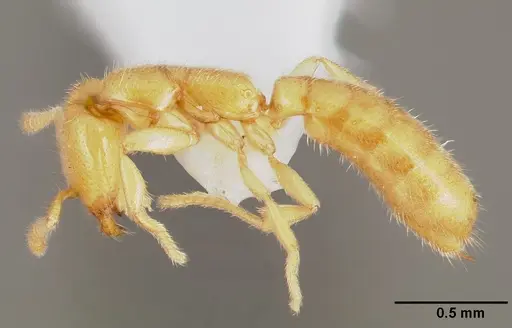
Adetomyrma venatrix are tiny, pale yellow-brown ants measuring approximately 2mm in total length, completely blind, and armed with a disproportionately large sting that packs a surprising punch for their size . They live in the tropical dry forests of Madagascar, specifically in the Zombitse region and Vohimena forest, where they hunt as groups in leaf litter and rotten logs at the soil interface . What makes this species truly unique among ants is that no queen has ever been described - scientists have only found workers and males, leaving their reproductive biology a complete mystery . They are also critically endangered, with only a handful of collections ever made despite extensive surveys .
Quick Summary
- Difficulty: Expert
- Origin & Habitat: Madagascar tropical dry forests and montane forests, found in leaf litter and rotting wood at the soil interface [3][1].
- Colony Type: Unknown, queens have never been described. The species may reproduce using gamergates (mated workers that lay eggs) or ergatoid (wingless) queens like some related Amblyoponinae species, but this remains unconfirmed [1][4].
- Size & Growth:
- Queen: Unknown, queens have never been described [1].
- Worker: approximately 2mm total length, inferred from head width measurements [1].
- Colony: Unknown, only scattered workers found, no complete colonies documented [3][1].
- Growth: Unknown, likely slow based on specialized predatory lifestyle.
- Development: Unknown, development time has never been documented. (Development time is unconfirmed. Nanitics (first workers) would likely be smaller and faster to develop if the pattern follows other ants.)
- Antkeeping:
- Temperature: Warm tropical conditions matching their native dry forest habitat. Keep in the low-to-mid 20s°C range. Provide a gentle heat gradient [2].
- Humidity: High humidity required. Keep nest substrate consistently moist but not waterlogged, they inhabit moist microhabitats like rotting logs and leaf litter at the soil interface [3].
- Diapause: No, tropical species that does not hibernate [2].
- Nesting: Subterranean and cryptic. In captivity, use dark, tight-fitting setups with small chambers and access to moist substrate or leaf litter. They need darkness and security [3][5].
- Behavior: Subterranean group foragers that hunt together in leaf litter and under logs [3]. They possess a powerful sting relative to their tiny size, one worker stung a researcher and caused noticeable pain and swelling lasting several days [2]. Because workers are only about 2mm long, escape prevention must be absolute, they can squeeze through the tiniest gaps [1].
- Common Issues: critically endangered status makes collection illegal and unethical, this species should not be kept in captivity outside of authorized conservation programs., undescribed queen caste means colony founding methods are completely unknown, you cannot start a colony from a single queen., specialized predatory diet requires specific small ground-dwelling prey like springtails or mites, standard ant foods may be rejected., subterranean nature makes them extremely sensitive to light and disturbance, they will stress easily in exposed setups., tiny size means escapes are inevitable without specialized barriers and sealed containers.
Conservation Status and Legal Considerations
Adetomyrma venatrix is listed as Critically Endangered (CR) on the IUCN Red List [2]. Only a few collections exist despite extensive ant surveys in Madagascar, the original 1993 collection of 21 workers from Zombitse Forest, and a handful of specimens from Vohimena forest [3][1]. This extreme rarity means the species is likely protected under Malagasy law and international conservation agreements. You should not attempt to collect or keep this species. Any captive population would need to come from authorized scientific collection permits and managed through ex-situ conservation programs, not the pet trade.
The Missing Queen Problem
No queen caste has ever been described for Adetomyrma venatrix [1]. This is extremely unusual for an ant species. In the subfamily Amblyoponinae (Dracula ants), some species reproduce using gamergates, mated workers that can lay fertilized eggs, rather than traditional queens. Others have ergatoid queens, which are wingless and look somewhat like workers [4]. Without observing colony founding or colony structure in the wild, we simply do not know how new colonies start. This makes captive propagation impossible using standard antkeeping methods, since you cannot acquire a founding queen or know how to establish a new colony.
Housing and Subterranean Needs
These ants live underground and in leaf litter, making them highly sensitive to light and exposure [3][5]. In captivity, they require dark, secure nesting areas with small chambers appropriate for their tiny size. Naturalistic setups with moist leaf litter, rotting wood, and soil layers would best mimic their wild habitat under logs and in forest floor debris [3]. Standard acrylic nests with large chambers will stress them. They need constant access to humid microhabitats, dry conditions will likely kill them quickly.
Feeding Specialized Predators
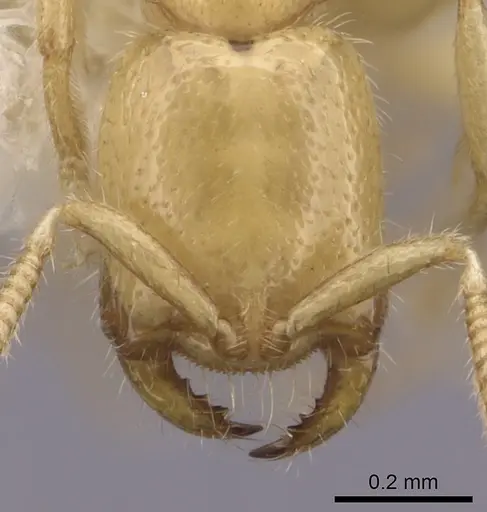
Ward (1994) described them as specialized predators of ground-dwelling arthropods [2]. Their mandibles and hunting behavior suggest they target tiny soil fauna like springtails, mites, and minute insect larvae. They may not recognize or accept standard ant foods like honey water or large insect pieces. In captivity, you would need to provide live microfauna. Their group foraging behavior suggests they may hunt cooperatively for larger prey items, but this has not been confirmed in captive settings.
Temperature and Climate
Coming from the tropical dry forests of western Madagascar, they need warm stable temperatures in the low-to-mid 20s°C range [2]. They do not require hibernation. However, they also need high humidity in their immediate nest environment despite the 'dry forest' label, they are found in moist microhabitats like rotting logs and leaf litter, not exposed dry areas [3]. A heating cable on one side of the nest can provide a gentle gradient, but avoid overheating their small enclosure.
The Powerful Sting
Despite being only about 2mm long, these ants possess a sting larger relative to their body size than any other known ant [2]. When Ward was stung by a single worker, he reported a noticeable stinging sensation and swelling that lasted several days. While unlikely to be dangerous to humans due to the small venom volume, it demonstrates these are not defenseless ants. Their sting is likely used to subdue prey and defend the colony. Handle with care using soft forceps or by guiding them into containers rather than direct contact.
Frequently Asked Questions
Can I keep Adetomyrma venatrix as a pet?
No. This species is Critically Endangered and known from only a few collections in Madagascar. Collection is likely illegal under conservation laws, and the species should only be kept by authorized research institutions for conservation purposes [2].
Why have queens never been found for Adetomyrma venatrix?
Scientists do not know. The species might reproduce using gamergates (mated workers that lay eggs) or have ergatoid queens (wingless queens that look like workers), both of which occur in related Amblyoponinae ants. Alternatively, queens could be extremely rare or live in inaccessible habitats. Until researchers find a colony with brood and reproductives, the reproductive strategy remains a mystery [1][4].
What do Adetomyrma venatrix eat?
They are specialized predators of ground-dwelling arthropods. In the wild they likely hunt springtails, mites, and other tiny soil fauna. They were observed foraging as a group, possibly recruiting to prey items [2][3].
How big do Adetomyrma venatrix colonies get?
Unknown. Only scattered workers have been collected, no complete colonies with brood have ever been found and studied. Based on their specialized predatory lifestyle and subterranean habits, colonies are likely small [3][1].
Do Adetomyrma venatrix ants sting?
Yes, and despite being only about 2mm long, their sting is proportionally the largest of any known ant. A single worker sting caused noticeable pain and swelling lasting several days in a human researcher [2].
What is the best nest type for Adetomyrma venatrix?
They need subterranean-style setups with darkness, high humidity, and small chambers. Naturalistic enclosures with moist leaf litter, rotting wood pieces, and soil layers would best replicate their habitat under logs and in forest floor debris [3][5].
What temperature do Adetomyrma venatrix need?
Keep them warm at low-to-mid 20s°C with high humidity in the nest area. They come from tropical Madagascar and do not tolerate cold or hibernation [2].
Are Adetomyrma venatrix good for beginners?
Absolutely not. They are critically endangered, have unknown reproductive biology (no queens described), require specialized micro-prey, and need expert-level care. They are among the most challenging ants imaginable and should not be kept by hobbyists [2][1].
How long does Adetomyrma venatrix take from egg to worker?
Unknown. Development time has never been documented.
Where do Adetomyrma venatrix live in the wild?
They inhabit tropical dry forests and montane forests in Madagascar, specifically recorded from Zombitse Forest and the Vohimena forest sandstone canyons. They live in leaf litter, under rotten logs, and in the soil interface [3][1].
Report an Issue
The current care sheet is based fully on literature. See inconsistencies, or something that's incorrect? Please , it will be resolved after review from an admin. Contributing to the blogs tab also helps providing information, to make us be able to further improve the caresheets. Thank you for your support!
References

Este guia de cuidados está sob a licença CC BY-SA 4.0 .
Posts da comunidade
CASENT0063101
Ver no AntWeb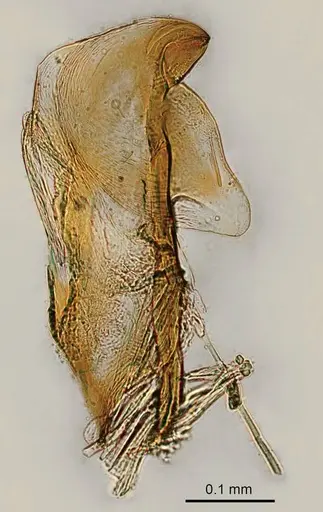
CASENT0079480
Ver no AntWeb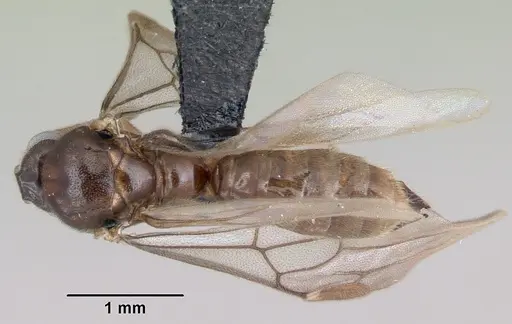
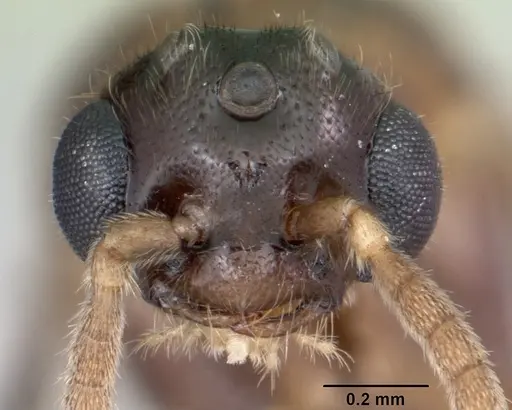
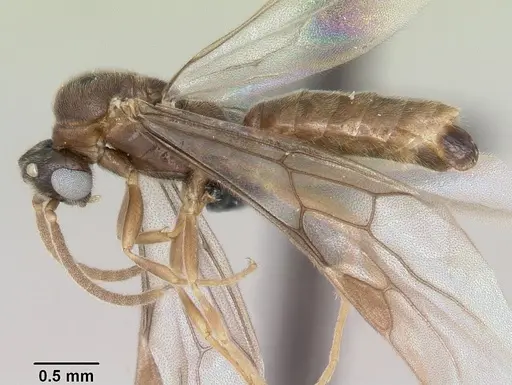
CASENT0101400
Ver no AntWeb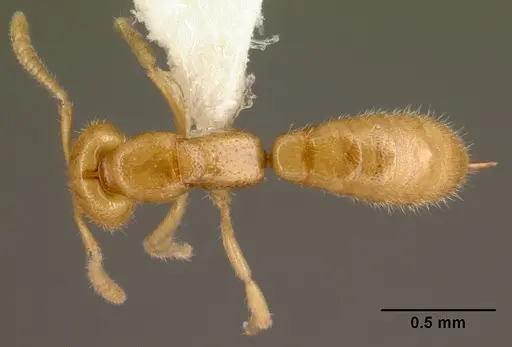
CASENT0151606
Ver no AntWeb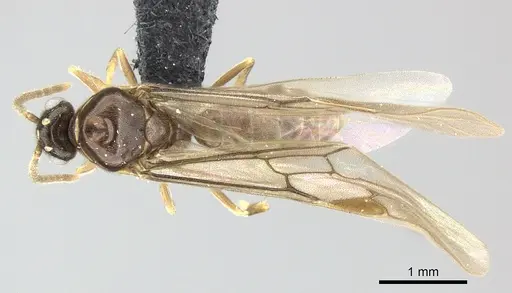
CASENT0172771
Ver no AntWeb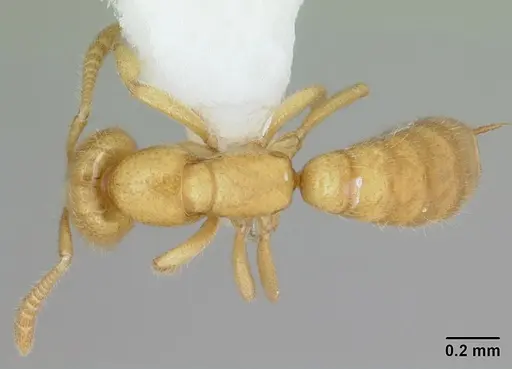
CASENT0249634
Ver no AntWeb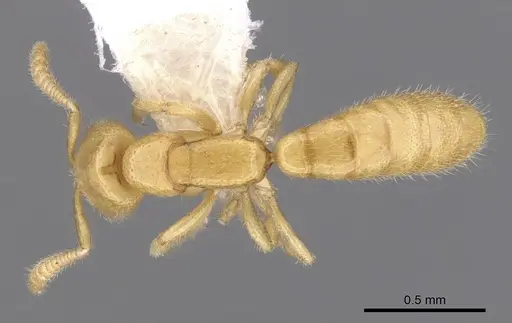
CASENT0260442
Ver no AntWeb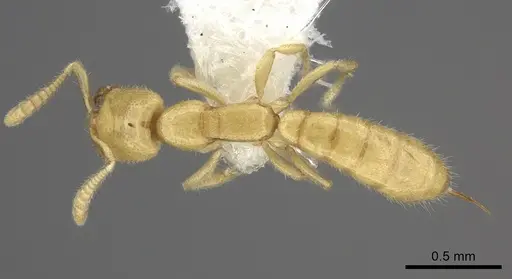
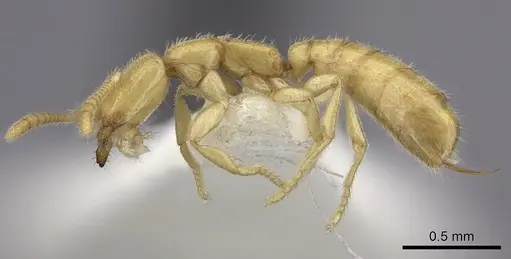
CASENT0489808
Ver no AntWeb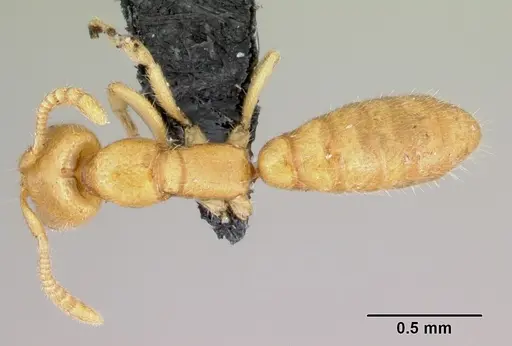
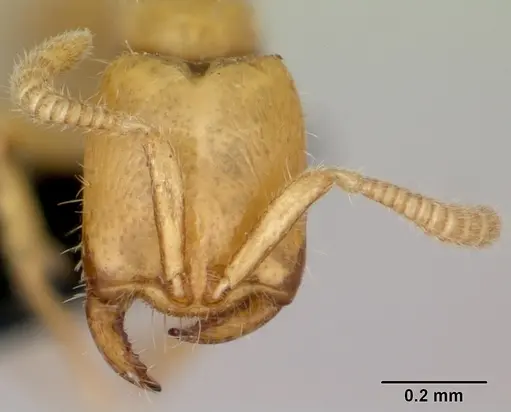
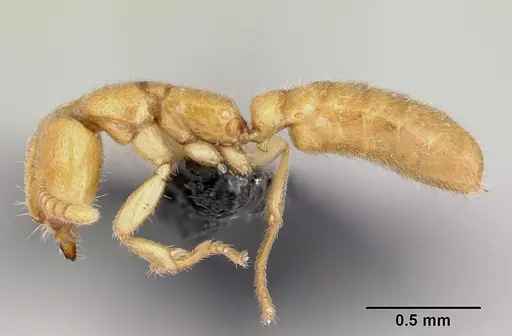
MCZTYPE34786
Ver no AntWeb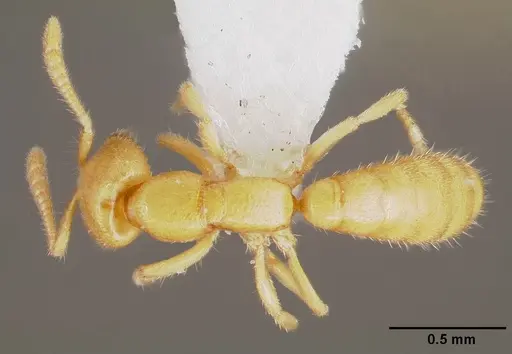
Literatura
Carregando mapa de distribuição...Carregando produtos...