

Beginner’s Guide: What Do Ants Eat?
If you just got your first ant colony, or you are thinking about starting one, one of the first questions you will ask is:
What do ants eat?
The simple answer is that most pet ant colonies need three things:
- Water
- Carbohydrates for energy
- Protein for growth
That sounds easy, but feeding ants correctly is one of the most important parts of antkeeping. Too little food can slow colony growth, while too much food can cause mold, mites, drowning, and stress.
This beginner guide explains what ants eat, how often to feed them, what foods are safe, and which mistakes to avoid.
Do All Ants Eat the Same Food?
No. Different ant species have different diets.
Many beginner ant species do well with a simple diet of sugar water and feeder insects. However, some ants need extra care:
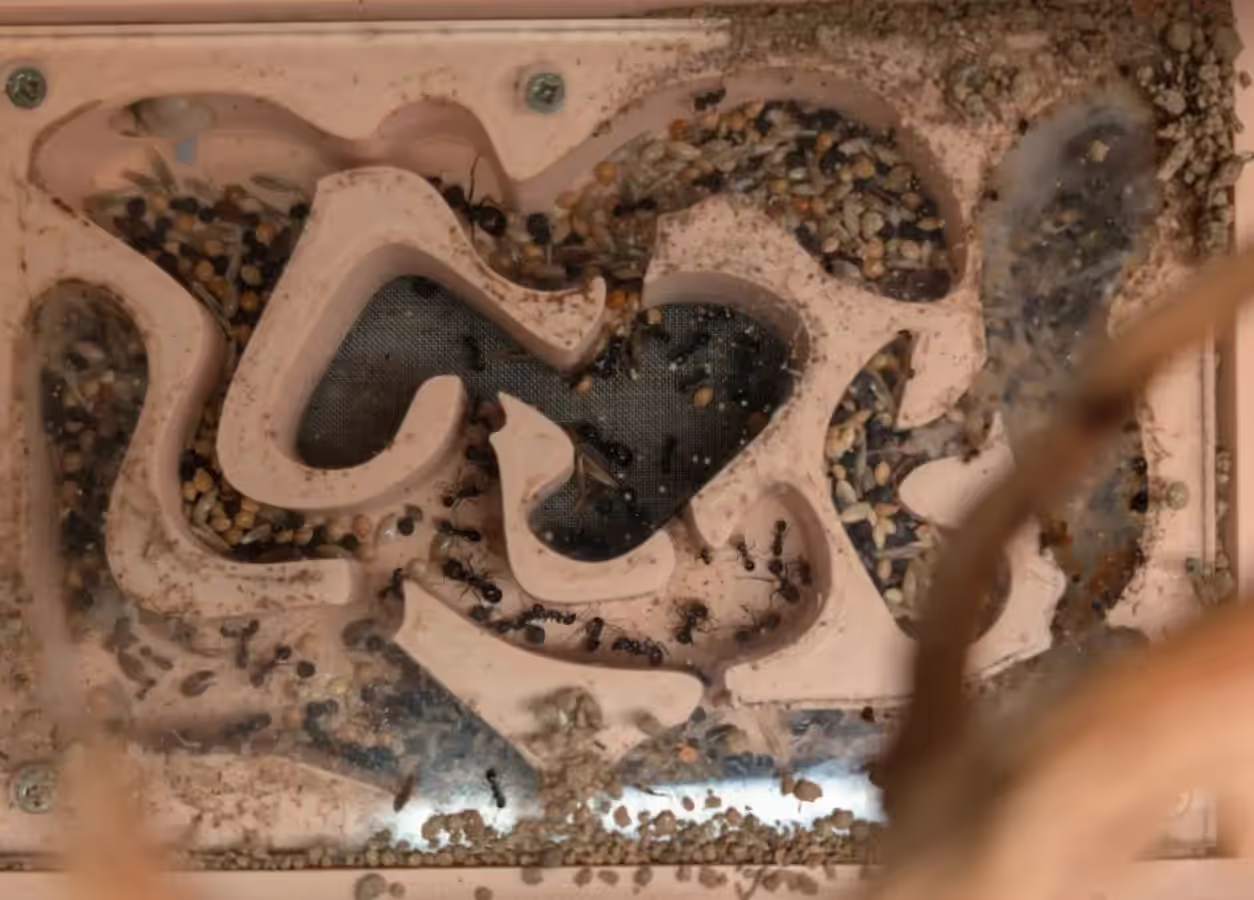
- Harvester ants, such as Messor species, eat seeds.
- Semi-claustral queens need food before their first workers arrive.
- Leafcutter ants do not eat leaves directly; they use leaves to grow fungus.
- Predatory ants may need more frequent insect protein.
- Tiny species need very small, safe food portions to avoid drowning or mold.
For most beginner colonies, sugar water and safe insect protein are a good starting point. But always research your exact species.
The Three Main Parts of an Ant Diet
1. Water
Ants need constant access to water. A young colony often gets water from a test tube setup with a water reservoir and cotton plug.
Larger colonies may need:
- A water feeder
- A fresh test tube
- A hydrated nest area
- Regular access to clean drinking water
Never let a colony dry out completely. Dehydration can kill ants quickly, especially small colonies.
2. Carbohydrates
Carbohydrates give adult worker ants energy. Workers need sugar to forage, care for brood, maintain the nest, and feed other colony members.
Good carbohydrate sources include:
- Sugar water
- Honey water
- Commercial ant nectar
- Small pieces of safe fruit for some species
For beginners, sugar water is the easiest and safest option.
A simple sugar water recipe:
- 1 part white sugar
- 3 or 4 parts water
Mix until fully dissolved. This creates a thin sugar solution that is easy for ants to drink.
Some keepers use stronger or weaker mixtures, but beginners should avoid making sugar water too thick. Sticky liquid can trap ants, especially small workers.
3. Protein
Protein is essential for colony growth. Larvae need protein to develop into workers, and the queen needs nutrients to continue producing eggs.
In captivity, the best beginner protein sources are usually feeder insects.
Good protein options include:
- Fruit flies
- Small pre-killed mealworms
- Pieces of cricket
- Pieces of roach
- Small moths from safe captive sources
- Other pesticide-free feeder insects
Protein is especially important when a colony has larvae. If your colony has no larvae, it may show less interest in protein.
What Should You Feed a New Ant Colony?
For most beginner colonies with workers, start simple:
- Offer sugar water for energy.
- Offer small pieces of feeder insect for protein.
- Keep clean water available.
- Remove old food before it molds.
A very small colony may only need tiny portions. A colony with just a few workers does not need a whole cricket or a large drop of sugar water.
Small colonies are easy to overfeed. In the beginning, less is better.
Feeding a Queen Ant Before Workers Arrive
Whether you should feed a queen before workers arrive depends on the species.
Fully Claustral Queens
Many common beginner queens are fully claustral. This means the queen can raise her first workers using stored energy from her body.
Fully claustral queens usually do not need food before workers arrive. Feeding too early can cause stress, mold, or brood loss.
Examples of commonly kept fully claustral ants include many species of:
- Lasius
- Camponotus
- Tetramorium
- Messor
Species still vary, so always check the exact care needs.
Semi-Claustral Queens
Semi-claustral queens need food during the founding stage. These queens naturally leave the nest to forage before their first workers arrive.
Semi-claustral queens usually need:
- A small foraging area
- Sugar water
- Small protein sources
- Minimal disturbance
If you are not sure whether your queen is fully claustral or semi-claustral, identify the species before deciding how to feed her.
Best Sugar Foods for Ants
Sugar Water
Sugar water is the best beginner carbohydrate food. It is cheap, simple, and accepted by many species.
How to offer sugar water:
- Place a tiny drop in the outworld.
- Use foil, parchment, or a small feeding dish.
- Use cotton to soak up the liquid for tiny ants.
- Remove or replace it before it dries out or gets dirty.
For small colonies, a tiny drop is enough.
Honey Water
Honey water can also work, but it is stickier than sugar water and can trap ants if offered carelessly.
If you use honey water:
- Dilute it well.
- Offer only a tiny amount.
- Place it on cotton or foil.
- Remove it before it dries.
- Avoid untrusted honey sources that may contain pesticides or additives.
Sugar water is usually better for beginners because it is more predictable.
Fruit
Some ants may accept small pieces of fruit, such as apple or grape. Fruit should be used carefully because it molds quickly.
If you offer fruit:
- Use a very small piece.
- Remove it the same day.
- Avoid citrus until you know your species tolerates it.
- Do not rely on fruit as the main food source.
Fruit is optional, not required.
Best Protein Foods for Ants
Fruit Flies
Fruit flies are excellent for small colonies. They are soft, small, and easy for workers to handle.
Best for:
- Small colonies
- Tiny ants
- Young colonies with larvae
Mealworms
Mealworms are easy to find and useful for many colonies. For small colonies, cut the mealworm into a tiny piece instead of offering the whole insect.
Best for:
- Medium colonies
- Larger ants
- Colonies with growing larvae
Crickets
Crickets are a common feeder insect, but they should be pre-killed before feeding. Small colonies only need a small piece.
Best for:
- Medium to large colonies
- Fast-growing colonies
- Species with strong protein demand
Roaches
Feeder roaches can be a good protein source for larger colonies. Use small pieces for young colonies.
Best for:
- Larger colonies
- Protein-hungry species
- Colonies with lots of larvae
Should You Feed Wild-Caught Insects?
For beginners, it is best to avoid wild-caught insects.
Wild insects can carry:
- Pesticides
- Parasites
- Mites
- Disease
- Unknown chemicals
If you are new to antkeeping, use feeder insects from a trusted source instead. They are safer, cleaner, and easier to manage.
Some experienced keepers use wild insects from pesticide-free areas after freezing or preparing them properly, but this is not the best starting point for beginners.
How Often Should You Feed Ants?
Feeding frequency depends on colony size, species, temperature, and brood amount.
Here is a simple beginner guide:
Small colony: queen with 1–20 workers
- Sugar water: 1–2 times per week, or always available in a safe feeder
- Protein: 1 small piece once or twice per week
- Remove leftovers quickly
Growing colony: 20–100 workers
- Sugar water: 2–3 times per week, or always available
- Protein: 2–3 times per week
- Increase portions only if they finish everything quickly
Larger colony: 100+ workers
- Sugar water: keep available or refresh regularly
- Protein: several times per week, depending on brood
- Adjust based on how fast food is consumed
The best rule is to watch the colony. If food disappears quickly, offer slightly more. If food sits untouched, offer less.
How Much Food Should You Give?
Beginners often feed too much.
For a small colony, start with:
- A tiny drop of sugar water
- A fruit fly
- A mealworm piece the size of a worker or smaller
- A small cricket leg or soft body piece
A young colony does not need large meals. Too much food creates waste, and waste leads to mold.
If ants cover the food and finish it quickly, you can offer more next time. If they ignore it, reduce the amount.
Where Should You Place Ant Food?
Food should usually be placed in the outworld or foraging area, not directly inside the nest.
This keeps the nest cleaner and makes it easier to remove leftovers.
Good feeding locations include:
- A small feeding dish
- A piece of foil
- A piece of parchment paper
- A liquid feeder
- Cotton soaked with sugar water
- A small tray in the outworld
Avoid placing wet or protein-rich food directly next to brood. It can mold and make the nest unsafe.
How to Prevent Ants From Drowning in Sugar Water
Liquid foods can be dangerous for small ants. A drop that looks tiny to you may be large enough to drown workers.
To reduce drowning risk:
- Use very small drops.
- Soak sugar water into cotton.
- Use a liquid feeder.
- Place liquid food on foil or a feeding tray.
- Avoid deep open dishes.
- Do not overfill feeders.
For tiny species, cotton or a proper liquid feeder is much safer than an open drop.
What Do Harvester Ants Eat?
Harvester ants, such as many Messor species, eat seeds. These ants collect seeds, store them, and process them into food.
Good seed options may include:
- Grass seeds
- Dandelion seeds
- Small bird seed mixes without additives
- Chia seeds
- Poppy seeds
- Other small, pesticide-free seeds
Harvester ants still need water and may also benefit from protein, especially when raising brood.
Important tips for seed-eating ants:
- Keep seed storage areas dry.
- Do not let seeds mold.
- Offer small seeds to small colonies.
- Remove spoiled or sprouting seeds.
- Research your species before choosing seeds.
Too much moisture can cause stored seeds to germinate or rot.
Do Ants Eat Human Food?
Some ants may eat small amounts of human food, but most processed foods are not ideal.
Avoid feeding ants:
- Salty food
- Spicy food
- Fried food
- Processed meat
- Candy with additives
- Chocolate
- Food with preservatives
- Food with artificial sweeteners
- Food exposed to pesticides or cleaning products
A clean ant diet is better than random scraps. Stick to sugar water, feeder insects, seeds for seed-eating species, and occasional safe extras.
Common Feeding Mistakes
Feeding Too Much
Overfeeding is one of the most common beginner mistakes. Old food molds quickly and can attract mites.
Offer small portions and increase slowly as the colony grows.
Leaving Protein Too Long
Protein spoils faster than sugar water. Remove uneaten insect pieces within 24 hours, or sooner if the setup is warm and humid.
Using Large Drops of Liquid Food
Large drops can drown ants. Use tiny drops, cotton, or liquid feeders.
Feeding Wild Insects Too Soon
Wild insects can expose your colony to pesticides or parasites. Beginners should use captive feeder insects.
Feeding Inside the Nest
Food inside the nest is hard to remove and can mold. Feed in the outworld whenever possible.
Ignoring Species Needs
Not all ants eat the same diet. Harvester ants, predatory ants, leafcutter ants, and semi-claustral queens all need different care.
Forgetting Water
Sugar water is not a replacement for clean water. Ants still need reliable hydration.
Signs Your Ants Need More Food
Your colony may need more food if:
- Workers empty sugar water quickly.
- Workers immediately swarm protein.
- Larvae are present and growing.
- The queen is laying more eggs.
- The colony has become more active.
- Workers spend more time foraging.
Increase food slowly. Do not suddenly add large amounts.
Signs You Are Feeding Too Much
You may be overfeeding if:
- Food sits untouched for days.
- Mold appears often.
- Mites appear near food.
- The outworld smells bad.
- Workers avoid old food.
- The colony piles trash near the feeding area.
If this happens, reduce portions and clean the feeding area more often.
Simple Beginner Feeding Schedule
Here is an easy schedule for a small beginner colony with workers:
Once or twice per week
Offer a tiny drop of sugar water or refill a safe liquid feeder.
Once per week
Offer a small protein source, such as a fruit fly or tiny mealworm piece.
Every feeding
Check for old food and remove anything uneaten or moldy.
As the colony grows
Increase feeding slowly based on how quickly the ants finish the food.
This schedule works for many beginner colonies, but always adjust based on species and colony size.
Final Thoughts: What Do Ants Eat?
Most beginner ant colonies need a simple diet: clean water, sugar for worker energy, and protein for brood growth.
For many species, sugar water and safe feeder insects are enough to get started. Seed-eating ants may also need seeds, and semi-claustral queens may need food before workers arrive.
The key is to keep feeding simple, clean, and species-appropriate. Offer small portions, remove old food, avoid wild insects at first, and watch how your colony responds.
With the right feeding routine, your ants will have the energy to forage, raise brood, and grow into a healthy colony.
Deixar um comentário