
Vitsika suspicax
- Wetenschappelijke naam
- Vitsika suspicax
- Tribus
- Crematogastrini
- Subfamilie
- Myrmicinae
- Auteur
- Bolton & Fisher, 2014
- Verspreiding
- Gevonden in 1 landen
Introductie
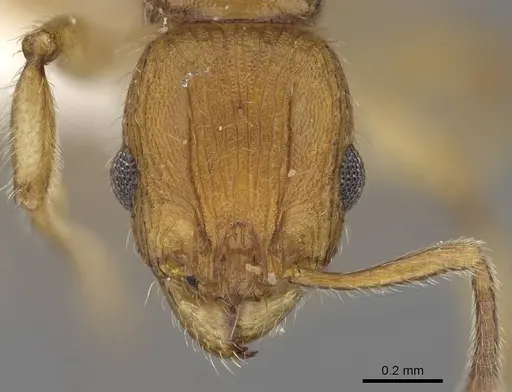
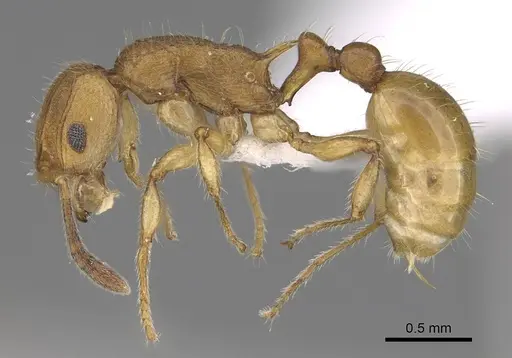
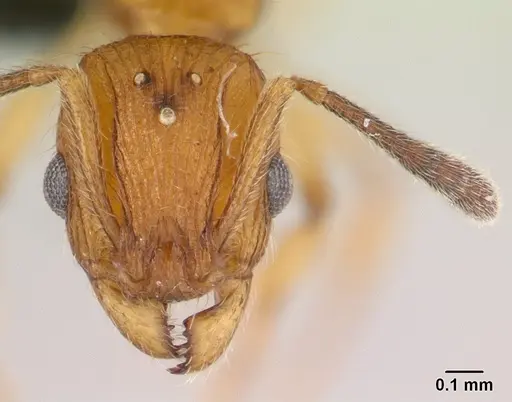
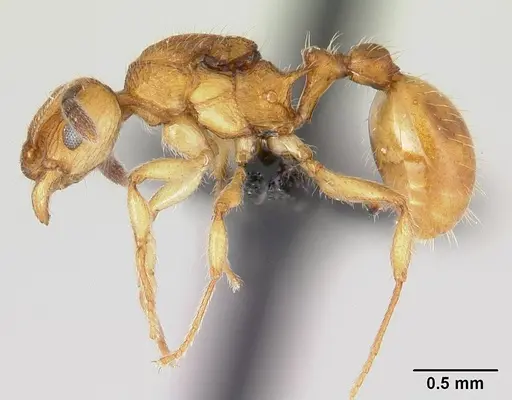
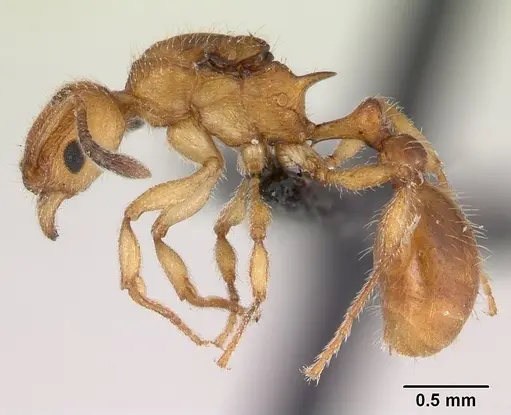
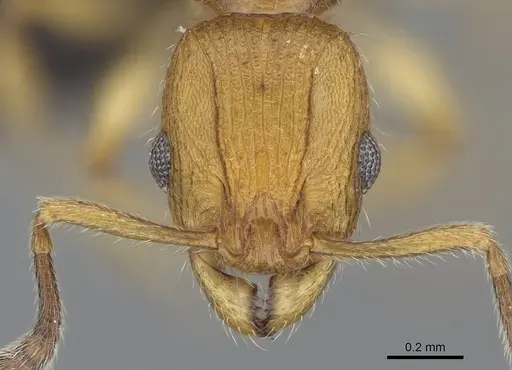
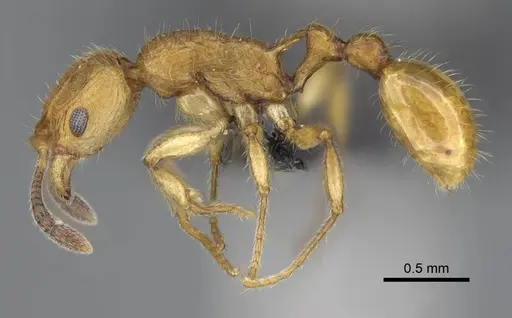
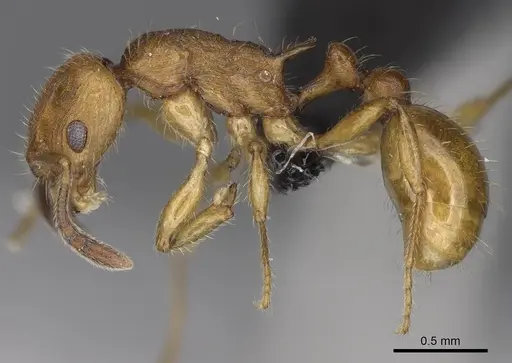
Vitsika suspicax is a tiny yellow ant endemic to Madagascar, with workers measuring 3.0-3.4mm in total length . The species was formally described in 2014 and belongs to the Myrmicinae subfamily . These ants are pale yellow all over and have relatively large eyes for their size, with 7-8 rows of ommatidia . They were collected from montane rainforest leaf litter, indicating they live in the humid forest floor environment . This species is unusual because queens come in three forms: ergatoid (wingless, worker-like), intermediate (with ocelli but no wings), and fully alate (winged) . This flexibility suggests the species can replace queens without a mating flight while also retaining the ability to reproduce via nuptial flights.
Quick Summary
- Difficulty: Unknown
- Origin & Habitat: Endemic to Madagascar, specifically montane rainforest habitats [1][2]. Collected from leaf litter samples and yellow pan traps.
- Colony Type: Colony structure is undocumented. Queens can be ergatoid, intermediate, or alate, which may allow internal queen replacement.
- Size & Growth:
- Queen: Queens are approximately the same size as workers (TL ~3.0-3.4mm inferred from ergatoid queen head measurements) [1].
- Worker: TL 3.0-3.4mm [1].
- Colony: Unknown, no colony size data available.
- Growth: Unknown, no documented data.
- Development: Unknown, no published data exists. (No development data is available for this species.)
- Antkeeping:
- Temperature: Unknown, based on montane rainforest origin, likely warm and stable (mid-20s°C). Avoid extremes [1].
- Humidity: Unknown, based on forest floor habitat, likely requires high humidity. Keep substrate consistently moist but not waterlogged [1].
- Diapause: Unknown, no diapause information exists.
- Nesting: Unknown, natural nests in leaf litter and debris. In captivity, test tubes with cotton or small Y-tong nests may work, but no proven method exists.
- Behavior: Temperament is undocumented. Based on small Myrmicinae, likely non-aggressive. Defense uses a spatulate stinger to smear venom (typical of Crematogastrini). Escape risk: high due to tiny size (3mm).
- Common Issues: no published care information exists, this is a poorly studied species with no captive husbandry data., humidity control is critical, they come from constantly humid forest floor and likely desiccate quickly in dry conditions., small size makes them difficult to house and feed, standard ant food may be too large, escape prevention must be meticulous., queen ergatoid forms may require different handling than typical alate queens.
Origin and Natural Habitat
Vitsika suspicax is endemic to Madagascar, found exclusively in montane rainforest environments [1][2]. All material was collected from litter samples or yellow pan traps, showing they live in the leaf litter layer of the forest floor [1]. The montane rainforest provides stable warm temperatures and high humidity year-round. This habitat suggests they are sensitive to dry conditions and require humid setups.
Identification and Appearance
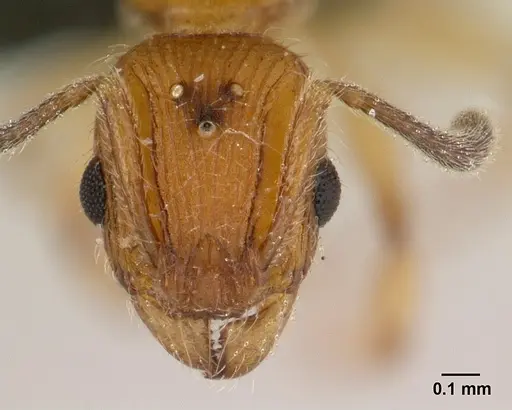
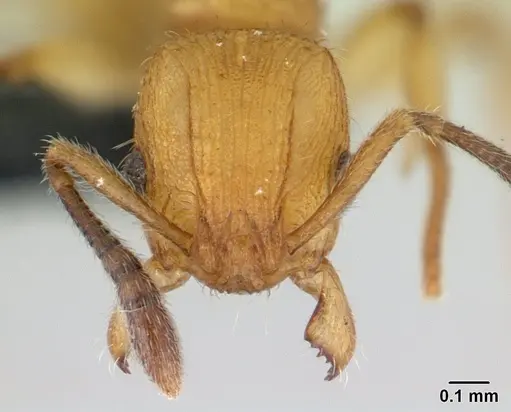
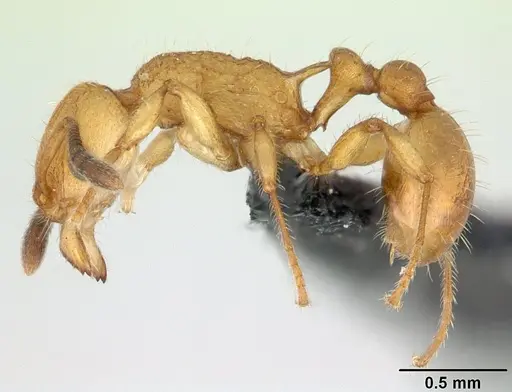
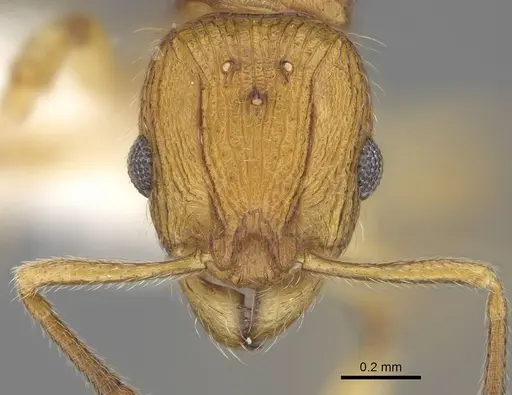
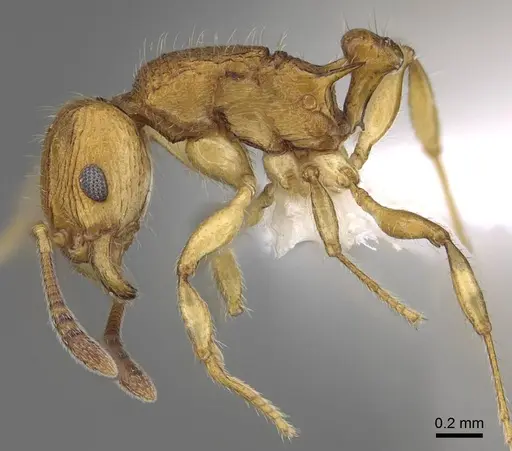
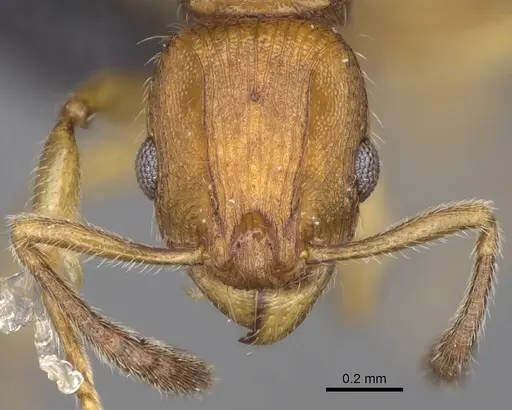
Workers are tiny, TL 3.0-3.4mm, and pale yellow all over [1]. The head is slightly longer than wide, and the scapes are moderately long. Eyes are relatively large for such a small ant, with 7-8 rows of ommatidia [1]. The petiole node stands erect and has faint surface sculpture [1]. Queens exist in multiple forms: ergatoid (wingless, nearly worker-sized), intermediate (with ocelli but no wings), and alate (fully winged with a more voluminous mesosoma) [1]. Males have never been collected [2].
Queen Caste System
This species shows remarkable flexibility in queen morphology, which is rare among ants [1]. Ergatoid queens are nearly identical in size to the largest workers and may lack ocelli or have a small median ocellus [1]. Intermediate forms have three distinct ocelli and weak flight sclerites but no wings. Alate queens have a full set of flight sclerites and three ocelli [1]. This flexibility likely allows the colony to replace queens internally (from ergatoid forms) without needing a nuptial flight, while also keeping the option for dispersal via alate queens.
Housing and Care
No captive husbandry data exists for this species. Based on its natural habitat in montane rainforest leaf litter [1], you should provide a setup that maintains high humidity and stable warmth. Test tubes with a water reservoir and cotton plug are a good starting point for small colonies. Avoid acrylic nests, use Y-tong or plaster nests if needed. Ensure the foraging area has fine mesh or tight seals to prevent escape, as these ants are only 3mm long. Maintain temperature in the mid-20s°C, avoid extremes above 30°C or below 18°C until more is known.
Feeding and Diet
Specific dietary needs are unknown. As small rainforest litter ants, they likely take small live prey and sugary liquids. Offer tiny prey such as fruit flies (Drosophila), springtails, or pinhead crickets. Provide diluted honey water or sugar water for carbohydrates. Feed small amounts frequently, remove uneaten prey to avoid mold. Since no research exists, observe and adjust based on colony acceptance.
Defense Mechanism
Vitsika suspicax belongs to the tribe Crematogastrini, which features a modified spatulate stinger used to smear venom onto enemies rather than piercing. This 'smear' defense is likely used by this species. Their small size means they pose no threat to humans.
Frequently Asked Questions
How long do Vitsika suspicax workers live?
Worker lifespan is unknown, no longevity studies exist for this species.
Can I keep Vitsika suspicax in a test tube setup?
A test tube with a water reservoir is a reasonable starting point, but no proven method exists. Keep it dark and ensure high humidity.
What do Vitsika suspicax ants eat?
Diet is unconfirmed. Offer small live prey like fruit flies or springtails, and sugar water. Start with tiny amounts and observe.
Do Vitsika suspicax ants sting?
Stinging ability is undocumented. As a myrmicine, it has a functional stinger, but its tiny size makes any sting negligible to humans. Defense is likely venom smearing.
How big do Vitsika suspicax colonies get?
Colony size is unknown, no published data exists.
Are Vitsika suspicax good for beginners?
No. This species is newly described (2014) with no captive husbandry information. It is recommended only for experienced keepers interested in poorly studied species.
Do Vitsika suspicax need hibernation?
Diapause requirements are unknown. As a tropical montane species, it may not require winter diapause. Observe the colony for seasonal slowing.
How do I start a Vitsika suspicax colony?
If available, start with a mated queen (alate or ergatoid). Provide a humid test tube setup. Founding behavior is unknown, so no specific advice can be given. Keep dark and undisturbed until workers appear, if they appear.
What makes Vitsika suspicax different from other ants?
Its flexible queen caste system, with ergatoid, intermediate, and alate forms, is unusual [1]. Males have never been collected [2].
Why are my Vitsika suspicax dying?
Common causes likely include low humidity, temperature extremes, unsuitable food, or stress. Since no care data exists, troubleshoot by stabilizing humidity and temperature and offering tiny prey.
Report an Issue
The current care sheet is based fully on literature. See inconsistencies, or something that's incorrect? Please , it will be resolved after review from an admin. Contributing to the blogs tab also helps providing information, to make us be able to further improve the caresheets. Thank you for your support!
References

Dit verzorgingsblad is gelicentieerd onder CC BY-SA 4.0 .
Community-blogs
CASENT0012675
Bekijk op AntWeb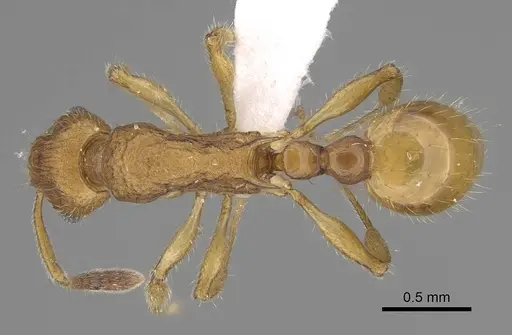
CASENT0040783
Bekijk op AntWeb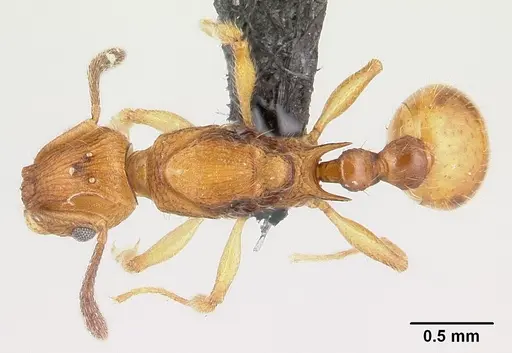
CASENT0040796
Bekijk op AntWeb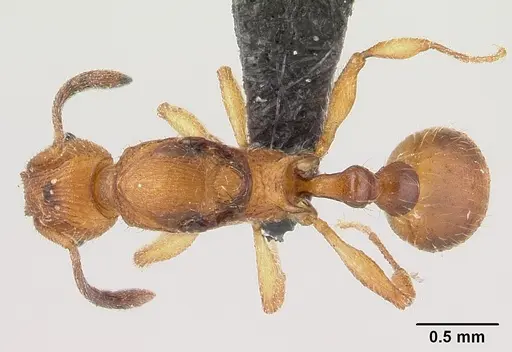
CASENT0040798
Bekijk op AntWeb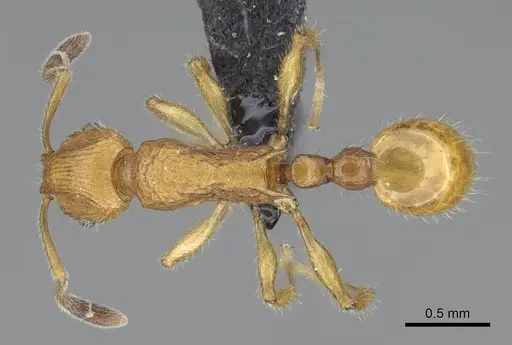
CASENT0068044
Bekijk op AntWeb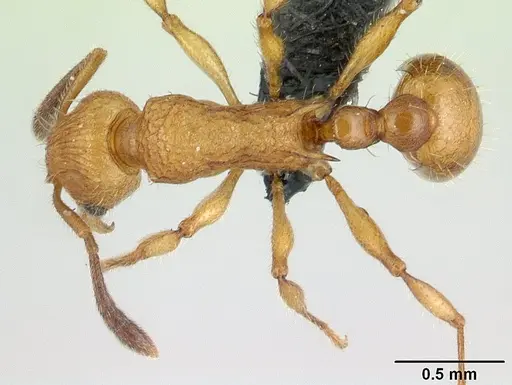
CASENT0914196
Bekijk op AntWeb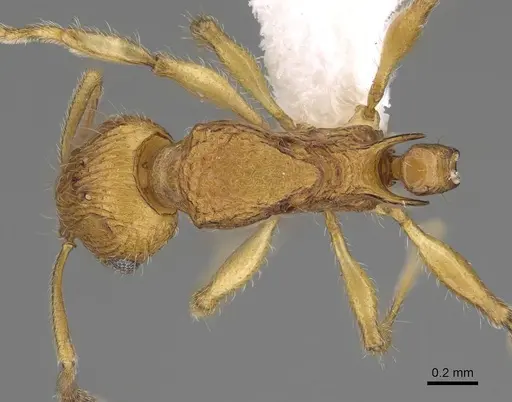
CASENT0914211
Bekijk op AntWeb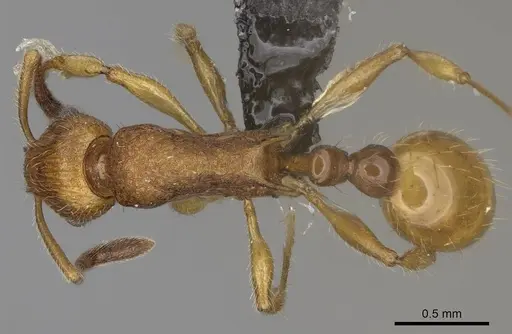
Literatuur
Verspreidingskaart laden...Producten laden...