
Tetraponera perlonga
- Wetenschappelijke naam
- Tetraponera perlonga
- Tribus
- Pseudomyrmecini
- Subfamilie
- Pseudomyrmecinae
- Auteur
- Santschi, 1928
- Verspreiding
- Gevonden in 1 landen
Introductie
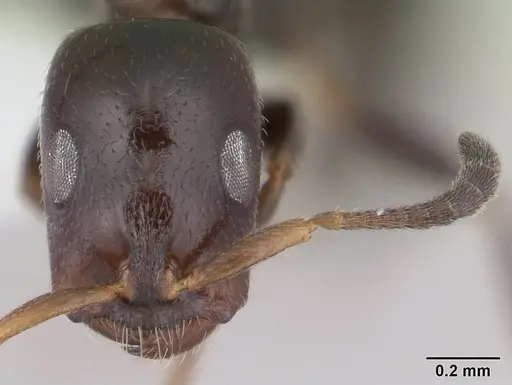
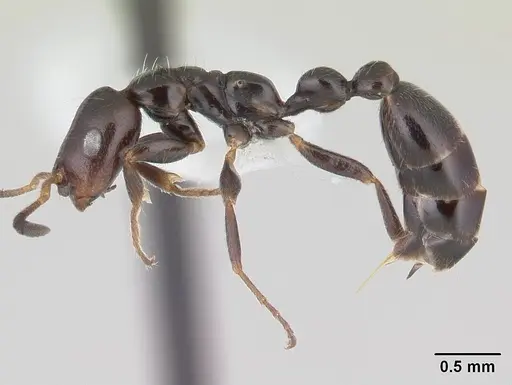
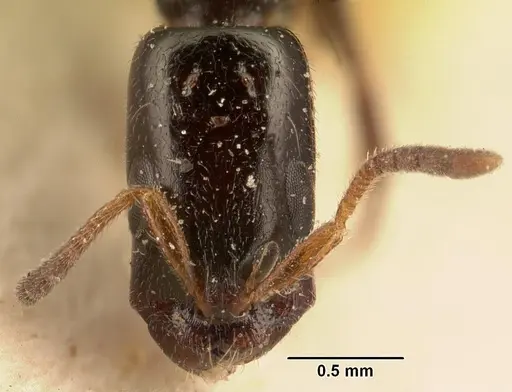
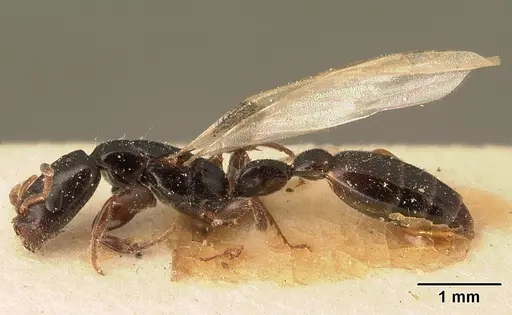
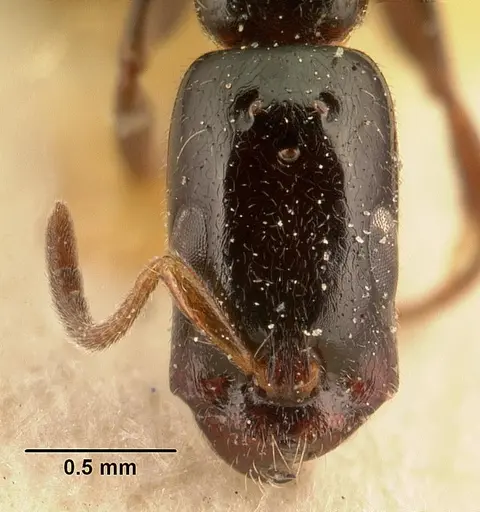
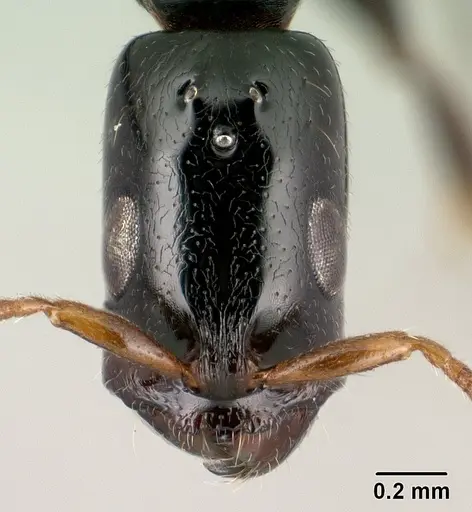
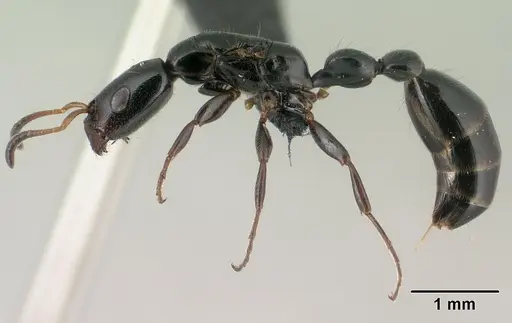
Tetraponera perlonga is a slender ant from Madagascar, part of the Pseudomyrmecinae subfamily . Workers are small and thin with the elongated body shape typical of this genus. It belongs to the *Tetraponera allaborans* species group, which includes several arboreal ants from Madagascar and nearby regions . The genus is currently under revision, and this species has been recorded in western and southern Madagascar, including Vohibasia forest and Kirindy Forest . What makes *T. perlonga* interesting is its arboreal lifestyle – it nests in hollow stems and twigs above ground, unlike many soil-nesting ants . This affects how you should set up their enclosure. They are fast, alert ants with large eyes, giving them excellent vision, which is common in Pseudomyrmecinae.
Quick Summary
- Difficulty: Medium
- Origin & Habitat: Native to Madagascar, found in tropical dry forests such as Kirindy Forest in the west and Vohibasia forest in the south [2][3]. They are arboreal, nesting in hollow plant stems and twigs [3]. Madagascar has a warm climate year-round with distinct wet and dry seasons.
- Colony Type: Colony structure is not well documented. Based on related Tetraponera species, they likely have moderate-sized colonies with a single queen (monogyne), but this is unconfirmed.
- Size & Growth:
- Queen: ~7-8 mm – inferred from Tetraponera genus patterns (no direct measurements available)
- Worker: ~4-6 mm – inferred from Tetraponera allaborans group patterns (no direct measurements available)
- Colony: Up to several hundred workers at maturity – estimated from related Tetraponera species
- Growth: Moderate – estimated based on related species
- Development: Estimated 6-10 weeks at optimal temperature (based on related Pseudomyrmecinae, not confirmed for this species) (Specific development data for *T. perlonga* is lacking. Expect similar timelines to other tropical Tetraponera species.)
- Antkeeping:
- Temperature: Keep around 24-28°C to mimic tropical conditions. Specific temperature data is unavailable, but this range matches Madagascar's lowland forests where the species occurs [2].
- Humidity: Moderate to high humidity (substrate slightly moist but not waterlogged). As an arboreal species from humid forests, they need consistent moisture but good ventilation to prevent mold. Mist the outworld and provide a water source like a test tube with a cotton plug.
- Diapause: No true diapause required – Madagascar is tropical with little seasonal temperature change. You can lower the temperature slightly to 22-24°C during the winter months if you want to simulate natural seasonal patterns, but it's not necessary.
- Nesting: Arboreal setup is essential. Provide hollow twigs, cork bark, or test tubes positioned horizontally to mimic stem cavities. Avoid standard soil formicariums. A naturalistic terrarium with cork branches and climbing structures works well. Ensure nest chambers are narrow (3-5 mm wide) to simulate natural stems.
- Behavior: Active and alert ants with good vision – they will explore the outworld and investigate new items quickly. They are not aggressive toward keepers but will defend their nest if disturbed. Escape prevention is important as they are small and agile. They forage actively and will hunt small prey.
- Common Issues: arboreal setup is required – they won't thrive in standard ground nests, escape risk is high due to their small size and agility, limited care information is available, so you may need to experiment, humidity must be balanced – too dry causes stress, too wet promotes mold, wild-caught colonies may carry parasites or suffer from collection stress
Housing and Nest Setup
Tetraponera perlonga requires an arboreal setup since they nest in hollow stems and twigs in nature [3]. The best options include cork bark nests, custom nests with narrow vertical chambers, or test tubes positioned horizontally to mimic stem cavities. You can also create a naturalistic terrarium with cork bark pieces, artificial vines, or small twigs. Avoid standard flat formicariums – these ants prefer to be off the ground. If you use a Y-tong (AAC) nest, add climbing structures in the outworld. Keep chambers narrow, around 3-5 mm, to match their natural habitat.
Temperature and Heating
Keep temperatures between 24-28°C for best growth and brood development. This species comes from tropical Madagascar, which is warm year-round [2]. Room temperature may not be enough, so use a small heating cable or mat on one side to create a warm zone. Place heating on the top or side of the nest, not underneath, to avoid drying out the nest too fast. A temperature gradient lets ants choose their preferred spot. In winter, a slight drop to 22-24°C is fine, but avoid going below 20°C.
Feeding and Diet
Like other Pseudomyrmecinae ants, T. perlonga is predatory. Offer small live insects such as fruit flies, pinhead crickets, or small mealworms. They are active hunters and will chase prey. They also accept sugar sources like diluted honey or sugar water occasionally. Provide fresh water at all times. Feed every 2-3 days and remove uneaten food after 24 hours to prevent mold. A varied diet supports healthy colony growth. [1]
Humidity and Water
Keep humidity moderate to high – the nest substrate should be slightly damp but not wet. As an arboreal species from humid forests, they need consistent moisture but also good airflow [3]. Mist the outworld and offer a water source like a test tube with a cotton plug. Poor humidity causes stress and brood loss, but too much moisture without ventilation leads to mold. Balance damp nest areas with a drier outworld.
Behavior and Colony Dynamics
These ants are fast and alert with excellent vision – common in arboreal Pseudomyrmecinae. Workers patrol their territory and investigate new objects. They are not aggressive to humans but will defend the nest if threatened. Colonies grow at a moderate pace. The queen lays eggs continuously once established. Workers divide labor between brood care and foraging. The colony expands over months to years, eventually reaching several hundred workers. [1]
Frequently Asked Questions
Can I keep Tetraponera perlonga in a test tube?
Yes, but with modifications. A horizontal test tube can work to simulate a stem cavity. However, cork bark or a custom arboreal nest is more natural since this species nests in hollow twigs and stems [3]. If using test tubes, connect several and add climbing structures in the outworld.
How long does it take for Tetraponera perlonga to produce first workers?
Specific development data is not available. Based on related Pseudomyrmecinae, first workers (nanitics) may appear after roughly 6-10 weeks at optimal temperatures (24-28°C). This is an estimate.
Do Tetraponera perlonga ants sting?
Pseudomyrmecinae ants have a functional stinger and can deliver a mild sting if provoked. However, they are not aggressive toward keepers and usually flee rather than attack. The sting is not dangerous but can be uncomfortable. Handle them carefully and avoid disturbing the nest.
Are Tetraponera perlonga good for beginners?
This species is rated Medium difficulty. Their arboreal setup needs are different from most ground-nesting ants, and they require warm, humid conditions year-round. If you are new to antkeeping, start with a more common species like Lasius or Camponotus before trying Tetraponera.
What do Tetraponera perlonga eat?
They are predatory and eat small live insects – fruit flies, pinhead crickets, small mealworms, and similar prey. They will also accept sugar sources like diluted honey or sugar water. Always provide fresh water.
Can I keep multiple queens together?
This is not recommended. There is no evidence that T. perlonga is polygynous (multi-queen). Combining unrelated queens usually leads to fighting. If you have a wild colony, it likely has one reproductive queen. Only try multi-queen setups if you have confirmed information that this species tolerates it.
Do Tetraponera perlonga need hibernation?
No, they do not need true hibernation. As a tropical species from Madagascar, they are not adapted to cold winters [2]. A slight temperature drop to 22-24°C in winter may mimic natural seasonal changes, but it's optional. Avoid temperatures below 20°C.
Why are my Tetraponera perlonga dying?
Common causes include: low temperature (below 24°C), humidity problems (too dry or too wet without ventilation), stress from frequent nest disturbance, queen escape or predation, mold from uneaten food, and parasites in wild-caught colonies. Check your setup and make gradual adjustments.
When should I move Tetraponera perlonga to a formicarium?
Wait until the colony has at least 20-30 workers before upgrading to a larger nest. Small colonies can stay in a test tube or small arboreal nest. Move them only when they visibly fill the current space or when workers often escape the outworld. Gradual upgrades reduce stress.
Where is Tetraponera perlonga found in the wild?
This species is endemic to Madagascar, found in tropical dry forests like Kirindy Forest in the west and Vohibasia forest in the south [2][3]. They nest in hollow stems and twigs above ground.
Report an Issue
The current care sheet is based fully on literature. See inconsistencies, or something that's incorrect? Please , it will be resolved after review from an admin. Contributing to the blogs tab also helps providing information, to make us be able to further improve the caresheets. Thank you for your support!
References

Dit verzorgingsblad is gelicentieerd onder CC BY-SA 4.0 .
Community-blogs
CASENT0012838
Bekijk op AntWeb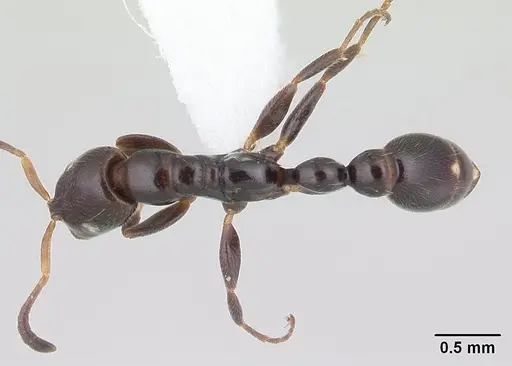
CASENT0101152
Bekijk op AntWeb
CASENT0101153
Bekijk op AntWeb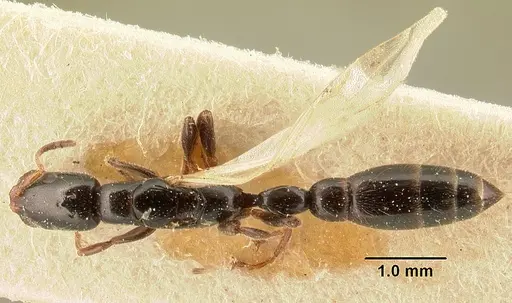
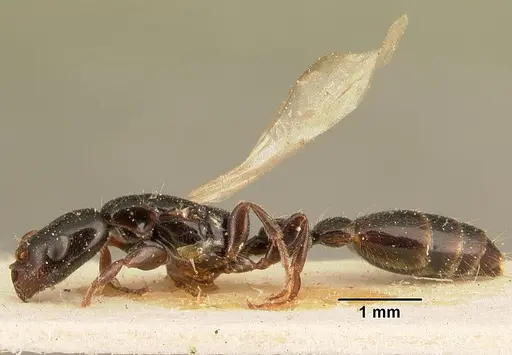
CASENT0143658
Bekijk op AntWeb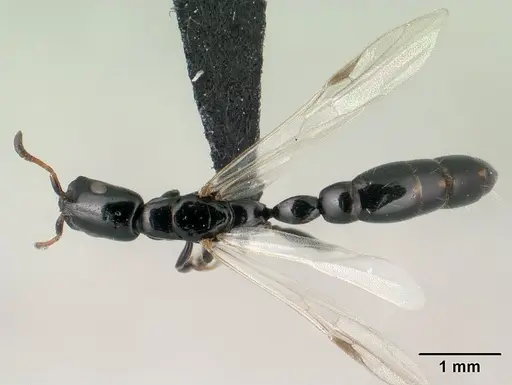
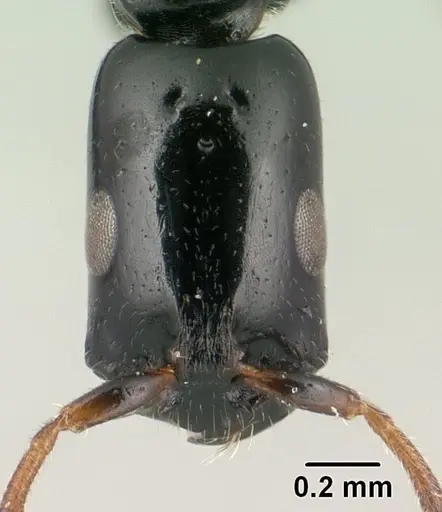
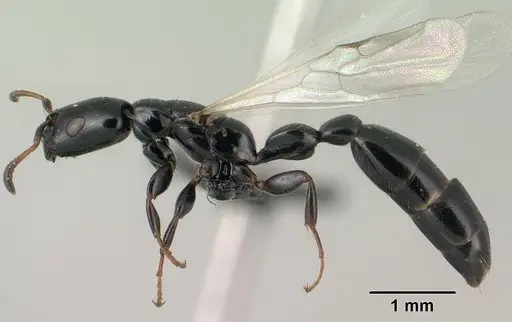
CASENT0145026
Bekijk op AntWeb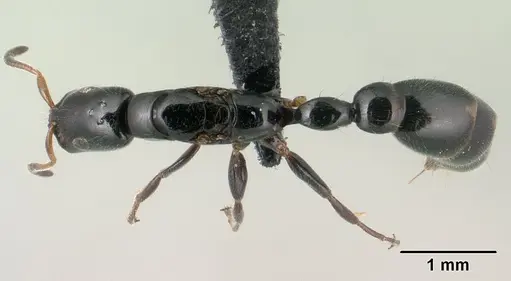
Literatuur
Verspreidingskaart laden...Producten laden...