
Tetramorium pelagium
- Wetenschappelijke naam
- Tetramorium pelagium
- Tribus
- Crematogastrini
- Subfamilie
- Myrmicinae
- Auteur
- Poldi, 1995
- Verspreiding
- Gevonden in 0 landen
Introductie
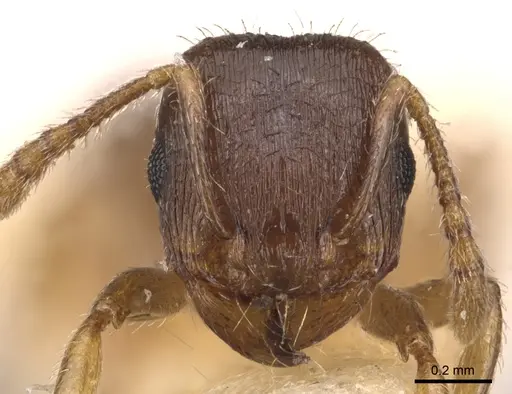
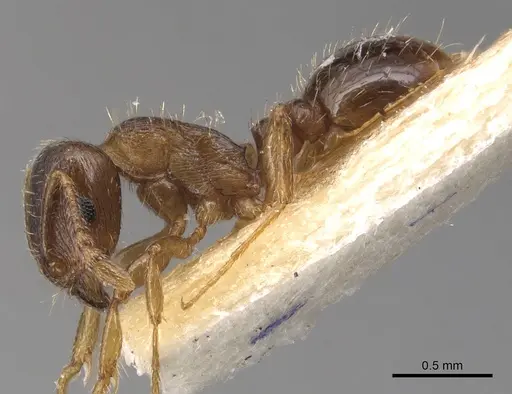
Tetramorium pelagium is a small, dark ant species endemic to Pantelleria island in the Pelagie Archipelago, Italy . Workers are typically 3-5 mm long (inferred from genus), with a heart-shaped head and 12-segmented antennae common to Tetramorium. They are dark brown to black, similar to other members of the Tetramorium caespitum complex. This species was described in 1995 by Poldi, and the name 'pelagium' directly refers to the Pelagie Islands where it is found . As an island endemic, it lives in a hot, dry Mediterranean climate.
Quick Summary
- Difficulty: Medium
- Origin & Habitat: Endemic to Pantelleria island (Pelagie Archipelago, Italy), a volcanic island with hot, dry summers and mild, wet winters. The species nests in open, sunny areas with dry, rocky or sandy soil [1].
- Colony Type: Likely monogyne (single queen) based on typical Tetramorium colony structure. Colony size probably moderate, similar to related species.
- Size & Growth:
- Queen: Estimated 6-8 mm based on typical Tetramorium queen size
- Worker: Estimated 3-5 mm based on genus typical size
- Colony: Likely several hundred workers at maturity, based on related species
- Growth: Moderate, estimated from typical Tetramorium development
- Development: Estimated 6-10 weeks at optimal temperature (24-26°C), based on patterns for related Tetramorium species (Development time is estimated, no species-specific data exists)
- Antkeeping:
- Temperature: Keep at 22-26°C year-round, with a slight gradient. They come from a warm Mediterranean island and need stable warmth. Can tolerate brief periods up to 30°C [2].
- Humidity: Low to moderate, these are dry-habitat ants. Keep the nest substrate relatively dry, allowing it to partially dry out between waterings. Overwatering is a common mistake.
- Diapause: Likely required, Mediterranean species typically need a winter rest period of 8-12 weeks at 10-15°C. Skipping diapause may weaken colonies.
- Nesting: Y-tong (AAC) or plaster nests work well. Provide tight chambers and avoid damp conditions. A small outworld for foraging completes the setup.
- Behavior: Moderately active workers that are not particularly aggressive but will defend the nest. They forage on the ground and accept a variety of foods. Escape risk is high due to their small size, use tight-fitting lids and talc/fluon barriers. They are ground-nesting and more active in warm weather.
- Common Issues: overwatering the nest, these dry-adapted ants need the substrate to partially dry out, keeping them too cold, stable 22-26°C is essential for colony health, skipping winter diapause, may lead to colony decline after a few years, high escape risk due to small worker size, barrier methods must be reliable
Origin and Natural Habitat
Tetramorium pelagium is endemic to Pantelleria island in the Pelagie Archipelago, Italy [1]. The species was described by Poldi in 1995 [1]. The volcanic island has a classic Mediterranean climate: hot, dry summers and mild, wet winters. The ants nest in open, sunny areas with dry, rocky or sandy soils. Replicate these conditions in captivity: provide warmth, low to moderate humidity, and a well-drained nesting substrate.
Housing and Nest Preferences
This species does well in Y-tong (AAC) or plaster nests that let you control humidity. They prefer tight chambers with small entrances, typical of ground-nesting Tetramorium. Keep the nest relatively dry, allow the substrate to partially dry between waterings. A small outworld with a heat lamp or ceramic heater can create a warm foraging area. Because workers are only 3-5 mm, you must seal all gaps with talc or fluon to prevent escapes. [2]
Feeding and Diet
Tetramorium pelagium is an opportunistic omnivore. Provide protein 2-3 times per week (fruit flies, pinhead crickets, small mealworms) and keep a constant source of sugar water or honey. In the wild, they forage for small arthropods and tend aphids for honeydew. Remove uneaten prey after 24 hours to prevent mold. [2]
Temperature and Seasonal Care
Maintain nest temperatures between 22-26°C year-round. A heating cable on one side creates a gradient so workers can self-regulate. In summer, brief periods up to 30°C are tolerated but avoid extreme heat. Winter diapause is likely important: cool the colony to 10-15°C for 8-12 weeks (typically November to February) to mimic natural seasonal cycles. Skipping diapause may lead to queen exhaustion and colony decline. [2]
Colony Development
Colony growth is moderate. A newly mated queen will probably take 6-10 weeks to produce her first nanitic workers at 24-26°C (estimated from related species). The first workers are smaller than mature workers but help the colony expand. Expect the colony to grow slowly at first, then accelerate once 20-30 workers are present. A mature colony may reach several hundred workers. Patience is key, don't overfeed or disturb the nest during founding. [2]
Defense Mechanism
Like other members of the Crematogastrini tribe, Tetramorium pelagium uses a 'smear' defense. Its stinger is flattened and spatulate, used to wipe venom onto enemies rather than piercing. This venom is generally mild to humans, so stings are rarely painful. [2]
Frequently Asked Questions
How long does it take for Tetramorium pelagium to produce first workers?
Expect 6-10 weeks from egg to first worker at optimal temperature (24-26°C). This is based on typical Tetramorium development patterns, exact timing for this species is not documented.
Do Tetramorium pelagium ants sting?
Like all Myrmicinae ants, they have a functional stinger, but it is mild and rarely felt by humans. Their defense is a 'smear' of venom rather than a sharp sting.
What temperature range is best for Tetramorium pelagium?
Keep the nest at 22-26°C year-round. They can briefly handle up to 30°C, but stable warmth is important. A heating cable on one side of the nest creates a beneficial temperature gradient.
Does Tetramorium pelagium need hibernation?
A winter diapause of 8-12 weeks at 10-15°C is recommended. This mimics their natural Mediterranean seasonal cycle and helps maintain colony health.
How big do Tetramorium pelagium colonies get?
Based on related species, colonies likely reach several hundred workers at maturity. Growth is moderate, not fast.
What do Tetramorium pelagium eat?
They accept small insects (fruit flies, pinhead crickets, small mealworms) and sugar sources (honey water, sugar water). Offer protein 2-3 times weekly and keep sugar water available constantly.
Is Tetramorium pelagium good for beginners?
This species is rated medium difficulty. While not the hardest, its specific requirements (warmth, dry conditions, hibernation) need some experience. Beginners should research thoroughly before acquiring.
Can I keep multiple Tetramorium pelagium queens together?
This species is likely monogyne (single queen). Combining unrelated queens is not recommended and may result in fighting. Keep only one queen per colony.
What humidity level do they need?
Keep the nest substrate relatively dry, allow it to partially dry out between waterings. Avoid constant moisture, these are dry-habitat ants.
When should I move Tetramorium pelagium to a formicarium?
Wait until the colony has at least 50-100 workers before moving from a test tube setup. This species does well in Y-tong or plaster nests once established.
Report an Issue
The current care sheet is based fully on literature. See inconsistencies, or something that's incorrect? Please , it will be resolved after review from an admin. Contributing to the blogs tab also helps providing information, to make us be able to further improve the caresheets. Thank you for your support!
References

Dit verzorgingsblad is gelicentieerd onder CC BY-SA 4.0 .
Community-blogs
CASENT0904560
Bekijk op AntWeb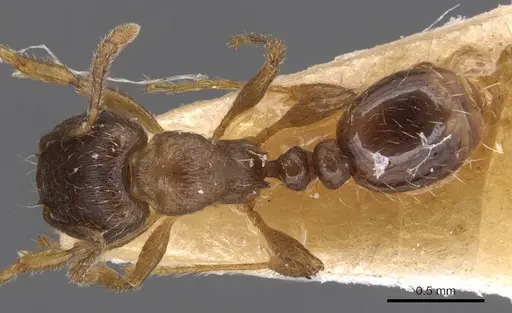
Literatuur
Verspreidingskaart laden...Producten laden...