
Temnothorax theryi
- Wetenschappelijke naam
- Temnothorax theryi
- Tribus
- Crematogastrini
- Subfamilie
- Myrmicinae
- Auteur
- Santschi, 1921
- Verspreiding
- Gevonden in 1 landen
Introductie
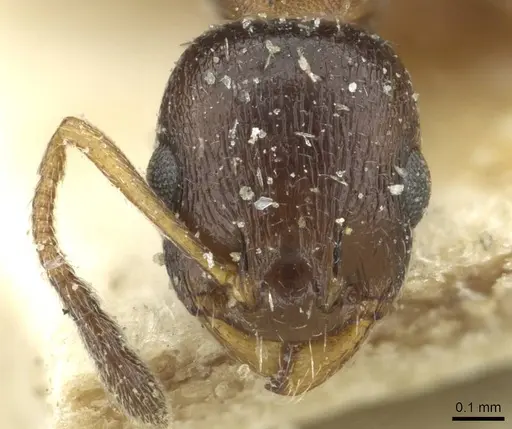
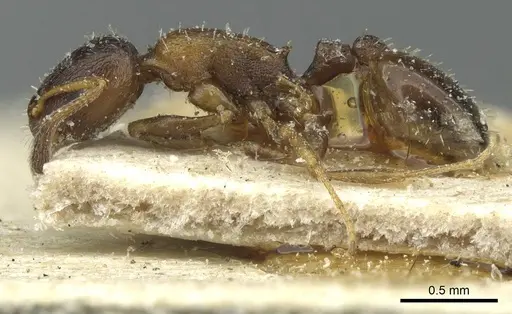
Temnothorax theryi is a tiny ant species endemic to Morocco. It has only been recorded in a few locations around Rabat, Mamora, and Demnate . Workers are small, typically 2-4 mm (estimated from genus patterns), with a slender build and a relatively large head. Like other Temnothorax, they likely nest in small cavities such as rock crevices, hollow stems, or under bark. Because so little is known about this species, most care advice comes from what we know about its relatives.
Quick Summary
- Difficulty: Easy
- Origin & Habitat: Endemic to Morocco, known only from Rabat, Mamora, and Demnate [1]. Based on typical Temnothorax preferences in North Africa, they likely inhabit dry to moderately humid rocky areas and scrubland.
- Colony Type: Colony structure is unconfirmed. Based on typical Temnothorax patterns, likely single-queen (monogyne) colonies.
- Size & Growth:
- Queen: ~4-5 mm, estimated from genus patterns
- Worker: ~2-4 mm, estimated from genus patterns
- Colony: Up to roughly 200 workers, estimated from genus patterns
- Growth: Moderate
- Development: Estimated 6-10 weeks at optimal temperature (22-24°C) based on related species (Specific development data for this species is not available.)
- Antkeeping:
- Temperature: Room temperature (20-24°C) should work well. This North African species likely doesn't need extreme heat. Observe colony activity to fine-tune.
- Humidity: Moderate humidity. Provide a moist area in the nest but allow some drying. These ants probably prefer conditions similar to dry rocky habitats.
- Diapause: Unknown. A mild cool period (15-18°C) for 2-3 months in winter may be beneficial, as many Mediterranean Temnothorax species slow down during winter. This is purely an inference.
- Nesting: Use a small nest with tight chambers, like a Y-tong (AAC) block or a small test tube setup. Avoid large, open formicaria that can stress tiny colonies.
- Behavior: Peaceful temperament, typical of Temnothorax. Workers are active foragers but not aggressive. Like other Myrmicinae (tribe Crematogastrini), they have a modified spatulate stinger used to smear venom rather than pierce, but stings are rare. Escape prevention is critical due to their tiny size, they can squeeze through very small gaps.
- Common Issues: escape through tiny gaps, use fine mesh and seal all seams., stress from oversized nests, keep chambers small and snug., mold from overwatering, provide a humidity gradient, not constant moisture.
Housing and Nest Setup
Because Temnothorax theryi is so small, you need a nest with tight, narrow chambers. A Y-tong (AAC) block or a small test tube setup works well. Keep the nest snug, these ants feel secure in small spaces. A small outworld gives them room to forage. Since they can slip through tiny gaps, use fine mesh on all vents and check seals regularly.
Feeding and Diet
Like most Temnothorax, this species is omnivorous. Provide sugar water or honey for energy, and offer small prey such as fruit flies, tiny mealworms, or pinhead crickets 2-3 times per week. Remove uneaten protein after 24 hours to prevent mold. Keep sugar sources available at all times.
Temperature and Seasonal Care
Keep temperatures around 20-24°C. This North African species doesn't need extreme heat. A cool winter period (15-18°C) for 2-3 months may help the colony maintain a natural annual rhythm, but this is not confirmed. Watch the brood development and activity levels to adjust conditions.
Behavior and Colony Dynamics
Temnothorax theryi likely forms small, single-queen colonies. Workers are active foragers and peaceful. They have a modified stinger for smearing venom (typical of the tribe Crematogastrini), but they rarely use it. The main challenge is their tiny size, they need excellent escape prevention. Colony growth is moderate, and mature colonies stay under roughly 200 workers.
Frequently Asked Questions
How long does it take for Temnothorax theryi to raise first workers?
Based on related species, expect nanitics about 6-10 weeks after the eggs are laid, assuming 22-24°C. This is an estimate, no specific data exists for this species.
What do Temnothorax theryi ants eat?
They are omnivorous. Offer sugar water or honey continuously, and provide small protein sources like fruit flies or tiny mealworms 2-3 times per week.
Do Temnothorax theryi ants sting?
They are not aggressive and rarely sting. Like other ants in their tribe, they have a modified stinger used to smear venom, but defensive behavior is uncommon.
How big do Temnothorax theryi colonies get?
Based on typical Temnothorax, expect up to roughly 100-200 workers. This is a small colony species.
Can I keep multiple queens together?
This species is likely monogyne (single queen). Combining unrelated queens is not recommended as they may fight. Single-queen colonies are standard for this genus.
Do Temnothorax theryi need hibernation?
A mild cool period (15-18°C) for 2-3 months during winter may be beneficial, as many Mediterranean Temnothorax slow down. This is inferred from genus patterns, not confirmed for this species.
What is the best nest type for Temnothorax theryi?
Use a small nest with tight chambers scaled to their tiny size. A Y-tong (AAC) nest or small test tube setup works well. Avoid large, open formicaria.
Why are my Temnothorax theryi escaping?
Their tiny size lets them squeeze through extremely small gaps. Check all enclosure seams, use fine mesh on ventilation, and ensure lids fit securely.
Are Temnothorax theryi good for beginners?
Yes, they are considered easy to keep. Their modest care requirements and small colony size make them manageable. The main challenge is preventing escapes due to their minute size.
Where is Temnothorax theryi found in the wild?
This species is endemic to Morocco. It has only been recorded in the Rabat, Mamora, and Demnate regions [1].
Report an Issue
The current care sheet is based fully on literature. See inconsistencies, or something that's incorrect? Please , it will be resolved after review from an admin. Contributing to the blogs tab also helps providing information, to make us be able to further improve the caresheets. Thank you for your support!
References

Dit verzorgingsblad is gelicentieerd onder CC BY-SA 4.0 .
Community-blogs
CASENT0913007
Bekijk op AntWeb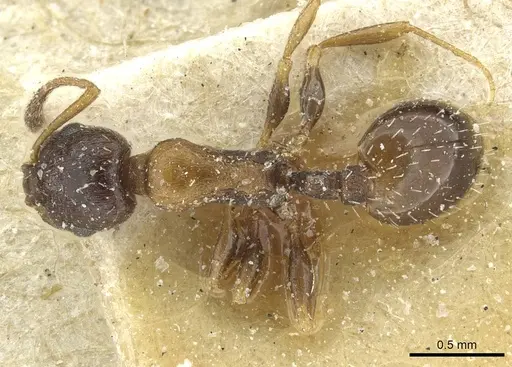
Literatuur
Verspreidingskaart laden...Producten laden...