
Temnothorax suberis
- Wetenschappelijke naam
- Temnothorax suberis
- Tribus
- Crematogastrini
- Subfamilie
- Myrmicinae
- Auteur
- Forel, 1894
- Verspreiding
- Gevonden in 0 landen
Introductie
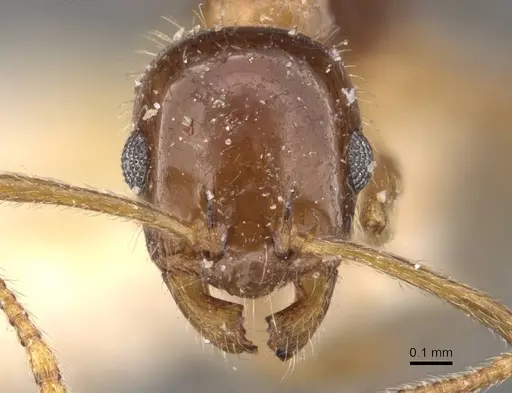
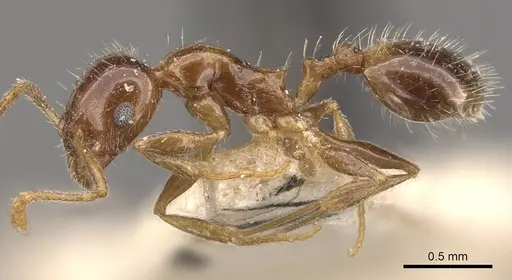
Temnothorax suberis is a tiny ant species native to the Mediterranean region, documented in Morocco at Cap Spartel . The species name 'suberis' suggests an association with cork oak habitats, which aligns with a possible preference for warm, sheltered microhabitats in rocky Mediterranean landscapes. As with most Temnothorax species, they nest in small cavities under stones, in rock crevices, or in decaying wood. Colonies are relatively small, typically reaching up to a few hundred workers at most. These ants are known for their cautious, deliberate movements and their tendency to establish nests in well‑protected locations. Worker size is approximately 2-4 mm, queens around 4-5 mm (averages based on related Temnothorax species; specific measurements for T. suberis are unavailable).
Quick Summary
- Difficulty: Easy
- Origin & Habitat: Mediterranean region of Morocco, specifically documented at Cap Spartel [1]. They inhabit warm, rocky areas likely associated with cork oak habitats. The species thrives in Mediterranean climate conditions with mild winters and warm, dry summers.
- Colony Type: Likely monogyne (single-queen colonies) based on typical Temnothorax genus patterns. Colony structure is unconfirmed for this specific species.
- Size & Growth:
- Queen: ∼4-5 mm (estimated from related Temnothorax species, no direct measurements exist for this species)
- Worker: ∼2-4 mm (estimated from related Temnothorax species, no direct measurements exist for this species)
- Colony: Up to a few hundred workers (estimated, based on typical Temnothorax colony sizes)
- Growth: Moderate
- Development: ∼6-10 weeks at 22-24 °C (estimated from related Temnothorax species, not confirmed for T. suberis) (Development time is temperature‑dependent, warmer conditions within their tolerance range speed up development. First workers (nanitics) are typically smaller than mature workers.)
- Antkeeping:
- Temperature: Likely 20-24 °C during the active season (based on Mediterranean origin and Temnothorax genus preferences). Provide a slight gradient so workers can choose warmer spots (up to 24 °C) for brood development.
- Humidity: Moderate humidity, aim for a nest substrate that is slightly moist but not wet. These ants prefer drier conditions than tropical species, reflecting their Mediterranean origin. Provide a water source but avoid overly damp nesting areas.
- Diapause: Yes, based on Mediterranean origin, they likely require a winter rest period. Reduce temperature to 10-15 °C for about 2-3 months (typical for temperate Temnothorax species). Exact requirements are unknown for T. suberis, so observe colony behavior and adjust.
- Nesting: Y‑tong (AAC) nests work well due to their small size. They also do well in small test‑tube setups or acrylic nests with tight connections. Provide narrow chambers scaled to their tiny size. Naturalistic setups with flat stones or small rock crevices mimic their natural nesting sites.
- Behavior: Generally peaceful and non‑aggressive. Workers are small and cautious, foraging slowly for small prey and honeydew. They are not territorial or aggressive toward keepers. Escape prevention is critical, their tiny size allows them to squeeze through gaps smaller than 1 mm. Use fine mesh barriers and seal all connections. Their defense is a smear of venom rather than a sting, so they pose no danger to humans.
- Common Issues: escape prevention is critical, they can squeeze through gaps smaller than 1 mm, diapause is likely essential, colonies that don’t hibernate may decline over time, small colony size means growth feels slow, resist the urge to overfeed, test tube setups must have properly fitted cotton and tight seals to prevent escapes, temperature drops below 15 °C outside hibernation can stress colonies
Housing and Nest Setup
Because specific nest‑site data for Temnothorax suberis is lacking, advice is based on typical Temnothorax preferences. These ants do well in Y‑tong (AAC) nests, whose narrow chambers and passages mimic the small rock crevices and cavities they naturally use. Small acrylic nests with tight‑fitting connections also work. Test tube setups are fine for founding colonies but will need upgrading as the colony grows (move to a proper nest when the colony reaches about 30-50 workers). Whatever nest type you choose, seal all connections and edges, these ants will exploit even tiny openings. A formicarium with a small outworld connected to the nest simplifies feeding and observation. Keep the nest in a quiet area away from direct sunlight and vibrations.
Feeding and Diet
No specific dietary data exists for Temnothorax suberis, but related Temnothorax species are omnivorous with a preference for protein. Offer small protein sources such as fruit flies, small crickets, or mealworm pieces. They will also accept sugar sources, a small drop of honey water or sugar water occasionally. In the wild, they likely forage for small arthropods and tend aphids for honeydew. Feed small amounts 2-3 times per week, removing any uneaten food promptly to prevent mold. A constant water source is essential.
Temperature and Seasonal Care
Based on their Mediterranean origin and Temnothorax genus patterns, maintain temperatures around 20-24 °C during the active season. A slight gradient allowing workers to choose their preferred temperature is ideal, warmer areas around 24 °C support faster brood development. During winter, these ants likely require a diapause period. Reduce temperatures to 10-15 °C for 2-3 months, typically from late autumn through early spring. Place the colony in a cool location like an unheated garage or basement during this time. Do not feed during hibernation but ensure water is available. The winter rest period is considered essential for colony health and may trigger reproductive activity in the following spring.
Behavior and Colony Dynamics
Temnothorax suberis forms small, peaceful colonies with a single queen (inferred from genus patterns). Workers are cautious foragers, moving deliberately as they search for food. They are not aggressive and pose no threat to keepers, their defense is to smear venom rather than sting. The colony establishes a clear division of labor, with workers tending the queen, caring for brood, and foraging for food. New colonies grow gradually: expect about 6-10 weeks from founding to first workers (timeframe based on related species), and several months to reach significant numbers. Colonies typically max out at a few hundred workers, which is typical for the genus. The small colony size and slow growth may test beginner patience, but they are low‑maintenance once established.
Frequently Asked Questions
How long does it take for Temnothorax suberis to have first workers?
No exact data exists for this species. Based on related Temnothorax species, first workers (nanitics) likely emerge 6-10 weeks after the queen lays her first eggs, assuming temperatures around 22-24 °C. The first workers will be smaller than mature workers but will immediately begin helping with colony tasks.
Do Temnothorax suberis ants need hibernation?
Based on their Mediterranean origin, they likely require a winter rest period of about 2-3 months at temperatures around 10-15 °C. Skipping hibernation may cause the colony to decline over time. Reduce feeding, lower temperatures, and allow the colony to slow down naturally during winter.
Can I keep Temnothorax suberis in a test tube?
Yes, test tubes work well for founding colonies. Ensure the cotton is packed tightly and the tube has a secure fit. Upgrade to a proper nest (Y‑tong or acrylic) when the colony reaches about 30-50 workers. Escape prevention is critical, check seals regularly.
What do Temnothorax suberis eat?
They are omnivorous with a protein preference. Offer small insects like fruit flies, small crickets, or mealworm pieces. They will occasionally accept sugar sources like honey water. Feed small amounts 2-3 times per week and remove uneaten food promptly.
Are Temnothorax suberis good for beginners?
Yes, they are among the easier ant species to keep. They are small, peaceful, and don’t require elaborate setups. The key requirements are excellent escape prevention, proper hibernation, and patience with their slow growth. Their small size can make them harder to observe than larger species.
How big do Temnothorax suberis colonies get?
Colonies typically reach up to a few hundred workers at maturity. This is smaller than many common ant species but typical for Temnothorax. The small colony size makes them manageable and low‑maintenance once established.
Do Temnothorax suberis ants sting?
No, they pose no danger to keepers. They belong to a group of ants that smear venom rather than pierce the skin, so they are essentially harmless to humans.
Why is escape prevention important for Temnothorax suberis?
Their tiny worker size (∼2-4 mm) allows them to squeeze through gaps as small as 1 mm. Standard ant keeping barriers may not work, use fine mesh, fluon on container edges, and check all connections regularly.
When should I move my colony to a formicarium?
Move to a proper nest (Y‑tong or acrylic) when the colony reaches 30-50 workers. Test tubes become difficult to maintain at this size. Ensure the new nest has appropriately sized chambers, these small ants need tight, snug passages, not large open spaces.
What temperature range is best for Temnothorax suberis?
Keep them at 20-24 °C during the active season. A slight gradient allowing warmer spots (up to 24 °C) aids brood development. During hibernation, reduce to 10-15 °C. Avoid temperatures below 15 °C outside of the winter dormancy period.
Report an Issue
The current care sheet is based fully on literature. See inconsistencies, or something that's incorrect? Please , it will be resolved after review from an admin. Contributing to the blogs tab also helps providing information, to make us be able to further improve the caresheets. Thank you for your support!
References

Dit verzorgingsblad is gelicentieerd onder CC BY-SA 4.0 .
Community-blogs
CASENT0909063
Bekijk op AntWeb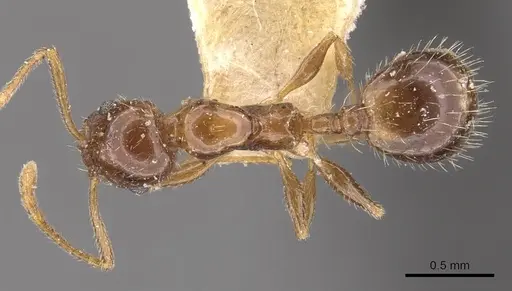
Literatuur
Verspreidingskaart laden...Producten laden...