
Temnothorax poldii
- Wetenschappelijke naam
- Temnothorax poldii
- Tribus
- Crematogastrini
- Subfamilie
- Myrmicinae
- Auteur
- Alicata <i>et al.</i>, 2022
- Verspreiding
- Gevonden in 1 landen
Introductie
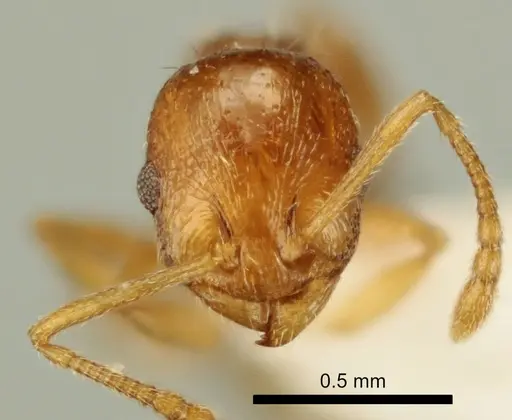
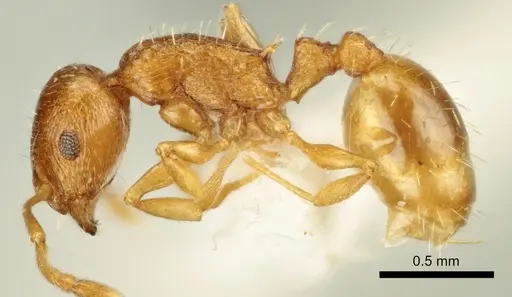
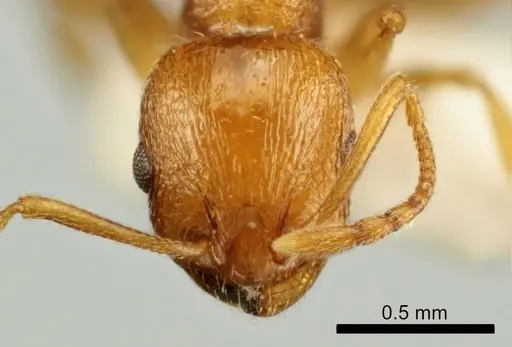
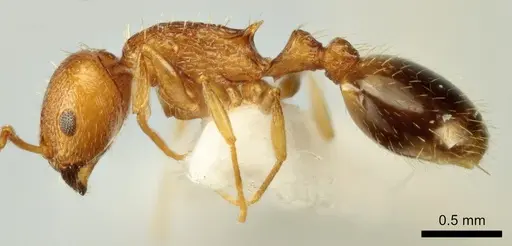
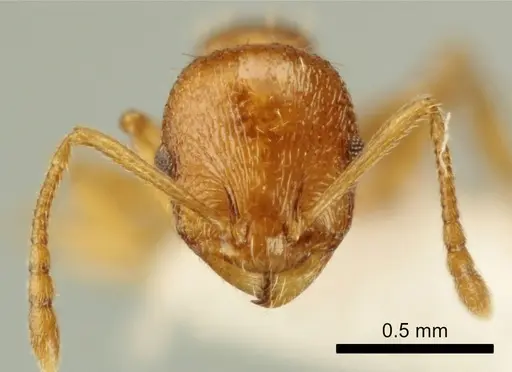
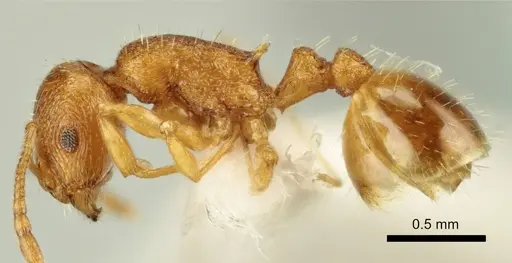
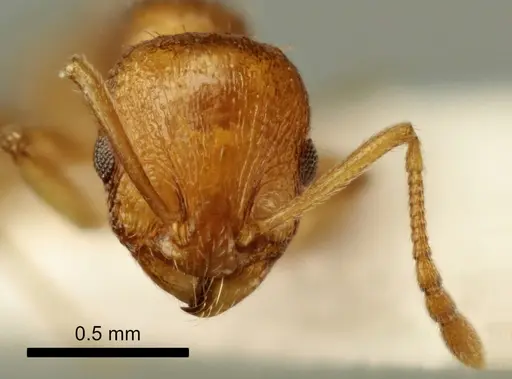
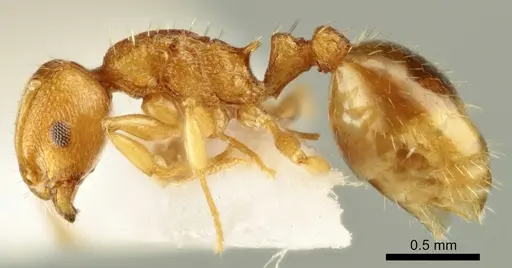
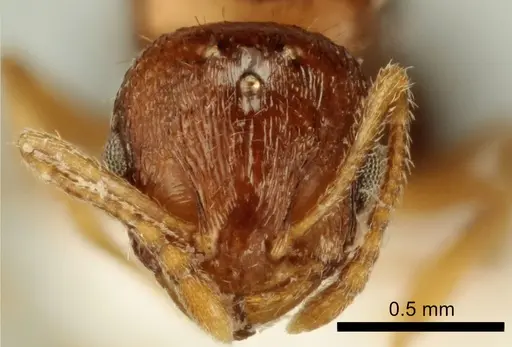
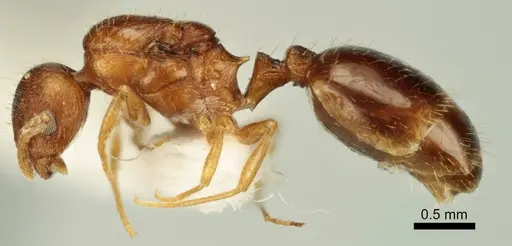
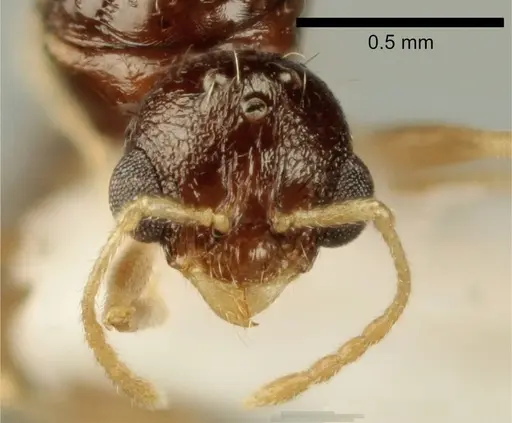
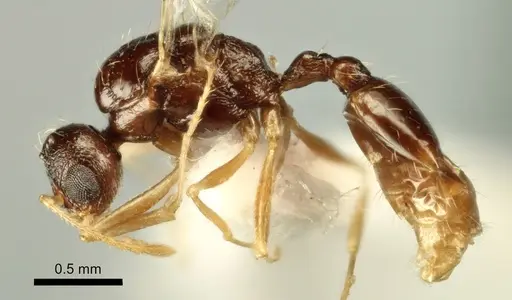
Temnothorax poldii is a small, recently described ant species endemic to Sicily, Italy. Workers are around 2.5-3.5mm and have a distinctive rusty ferruginous (reddish-brown) coloration throughout their body, though the gaster sometimes appears darker in some colonies . They have relatively long propodeal spines and strong sculpturing with distinct ridges (rugae) on the mesosoma and head . This species was only formally described in 2022 . These ants live in the hilly to mountainous forests of Sicily, at elevations between 340-1612m, always under tree coverage, usually consisting of different oak species . Massive historic deforestation of Sicily has fragmented their habitat significantly, restricting them to isolated populations in the mountain chains along the Tyrrhenian coast . They nest in the soil and opportunistically use various microhabitats available on the forest floor .
Quick Summary
- Difficulty: Medium
- Origin & Habitat: Endemic to Sicily, Italy. Found in hilly to mountainous oak forests at 340-1612m elevation [1][2]
- Colony Type: Monogyne, single queen colonies in all documented cases [1]
- Size & Growth:
- Queen: Size data unavailable, inferred from Temnothorax genus, possibly ~4-5mm
- Worker: Inferred from genus, approximately 2.5-3.5mm. Body measurements not directly available [1]
- Colony: Unknown, but likely under 500 workers based on typical Temnothorax patterns [1]
- Growth: Moderate (based on related Temnothorax species)
- Development: 6-10 weeks at optimal temperature (inferred from genus patterns) [2] (Specific development data for T. poldii is unavailable, estimate from related species.)
- Antkeeping:
- Temperature: Keep at 20-24°C. This Sicilian mountain species prefers moderate temperatures, avoid overheating above 28°C [1][2]
- Humidity: Moderate, keep the nest substrate damp but not waterlogged, mimicking forest floor conditions under oak coverage [1]
- Diapause: Likely required. Males found in nests in August suggests seasonal breeding. Related temperate Temnothorax species typically need a winter cooling period. Specific requirements unknown [1]
- Nesting: Soil-nesting species. Use test tubes for founding, Y-tong or plaster nests for established colonies. Provide damp substrate to maintain burrowing conditions [1]
- Behavior: Generally peaceful and non-aggressive. Workers are small and move deliberately. They forage individually or in small groups, not in large raiding parties. Their primary defense is a spatulate stinger used to smear venom onto enemies (characteristic of Crematogastrini tribe). Escape prevention is critical due to their tiny size, they can slip through standard gaps. Not dangerous to keepers.
- Common Issues: escape prevention is critical, these tiny ants can squeeze through the smallest gaps and standard ventilation mesh, newly described species means captive husbandry is not well-established, adjust care based on observations, humidity management can be tricky, too wet causes mold, too dry stresses the colony, winter care requirements are unclear, related species need hibernation but specifics for this species are unknown, slow colony growth can test keeper patience, moderate growth rate expected
Housing and Nest Setup
Temnothorax poldii is a soil-nesting species that does well in standard test tube setups for founding colonies. The test tube should have a large enough water reservoir to maintain humidity for several weeks without flooding. Once the colony has around 20-30 workers, you can consider moving them to a Y-tong (AAC) nest or a plaster nest with appropriately sized chambers. These ants are tiny, make chambers narrow and passages tight so they feel secure. Avoid large, open spaces that can stress small colonies. A layer of moist soil or sand in the outworld helps maintain appropriate humidity during feeding. Escape prevention is absolutely critical, apply fluon to all potential escape points and seal connections between nest and outworld. Use very fine mesh for ventilation because these tiny ants can escape through standard mesh sizes [1].
Feeding and Diet
Like most Temnothorax species, T. poldii likely accepts a varied diet of small insects and sugar sources. Feed small protein sources such as fruit flies, pinhead crickets, and mealworm pieces. Provide sugar water, honey, or sucrose solution at all times once workers emerge. In the wild, they hunt small arthropods and likely tend aphids for honeydew [1]. Feed small prey 2-3 times per week for growing colonies, and remove any uneaten prey within 24 hours to prevent mold. Sugar water can be refreshed every few days. Watch worker behavior, if they ignore protein, try offering smaller or different prey items. Freshly killed insects are often more readily accepted than live ones for these small foragers [1].
Temperature and Seasonal Care
Keep T. poldii at moderate temperatures between 20-24°C. This matches their natural habitat in the Sicilian mountains where they experience warm but not extreme conditions. Avoid temperatures above 28°C as that can stress colonies. A heating cable on one side of the nest can create a gentle gradient, allowing workers to self-regulate. Place the heating element on top of the nest, not underneath, to prevent excessive drying.
Regarding winter care, the exact diapause requirements are unknown for this species. However, males have been found in nests during August, suggesting late summer reproductive activity [1]. Given that related Mediterranean Temnothorax species typically experience a reduced activity period during winter, providing a cool period around 10-15°C for 2-3 months during winter is likely beneficial. Do not feed during this cool period and keep the colony slightly drier to prevent moisture issues. If your room temperature stays above 18°C year-round, a brief cooling period may not be strictly necessary, but watch for signs of stress or unusual behavior [1].
Colony Development and Growth
The founding method for T. poldii is not documented in research. Most Temnothorax species exhibit claustral founding, where the queen seals herself in a chamber and raises the first brood using stored fat reserves without leaving to forage. However, this has not been confirmed for this species. If following typical patterns, expect the first nanitic workers to emerge after 6-10 weeks, but this is estimated from related species, specific data is not available for T. poldii [1]. The initial worker batch is typically smaller than subsequent generations.
Colony growth is moderate, these are not fast-growing ants. A healthy founding colony may reach around 50 workers within the first year under good conditions. Maximum colony size is unknown but likely under 500 workers based on typical genus patterns. Growth rate depends heavily on temperature, feeding frequency, and humidity stability. Be patient with founding colonies, overfeeding can cause mold issues in small test tube setups. The colony will naturally expand as worker numbers increase, at which point you can consider transitioning to a larger nest [1].
Behavior and Observation
Temnothorax poldii workers are small, rust-colored ants that move deliberately rather than frantically. They are not aggressive and pose no threat to keepers. Workers forage individually or in small groups, searching for small prey and sugar sources. They do not form large raiding parties or exhibit dramatic defensive behaviors.
One notable behavior in the genus is tandem running, workers lead nestmates to food sources by running together, rather than recruiting through pheromone trails. This represents a more primitive recruitment method compared to ants that use chemical trails. Watch for workers gathering at food sources and returning to the nest to recruit others.
Their small size makes them excellent escape artists. Even a tiny gap around a lid or connection point can allow workers to escape. Apply fluon liberally to all potential escape points and check barriers regularly. Despite their small size, queens are relatively long-lived for ants, possibly 10-15 years with good care, based on related species [1].
Frequently Asked Questions
How long does it take for Temnothorax poldii to raise first workers?
Based on related Temnothorax species, expect 6-10 weeks from egg to first worker at optimal temperature (around 22°C). The queen likely seals herself in during founding and raises the first brood alone using stored fat reserves. This timeline is an estimate as specific development data for T. poldii is not available [1].
What do Temnothorax poldii ants eat?
Feed small protein sources like fruit flies, small crickets, and mealworm pieces. Provide sugar water, honey, or sucrose solution at all times once workers emerge. Remove uneaten prey within 24 hours to prevent mold. These tiny ants need appropriately sized prey, items should be no larger than the workers themselves [1].
Do Temnothorax poldii ants need hibernation?
The exact requirements are unknown, but likely yes. Males have been found in nests during August, suggesting seasonal breeding patterns [1]. Related Mediterranean Temnothorax species typically benefit from a cool period (10-15°C) for 2-3 months during winter. If kept at room temperature year-round, a brief cooling period is recommended.
Are Temnothorax poldii good for beginners?
This species is rated as Medium difficulty. While not the hardest ant to keep, it presents challenges: they are very small (high escape risk), newly described (husbandry is not well-documented), and specific care requirements are not fully known. Beginners should start with more common species like Lasius or Camponotus before attempting T. poldii.
How big do Temnothorax poldii colonies get?
Colony size is not well documented, but based on typical genus patterns, colonies likely reach under 500 workers. This is a small colony size compared to many common ant species. Growth is moderate, expect several months to reach 50 workers from a founding colony [1].
Can I keep multiple Temnothorax poldii queens together?
No, T. poldii is monogynous, meaning colonies have a single queen [1]. Combining unrelated queens is not recommended and would likely result in fighting. Only one queen per colony should be kept.
Do Temnothorax poldii ants sting?
Temnothorax species have a modified stinger used for smearing venom, not for piercing. They are docile and pose no danger to keepers. Their primary defense is chemical, they may wipe venom onto threats if disturbed, but this is rare in captive settings.
What temperature is best for Temnothorax poldii?
Keep nest temperatures between 20-24°C. This Sicilian mountain species prefers moderate warmth, avoid temperatures above 28°C. A gentle temperature gradient using a heating cable on part of the nest allows workers to self-regulate. Room temperature in most homes (around 20-22°C) is often suitable [1].
When do Temnothorax poldii nuptial flights occur?
The exact timing is unknown. Males have been found inside nests in August, suggesting late summer reproductive activity [1]. The nuptial flight period has not been documented. If you are breeding this species, expect alate production during warm months.
Why are my Temnothorax poldii escaping?
Their tiny size makes escape almost guaranteed without excellent prevention. Apply fluon to all lid edges and connection points. Use very fine mesh for ventilation, standard mesh has gaps too large for these 3mm workers. Check barriers daily and seal any gaps immediately. Even a tiny gap will result in escaped ants.
Report an Issue
The current care sheet is based fully on literature. See inconsistencies, or something that's incorrect? Please , it will be resolved after review from an admin. Contributing to the blogs tab also helps providing information, to make us be able to further improve the caresheets. Thank you for your support!
References

Dit verzorgingsblad is gelicentieerd onder CC BY-SA 4.0 .
Community-blogs
ANTWEB1041545
Bekijk op AntWeb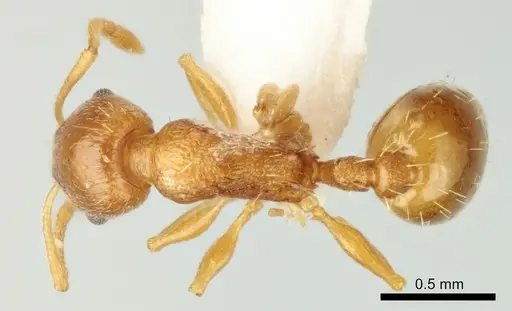
ANTWEB1041546
Bekijk op AntWeb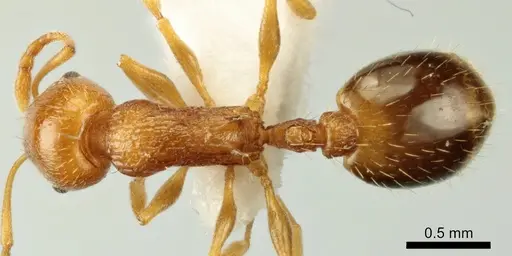
ANTWEB1041547
Bekijk op AntWeb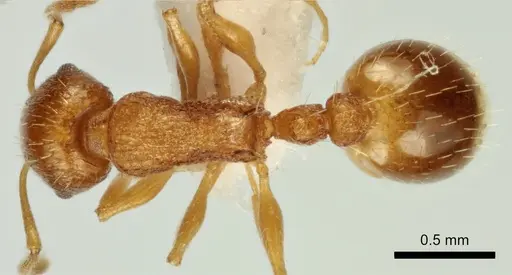
ANTWEB1041548
Bekijk op AntWeb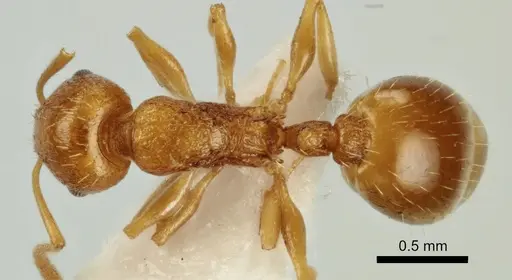
ANTWEB1041549
Bekijk op AntWeb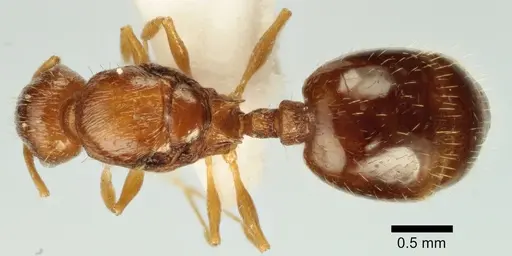
ANTWEB1041550
Bekijk op AntWeb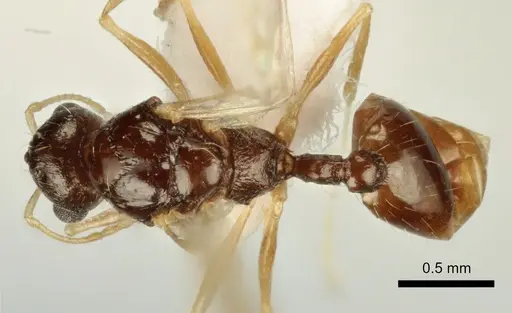
Literatuur
Verspreidingskaart laden...Producten laden...