
Temnothorax pamiricus
- Wetenschappelijke naam
- Temnothorax pamiricus
- Tribus
- Crematogastrini
- Subfamilie
- Myrmicinae
- Auteur
- Ruzsky, 1902
- Verspreiding
- Gevonden in 0 landen
Introductie
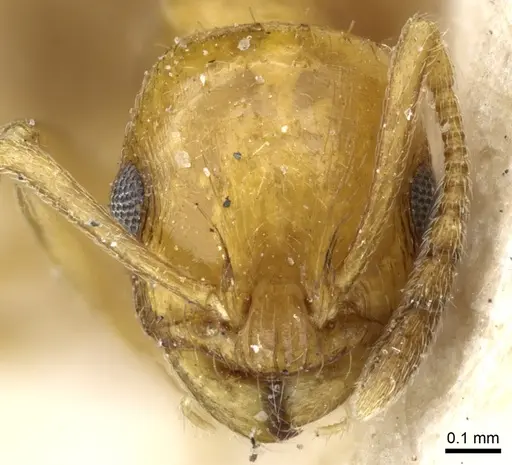
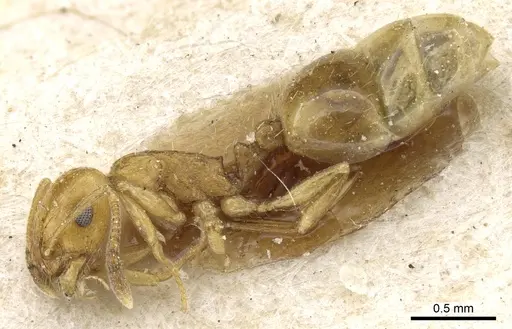
Temnothorax pamiricus is a high-elevation ant species from the Pamir mountains, first described from present-day Tajikistan. Workers have a light yellow to yellowish body, a smooth and shiny mesosoma with only a few rugulae, and very short but distinct propodeal spines . It's a large species for the genus, living at 2100-3700 m in the Himalayas, Karakoram, and surrounding regions of Pakistan, India, and Tajikistan . They inhabit meadows, edges of springs and glacial lakes, and rocky slopes in arid habitats, often associated with Tamarix, Salix, and Artemisia plants . The queen and male were described by Menozzi (1939) . Because of its cool mountain origin, this species needs a temperate setup - something different from most tropical ants. If you can provide stable, cool conditions, it can be a rewarding species to keep.
Quick Summary
- Difficulty: Medium
- Origin & Habitat: High-elevation meadows and rocky slopes near springs and glacial lakes in the Himalayas, Karakoram, and Pamir regions (2100-3700 m). Found in Pakistan, India, and Tajikistan, often among Tamarix, Salix, and Artemisia vegetation [1][2].
- Colony Type: Likely monogyne (single queen) based on typical Temnothorax colony structure, not directly confirmed for this species.
- Size & Growth:
- Queen: ~5-7 mm, inferred from being a 'large' species for the genus [1] (estimate).
- Worker: ~3-4 mm, estimated from typical Temnothorax worker size range.
- Colony: Up to several hundred workers, estimated from genus patterns.
- Growth: Moderate
- Development: 6-10 weeks based on typical Temnothorax development (Development likely depends on temperature. Cooler conditions may slow it down.)
- Antkeeping:
- Temperature: Keep cool, aim for 18-22°C. This high-elevation species likely prefers cooler conditions. Avoid sustained temperatures above 25°C.
- Humidity: Provide a moisture gradient: keep the nest substrate mostly dry with one damp area, mimicking the arid rocky habitat with nearby moisture sources (springs, glacial lakes).
- Diapause: Yes, likely required based on high-elevation origin. Provide 3-4 months at 5-10°C during winter.
- Nesting: Cavity nesters. Use test tubes for founding, then Y-tong (AAC), plaster, or naturalistic nests with small chambers. They need dark, confined spaces.
- Behavior: Peaceful and non-aggressive. Small size requires excellent escape prevention, use fine mesh and fluon barriers. Based on related species, they likely use tandem running for food recruitment. They are not known to sting.
- Common Issues: overheating (temperatures above 25°C can be lethal), most common mistake for this species, escape due to small size, use fine mesh and tight barriers, winter diapause required but exact timing unknown, observe colony activity to adjust, limited published husbandry data means you'll need to experiment and adjust conditions, wild-caught colonies may carry parasites or stress from high-elevation collection
Temperature and Cooling Requirements
Temnothorax pamiricus comes from high elevations (2100-3700 m) in the Himalayas and Pamir mountains [1], so it's adapted to cooler conditions than most ants. Keep the nest area at 18-22°C, room temperature often works well. Avoid heating the nest above 25°C for long periods, heat stress can quickly kill a colony. During summer, keep the setup away from direct sunlight and heat sources. If you use a heating cable, put it on one side only at low power to create a gradient. Watch your ants: if they gather away from warmer areas or seem sluggish, the temperature is likely too high. Their natural high-elevation habitat also suggests they can handle a mild chill, so an unheated room in spring and autumn is fine.
Housing and Nest Setup
These small cavity nesters do well in test tubes for founding and small colonies. As the colony grows, move them to a Y-tong (AAC), plaster, or naturalistic nest with narrow chambers that suit their small size, bigger spaces may stress them. They prefer darkness, so cover the nest or put it in indirect light. Provide a moisture gradient: one part of the nest slightly damp, the rest dry. This mimics their natural habitat of arid rocky slopes near water. In the outworld, use a shallow water dish (like a test tube stopper) to prevent drowning. Because workers are tiny (around 3-4 mm), they can slip through standard mesh, always use fine mesh, fluon, or tight-fitting lids to prevent escapes.
Feeding and Diet
Like most Temnothorax, T. pamiricus is likely a generalist feeder. Offer constant sugar water, honey, or diluted maple syrup as a sugar source. For protein, give small insects like fruit flies, pinhead crickets, or tiny mealworm pieces. In the wild they've been found on Tamarix, Salix, and Artemisia [1], so they may collect honeydew from aphids, you can try offering honeydew or a sugar syrup as extra enrichment. Feed small amounts every few days and remove uneaten protein after 24 hours to avoid mold. Watch how fast workers clear food to adjust portions.
Winter Care and Diapause
This high-elevation species almost certainly needs a winter rest (diapause). In the Himalayas and Pamirs, winters are long and cold. To simulate this, cool the colony to 5-10°C for 3-4 months (e.g., in a cool basement, garage, or dedicated ant fridge). Stop feeding during diapause, the queen stops laying and the colony becomes mostly inactive. Keep the nest substrate slightly damp, not bone-dry, to prevent desiccation. Start cooling in late autumn (around October in the northern hemisphere) and gradually warm them up in early spring. When you see workers become active again, it's time to resume feeding. The exact timing isn't documented, so watch your colony's behavior and adjust if needed.
Colony Founding
Temnothorax pamiricus likely uses claustral founding, after mating, the queen finds a small cavity (under a stone, in rotting wood, or a soil crack) and seals herself in. She uses her own fat reserves to raise the first brood alone. The first workers (nanitics) appear roughly 6-10 weeks later, depending on temperature. Once they arrive, the queen stops leaving the nest and the workers handle all foraging. During founding, keep the queen dark, quiet, and undisturbed, checking on her can cause her to eat the brood. Wait until you see workers in the outworld before assuming the colony has established.
Behavior and Temperament
Temnothorax pamiricus is peaceful and not aggressive, typical for the genus. Workers are active foragers and will explore their outworld regularly. Like related species, they probably use tandem running to lead nestmates to new food sources, so you may see one worker guiding another. Their small size (around 3-4 mm) means they can escape through tiny gaps, always use fine mesh, fluon barriers on smooth surfaces, and check for potential escape routes. They do not sting and are harmless to handle (though you should avoid unnecessary disturbance).
Frequently Asked Questions
What temperature do Temnothorax pamiricus ants need?
Keep them cool, 18-22°C is ideal. This high-elevation species (2100-3700m) prefers cool conditions, and temperatures above 25°C can be fatal. Room temperature often works well, avoid heat sources.
How long does it take for Temnothorax pamiricus to raise their first workers?
Unknown for this species, but based on typical Temnothorax development, estimated 6-10 weeks from egg to worker. Cooler temperatures will slow development.
Do Temnothorax pamiricus ants need hibernation?
Yes, a winter diapause of 3-4 months is likely required. This high-elevation species is adapted to cold winters. Provide cool conditions around 5-10°C during winter, then warm up in spring.
What do Temnothorax pamiricus ants eat?
They are generalists. Offer sugar water, honey, or maple syrup for carbs, and small insects like fruit flies or small mealworms for protein. Their wild plant associations (Tamarix, Salix, Artemisia) [1] suggest they may collect honeydew.
Are Temnothorax pamiricus good for beginners?
Moderate difficulty. The main challenges are providing cool temperatures (which may need a cool room or fridge) and excellent escape prevention due to their small size. Their peaceful nature makes them manageable once conditions are right.
How big do Temnothorax pamiricus colonies get?
Colony size is not documented, but based on typical Temnothorax patterns, they likely reach several hundred workers. They are described as a 'large' species for the genus [1], so expect moderate growth over time.
Can I keep multiple Temnothorax pamiricus queens together?
This species is likely monogyne (single queen) based on genus patterns. Combining unrelated queens is not recommended as they would likely fight. Only keep one queen per colony.
What type of nest is best for Temnothorax pamiricus?
Test tubes work well for founding colonies. As they grow, use Y-tong (AAC), plaster, or naturalistic nests with small chambers. They prefer dark, confined spaces with a moisture gradient. Scale chambers to their small worker size.
Do Temnothorax pamiricus ants sting?
No, they are not known to sting and are completely harmless to people. Their defense is to flee or use a smearing venom (typical of their tribe, Crematogastrini).
Where is Temnothorax pamiricus found in the wild?
High-elevation habitats (2100-3700 m) across the Himalayas, Karakoram, and Pamir regions. Documented in Pakistan, India, and Tajikistan, in meadows, near springs/glacial lakes, and on rocky slopes in arid areas, often on Tamarix, Salix, and Artemisia [1][2].
Why are my Temnothorax pamiricus dying?
Most likely causes: overheating (above 25°C), poor escape prevention (ants lost), or incorrect diapause conditions. Also check for mold from overwatering or spoiled food. High-elevation species are especially sensitive to heat, keep them cool.
When should I move my Temnothorax pamiricus to a formicarium?
Wait until the test tube becomes crowded or dries out quickly, this usually happens when the colony has a moderate number of workers. Only move when they clearly need space, they can stay in test tubes for a long time.
Report an Issue
The current care sheet is based fully on literature. See inconsistencies, or something that's incorrect? Please , it will be resolved after review from an admin. Contributing to the blogs tab also helps providing information, to make us be able to further improve the caresheets. Thank you for your support!
References

Dit verzorgingsblad is gelicentieerd onder CC BY-SA 4.0 .
Community-blogs
CASENT0904744
Bekijk op AntWeb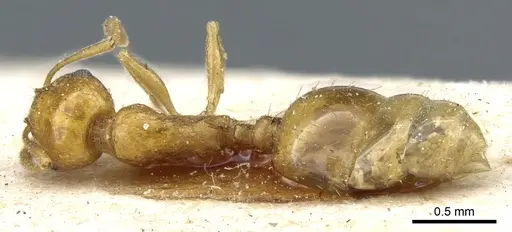
Literatuur
Verspreidingskaart laden...Producten laden...