
Temnothorax laciniatus
- Wetenschappelijke naam
- Temnothorax laciniatus
- Tribus
- Crematogastrini
- Subfamilie
- Myrmicinae
- Auteur
- Stitz, 1917
- Verspreiding
- Gevonden in 0 landen
Introductie
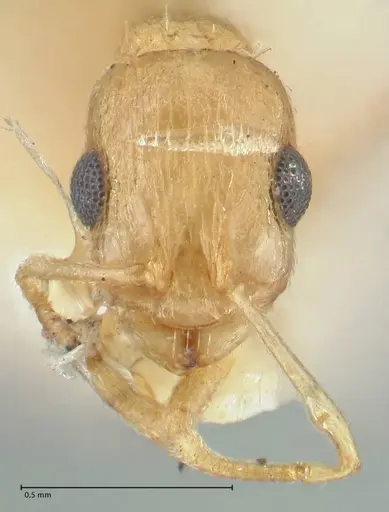
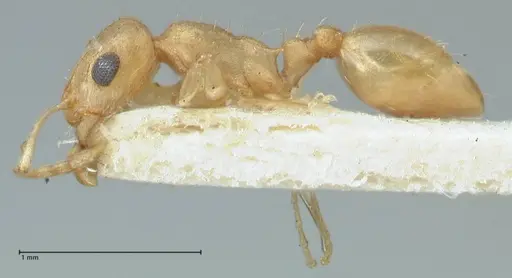
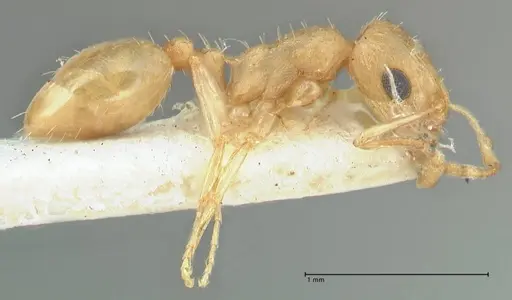
Temnothorax laciniatus is a tiny myrmicine ant native to Algeria in North Africa. Workers are small, estimated 2-4 mm based on the genus, with a pale coloration that gives them a distinctive light appearance - their brightness value of 75.3 places them among the paler ant species . Originally described as Leptothorax laciniatus by Stitz in 1917,it was later moved to Temnothorax . The type locality is Algeria, specifically recorded from the Amguid region in the central Sahara . What makes this species particularly interesting is its adaptation to nocturnal activity - the research shows it has enlarged eyes compared to darker, daytime‑active relatives, a common evolutionary pattern in desert‑dwelling ants .
Quick Summary
- Difficulty: Hard
- Origin & Habitat: Algeria in the Palaearctic region. This Saharan species inhabits hot, dry desert environments with extreme temperature variations between day and night. They nest in small cavities, typically under stones or in rotting wood fragments in arid ground [3][2].
- Colony Type: Likely single‑queen colonies (monogyne), which is typical for the genus Temnothorax. Colony size is estimated at up to a few hundred workers based on genus patterns (inferred).
- Size & Growth:
- Queen: Size data unavailable
- Worker: Estimated 2-4 mm based on Temnothorax genus (no body length data available)
- Colony: Up to a few hundred workers (inferred from genus)
- Growth: Moderate (inferred from genus)
- Development: Estimated 6-10 weeks at optimal temperature based on related Temnothorax species (Development time is inferred from genus‑level data as species‑specific timing has not been documented)
- Antkeeping:
- Temperature: No specific data, based on desert origin, maintain warm conditions around 24-28 °C with a gradient. Avoid prolonged temperatures below 18 °C [1][3].
- Humidity: Desert species, keep mostly dry, only provide a small localized moist area. Overwatering leads to mold and stress.
- Diapause: Unknown, origin suggests a possible mild winter rest, but not documented. If attempted, a 2-3 month period at 10-15 °C may be tried, but observe carefully.
- Nesting: Tight spaces, Y‑tong (AAC) or plaster nests with narrow chambers work well. Test tubes are fine for founding. Avoid large, open spaces.
- Behavior: Calm, non‑aggressive ants with minimal sting risk. They are nocturnal or crepuscular, so expect peak activity during evening and night hours [1]. Workers are small but active foragers. Escape prevention is critical due to their tiny size, use fine mesh or barrier fluids. They may hide when disturbed.
- Common Issues: escape prevention is the biggest challenge, they can squeeze through gaps smaller than 0.5 mm, limited species‑specific data means care is partly inferred from genus patterns, overhumidification easily causes mold because they are desert‑adapted, slow colony growth may discourage impatient keepers
Housing and Nest Setup
Temnothorax laciniatus requires a small, well‑secured enclosure due to their tiny size. A Y‑tong (AAC) nest with narrow chambers or a small plaster formicarium works best, these ants prefer tight spaces that mimic their natural nesting cavities under stones [2]. Test tube setups are also suitable for founding colonies. Regardless of nest type, you must use excellent escape prevention: standard mesh may allow these tiny ants through, so use fine mesh (≤0.5 mm) or apply fluon to barrier surfaces. The nest should have a water tube for humidity control, but keep overall humidity low since this is a desert species. A small outworld area for foraging completes the setup. Avoid acrylic nests.
Feeding and Diet
Like most Temnothorax species, these ants are omnivorous with a preference for protein. Offer small protein sources such as fruit flies, small crickets, mealworms, or other appropriately‑sized insects. They will also accept sugar sources like honey water or sugar water, though protein should form the majority of their diet. Feed founding colonies small amounts every 2-3 days, and established colonies every 3-5 days. Remove uneaten prey to prevent mold. Fresh water should always be available. Given their likely nocturnal activity pattern, place food in the outworld during evening hours for best acceptance [1].
Temperature and Seasonal Care
Maintain temperatures between 22-26 °C in the nest area, with a warm spot around 28 °C. A heating cable on one side of the nest creates a temperature gradient allowing ants to regulate their own temperature. This species originates from the Sahara desert in Algeria, so warmth is essential for colony health and brood development [3][1]. During winter, a brief hibernation period of 2-3 months at 10-15 °C may be attempted based on typical North African climate, but this is not confirmed for this species. If hibernation is not provided, reduce feeding and expect slower colony growth. Monitor colony activity levels, healthy colonies remain active when warm and slow down in cooler conditions.
Behavior and Activity Patterns
This species shows interesting nocturnal adaptations, the research documents enlarged eyes and pale coloration (brightness value 75.3), both traits associated with nighttime activity in desert ants [1]. Expect peak activity during evening and night hours rather than daytime. Workers are small but determined foragers who will search for food across the outworld. They are generally peaceful ants without aggressive defense behaviors (their defense mechanism is smearing venom, typical of the tribe Crematogastrini, they have a modified stinger that wipes venom onto enemies rather than piercing). When threatened, they may hide rather than attack. The small worker size means they can be easily overlooked, watch carefully during feeding to ensure all workers get access to prey.
Colony Development
Colony growth is expected to be moderate, typical for small Temnothorax species. A claustral founding queen will seal herself in a small chamber and raise the first brood alone, using stored fat reserves. First workers (nanitics) will be smaller than mature workers. Expect 6-10 weeks from egg to first worker based on genus‑level patterns, though this is not directly documented for T. laciniatus. Mature colonies may reach up to a few hundred workers. Growth rate depends heavily on temperature and feeding frequency, warmer conditions and regular protein feeding accelerate development. Be patient with founding colonies as they grow slowly at first. [2]
Frequently Asked Questions
How long does it take for Temnothorax laciniatus to produce first workers?
Expect 6-10 weeks from egg to first worker at optimal temperature (around 24-26 °C). This estimate is based on related Temnothorax species as species‑specific development timing has not been documented. Founding queens may take longer as they raise brood alone without worker assistance.
Can I keep Temnothorax laciniatus in a test tube?
Yes, test tubes work well for founding colonies. Use a small test tube with a water reservoir at one end, sealed with a cotton plug. Ensure the cotton is packed tightly, these tiny ants can escape through gaps that larger species cannot. Consider adding a secondary barrier like fluon around the cotton plug for extra security.
Do Temnothorax laciniatus ants sting?
They have a stinger, but it is very small and used primarily for smearing venom rather than piercing. Temnothorax species are generally docile and prefer to hide rather than defend. The sting is not a concern for humans. They may bite if severely provoked but this is uncommon in captive colonies.
What do Temnothorax laciniatus eat?
They are omnivorous with a protein focus. Offer small insects like fruit flies, pinhead crickets, or small mealworms. They will also accept sugar water or honey diluted with water. Feed founding colonies small prey items every 2-3 days, and established colonies every 3-5 days. Remove uneaten food promptly.
Are Temnothorax laciniatus good for beginners?
They are rated as hard difficulty. Their tiny size makes escape prevention challenging, and the lack of species‑specific care data means you need to rely on genus‑level information. They are docile and calm, but not recommended for beginners unless you have experience with small species.
Do Temnothorax laciniatus need hibernation?
A brief winter rest period is likely beneficial. Based on their North African origin, a 2-3 month period at 10-15 °C during winter months mimics natural conditions. However, this is inferred from climate patterns rather than documented for this specific species. Some keepers skip hibernation with no obvious ill effects, but it may impact long‑term colony health.
How big do Temnothorax laciniatus colonies get?
Mature colonies likely reach up to a few hundred workers based on typical Temnothorax sizes. This is an estimate as colony size has not been directly documented. They are not large colony formers, expect modest colony sizes even at maturity.
Why are my Temnothorax laciniatus escaping?
Their tiny size allows them to squeeze through standard mesh and small gaps. Use fine mesh (at least 0.5 mm or smaller), apply fluon to barrier surfaces, and ensure all lid seals are tight. Check for any gaps around water tube connections. Escape prevention is the most critical aspect of keeping this species.
When should I move my colony to a formicarium?
Wait until the colony reaches at least 20-30 workers before considering a move. Test tubes work well for smaller colonies. When moving, use gentle methods, connect the test tube to the formicarium and allow ants to move voluntarily rather than forcing them. Disturbing founding colonies can cause queen abandonment of brood.
What temperature range is best for Temnothorax laciniatus?
Keep nest temperatures between 22-26 °C with a warm spot around 28 °C. Provide a temperature gradient so ants can choose their preferred zone. This Saharan species thrives with warmth, cooler temperatures slow development and reduce activity. Avoid temperatures below 18 °C for extended periods.
Report an Issue
The current care sheet is based fully on literature. See inconsistencies, or something that's incorrect? Please , it will be resolved after review from an admin. Contributing to the blogs tab also helps providing information, to make us be able to further improve the caresheets. Thank you for your support!
References

Dit verzorgingsblad is gelicentieerd onder CC BY-SA 4.0 .
Community-blogs
FOCOL2025
Bekijk op AntWeb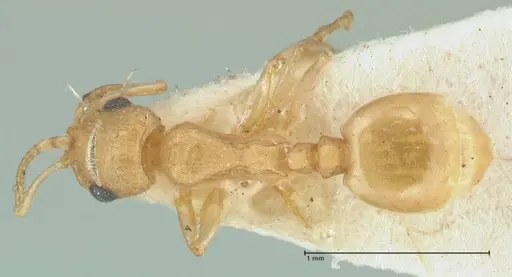
Literatuur
Verspreidingskaart laden...Producten laden...