
Temnothorax ansei
- Wetenschappelijke naam
- Temnothorax ansei
- Tribus
- Crematogastrini
- Subfamilie
- Myrmicinae
- Auteur
- Catarineu <i>et al.</i>, 2017
- Verspreiding
- Gevonden in 1 landen
Introductie
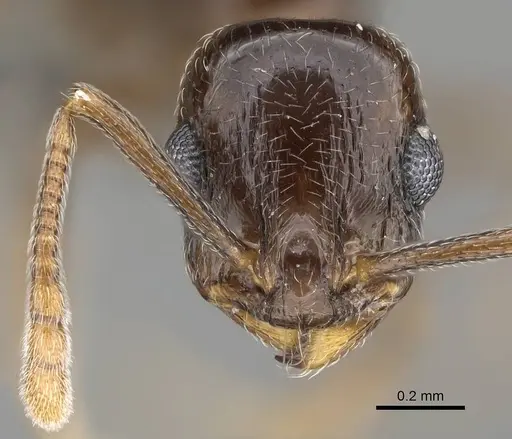
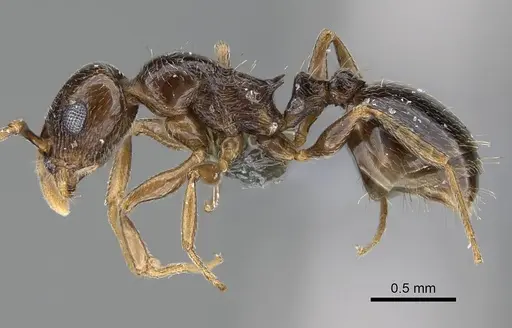
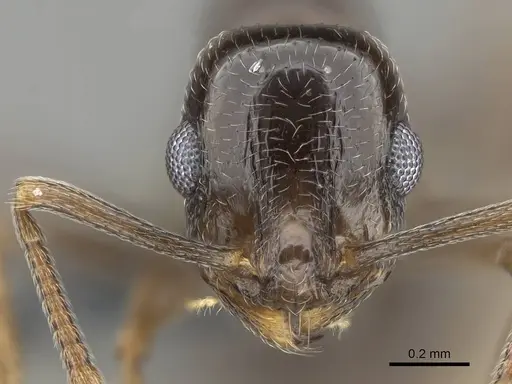
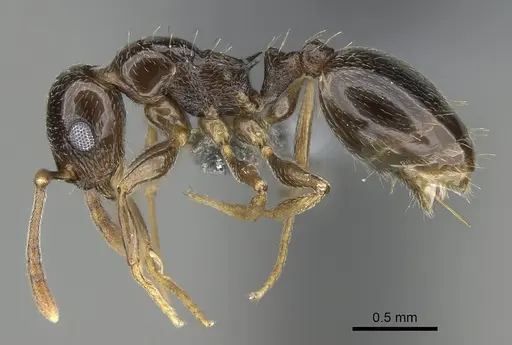
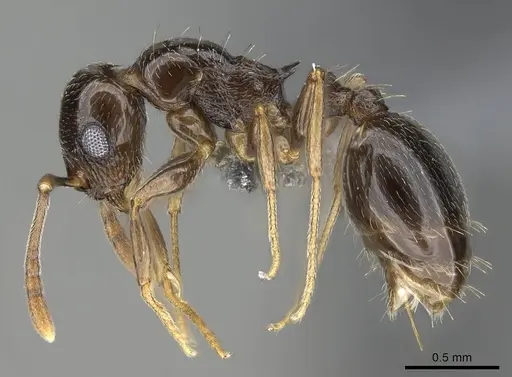
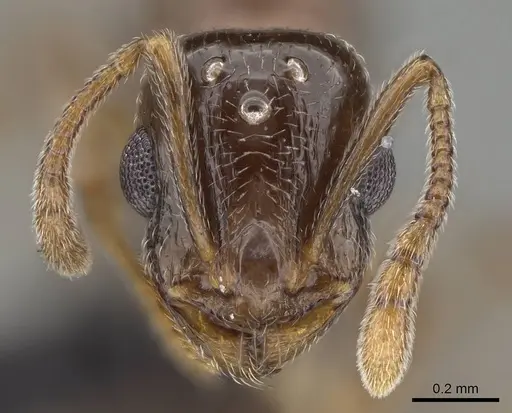
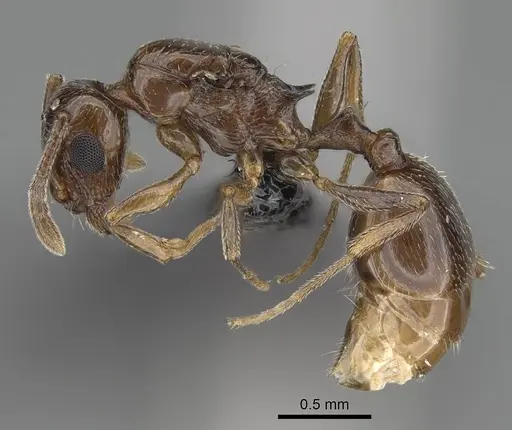
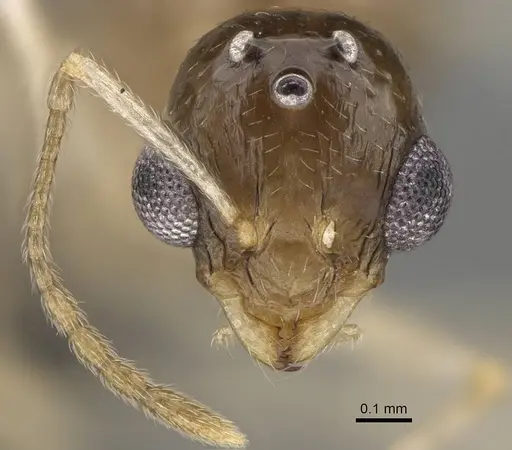
Temnothorax ansei is a tiny ant species endemic to the arid environments of southeastern Spain, known only from two locations: Pulpí in Almería and Lorca in Murcia . Workers measure about 0.5-0.6 mm total length and are dark brown with brownish-yellow legs and antennae, with notably large eyes and long erect hairs on the body . This species belongs to the laurae group, characterized by large eyes relative to head length . What makes T. ansei particularly interesting is its nocturnal foraging - workers start searching for food around 19:00 GMT in summer and never carry food more than a meter from the nest . Additionally, this species uses dependent colony foundation: new queens don't start colonies alone but stay in the nest and cooperate with existing queens, and some colonies have multiple wingless queens . Their primary defense is smearing venom rather than stinging (typical of the subfamily Myrmicinae, tribe Crematogastrini).
Quick Summary
- Difficulty: Medium
- Origin & Habitat: Endemic to southeastern Spain, specifically Pulpí (Almería) at 243 m elevation and Lorca (Murcia) at 464-591 m elevation. Inhabits semiarid habitats with sparse vegetation, the Pulpí site is dominated by *Stipa tenacissima* grassland, while Lorca has chamaephytes and small shrubs. Annual rainfall is very low at 272-313 mm [1][2].
- Colony Type: Partially polygynous, some wild colonies contain two wingless queens that cooperate. Queens are similar in size to workers and lose their wings within 1-4 weeks after emergence (often within the first three days), then remain in the nest working alongside other queens [1].
- Size & Growth:
- Queen: ~0.5-0.6 mm total length [1]
- Worker: ~0.5-0.6 mm total length [1]
- Colony: Up to 52 workers in wild colonies [1]
- Growth: Moderate
- Development: Estimated 6-10 weeks based on related *Temnothorax* species (Development not directly studied for this species. At optimal temperature (22-26 °C), expect roughly 6-10 weeks from egg to worker.)
- Antkeeping:
- Temperature: Keep 22-26 °C, mimicking their warm semiarid habitat. Room temperature works well, a slight heating gradient can be provided but avoid overheating [1].
- Humidity: Low to moderate, these are desert-adapted ants. Keep the nest substrate slightly moist but allow drying periods between waterings. Avoid overly damp conditions [1].
- Diapause: Likely minimal or none, from semiarid Spain with mild winters, they probably don't require true hibernation. A brief cool period (2-4 weeks at 10-15 °C) may be beneficial but is not mandatory [1].
- Nesting: Use a small test tube setup or Y‑tong (AAC) nest with narrow chambers scaled to their tiny size. In the wild they nest in soil with a single 1 mm entrance and chambers 15-20 cm deep, provide appropriate depth and a small entrance. Tight barriers are critical to prevent escape [1].
- Behavior: Nocturnal and relatively docile. Workers begin foraging at twilight around 19:00 GMT and carry food only short distances (up to one meter) [1]. They accept honey-water and small crickets in captivity. Despite their tiny size, they are not aggressive and pose no sting threat. Escape prevention is critical due to their
- Common Issues: tiny size means escapes are likely without fine mesh barriers, all gaps must be sealed., dependent colony foundation means single foundress colonies may struggle, consider keeping multiple cooperating queens., colonies are very small (max ~50 workers) so growth is slow and patience is needed., these minute ants are easily crushed during handling, use soft tools and gentle movements., wild-caught colonies may have low survival, two of five excavated nests died in lab conditions [1].
Housing and Nest Setup
Temnothorax ansei is a tiny ant requiring appropriately scaled housing. A small test tube setup works well for founding colonies, while established colonies can be moved to a Y‑tong (AAC) nest with narrow chambers. In the wild, they nest in soil with a single entrance hole about 1 mm in diameter, and the main chamber is 15-20 cm deep [1]. Provide a small, dark space that mimics these conditions. Because of their minute size, ensure all connections and barriers are tight, these ants can easily slip through gaps that would hold larger species. A small outworld area allows for feeding, but keep it modest since workers only carry food short distances in nature [1].
Feeding and Diet
In laboratory conditions, T. ansei readily accepts honey-water and small crickets [1]. Offer a drop of honey water or sugar water as a constant carbohydrate source. For protein, provide small live prey appropriate to their tiny size, fruit flies, pinhead crickets, or small mealworms work well. Given their small size and short foraging range, place food close to the nest entrance. They are not aggressive foragers, so ensure food is accessible. Remove uneaten prey after 24-48 hours to prevent mold.
Temperature and Seasonal Care
Being from the semiarid regions of southeastern Spain, T. ansei prefers warm conditions. Maintain temperatures between 22-26 °C for optimal colony activity and brood development [1]. Their natural habitat experiences hot, dry summers with mild winters, so they likely don't require a true hibernation period. A brief cool period (2-4 weeks at 10-15 °C) during winter may be beneficial but is not strictly necessary. Avoid temperatures below 10 °C for extended periods. The nocturnal activity pattern means they are most active in the evening and night, you may observe increased activity after dusk [1].
Colony Structure and Queen Care
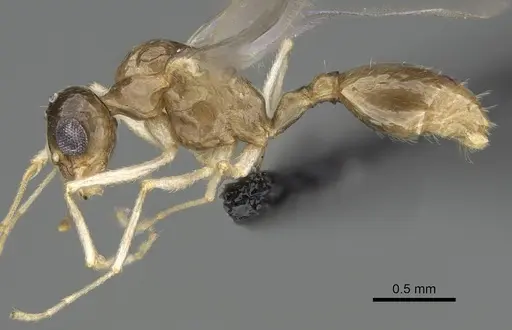
This species has a unique social structure. Queens are similar in size to workers (about 0.5-0.6 mm) and emerge from the colony as winged ants but lose their wings within 1-4 weeks, often within the first three days after emergence [1]. Unlike most ant species where new queens disperse for mating flights, T. ansei queens lose their wings inside the nest and remain there, cooperating with other queens. This indicates intranidal mating (mating occurs within the nest). Some wild colonies contain two wingless queens, and laboratory colonies have been maintained with up to seven queens cooperating [1]. When keeping this species, consider maintaining multiple queens together rather than isolating a single queen, as this matches their dependent colony foundation strategy.
Behavior and Observation
T. ansei is distinctly nocturnal, workers begin foraging around 19:00 GMT in summer months [1]. They are calm, non-aggressive ants that carry food only short distances (no more than one meter from the nest). This makes them relatively easy to observe once established, though their small size requires good lighting. Workers have notably large eyes relative to their head size, which is an adaptation for nocturnal vision [1]. The species does not possess a functional stinger (they use a smearing defense), so they pose no danger to keepers. Their colonies remain small (max ~50 workers), so they won't become overwhelming in captivity.
Frequently Asked Questions
How long does it take for Temnothorax ansei to produce first workers?
The exact development timeline has not been directly studied for this species. Based on related Temnothorax species, expect approximately 6-10 weeks from egg to first worker at optimal temperature (22-26 °C). Growth is relatively slow due to their small colony size and dependent colony foundation strategy.
Can I keep multiple queens together in one colony?
Yes, this is actually recommended. T. ansei is partially polygynous, wild colonies sometimes contain two wingless queens that cooperate, and laboratory colonies have been maintained with multiple queens (up to seven) working together [1]. Queens lose their wings inside the nest and remain to help the colony rather than dispersing.
Are Temnothorax ansei good for beginners?
This species is rated as medium difficulty. While they are docile and accept standard ant foods, their tiny size makes them challenging to house and handle. Escape prevention is critical, and their small colony size (max ~50 workers) means growth is slow. They are best suited for keepers who have some experience with very small ant species.
Do Temnothorax ansei need hibernation?
Probably not. Being from semiarid southeastern Spain with mild winters, they likely don't require a true hibernation period. A brief cool period (2-4 weeks at 10-15 °C) during winter may be beneficial but is not mandatory. Avoid prolonged cold exposure below 10 °C.
What do Temnothorax ansei eat?
They accept honey-water or sugar water as a carbohydrate source, and small insects like fruit flies, pinhead crickets, or small mealworms for protein [1]. Place food near the nest since they only forage short distances.
How big do Temnothorax ansei colonies get?
Wild colonies range from 2 to 52 workers [1]. This is a small colony size compared to many ant species, so don't expect massive colonies. The maximum is around 50 workers.
When are Temnothorax ansei most active?
They are distinctly nocturnal. Workers begin foraging around 19:00 GMT in summer months [1]. You may observe the most activity in the evening and night hours.
Do Temnothorax ansei ants sting?
No, Temnothorax ants do not have functional stingers. They are completely harmless to keepers and pose no danger.
Why are my Temnothorax ansei dying in captivity?
Common causes include: escape due to inadequate barriers (they are tiny), overly damp conditions (they prefer arid conditions), temperature extremes, or stress from handling. Wild-caught colonies may also struggle in captivity, two of five excavated nests died in laboratory conditions [1]. Ensure proper housing and avoid disturbing the colony unnecessarily.
When should I move Temnothorax ansei to a formicarium?
Wait until the colony has at least 10-15 workers and is actively using a test tube setup. For such a small species, a test tube can house them for quite some time. Only move to a formicarium if the colony outgrows the tube or you want to observe them in a naturalistic setup.
Report an Issue
The current care sheet is based fully on literature. See inconsistencies, or something that's incorrect? Please , it will be resolved after review from an admin. Contributing to the blogs tab also helps providing information, to make us be able to further improve the caresheets. Thank you for your support!
References

Dit verzorgingsblad is gelicentieerd onder CC BY-SA 4.0 .
Community-blogs
CASENT0763773
Bekijk op AntWeb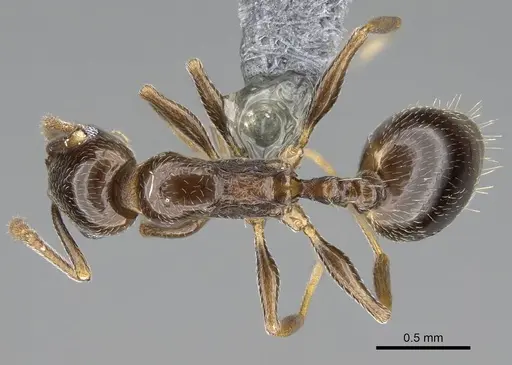
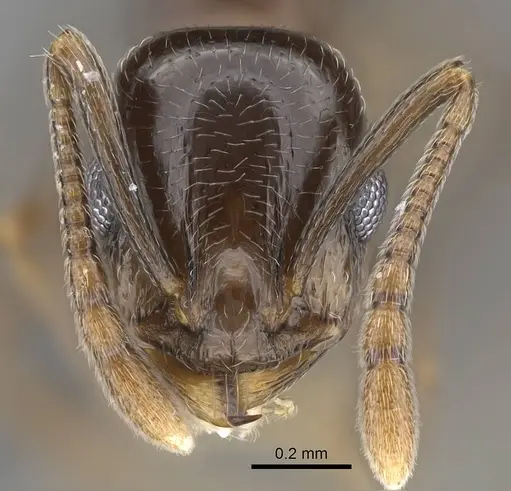
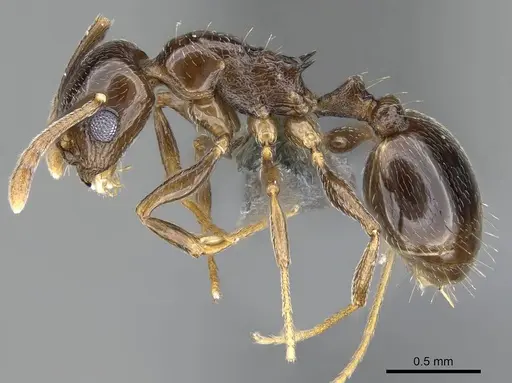
CASENT0763775
Bekijk op AntWeb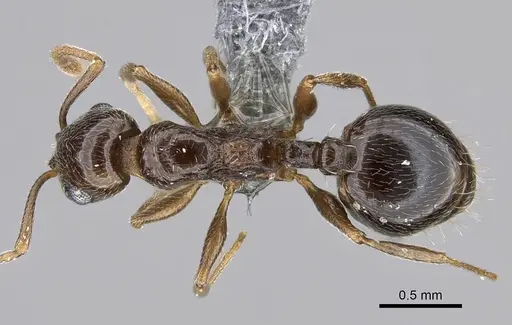
CASENT0919826
Bekijk op AntWeb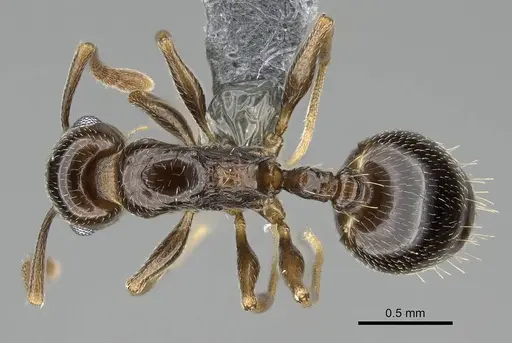
CASENT0919953
Bekijk op AntWeb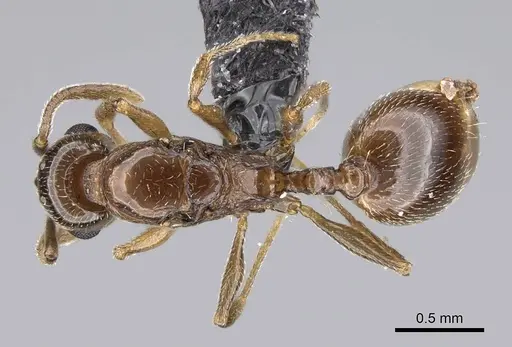
CASENT0919954
Bekijk op AntWeb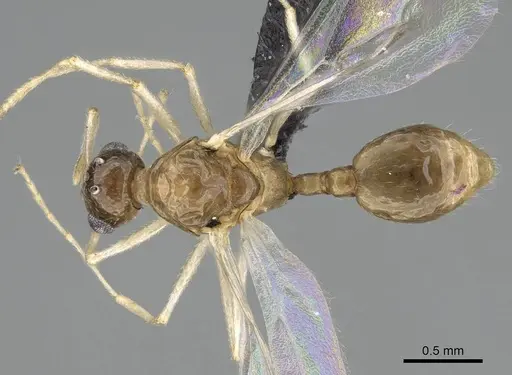
Literatuur
Verspreidingskaart laden...Producten laden...