
Strumigenys mormo
- Wetenschappelijke naam
- Strumigenys mormo
- Tribus
- Attini
- Subfamilie
- Myrmicinae
- Auteur
- Bolton, 2000
- Verspreiding
- Gevonden in 0 landen
Introductie
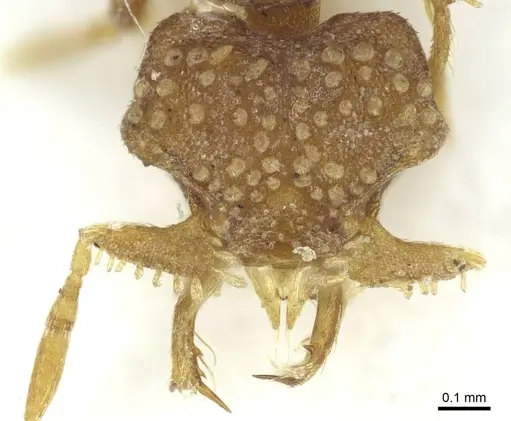
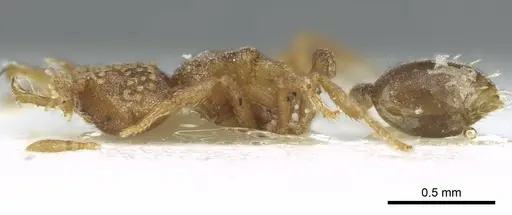
Strumigenys mormo is a small predatory ant species endemic to the Democratic Republic of Congo . Like all Strumigenys, they possess specialized trap-jaw mandibles designed for capturing small prey, particularly springtails (Collembola). Worker size is estimated to be around 2-4 mm based on related species, with characteristic elongated mandibles and pale to reddish-brown coloration. These ants are rarely kept in captivity due to their specialized diet and limited distribution in central Africa.
Quick Summary
- Difficulty: Expert
- Origin & Habitat: Endemic to the Democratic Republic of Congo, where it inhabits tropical forest environments [1]. Strumigenys species typically live in humid, shaded microhabitats such as leaf litter, rotting wood, and soil cavities.
- Colony Type: Colony structure is unconfirmed for this species. Most Strumigenys are monogyne (single-queen), but this has not been documented for Strumigenys mormo.
- Size & Growth:
- Queen: ~4-5 mm, inferred from Strumigenys genus (no species-specific measurements available).
- Worker: ~2-4 mm, inferred from Strumigenys genus (no species-specific measurements available).
- Colony: Unknown, colony size for this species has not been documented. Related Strumigenys typically have small colonies (under 200 workers), but this is speculative.
- Growth: Slow, inferred from related Strumigenys which grow slowly due to specialized prey requirements.
- Development: Unknown, specific development time has not been documented. Related Strumigenys may take 8-12 weeks at optimal temperature, but this is an estimate. (Development time is an estimate based on genus-level data, specific timing for Strumigenys mormo has not been studied.)
- Antkeeping:
- Temperature: Estimated 22-26°C based on typical Strumigenys needs. Avoid temperatures below 20°C or above 30°C. Stable, warm conditions are preferred.
- Humidity: Estimated 70-85% relative humidity based on typical Strumigenys requirements. Keep the nest substrate consistently moist but not waterlogged.
- Diapause: Unconfirmed, as a tropical species from central Africa, it likely does not require a true diapause, but this has not been documented.
- Nesting: In captivity, use test tubes, small plaster nests, or Y-tong (AAC) nests with tight, dark chambers. They prefer humid environments and often nest in the moistest area of the setup. Avoid acrylic nests.
- Behavior: Strumigenys are specialized predators that hunt almost exclusively on springtails and other tiny soil arthropods. They have a functional stinger (belonging to Myrmicinae, tribe Attini) but rarely use it defensively toward humans. Their trap-jaw mechanism is used for hunting, not defense. They are shy and will flee from disturbance. Escape prevention is critical due to their very small size, they can squeeze through standard mesh barriers.
- Common Issues: very small size makes escape prevention challenging, use fine mesh and tight-fitting lids., specialized diet requires live springtails or other micro-prey, they will not accept standard ant foods., slow growth can frustrate keepers expecting rapid colony development., high humidity requirements can lead to mold if ventilation is poor., wild-caught colonies may carry parasites that can devastate a captive colony.
Distribution and Habitat
Strumigenys mormo is endemic to the Democratic Republic of Congo, meaning it is found nowhere else in the world [1]. In its natural habitat, this species lives in humid tropical forests, typically in microhabitats such as leaf litter, under stones, in rotting wood, or within soil cavities. These environments provide the constant moisture and stable temperatures that Strumigenys require. The species was originally described by Bolton in 2000 and remains very poorly studied in the wild.
Trap-Jaw Hunting Mechanism
Like other Strumigenys, this species possesses highly specialized trap-jaw mandibles that can snap shut at extremely high speeds, allowing them to catch fast-moving springtails and other tiny arthropods. This mechanism is powered by specialized muscles and is used primarily for hunting, not defense. While these mandibles are a defining feature of the genus, specific hunting behavior for Strumigenys mormo has not been documented in detail.
Feeding Requirements
Strumigenys mormo likely requires a diet of live springtails (Collembola) or other tiny soil arthropods, this is typical for the genus. They are obligate predators on micro-prey and will not accept standard ant foods like sugar water, honey, or dead insects. You will need to culture a steady supply of live springtails or collect them from the wild. Some related species also accept booklice (psocids) or tiny fruit flies, but springtails should form the bulk of the diet. This specialized feeding makes them difficult to keep.
Housing and Nest Setup
Due to their tiny size and high humidity needs, Strumigenys do best in small test tubes, plaster nests, or Y-tong (AAC) nests, do not use acrylic nests, which are unsuitable. Keep chambers small and dark to help the ants feel secure. Use a hydration system that maintains consistent moisture without flooding. Provide a small outworld with leaf litter or debris for hunting. Minimal lighting is preferred.
Temperature and Humidity Control
Maintain temperatures around 22-26°C, avoid sudden fluctuations, drafts, and direct sunlight. Humidity is critical: aim for consistently moist substrate without waterlogging. Use a water reservoir or regular light misting, but ensure some ventilation to prevent mold. If the colony shows stress (wandering workers, avoiding the nest), check temperature and humidity first.
Frequently Asked Questions
How long does it take for Strumigenys mormo to produce first workers?
This has not been documented for this species. Based on related Strumigenys, development from egg to worker may take 8-12 weeks at optimal temperature (around 24°C), but this is an estimate. Growth is likely slow.
Are Strumigenys mormo good for beginners?
No. This species is expert-level due to its specialized diet (live springtails), high humidity needs, tiny size (escape risk), and slow growth. Beginners should start with more hardy species.
What do Strumigenys mormo eat?
They likely eat almost exclusively live springtails (Collembola) and other tiny soil arthropods. This is typical of the genus. They will not accept sugar water, honey, dead insects, or other common ant foods. You must culture or collect live springtails.
How big do Strumigenys mormo colonies get?
Colony size has not been documented for this species. Related Strumigenys typically form small colonies (under 200 workers), but this is speculative.
Can I keep Strumigenys mormo in a test tube?
Yes, test tubes work well for founding colonies and small groups. Ensure the cotton plug is tight to prevent escapes. Maintain humidity by connecting the test tube to a water reservoir. Eventually you will need a hunting area with live springtails.
Do Strumigenys mormo need hibernation?
Unconfirmed. As a tropical species from central Africa, they likely do not require a true diapause. However, some reduction in activity may occur during cooler months. Do not attempt hibernation without specific documentation.
Why are my Strumigenys mormo dying?
Common causes include: lack of live springtail prey (starvation despite other food), humidity extremes, temperature stress, escapes (very small ants), or parasites from wild-caught colonies. Review all husbandry parameters.
When should I move Strumigenys mormo to a formicarium?
Move them when the test tube becomes crowded or the water reservoir needs frequent refilling. For Strumigenys, this is typically when the colony reaches 20-30 workers. Use a small plaster or Y-tong nest with high humidity.
Can I keep multiple queens together?
Not recommended without specific information about this species. While some Strumigenys can found colonies with multiple queens (pleometrosis), this has not been documented for Strumigenys mormo and risks queen aggression.
Report an Issue
The current care sheet is based fully on literature. See inconsistencies, or something that's incorrect? Please , it will be resolved after review from an admin. Contributing to the blogs tab also helps providing information, to make us be able to further improve the caresheets. Thank you for your support!
References

Dit verzorgingsblad is gelicentieerd onder CC BY-SA 4.0 .
Community-blogs
CASENT0915950
Bekijk op AntWeb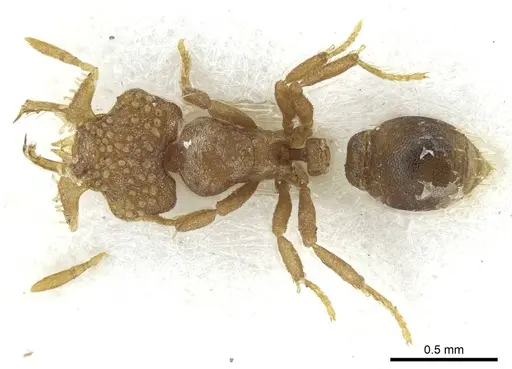
Literatuur
Verspreidingskaart laden...Producten laden...