
Strumigenys lura
- Wetenschappelijke naam
- Strumigenys lura
- Tribus
- Attini
- Subfamilie
- Myrmicinae
- Auteur
- Fisher, 2000
- Verspreiding
- Gevonden in 1 landen
Introductie
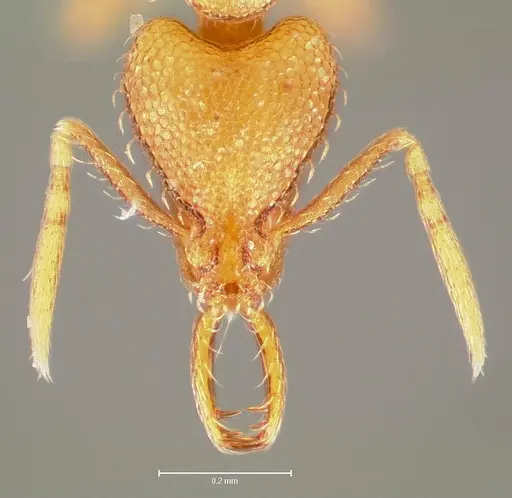
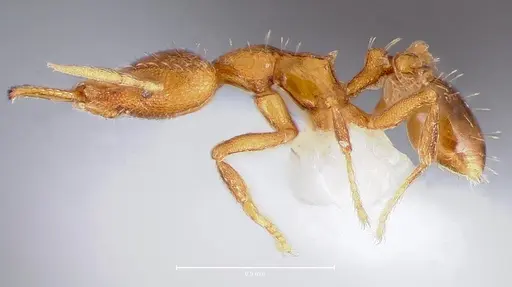
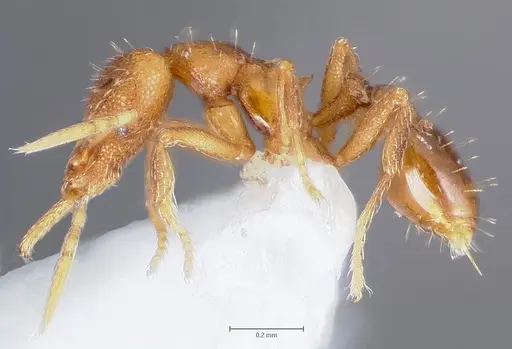
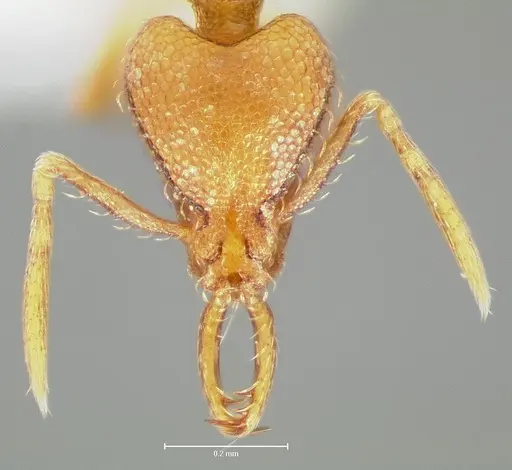
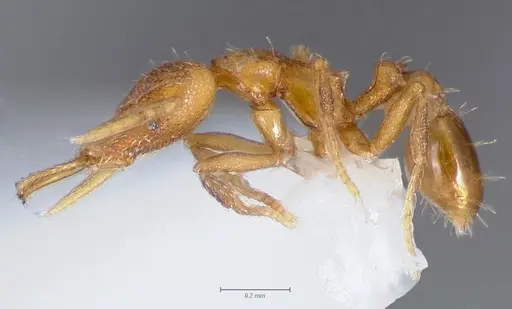
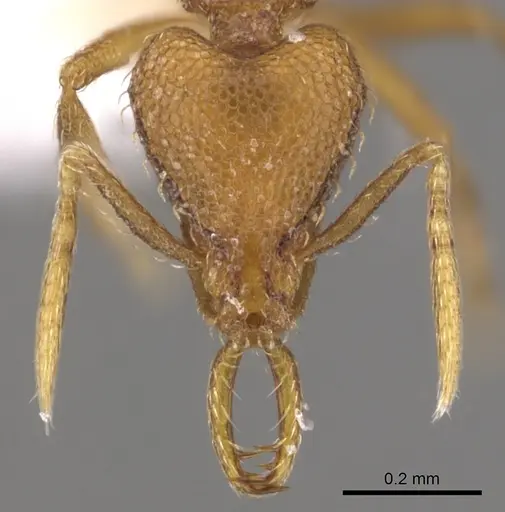
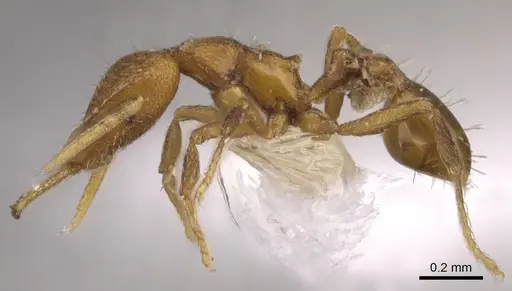
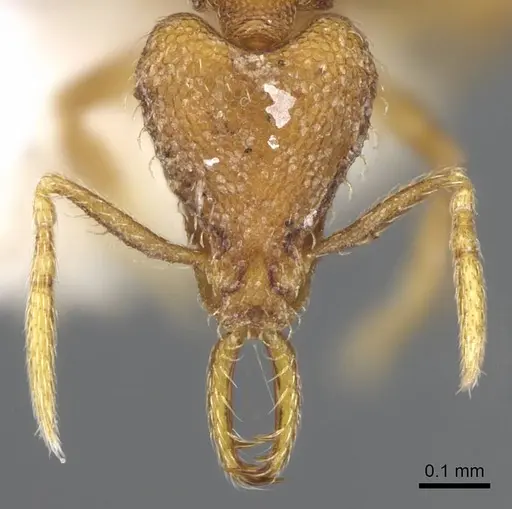
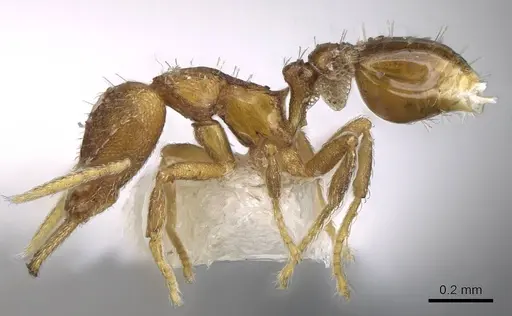
Strumigenys lura is a tiny ant from Madagascar, measuring 1.8-1.9 mm in total length . Workers are light brown, with short mandibles that are sharply narrowed at the base, typical of the trap-jaw genus . This species belongs to the Strumigenys scotti group and has been collected mainly in wet forest habitats, from leaf litter and occasionally from rotting wood . All known records come from eastern Madagascar, including a site at 425 m elevation in Andranobe . Strumigenys are known for their rapid mandible strikes used to catch tiny prey like springtails, though the specific strike speed for this species has not been measured.
Quick Summary
- Difficulty: Expert
- Origin & Habitat: Madagascar, in wet rainforest leaf litter and rotting wood [1]. Collected at 425 m elevation in Andranobe [1]. The habitat is humid and terricolous [2].
- Colony Type: Colony structure is unconfirmed for this species. Based on typical Strumigenys patterns, colonies are likely monogyne (single queen) and small.
- Size & Growth:
- Queen: Not measured in published material [1]. Size data unavailable.
- Worker: 1.8-1.9 mm total length [1].
- Colony: Likely under 100 workers based on genus patterns. Exact maximum unknown.
- Growth: Slow
- Development: Estimated 8-12 weeks based on related dacetine ants. Exact timing unconfirmed. (Development is slow, typical for small predatory ants.)
- Antkeeping:
- Temperature: Keep at 20-24°C [1]. As a wet forest species, avoid sustained temperatures above 26°C. If using a heating cable, provide a gradient so ants can choose cooler areas.
- Humidity: High humidity is essential, these ants live in damp leaf litter. Keep the nest substrate consistently moist but not waterlogged. Provide a gradient from wet to slightly drier in the outworld.
- Diapause: Unknown. Since this species occurs in Madagascar's tropical wet forests, it likely does not require a true winter diapause. You may see reduced activity during cooler months, but maintain normal care year-round.
- Nesting: Naturalistic setups with moist substrate work best. Use Y-tong, plaster, or soil nests with tight chambers. Avoid acrylic nests, they don't hold humidity well. Ensure excellent sealing to prevent escapes through tiny gaps.
- Behavior: Very shy and non-aggressive. Workers stay hidden in the substrate and hunt micro-prey. They are slow-moving and not defensive toward humans. Escape prevention is critical due to their tiny size (1.8 mm), they can squeeze through gaps that seem impossible. They are purely predatory and require live micro-prey.
- Common Issues: escape prevention is critical, they can squeeze through standard test tube cotton or mesh finer than 0.5 mm, colonies often fail because keepers cannot provide enough live springtails, high humidity makes them prone to mold if ventilation is poor, slow growth leads to impatience and overfeeding, which pollutes the nest, wild-caught colonies may carry parasites or mites that can kill the colony
Housing and Setup
Strumigenys lura requires a setup that mimics its natural leaf litter habitat. A test tube with a water reservoir works well for a founding colony, but you must add extra escape prevention, these ants can squeeze through standard cotton barriers. Use fine mesh (0.3 mm or smaller) on any ventilation. For larger colonies, a Y-tong or plaster nest with small chambers and high humidity is ideal. Avoid acrylic nests, they do not hold humidity well. The nest area should be kept consistently moist via a water reservoir or damp substrate. Keep the setup in a quiet, dark location to reduce disturbance [1].
Feeding and Diet
This species is purely predatory and requires live micro-prey. Springtails (Collembola) are the ideal food, they are the natural prey of Strumigenys in the wild and can be cultured easily. Other tiny live prey like booklice (Psocoptera), mold mites, or fruit fly larvae may also be accepted [1]. Do not offer sugar or honey, these ants ignore them. Feed small prey items every 2–3 days, adjusting based on consumption. Remove uneaten prey after 24 hours to prevent mold. A constant supply of springtails in a culture nearby allows you to add fresh prey as needed.
Temperature and Seasonal Care
Keep Strumigenys lura at 20–24°C, which mimics its native wet forest habitat. Avoid temperatures above 26°C, as this can stress the colony [1]. Room temperature is often suitable. A small heating cable on one side of the nest can create a gentle gradient, but ensure the ants can move to cooler areas. Regarding winter care, diapause requirements are unknown for this species. As a tropical species, it likely does not require true hibernation. You may observe reduced activity during cooler months, but maintain normal care unless the colony clearly enters dormancy.
Colony Founding
Founding behavior has not been directly documented for this species. Based on typical Strumigenys patterns, the queen likely seals herself in a small chamber and raises the first workers on stored reserves (claustral founding). These first workers (nanitics) will be very small. The colony grows slowly, it may take several months to reach even 10 workers. Be patient and avoid disturbing the founding chamber. If you acquire a founding queen, keep her in a small test tube with high humidity. Do not offer food until the first workers emerge, then begin offering tiny live prey [1].
Behavior and Temperament
Strumigenys lura is a shy, non-aggressive species. Workers spend most of their time hunting in the substrate rather than foraging openly. They are not defensive and will not attack threats, their best defense is staying hidden [1]. The most notable behavior is their rapid mandible strike, which they use to snap shut on prey. You may observe this if you watch closely as workers encounter springtails. They are not escape artists in the traditional sense, but their tiny size means they will find any gap no matter how small. Excellent escape prevention is mandatory. They are slow-moving and prefer dark, humid environments.
Frequently Asked Questions
How long does it take for Strumigenys lura to produce first workers?
The exact timeline is unconfirmed, but based on related dacetine ants, expect 8–12 weeks from egg to first worker at optimal temperature (around 22°C). Colony growth is slow, be patient with founding colonies.
Can I keep Strumigenys lura in a test tube?
Yes, a test tube setup can work, but you must add excellent escape prevention. These ants are extremely small and can squeeze through standard cotton barriers. Use fine mesh or fluon on all openings. Keep the water reservoir small to prevent flooding the colony [1].
What do Strumigenys lura ants eat?
They eat only live micro-prey. Springtails are the ideal food, culture your own supply. Other tiny live prey like mold mites, booklice, and fruit fly larvae may be accepted. They are not interested in sugar or honey [1].
Are Strumigenys lura ants good for beginners?
No, this is an expert-level species. Their tiny size, specific live-prey diet, high humidity needs, and escape risk make them challenging. They are not recommended for beginners.
How big do Strumigenys lura colonies get?
Based on typical Strumigenys colony sizes, expect colonies of under 100 workers. They are naturally small colonies. Growth is slow, so full size may take over a year.
Do Strumigenys lura ants need hibernation?
Diapause requirements are unconfirmed. As a Madagascar wet forest species, they likely do not require true hibernation. You may observe reduced activity in cooler months, but maintain normal care.
Why are my Strumigenys lura dying?
Common causes include: not enough live springtails (starvation), escape through tiny gaps, mold from overwatering or poor ventilation, temperature stress from being too warm, or disturbance to founding chambers. Check each of these factors.
When should I move Strumigenys lura to a formicarium?
Move to a larger setup only when the colony reaches 20–30 workers and the test tube becomes crowded. They prefer naturalistic setups with moist substrate. Do not upgrade too early, small colonies do better in simple setups.
Can I keep multiple Strumigenys lura queens together?
Combining unrelated queens has not been documented for this species. Based on typical Strumigenys behavior, this is not recommended. Queens will likely fight. Start with a single queen colony.
Report an Issue
The current care sheet is based fully on literature. See inconsistencies, or something that's incorrect? Please , it will be resolved after review from an admin. Contributing to the blogs tab also helps providing information, to make us be able to further improve the caresheets. Thank you for your support!
References

Dit verzorgingsblad is gelicentieerd onder CC BY-SA 4.0 .
Community-blogs
CASENT0005589
Bekijk op AntWeb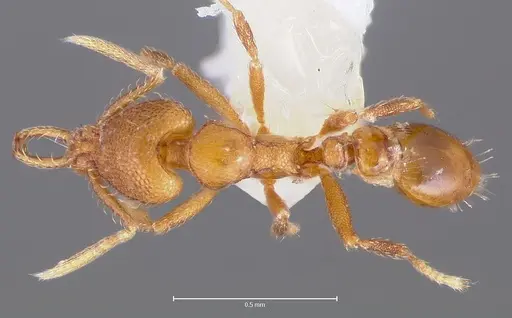
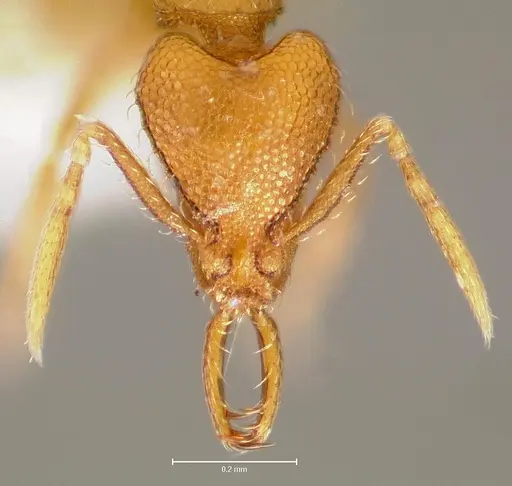
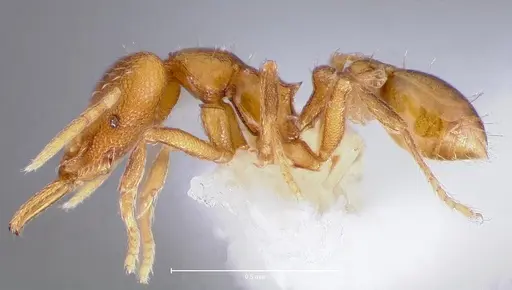
CASENT0005590
Bekijk op AntWeb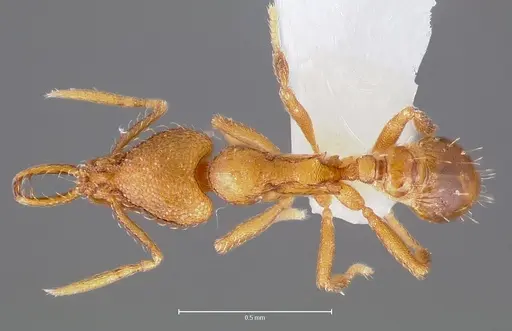
CASENT0005591
Bekijk op AntWeb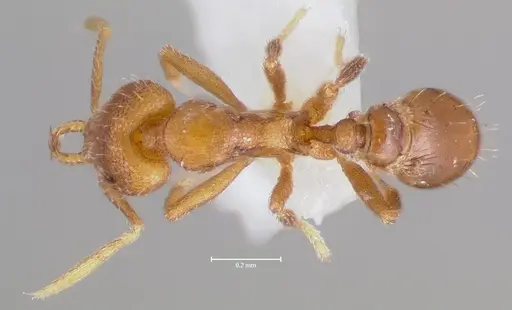
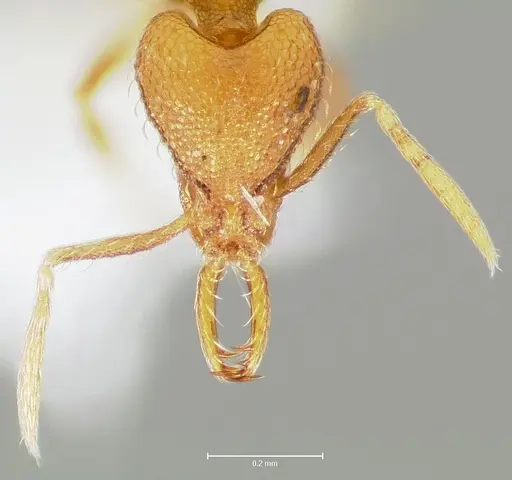
CASENT0005592
Bekijk op AntWeb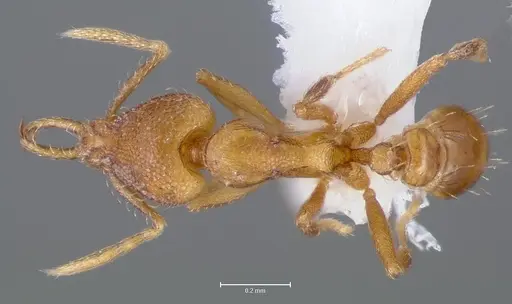
CASENT0900729
Bekijk op AntWeb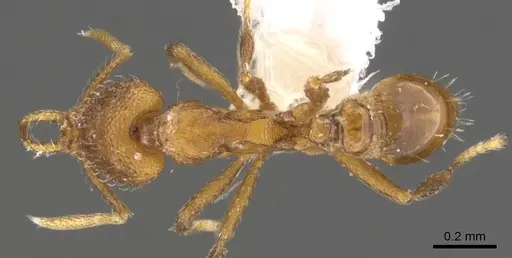
CASENT0914767
Bekijk op AntWeb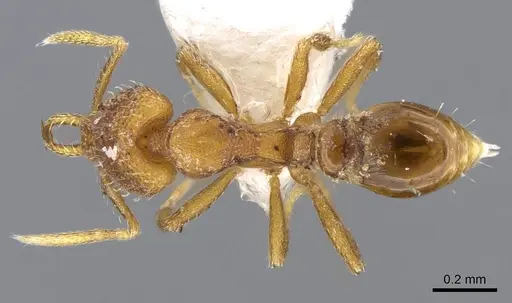
Literatuur
Verspreidingskaart laden...Producten laden...