
Strumigenys fronto
- Wetenschappelijke naam
- Strumigenys fronto
- Tribus
- Attini
- Subfamilie
- Myrmicinae
- Auteur
- Fisher, 2000
- Verspreiding
- Gevonden in 1 landen
Introductie
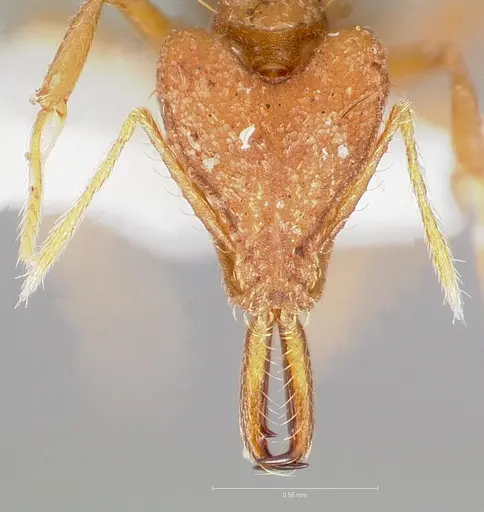
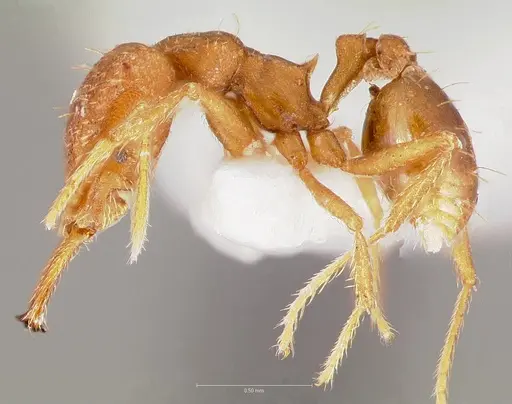
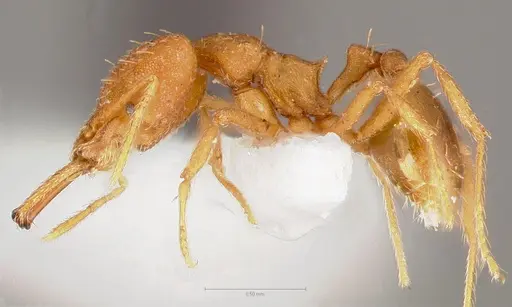
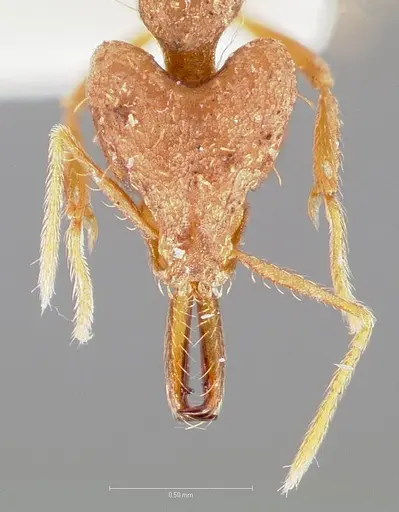
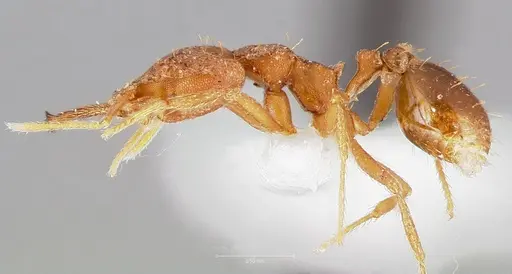
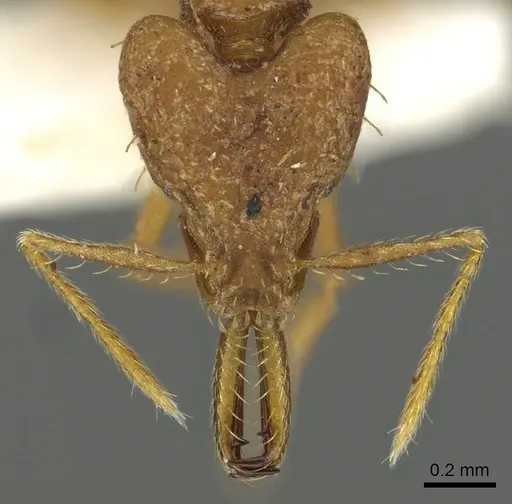
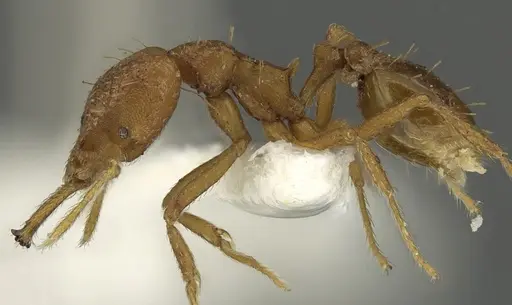
Strumigenys fronto is a tiny predatory ant from Madagascar, measuring 3.3-3.7 mm in total length . Workers are medium brown, with long stiff hairs on the pronotal humerus and each mandible bearing just one preapical tooth - a key feature within the carisa-complex of the Strumigenys arnoldi group . This species belongs to the tribe Attini, which includes both fungus‑growing and predatory genera; Strumigenys are specialized hunters, not fungus cultivators. These ants inhabit dry‑forest litter and soil nests in Madagascar . Like other Strumigenys, they have a functional sting (though tiny and not medically significant) and are adapted to hunt micro‑arthropods. Their small size, specialized diet, and cryptic lifestyle make them challenging to keep.
Quick Summary
- Difficulty: Hard
- Origin & Habitat: Madagascar, dry deciduous forest, found in leaf litter and soil nests [1][2].
- Colony Type: Unconfirmed. Most Strumigenys are thought to be monogyne (single‑queen), but no specific data exists for S. fronto.
- Size & Growth:
- Antkeeping:
- Temperature: No precise data. Since it comes from tropical Madagascar, maintain a warm range (approx. 24-28 °C) with a temperature gradient. Inferred from habitat.
- Humidity: The species occurs in dry‑forest litter, so avoid constant high moisture. Provide a gradient with a slightly moist area and a drier area, the nest substrate should not be waterlogged. Inferred from collection notes.
- Diapause: No, tropical origin, active year‑round. Inferred from range.
- Nesting: Prefers fine substrate (soil, leaf litter). A naturalistic setup with a shallow container of moistened, fine soil/peat mix works. Test tubes can be used for founding. Inferred from nest records [1].
- Behavior: These ants are specialized predators with mandibles adapted for capturing small prey. They have a functional sting (not dangerous to humans) and are generally non‑aggressive, preferring to flee. Their tiny size (≈3.5 mm) means excellent escape prevention is essential, use fine mesh (
- Common Issues: escape risk due to small body size, use fine mesh and seal all gaps tightly., specialized diet, they need live micro‑prey (springtails, tiny isopods), which can be hard to source consistently., slow or uncertain growth, colony development may be very slow, testing keeper patience., humidity balance, too dry causes desiccation, too wet promotes mold, aim for a gradient as in their natural dry forest., founding unknown, no reliable data on queen founding type, the queen may be vulnerable.
Housing and Nest Setup
For founding, a test tube with a small water reservoir and a cotton plug works, but ensure no gaps larger than 0.5 mm, these ants can squeeze through tiny openings. For established colonies, use a shallow container filled with fine, moist substrate (e.g., a mix of soil and peat) to mimic their natural leaf‑litter environment [1]. The foraging area should be scaled to their size, with a fine mesh cover (0.3 mm or finer). Provide a temperature gradient via a small heat mat placed on one side. Always secure all tubing connections and lid seals.
Feeding and Diet
Strumigenys fronto is an obligate predator of small arthropods. Their primary food is live springtails (Collembola), which are naturally abundant in their native leaf litter [2]. Other suitable prey includes tiny isopods, booklice, and fruit flies. Offer prey every 2-3 days. They will not accept sugar water or most standard ant feeds. Ensure prey is small enough for workers to overpower, anything larger than themselves is ignored.
Temperature and Humidity
Direct measurements are absent, but as a tropical dry‑forest species, keep the nest warm (approx. 24-28 °C). A small heating mat on one side of the setup creates a gradient. Humidity should be moderate to low, with a moisture gradient: keep one area of the substrate slightly damp and the rest dry. This mimics the dry‑forest floor where patches of moisture occur in litter and soil [1]. Avoid constant high humidity or standing water.
Colony Founding
No founding behavior has been documented for this species. Based on other Strumigenys, the queen may seal herself in a small chamber and raise the first brood without foraging (claustral), but this is speculation. Keep the founding setup dark and undisturbed. Expect the first workers to appear several weeks to months after the queen is housed, but actual timing is unknown. Minimize all disturbances during this period.
Behavior and Temperament
Workers hunt solitarily and move slowly among the substrate. Their mandibles can snap rapidly when catching prey, but they are not aggressive toward humans. They possess a functional sting, though it is tiny and not considered medically significant. The main challenge is their small size, they can escape through gaps as small as 0.5 mm. Colonies are expected to stay small, but true colony size is unknown. They are best suited for experienced keepers willing to provide specialized micro‑prey.
Frequently Asked Questions
How long does it take for Strumigenys fronto to produce first workers?
No specific data exists. Based on other Strumigenys, it may take several weeks to months at warm temperatures, but this is entirely speculative.
What do Strumigenys fronto ants eat?
They are obligate predators of live small arthropods, primarily springtails, tiny isopods, and fruit flies. They do not accept sugar or standard ant feeds.
Can I keep Strumigenys fronto in a test tube?
Yes, test tubes are suitable for founding and small colonies. Ensure the opening is sealed with fine mesh or cotton that they cannot squeeze through. After the colony outgrows the tube, move them to a shallow container with moist soil substrate.
Are Strumigenys fronto good for beginners?
No. Their specialized diet (live micro‑prey), unknown founding requirements, and tiny size make them challenging. They are best attempted by experienced keepers with access to a steady supply of springtails.
How big do Strumigenys fronto colonies get?
Unknown. No colony size data exists for this species. Based on similar Strumigenys, colonies are likely small (few dozen to perhaps a few hundred workers), but this is speculation.
Do Strumigenys fronto need hibernation?
No. They come from tropical Madagascar and should be kept warm year‑round without a cooling period.
Why are my Strumigenys fronto dying?
Common causes likely include: lack of suitable live prey (starvation), incorrect humidity (too dry or too wet leading to mold), escapes, or excessive disturbance. Ensure a steady supply of springtails and maintain a moisture gradient.
When should I move my colony to a formicarium?
Move to a naturalistic substrate setup once the colony has 20-30 workers (or earlier if the test tube becomes cramped). Use a shallow container with fine, moist soil mix.
Can I keep multiple Strumigenys fronto queens together?
Not recommended. No data exists on polygyny, most Strumigenys are monogyne. Keeping multiple queens would likely result in aggression or one queen being killed.
Report an Issue
The current care sheet is based fully on literature. See inconsistencies, or something that's incorrect? Please , it will be resolved after review from an admin. Contributing to the blogs tab also helps providing information, to make us be able to further improve the caresheets. Thank you for your support!
References

Dit verzorgingsblad is gelicentieerd onder CC BY-SA 4.0 .
Community-blogs
CASENT0005538
Bekijk op AntWeb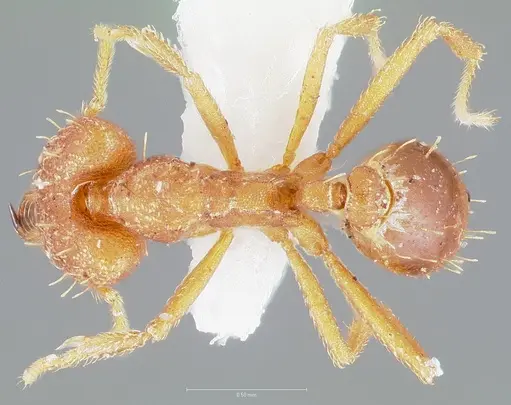
CASENT0005539
Bekijk op AntWeb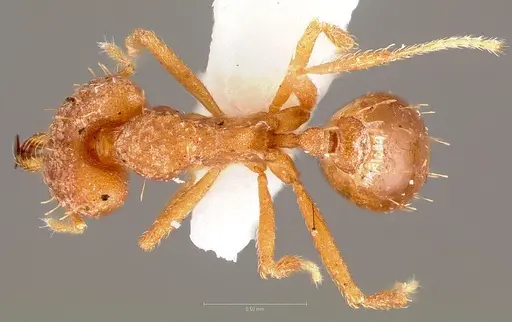
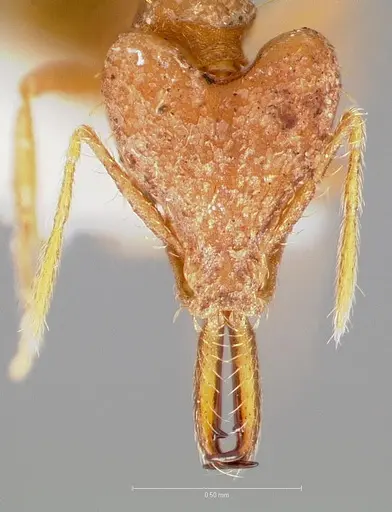
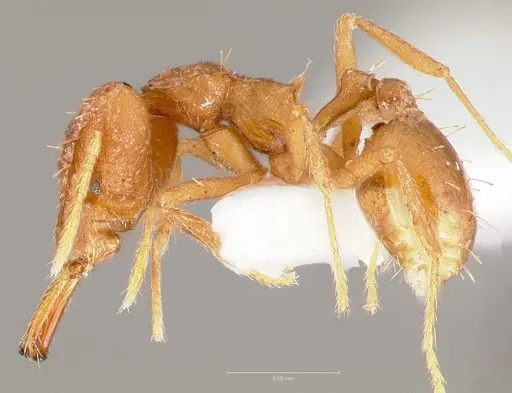
CASENT0005540
Bekijk op AntWeb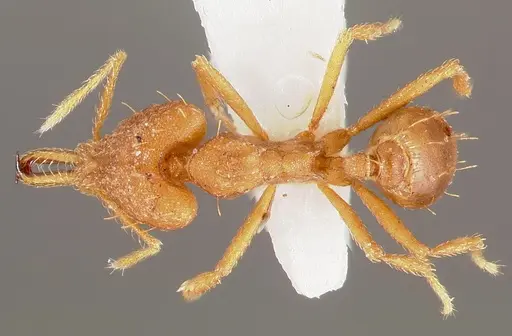
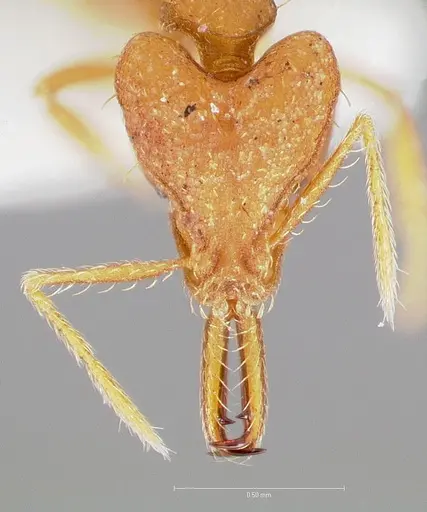
CASENT0005541
Bekijk op AntWeb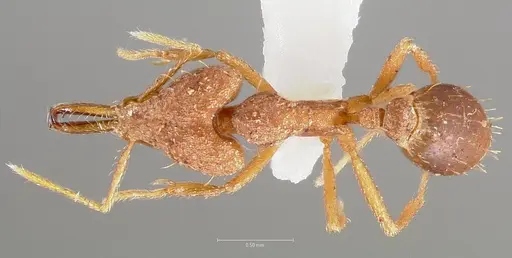
CASENT0900704
Bekijk op AntWeb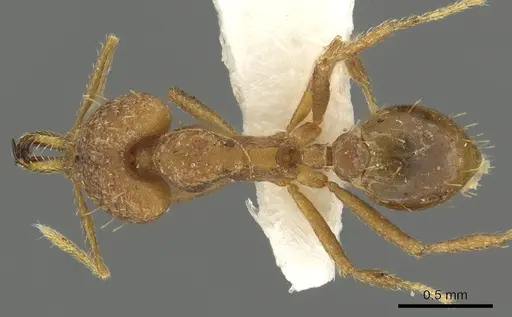
Literatuur
Verspreidingskaart laden...Producten laden...