
Stictoponera sinhala
- Wetenschappelijke naam
- Stictoponera sinhala
- Tribus
- Ectatommini
- Subfamilie
- Ectatomminae
- Auteur
- Lattke, 2016
- Verspreiding
- Gevonden in 0 landen
Introductie
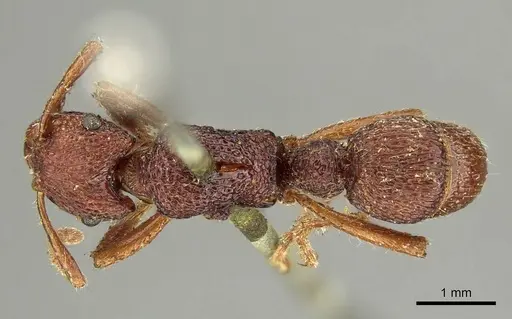
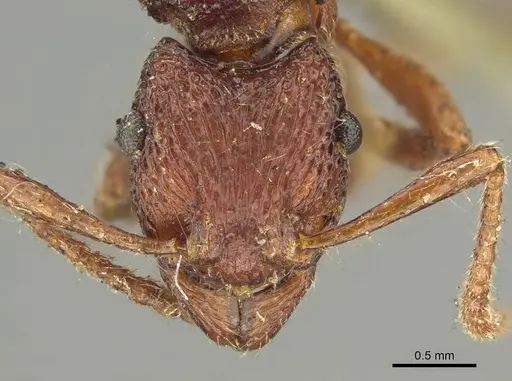
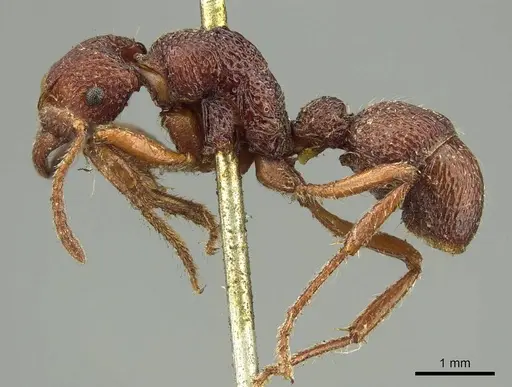
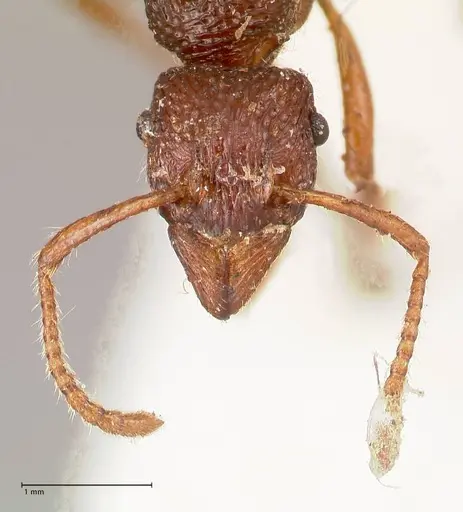
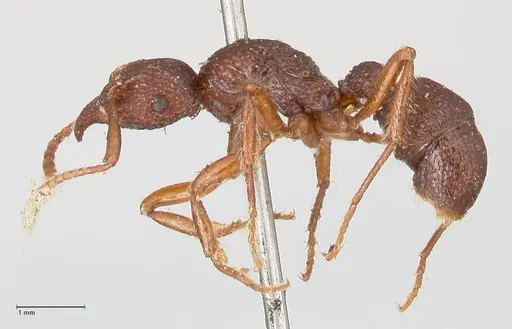
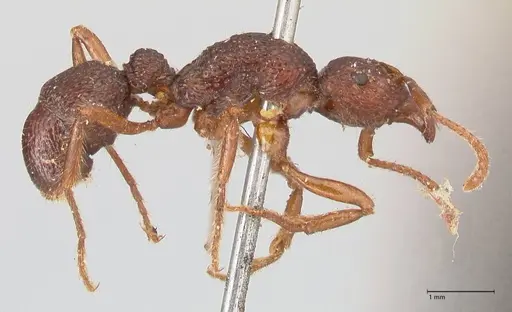
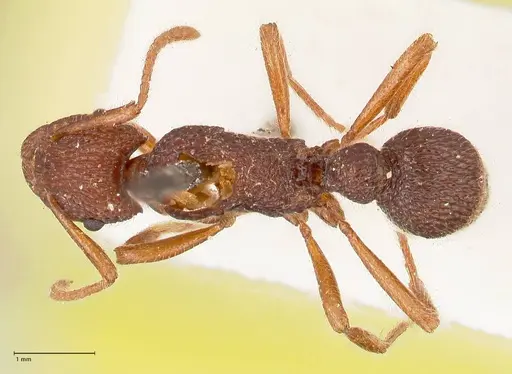
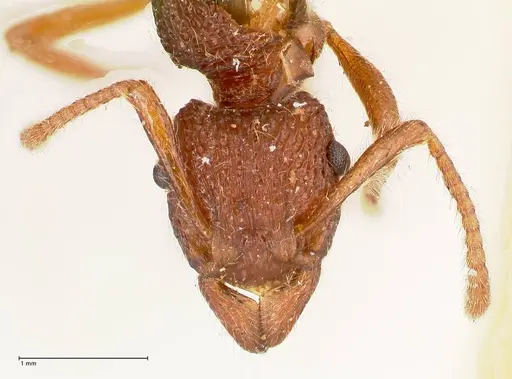
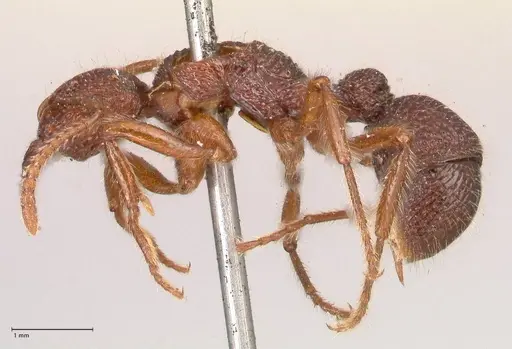
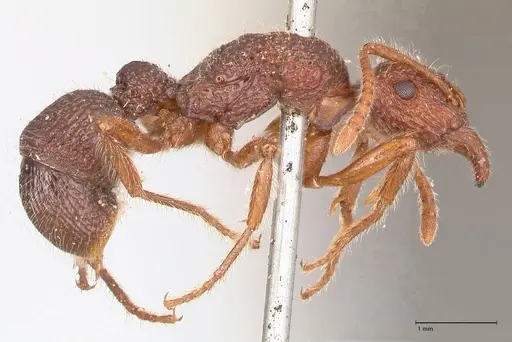
Stictoponera sinhala is a small ant endemic to Sri Lanka, formerly known as Gnamptogenys sinhala or misidentified as Gnamptogenys coxalis . The species is distinguished by a broad triangular clypeal lobe, poorly developed occipital lobes, and an unarmed propodeum with transverse strigae . This ant represents one of the most poorly studied species in the Ectatomminae subfamily, with absolutely no documented biological or ecological information available - even basic details like colony size, diet preferences, and nesting habits remain completely unknown . The species was formally described in 2016 to replace the misidentified name coxalis, honoring the Sinhalese people of Sri Lanka .
Quick Summary
- Difficulty: Expert
- Origin & Habitat: Sri Lanka (endemic to the island), exact habitat preferences are completely unknown [2].
- Colony Type: Unknown, colony structure has not been documented. Based on related Ectatomminae species, likely single-queen colonies but this is unconfirmed.
- Size & Growth:
- Queen: Undescribed, queen caste has not been documented in scientific literature
- Worker: Size data unavailable, total body length not documented, only head and mesosoma measurements have been recorded in the literature [1].
- Colony: Unknown, no colony data exists
- Growth: Unknown, no development data exists
- Development: Unknown, no development studies have been conducted (This is one of the least studied ant species in captivity. No timeline data exists for any life stage.)
- Antkeeping:
- Temperature: Likely 22-26°C based on Sri Lanka's tropical climate, no direct studies exist. Start in this range and monitor colony activity.
- Humidity: Likely requires moderate to high humidity (60-80%) typical of tropical forest ants in Sri Lanka, no direct studies exist.
- Diapause: Unknown, likely no diapause given Sri Lanka's tropical climate, but this is unconfirmed
- Nesting: Unknown, no natural nesting observations exist. Based on related Ectatomminae, likely nests in soil, under stones, or in rotting wood. Use a naturalistic setup with moist substrate.
- Behavior: Completely unstudied in captivity. Based on subfamily Ectatomminae (formerly Ponerinae), these ants are likely predatory with functional stingers. They are probably solitary foragers and may have relatively small colonies. Exercise extreme caution, no behavioral observations exist to confirm typical temperament or escape risk.
- Common Issues: no biological data exists, this is essentially an unstudied species with zero documented care information, colony development timeline is completely unknown, keepers must be prepared for years of uncertainty, nesting requirements are unconfirmed, no guidance exists for optimal housing, diet preferences are unknown, related species are predatory but specific acceptance is unstudied, hygiene and parasite risks are completely uncharacterized for this species
Why This Species Is Expert-Only
Stictoponera sinhala is one of the least documented ant species in the world. The scientific literature contains absolutely no biological information, nothing about what they eat, how they nest, how fast they grow, whether they have one queen or many, or even basic behavior like whether they are aggressive or docile [2]. This is not a species where you can look up care guides or rely on accumulated hobby knowledge. Every aspect of keeping this ant would be experimental and pioneering. You are essentially contributing to original scientific research with every observation. Only experienced antkeepers who understand how to work with completely unstudied species should consider this challenge. If you succeed, your observations could become the first documented information about this species in captivity.
Taxonomy and Identification
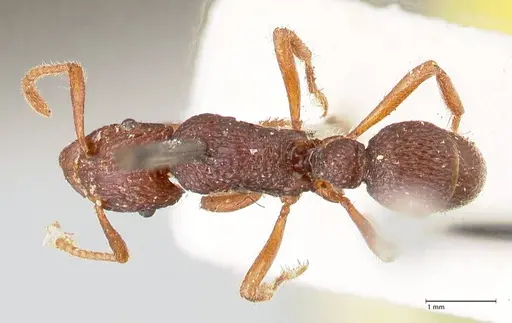
This species has a complicated taxonomic history. It was previously misidentified as Stictoponera coxalis, a name that actually applies to a different species (Stictoponera coxalis) found in Asia [1]. In 2016,Lattke and Delsinne formally described it as Stictoponera sinhala to correct this error, naming it after the Sinhalese people of Sri Lanka [1]. The worker can be identified by its broad triangular clypeal lobe, poorly developed occipital lobes, punctate pronotum with transverse strigae, and unarmed propodeum that is transversely strigose [1]. The body is mostly ferruginous brown with the gaster typically darker [1]. Workers are small but exact total body length is not documented [1].
Nesting and Housing
No natural nesting observations exist for this species. Based on the broader Ectatomminae subfamily (formerly part of Ponerinae), related species typically nest in soil, under stones, or in rotting wood in forest habitats. Sri Lanka's climate is tropical, so this species likely experiences consistently warm temperatures and moderate to high humidity year-round. A naturalistic setup with a moist substrate (like a mixture of soil and sand) would be the most appropriate starting point. Include flat stones or pieces of rotting wood to provide potential nesting sites. Since nothing is known about their preferences, you will need to experiment with different setups and document what the ants actually use. A test tube setup may work for founding colonies, but established colonies may need more space. [2]
Feeding and Diet
Diet preferences are completely unstudied for this species. The entire Ectatomminae subfamily contains predatory ants that typically hunt small invertebrates, so this species likely accepts small live prey like fruit flies, pinhead crickets, or similar small arthropods. However, without any documented feeding observations, this is purely speculative. Related genera like Gnamptogenys are known to be predators that hunt alone, but specific prey preferences for S. sinhala are unknown. You should begin with small live prey items and carefully document what is accepted. Sugar sources may or may not be accepted, some Ectatomminae take honeydew or nectar while others are strictly predatory. This is entirely experimental territory. [2]
Temperature and Environmental Conditions
Sri Lanka has a tropical climate with temperatures ranging from roughly 22-32°C depending on season and region. This species likely evolved in such conditions, so maintaining temperatures in the 22-26°C range is a reasonable starting point. Humidity is likely moderate to high (60-80%) given Sri Lanka's tropical rainforest environments in many parts of the island. No information exists about whether this species experiences any seasonal dormancy, Sri Lanka's climate does not have true winters, so diapause is unlikely but cannot be ruled out. Monitor your colony closely for signs of stress (workers avoiding certain areas, clustering abnormally) and adjust conditions accordingly. This is entirely uncharted territory. [2]
Colony Structure and Reproduction
Absolutely nothing is known about colony structure for this species. The queen caste has never been described scientifically, so we do not know her size, whether she is claustral or semi-claustral, or how many queens a mature colony might have. Worker production, colony growth rates, and reproductive cycles are completely undocumented. Based on related Ectatomminae, single-queen colonies are common in this group, but this is assumption rather than evidence. If you obtain a founding queen, document everything, her behavior, how often she lays eggs, how long until eggs hatch, how many workers she produces, and any other observations. You would be creating the first captive biological data for this species. [2]
Frequently Asked Questions
How difficult is Stictoponera sinhala to keep?
This is an expert-only species. Absolutely no biological or ecological information exists for this ant, nothing about its diet, nesting preferences, colony size, development time, or behavior has ever been documented [2]. Keeping this species would be pioneering work with no established care protocols. Only very experienced antkeepers who understand how to work with completely unstudied species should attempt this.
What do Stictoponera sinhala ants eat?
Unknown, no feeding observations have ever been documented. Based on the broader Ectatomminae subfamily, they are likely predatory on small invertebrates, but specific prey acceptance is completely unstudied. You would need to experiment with various small live prey items and document what is accepted.
How big do Stictoponera sinhala colonies get?
Unknown, colony size has never been documented. No one has ever recorded how many workers a mature colony produces. This is entirely uncharted territory.
What is the best nest type for Stictoponera sinhala?
Unknown, natural nesting behavior has never been observed. Based on related Ectatomminae, they likely nest in soil, under stones, or in rotting wood. A naturalistic setup with moist substrate and potential shelter options would be the most reasonable starting point.
How long does it take for Stictoponera sinhala to produce first workers?
Unknown, no development timeline exists for this species. The egg-to-worker duration has never been studied. Without any baseline data, you would need to establish this through your own observations.
Do Stictoponera sinhala ants sting?
Likely yes, the Ectatomminae subfamily (formerly Ponerinae) contains ants with functional stingers. However, specific stinging behavior for this exact species has never been documented. Exercise caution when handling.
Can I keep multiple Stictoponera sinhala queens together?
Unknown, colony structure has never been documented. We do not know whether this species is single-queen or multi-queen. Combining unrelated queens has not been studied and cannot be recommended based on any evidence.
Does Stictoponera sinhala need hibernation?
Unknown, no seasonal behavior has been documented. Sri Lanka's tropical climate does not have true winters, so diapause is unlikely, but this has never been studied. Monitor your colony for any seasonal changes in activity.
What temperature should I keep Stictoponera sinhala at?
No specific data exists, but Sri Lanka's tropical climate suggests 22-26°C is appropriate. This is an estimate based on the species' geographic origin rather than any documented thermal requirements.
Where is Stictoponera sinhala found?
This species is endemic to Sri Lanka, it is found nowhere else in the world [1]. The exact habitats it occupies within the island are unknown.
Report an Issue
The current care sheet is based fully on literature. See inconsistencies, or something that's incorrect? Please , it will be resolved after review from an admin. Contributing to the blogs tab also helps providing information, to make us be able to further improve the caresheets. Thank you for your support!
References

Dit verzorgingsblad is gelicentieerd onder CC BY-SA 4.0 .
Community-blogs
Literatuur
Verspreidingskaart laden...Producten laden...