
Stenamma gurkhale
- Wetenschappelijke naam
- Stenamma gurkhale
- Tribus
- Stenammini
- Subfamilie
- Myrmicinae
- Auteur
- DuBois, 1998
- Verspreiding
- Gevonden in 0 landen
Introductie
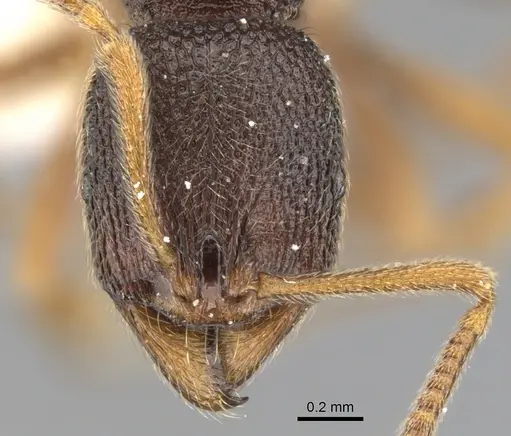
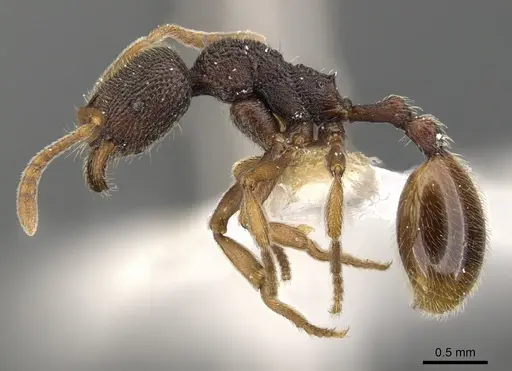
Stenamma gurkhale is a small, cryptic ant species endemic to the high mountains of Nepal. It is known only from workers and was first described in 1998 based on specimens collected at Phulchoki, Lalitpur district, at 2,743-2,800 m elevation . Workers have a distinct petiolar node with an acutely toothed anteroventral corner and antennal scapes that reach the occipital corners of the head . The species belongs to the owstoni group and has an extratropical Palearctic distribution . Although the genus Stenamma contains tropical relatives, S. gurkhale represents a high‑altitude lineage adapted to cooler conditions. No queen or male has been described, and virtually nothing is known about its natural history or colony structure.
Quick Summary
- Difficulty: Expert
- Origin & Habitat: Endemic to Nepal, only known from the Phulchoki area in Lalitpur district at 2,743-2,800 m elevation in the Kathmandu Valley. The habitat is high‑altitude montane forest with cool temperatures and moderate precipitation [2][1].
- Colony Type: Unconfirmed, only workers have been described, queen number and social structure are completely unknown. There are no data on ergatoid reproductives or polygyny.
- Size & Growth:
- Queen: No queen described, size unknown.
- Worker: Unknown, no measurements available in the literature, morphological descriptions do not include body length.
- Colony: Unknown, no colony size estimates exist for this species.
- Growth: Unknown, no data on developmental speed.
- Development: Unknown, no data on brood or development time. (Based on the high‑altitude habitat, development at cool temperatures is likely slow, but this is only inference.)
- Antkeeping:
- Temperature: Keep cool, avoid temperatures above 25°C. Since the species lives at ~2,800 m, it likely prefers temperatures between 15-22°C, but this is unconfirmed [3]. Provide a temperature gradient if possible.
- Humidity: Based on the moist mountain forest habitat, moderate‑to‑high humidity is likely. Keep the nest substrate consistently moist but not waterlogged, with some drier areas for self‑regulation. No exact data exist.
- Diapause: Likely required, the species has a Palearctic distribution and is extratropical [3]. Expect a winter rest of several months at 5-10°C, but duration and necessity are unconfirmed.
- Nesting: Unknown in nature, likely nests in soil or under stones based on congeneric species. For captivity, start with a test tube for founding, larger colonies may use Y‑tong (AAC) or plaster nests with good moisture retention.
- Behavior: No direct data, Stenamma species are generally non‑aggressive and calm, but this has not been confirmed for S. gurkhale. Escape risk is unknown due to the small worker size. Stinging not reported for the genus.
- Common Issues: overheating is the biggest risk, keep the colony cool at all times, humidity needs are unknown, watch for drying out or mold, no captive breeding history exists, husbandry is entirely experimental, wild‑caught colonies may carry parasites or diseases due to lack of quarantine knowledge
Temperature and Cooling Requirements
Keeping Stenamma gurkhale cool is critical. The species comes from ~2,800 m elevation in Nepal, suggesting a preference for temperatures well below what most ant keepers provide for tropical species. Avoid prolonged temperatures above 25°C. Aim for a range of 15-22°C if possible, but these numbers are not confirmed by research, they are inferred from the high‑altitude habitat [3]. Use a cool room, a basement, or a small fan to prevent overheating. Never place the colony in direct sunlight or near heat sources. In summer, consider refrigeration at a gentle temperature (10-15°C) for short periods if needed, but monitor carefully.
Humidity and Moisture
Although no direct data exist, the moist mountain forest of the type locality implies moderate‑to‑high humidity. Keep the nest substrate consistently moist but not waterlogged. A test tube with a water reservoir provides stable humidity for small colonies. For larger setups, use Y‑tong (AAC) or plaster nests that can hold moisture. Provide a gradient, one end wet, the other drier, so workers can self‑regulate. Mold indicates too much moisture, excessive worker death may signal dryness. Adjust based on observation.
Nesting Preferences
In the wild, Stenamma species typically nest in soil, under stones, or in rotting wood in cool, shaded locations. S. gurkhale is likely similar, but no specific nest site records exist. For captivity, start with a simple test tube setup for founding queens. Once the colony grows (if you succeed), transition to a small formicarium with good moisture retention, Y‑tong or plaster works well. Keep the nest dark and undisturbed. Avoid dry, heated enclosures.
Feeding and Diet
No dietary data are available for this species. By genus inference, Stenamma ants are generalist predators and scavengers, feeding on small arthropods and honeydew. In captivity, offer a varied diet: small live prey (fruit flies, pinhead crickets, tiny mealworms) for protein, and sugar water or honey for carbohydrates. Feed protein 2-3 times per week, and keep a constant sugar source available. Remove uneaten prey after 24 hours to prevent mold. Because worker size is unknown, provide prey items that are appropriately small. Acceptance of artificial diets is unknown.
Winter Rest and Diapause
Given the Palearctic, extratropical distribution, S. gurkhale almost certainly requires a winter diapause [3][5]. The exact duration and temperature are unknown, but a rest period of 2-3 months at 5-10°C is reasonable based on congeneric species. Reduce temperatures gradually in late autumn, and do not feed during diapause. Provide water via a small test tube with a cotton plug to prevent desiccation. The colony will become inactive and cluster. Skipping diapause may weaken or kill the colony over time, but this has not been proven for this species.
Colony Establishment Challenges
Stenamma gurkhale has no captive breeding history, every attempt would be pioneering. Obtaining a queen is extremely difficult: the species is endemic to a single site in Nepal, and nuptial flights are undocumented. If you manage to acquire a wild‑caught queen, treat her with extreme care: place her in a dark, undisturbed test tube setup at cool temperature (15-20°C) with high humidity. Do not disturb for at least 4-6 weeks. Queen mortality during founding is likely high. No data exist on claustral versus semi‑claustral founding, assume claustral (queen seals in) but be prepared to provide food if she appears starving. Growth will likely be very slow, and colony survival is uncertain.
Frequently Asked Questions
How do I keep Stenamma gurkhale ants cool enough?
Place the colony in a cool room (15-22°C) away from heat sources and direct sunlight. If needed, use a fan for airflow or a small refrigerator set to a safe temperature (10-15°C) for short periods. Avoid anything above 25°C [3].
What temperature do Stenamma gurkhale ants need?
Based on its high‑altitude origin, keep them cool, ideally around 15-22°C. Overheating is the greatest risk. Exact requirements are unknown, so monitor behavior and adjust [3].
Do Stenamma gurkhale ants need hibernation?
Likely yes, the Palearctic distribution strongly suggests a winter diapause. Aim for 2-3 months at 5-10°C, but the exact needs are unconfirmed [3][5].
How big do Stenamma gurkhale colonies get?
Unknown, no colony size data exist. Stenamma species generally have small to moderate colonies (perhaps up to a few hundred workers), but this is speculation.
What do Stenamma gurkhale ants eat?
No specific data, inferred from the genus: small live insects (fruit flies, pinhead crickets) and sugar water. Feed protein 2-3 times per week and provide constant sugar source.
Are Stenamma gurkhale ants aggressive?
No behavioral data available. Stenamma species are generally non‑aggressive and do not sting, but this is unconfirmed for S. gurkhale.
How long does it take for Stenamma gurkhale to develop from egg to worker?
Unknown, no developmental data exist. Based on cool‑climate Stenamma species, it may take 6-10 weeks or longer, but this is speculation.
Can I keep multiple Stenamma gurkhale queens together?
Not recommended, colony structure is unknown, but most Stenamma are monogyne. There is no evidence of polygyny or pleometrosis.
What humidity level do Stenamma gurkhale ants need?
Moderate‑to‑high humidity is inferred from the mountain habitat. Keep the nest substrate moist but not waterlogged, with a drier area available.
Is Stenamma gurkhale a good species for beginners?
No, this species is extremely challenging due to lack of husbandry data, specific cool requirements, and difficulty obtaining queens. It should only be attempted by expert keepers willing to experiment [2].
Where is Stenamma gurkhale found in the wild?
Only in Nepal, specifically the Phulchoki area, Lalitpur district, at 2,743-2,800 m elevation. It is endemic to this single location [2][1].
What nest type is best for Stenamma gurkhale?
Start with a test tube for founding. For larger colonies, use Y‑tong (AAC) or plaster nests that retain moisture. Keep the nest dark and cool.
Report an Issue
The current care sheet is based fully on literature. See inconsistencies, or something that's incorrect? Please , it will be resolved after review from an admin. Contributing to the blogs tab also helps providing information, to make us be able to further improve the caresheets. Thank you for your support!
References

Dit verzorgingsblad is gelicentieerd onder CC BY-SA 4.0 .
Community-blogs
CASENT0900945
Bekijk op AntWeb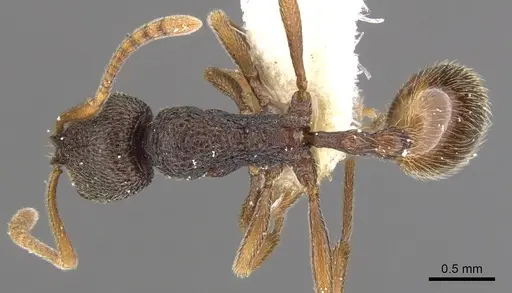
Literatuur
Verspreidingskaart laden...Producten laden...