
Solenopsis debilior
- Wetenschappelijke naam
- Solenopsis debilior
- Tribus
- Solenopsidini
- Subfamilie
- Myrmicinae
- Auteur
- Santschi, 1934
- Verspreiding
- Gevonden in 0 landen
Introductie
Solenopsis debilior is a tiny ant species endemic to the Mediterranean island of Corsica. The species was originally classified as a subspecies of Solenopsis fugax but was elevated to full species status in 2010 based on its smaller body measurements, notably a queen mesosoma width of 0.88mm compared to over 1.00mm in related species . Exact total length measurements have not been published, but they are very small, typical of thief ants. This species belongs to the thief ant group, known for their secretive lifestyle and ability to infiltrate the nests of other ants to steal food. Their natural history is poorly documented due to their cryptic behavior.
Quick Summary
- Difficulty: Medium
- Origin & Habitat: Endemic to Corsica, an island in the western Mediterranean Sea. Found in the Poggiolo region. The habitat is Mediterranean, warm, dry summers with mild, wet winters. They likely nest in shallow soil or under stones in rocky, sun-exposed areas [1].
- Colony Type: Not studied. Colony structure is unknown.
- Size & Growth:
- Queen: Exact size not given in research, typical for Solenopsis queens, likely small (mesosoma length 1.79mm [1]).
- Worker: Exact size not given, likely very small.
- Colony: Unknown for this species.
- Growth: Unknown.
- Development: Unknown for this species, based on related Solenopsis,6-10 weeks is an estimate. (Development time is inferred from related species. Warmer temperatures within acceptable range may speed development.)
- Antkeeping:
- Temperature: Keep nest area at 22-26°C. Corsica has a Mediterranean climate with warm summers, so these ants prefer warmer conditions. A heating cable on one side of the nest can create a gentle gradient. Avoid temperatures below 18°C or above 30°C.
- Humidity: Keep substrate moderately dry to slightly moist. These are Mediterranean ants adapted to drier conditions than tropical species. Allow the nest substrate to dry partially between waterings. Provide a small water tube but don't over-saturate the nest.
- Diapause: Likely required, based on Corsican winter. A mild rest period of 8-12 weeks at 10-15°C is probable. Reduce feeding and keep them in a cool location during this period.
- Nesting: Y-tong (AAC) nests work well due to their small size and need for tight chambers. Plaster nests are also suitable. Avoid naturalistic setups with large open spaces, they prefer compact, tight-fitting chambers scaled to their tiny body size.
- Behavior: Thief ants are secretive and spend most of their time hidden in nest chambers. Workers are tiny and very quick-moving. They are not aggressive and will flee rather than fight when threatened. However, they can deliver a mild sting if handled roughly (typical of Myrmicinae tribe Solenopsidini). Escape prevention is critical, their tiny size allows them to squeeze through remarkably small gaps. They are primarily nocturnal or crepuscular, becoming more active in low light.
- Common Issues: escape prevention is critical, they can squeeze through gaps as small as 0.5mm, colonies grow slowly and beginners may lose patience or overfeed, their tiny size makes them difficult to feed properly, prey items must be appropriately sized, overheating or drying out can kill colonies quickly, wild-caught colonies may have parasites that cause problems in captivity
Housing and Nest Setup
Solenopsis debilior is a tiny ant that needs appropriately scaled housing. Y-tong (acrylic aerated concrete) nests work excellently because the porous material helps maintain moderate humidity while allowing good ventilation. The chambers should be small and tight-fitting, these ants feel secure in compact spaces. Plaster nests are another good option. Test tubes can work for founding colonies but will need to be moved to a formicarium once the colony reaches 30-50 workers.
Because of their minute size, escape prevention must be excellent. Apply Fluon or similar barrier products to all edges of the outworld. Use tight-fitting lids on feeding dishes. Even small gaps around tubing connections can be escape points. A single escape can quickly lead to a colony dispersing throughout your room.
The outworld should be simple and easy to clean. These ants don't need elaborate decorations. A simple sand or soil substrate works for foraging areas. Keep the outworld dry, these are Mediterranean ants that prefer drier conditions.
Feeding and Diet
In the wild, Solenopsis species are omnivorous but lean toward protein. They feed on small insects, honeydew from aphids and scale insects, and various organic matter. Their common name 'thief ant' comes from their habit of infiltrating other ant nests to steal food and sometimes brood.
In captivity, offer small protein sources like fruit flies, pinhead crickets (appropriately sized), small mealworms, and other tiny arthropods. Feed protein 2-3 times per week, removing any uneaten prey after 24 hours. For sugars, offer a small drop of honey water or sugar water once or twice weekly. However, don't be surprised if they ignore sweet foods, many Solenopsis species prefer protein.
Because of their tiny size, prey items must be very small. Even a small fruit fly is a substantial meal for these ants. Overly large prey items will simply be ignored or may even stress the workers.
Temperature and Seasonal Care
As Mediterranean island natives, Solenopsis debilior prefers warm conditions. Keep the nest area at 22-26°C during the active season. A heating cable placed on one side of the nest can create a temperature gradient, allowing workers to self-regulate by moving between warmer and cooler areas.
These ants likely have a natural dormant period tied to the Corsican winter. From roughly November through March, keep them at 10-15°C. This winter rest period is important for colony health and may trigger reproductive behavior in spring. During diapause, reduce feeding to once every 2-3 weeks and minimize disturbance.
Avoid temperature extremes. Temperatures below 15°C for extended periods or above 30°C can be harmful. Room temperature (20-24°C) is generally acceptable if your home stays in this range.
Behavior and Handling
Solenopsis debilior is a secretive, non-aggressive species. Workers are tiny and very fast-moving. When threatened, they will typically flee rather than engage. However, they can deliver a mild sting if handled roughly or if the colony feels cornered (typical of Myrmicinae tribe Solenopsidini). The sting is not medically significant for healthy humans but may cause minor irritation.
These ants are not suitable for observation-focused keeping, they spend most of their time hidden in nest chambers and are primarily active at night or in dim conditions. However, they are fascinating to observe when they do emerge to forage.
Their tiny size means they are easily crushed. Handle them gently and avoid disturbing the nest unnecessarily. When moving colonies, use gentle coaxing rather than forceful methods.
Colony Development
Colony development is not documented for this species. Based on related Solenopsis, a newly mated queen will seal herself into a small chamber and raise the first brood using stored fat reserves (claustral founding). This is typical of most Solenopsis but not confirmed for S. debilior.
First workers (nanitics) will be smaller than mature workers and may take 6-10 weeks to emerge, depending on temperature. After the first workers arrive, the colony enters a slow growth phase. It may take a year or more to reach 100 workers.
Colony growth is gradual but accelerates once the colony reaches several dozen workers. Mature colonies of related species can reach several thousand workers. A healthy, established colony may produce alates (winged reproductives) annually, but this is unconfirmed for S. debilior.
Frequently Asked Questions
How long does it take for Solenopsis debilior to get their first workers?
This is unknown for S. debilior. Based on related species, first workers (nanitics) might emerge in 6-10 weeks after the queen lays eggs, assuming temperatures around 24-26°C.
Can I keep Solenopsis debilior in a test tube?
Yes, test tubes work well for founding colonies. Use a standard test tube setup with a water reservoir sealed with cotton. Once the colony reaches 30-50 workers, consider moving them to a small Y-tong or plaster nest. The key is ensuring the chambers are appropriately sized for their tiny body size.
What do Solenopsis debilior eat?
They are omnivorous but likely prefer protein. Offer small insects like fruit flies, tiny crickets, and small mealworms. They may accept honey water or sugar water occasionally, but many Solenopsis species ignore sweet foods. Feed protein 2-3 times per week.
Are Solenopsis debilior good for beginners?
No, they are not ideal for beginners. Their tiny size makes them difficult to house, feed, and prevent from escaping. They also grow slowly, which can be discouraging. They are better suited for antkeepers who already have experience with small Myrmicinae species.
Do Solenopsis debilior need hibernation?
It is likely they need a winter rest period, based on their Corsican origin. A mild diapause of 8-12 weeks at 10-15°C is probable. Reduce feeding and keep disturbance minimal during this time. This has not been studied for this species.
How big do Solenopsis debilior colonies get?
Colony size is not documented. Related Solenopsis species in the thief ant group can reach several hundred to a few thousand workers. Growth is slow and a mature colony may take 2-3 years.
Why are my Solenopsis debilior escaping?
Their tiny size means they can escape through very small gaps. Apply Fluon or similar barriers to all edges, use fine mesh for ventilation, and check all connections for gaps. Even a 0.5mm gap is enough for them to squeeze through.
When should I move Solenopsis debilior to a formicarium?
Move them once the colony reaches 30-50 workers or when the test tube becomes crowded. A Y-tong or plaster nest with small chambers works well. Make sure the new nest has appropriately sized chambers, too-large chambers can stress the colony.
Can I keep multiple Solenopsis debilior queens together?
This has not been studied. Based on typical Solenopsis behavior, single-queen colonies are most common. Combining unrelated queens is not recommended as it may lead to fighting.
Report an Issue
The current care sheet is based fully on literature. See inconsistencies, or something that's incorrect? Please , it will be resolved after review from an admin. Contributing to the blogs tab also helps providing information, to make us be able to further improve the caresheets. Thank you for your support!
References

Dit verzorgingsblad is gelicentieerd onder CC BY-SA 4.0 .
Community-blogs
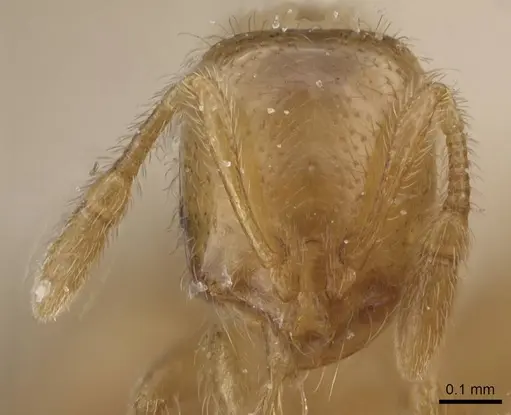
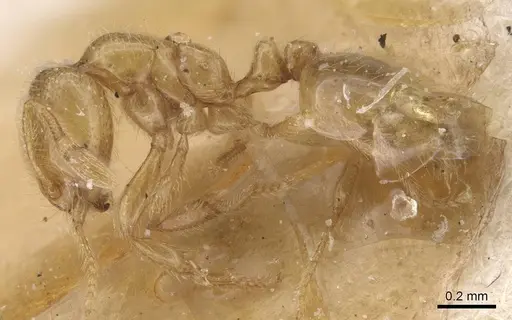
CASENT0913884
Bekijk op AntWeb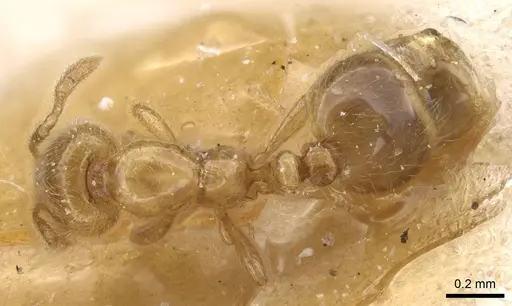
Literatuur
Verspreidingskaart laden...Producten laden...