
Romblonella palauensis
- Wetenschappelijke naam
- Romblonella palauensis
- Tribus
- Crematogastrini
- Subfamilie
- Myrmicinae
- Auteur
- Smith, 1953
- Verspreiding
- Gevonden in 1 landen
Introductie
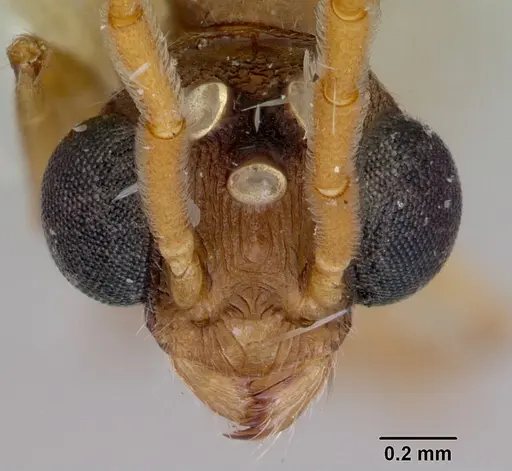
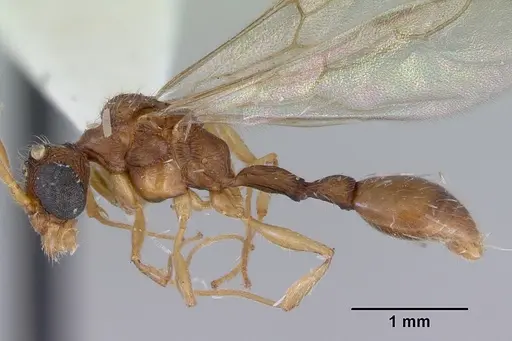
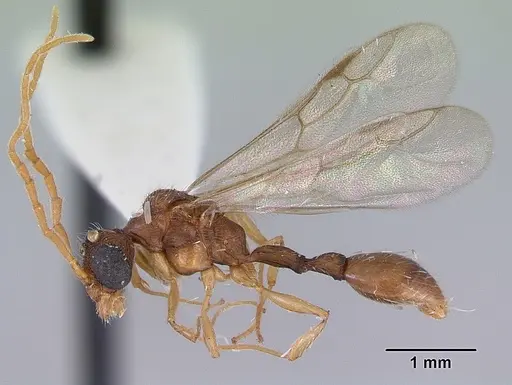
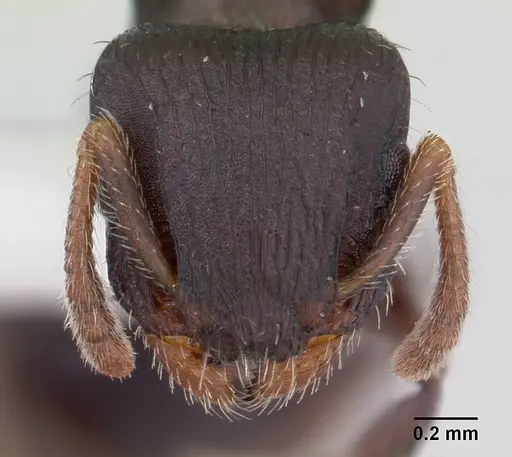
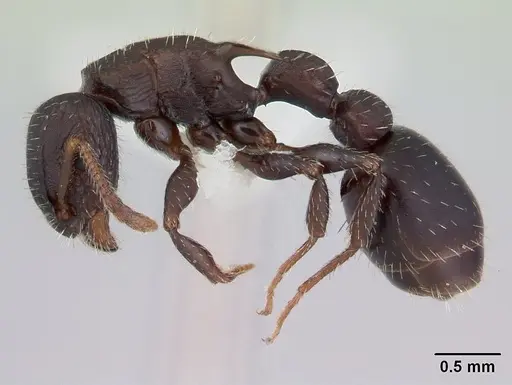
Romblonella palauensis is a small Myrmicinae ant endemic to the Palau Islands in Micronesia. Workers have distinctive propodeal spines about 0.5 mm long, a flattened and marginate pronotum, and a petiole that is longer than tall with a flat dorsal profile . This species is known only from Palau and remains poorly studied, with no published information on its colony structure or behavior in the wild. It is a rare ant in the hobby, suitable only for expert keepers willing to experiment.
Quick Summary
- Difficulty: Unknown, likely Expert due to limited data
- Origin & Habitat: Palau Islands in Micronesia (Western Pacific Ocean). This is a tropical island environment with high humidity and warm temperatures year-round [1].
- Colony Type: Colony structure is unconfirmed, no published data on queen number or colony size in the wild.
- Size & Growth:
- Queen: Size data unavailable, no published measurements exist for queens.
- Worker: Size data unavailable, no published measurements exist for workers, propodeal spines are about 0.5 mm [1].
- Colony: Unknown, no colony size data published (likely small, typical for the genus).
- Growth: Unknown, no development data available.
- Development: Estimated 4-8 weeks based on typical tropical Myrmicinae patterns at 25-28°C (No direct development data exists for this species, estimates are based on inference from similar tropical Myrmicinae.)
- Antkeeping:
- Temperature: Keep at 25-28°C (tropical warmth). Palau is consistently warm year-round, so stable temperatures are important. Use a heating cable on one side of the nest to create a gentle gradient.
- Humidity: High humidity is essential, think tropical island conditions. Keep the nest substrate consistently moist but not waterlogged. Palau receives abundant rainfall, so aim for damp substrate with some condensation on the nest walls.
- Diapause: No, Palau has no cold winter, so this species does not require hibernation. Maintain tropical temperatures year-round.
- Nesting: No nest site data is published. Based on typical myrmicine habits, Romblonella palauensis likely nests in rotting wood, leaf litter, or soil cavities. For captivity, a small test tube setup or Y-tong (AAC) nest with moist substrate works well. Chambers should be appropriately scaled to their tiny size.
- Behavior: Behavior is unstudied. Based on subfamily (Myrmicinae) and tribe (Crematogastrini), these ants likely use a smear defense: they apply venom with a modified stinger rather than stinging. They are probably generalist foragers. Escape prevention is critical due to their tiny size, use fine mesh (≤0.5 mm openings) and tight-fitting lids.
- Common Issues: tiny size makes escape easy without excellent barriers (fine mesh needed)., no published care information, trial and error required., high humidity needs can cause mold if ventilation is poor., tropical species may decline if temperatures drop below 24°C., wild-caught colonies may have parasites or diseases with no documented treatment.
Origin and Distribution
Romblonella palauensis is known only from the Palau Islands, a small archipelago in the Western Pacific Ocean belonging to Micronesia [1]. This makes it an endemic species, it is found nowhere else on Earth. The original description was published by M.R. Smith in 1953,with workers and males described from Palau [2]. The species was the second in the genus to have its male caste described,63 years after the first description [2]. The Palau Islands feature a tropical climate with high year-round temperatures and heavy rainfall, creating humid forest environments where these tiny ants likely live in leaf litter, rotting wood, or soil cavities.
Identification and Morphology
Workers of Romblonella palauensis can be identified by their distinctive propodeal spines, which measure about 0.5 mm in length [1]. The pronotum is flattened and marginate (raised with a distinct edge) along both its anterior and lateral portions [1]. In profile view, the petiole is longer than it is tall, with a relatively flat dorsal surface that lacks the rounded outline seen in some related species [2]. These morphological features help distinguish R. palauensis from other Romblonella species.
Housing and Nest Setup
Due to their tiny worker size, Romblonella palauensis requires appropriately scaled housing. A small test tube setup works well for founding colonies, use a test tube with a water reservoir at one end, stopped with cotton, providing a constant moisture source. For established colonies, a Y-tong (AAC) nest or small formicarium with narrow chambers prevents workers from getting lost in overly large spaces. The nest material should remain consistently moist to replicate Palau's humid tropical conditions. Because of their minute size, escape prevention is critical, use fine mesh (at least 0.5 mm or smaller) on any ventilation holes and ensure all lids fit tightly. A small outworld area for foraging completes the setup. Note: no specific nest preferences have been published, this advice is based on typical myrmicine care.
Feeding and Diet
The natural diet of Romblonella palauensis has not been documented, but based on their placement in the Myrmicinae subfamily and tropical habitat, they likely function as generalist foragers. Offer small protein sources such as fruit flies, small mealworms, or tiny insects appropriate to their size. They likely also consume honeydew from aphids or scale insects, so occasional sugar water or honey droplets may be accepted. Feed small amounts every 2-3 days and remove uneaten prey to prevent mold. Given their tiny size, prey items should be appropriately scaled, springtails or fruit fly fragments work well for starting colonies.
Temperature and Humidity Requirements
As a species endemic to Palau, Romblonella palauensis requires warm, humid conditions year-round. Maintain temperatures between 25-28°C, avoiding any drops below 24°C which could stress or kill the colony. A small heating cable placed on one side of the nest can provide gentle warmth and create a temperature gradient. Humidity should be high, the nest substrate should feel consistently moist but not waterlogged. Palau receives heavy rainfall, so these ants are adapted to damp conditions. However, balance humidity with adequate ventilation to prevent mold growth. Condensation on nest walls is a good indicator of appropriate humidity.
Challenges and Considerations
Keeping Romblonella palauensis presents significant challenges due to the lack of published biological data. No information exists on their colony structure (monogyne vs polygyne), founding behavior, development timeline, or specific dietary needs. This makes them an expert-level species best suited for experienced antkeepers comfortable with experimental care. Wild-caught colonies may carry parasites or diseases with no documented treatments in captivity. Their tiny size means they are excellent escape artists, even standard ant keeping setups may allow them to slip through gaps. The lack of any captive breeding history in the hobby means keepers must be prepared for a steep learning curve and potential colony losses during the experimental phase.
Frequently Asked Questions
How do I care for Romblonella palauensis ants?
Care for this species is experimental since no published husbandry information exists. Provide a small test tube or Y-tong nest with consistently moist substrate. Keep temperatures at 25-28°C with high humidity. Feed tiny protein sources like fruit flies or small mealworms, and offer occasional sugar water. Escape prevention is critical due to their minute size.
What do Romblonella palauensis eat?
Their natural diet is unstudied, but likely includes small insects and honeydew like other tropical Myrmicinae. In captivity, offer tiny live prey (fruit flies, springtails), small insect pieces, and occasional sugar water or honey. Feed small amounts every 2-3 days.
What temperature do Romblonella palauensis ants need?
Keep them at 25-28°C, replicating Palau's tropical warmth. Avoid temperatures below 24°C. A small heating cable on one side of the nest can maintain warmth and create a gradient.
Do Romblonella palauensis ants need hibernation?
No, Palau has no cold season, so this species does not require hibernation or diapause. Maintain warm temperatures year-round.
How big do Romblonella palauensis colonies get?
Colony size is unknown, no published data exists on maximum colony size for this species. Based on their tiny worker size and genus placement, colonies are likely modest, possibly under 100 workers.
Can beginners keep Romblonella palauensis?
This species is not recommended for beginners. No captive care information exists, and their tiny size and specific humidity requirements make them challenging. They are best suited for expert antkeepers willing to experiment.
Where is Romblonella palauensis found?
This species is endemic to the Palau Islands in Micronesia (Western Pacific Ocean). It is known only from Palau and has not been found anywhere else in the world [1].
How long does it take for Romblonella palauensis to develop from egg to worker?
Direct development data does not exist for this species. Based on typical tropical Myrmicinae patterns at 25-28°C, estimate approximately 4-8 weeks from egg to first worker.
Do Romblonella palauensis ants sting?
Myrmicinae ants have functional stingers, but the sting potency of Romblonella palauensis is unknown. Based on subfamily, they likely use a smear defense (applying venom) rather than stinging. Given their tiny size, any sting would likely be mild.
What size are Romblonella palauensis workers?
Worker body size is not published. The propodeal spines are approximately 0.5 mm [1]. Workers are small, likely similar to related Romblonella species.
Is Romblonella palauensis a good species for ant keeping?
This species is extremely rare in the antkeeping hobby and has no established captive care protocols. It presents significant challenges due to unknown biology, tiny size, and specific humidity requirements. Only experienced antkeepers should attempt this species.
What nest type is best for Romblonella palauensis?
A small test tube setup works well for founding colonies. For established colonies, use a Y-tong (AAC) nest or small formicarium with appropriately scaled narrow chambers. The nest material must remain consistently moist.
Report an Issue
The current care sheet is based fully on literature. See inconsistencies, or something that's incorrect? Please , it will be resolved after review from an admin. Contributing to the blogs tab also helps providing information, to make us be able to further improve the caresheets. Thank you for your support!
References

Dit verzorgingsblad is gelicentieerd onder CC BY-SA 4.0 .
Community-blogs
CASENT0172306
Bekijk op AntWeb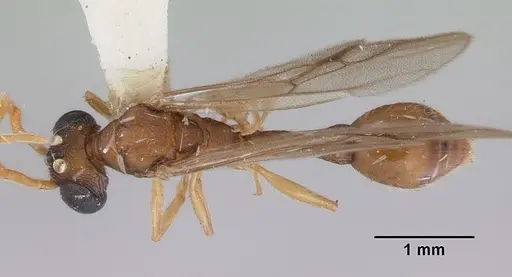
CASENT0178524
Bekijk op AntWeb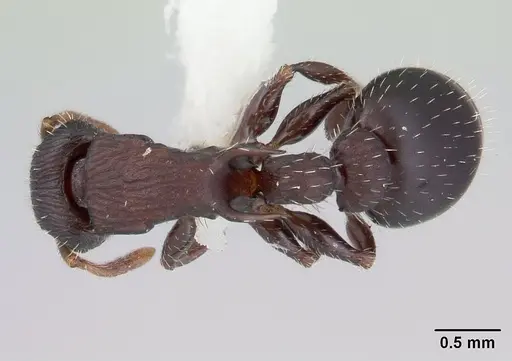
Literatuur
Verspreidingskaart laden...Producten laden...