
Pseudolasius isabellae
- Wetenschappelijke naam
- Pseudolasius isabellae
- Tribus
- Lasiini
- Subfamilie
- Formicinae
- Auteur
- Forel, 1908
- Verspreiding
- Gevonden in 0 landen
Introductie
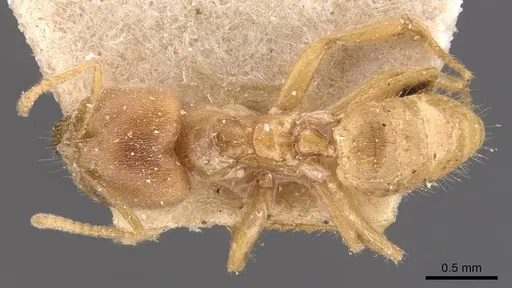
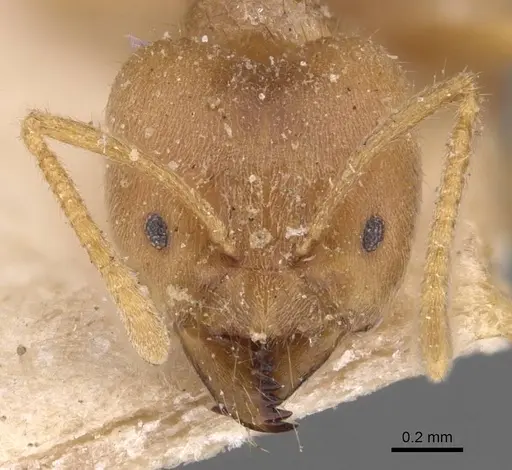
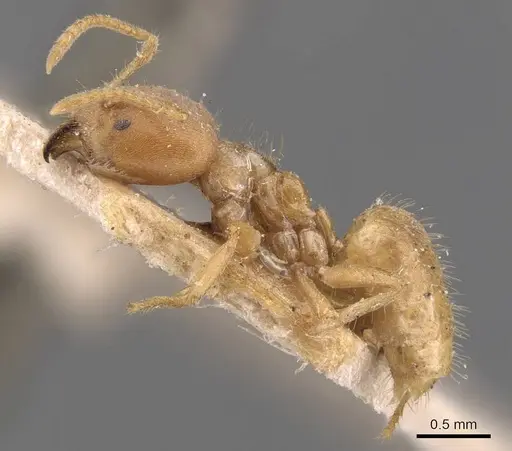
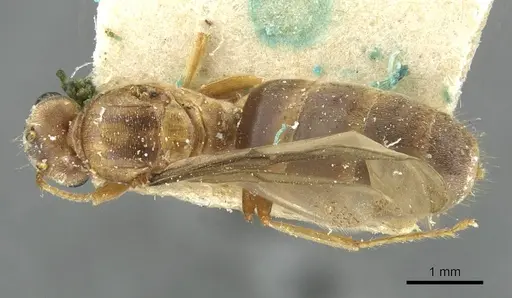
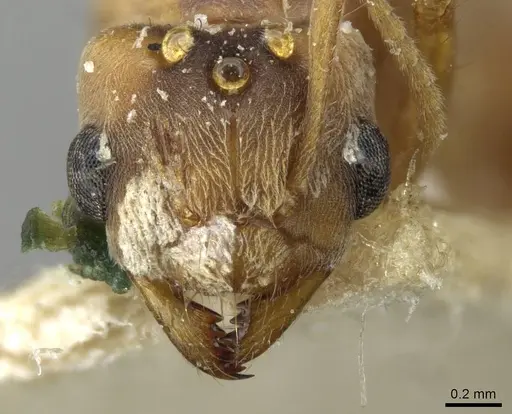
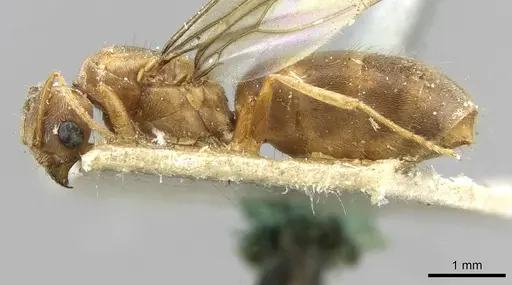
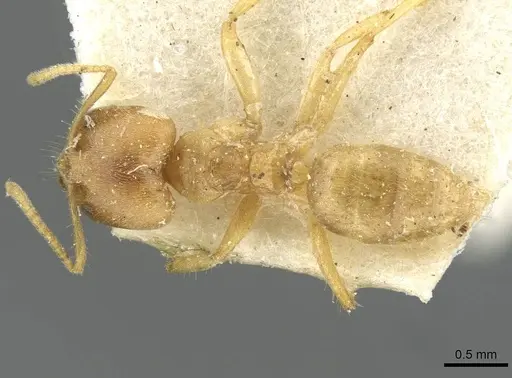
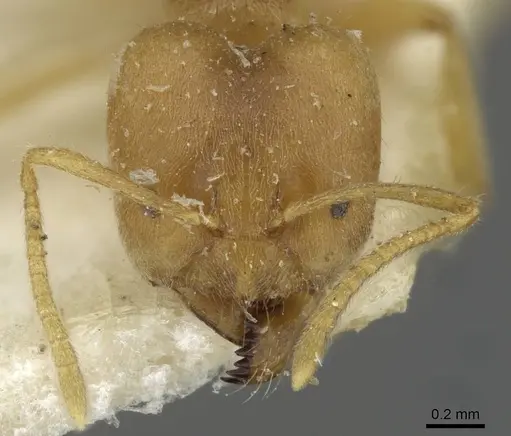
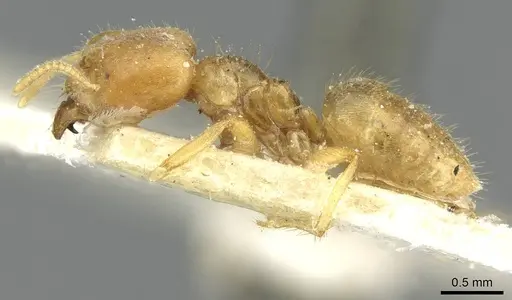
Pseudolasius isabellae is a small, ground-dwelling ant species endemic to Sri Lanka . Workers are typical of the genus, small and compact. Queens were described by Forel in 1908 . Their body size is not specifically documented; based on the genus Pseudolasius, workers likely measure around 2-3 mm and queens around 5-6 mm (inferred from genus averages). This species is extremely rare in the wild, found only in the Kahalle-Pallekele Forest in the dry zone of Sri Lanka , and is listed as Critically Endangered due to its highly restricted distribution . The genus Pseudolasius belongs to the Formicinae subfamily and Lasiini tribe, closely related to Lasius ants, sharing similar habits of nesting in soil and tending aphids for honeydew .
Quick Summary
- Difficulty: Medium
- Origin & Habitat: Endemic to Sri Lanka, only known from the Kahalle-Pallekele Forest in the dry zone. Ground-dwelling and collected by hand from forest floor habitats [2].
- Colony Type: Unconfirmed. Based on related Lasiini patterns, likely single-queen colonies, but this has not been directly studied.
- Size & Growth:
- Queen: ~5-6 mm (estimated from genus averages, no specific measurements exist)
- Worker: ~2-3 mm (estimated from genus averages, no specific measurements exist)
- Colony: Unknown, estimated up to several hundred workers based on similar Lasiini species
- Growth: Moderate (inferred from related Formicinae)
- Development: Estimated 6-10 weeks at optimal temperature based on related Formicinae (Development time is not specifically documented for this species, estimates are based on genus-level data)
- Antkeeping:
- Temperature: Keep at room temperature around 22-26°C. As a tropical Sri Lankan species, they prefer warm conditions but avoid excessive heat. A gentle temperature gradient helps them regulate. Based on their natural habitat (forest floor in dry zone), stable warmth is key.
- Humidity: Moderate humidity, keep the nest substrate consistently moist but not waterlogged. These ground-nesting ants experience damp forest floor conditions naturally. Provide a moisture gradient if possible.
- Diapause: Likely no true diapause, Sri Lanka has year-round warm temperatures. Expect slightly reduced activity during cooler months but do not cool them artificially.
- Nesting: Natural nesting occurs in soil. In captivity, a test tube works for founding. Once established, use a Y‑tong (AAC) or plaster nest with moisture chambers tailored to their small size. The nest should have tight, small chambers to avoid stress.
- Behavior: Not specifically documented. Based on the genus Pseudolasius and related Lasiini, these ants are likely shy and non‑aggressive, fleeing rather than fighting. Their small size (workers ~2-3 mm) means escape prevention is critical, fine mesh and sealed lids are essential. Workers probably forage for honeydew and small insects in a typical Formicinae manner.
- Common Issues: WARNING: Pseudolasius isabellae is listed as Critically Endangered in Sri Lanka [3]. It is illegal to collect, disturb, or keep this species without appropriate permits. Only captive-bred individuals from ethical sources should be kept. Do not release any ants into non-native environments., Very limited research means most care requirements are inferred from related species, be ready to adjust based on colony behavior., Small worker size (approx. 2-3 mm) makes escape prevention critical, use fine mesh and tight-fitting lids., As a ground-nesting species, they need consistent substrate moisture without flooding., Extremely rare in the hobby due to conservation status and restricted distribution.
Housing and Nest Setup
No specific husbandry data exists for Pseudolasius isabellae, the following recommendations are based on closely related Lasiini species and general Formicinae care principles [1]. For founding colonies, a simple test tube setup works well. Fill the tube with water and plug it with cotton, this provides humidity for several weeks. Place the queen in a dark, quiet location and avoid disturbing her during the founding stage. Once the first workers arrive (estimated 6-10 weeks), you can continue in the test tube or transition to a small formicarium. For established colonies, a Y‑tong (AAC) or plaster nest with moisture chambers mimics their natural soil-nesting environment. Keep one side slightly moist and the other drier so the ants can choose their preferred conditions. Because they are small (workers ~2-3 mm), ensure passages and chambers are appropriately sized, avoid large, open spaces that may stress them.
Feeding and Diet
Like other members of the Lasiini tribe, Pseudolasius isabellae likely feeds primarily on honeydew from aphids and scale insects, supplemented with small insect prey [1]. In captivity, offer sugar water or honey as a constant energy source. For protein, provide small prey items such as fruit flies, pinhead crickets, or pieces of mealworm. Feed protein roughly twice weekly, removing any uneaten prey after 24 hours. Fresh water should always be available (e.g., a small test tube with a cotton plug). Observe your colony’s preferences, some individuals accept a wider variety of foods. Avoid overfeeding as uneaten food can mold and harm the colony.
Temperature and Seasonal Care
As a tropical species from Sri Lanka, Pseudolasius isabellae prefers warm conditions in the range of 22-28°C. Room temperature (around 24°C) is typically suitable. Avoid temperatures above 30°C as this can stress the colony. A heating cable on one side of the nest can create a gentle gradient if your room runs cool. Unlike temperate species, they do not require true hibernation. However, they may show slightly reduced activity during cooler months. Do not attempt to cool them dramatically, maintain stable warm conditions year-round. Sudden temperature drops can be harmful. These recommendations are inferred from their tropical origin [1] and not from species-specific studies.
Behavior and Colony Dynamics
This species is not well-documented in terms of specific behaviors. Pseudolasius ants are generally calm and non‑aggressive [1]. Workers are likely shy and may retreat rather than defend aggressively. The colony will probably establish a central nest area with workers foraging outward. Chemical trails are likely used for communication, as is common in Formicinae. Colony size will grow gradually over time, expect several months to reach 50 workers, and potentially a year or more to reach larger numbers. Queens are likely long-lived, as typical for Formicinae, potentially living several years. All of these points are inferred from related species and should be taken as provisional.
Frequently Asked Questions
How long does it take for Pseudolasius isabellae to produce first workers?
Based on related Formicinae species, expect first workers (nanitics) to emerge around 6-10 weeks after the queen lays eggs. This timeline assumes optimal temperature around 24-26°C. The exact duration for this specific species has not been documented.
What do Pseudolasius isabellae ants eat?
They likely accept sugar sources (honey, sugar water) and protein from small insects. This is based on the typical diet of related Lasiini species [1]. Offer a constant sugar source and protein prey 1-2 times per week.
Can I keep multiple Pseudolasius isabellae queens together?
This has not been documented for this species. Based on related Lasiini, they likely form single-queen colonies. Combining unrelated queens is not recommended as it may result in aggression.
What temperature do Pseudolasius isabellae ants need?
Keep them warm at 22-28°C, with 24-26°C being ideal. As a Sri Lankan tropical species, they do not require cooling or hibernation. Avoid temperatures above 30°C.
Are Pseudolasius isabellae good for beginners?
This species is not recommended for beginners due to its Critically Endangered status [3] and ethical concerns. If available from responsible breeders, their care is likely moderate, similar to other small Formicinae. They require stable warmth and humidity.
How big do Pseudolasius isabellae colonies get?
Colony size is not documented for this species. Based on related Lasiini, they likely reach several hundred workers over several years. Growth is typically moderate rather than rapid.
Do Pseudolasius isabellae need hibernation?
No, as a tropical species from Sri Lanka, they do not require hibernation. Maintain warm temperatures year-round. They may show slightly reduced activity during cooler periods but should not be cooled.
Why is Pseudolasius isabellae so rare?
This species has an extremely limited distribution, known only from a single forest location in Sri Lanka [2]. It is listed as Critically Endangered due to its restricted range and likely habitat threats [3]. This rarity is why it is not commonly available in the antkeeping hobby.
What nest type is best for Pseudolasius isabellae?
A test tube for founding colonies, transitioning to a Y‑tong (AAC) or plaster nest with moisture chambers once established. They are ground-nesting ants that prefer humid, dark conditions with appropriately sized chambers for their small worker size.
Report an Issue
The current care sheet is based fully on literature. See inconsistencies, or something that's incorrect? Please , it will be resolved after review from an admin. Contributing to the blogs tab also helps providing information, to make us be able to further improve the caresheets. Thank you for your support!
References

Dit verzorgingsblad is gelicentieerd onder CC BY-SA 4.0 .
Community-blogs
Literatuur
Verspreidingskaart laden...Producten laden...