
Pseudolasius hummeli
- Wetenschappelijke naam
- Pseudolasius hummeli
- Tribus
- Lasiini
- Subfamilie
- Formicinae
- Auteur
- Stitz, 1934
- Verspreiding
- Gevonden in 0 landen
Introductie
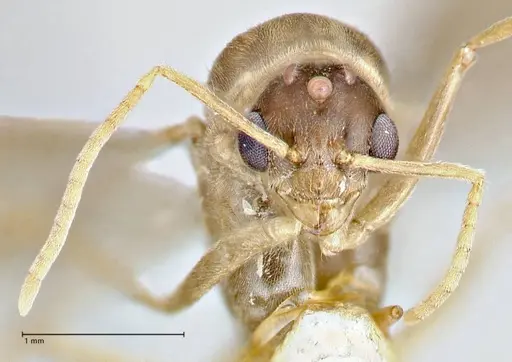
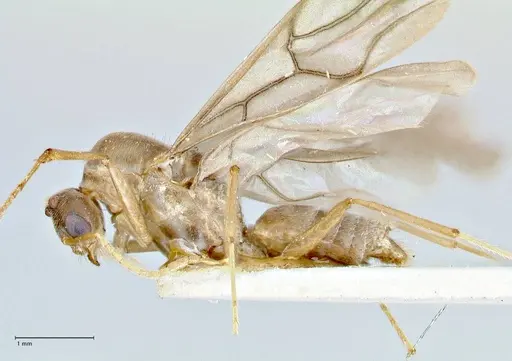
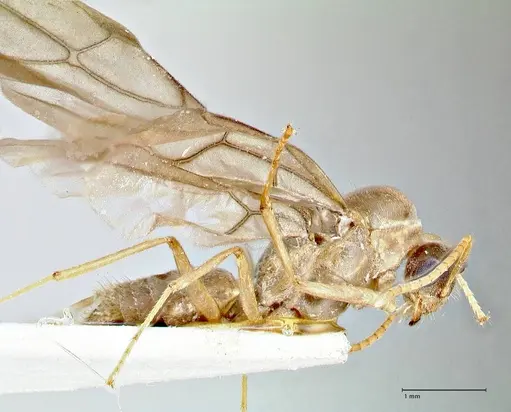
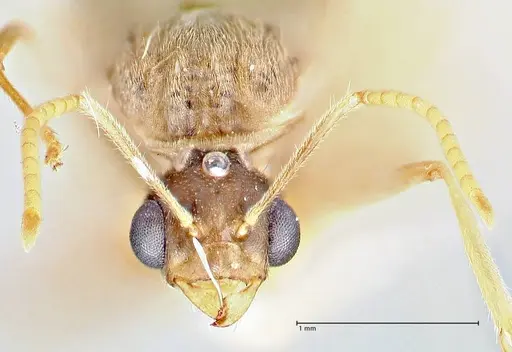
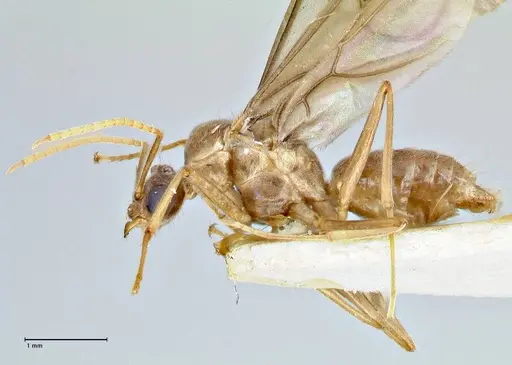
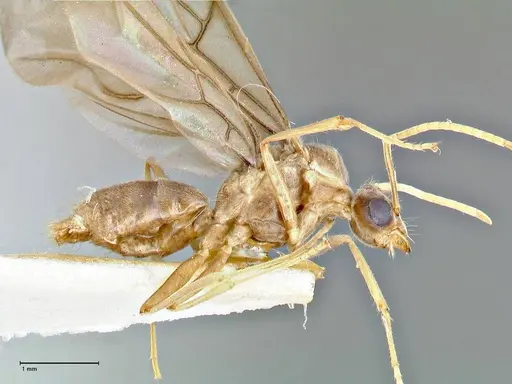
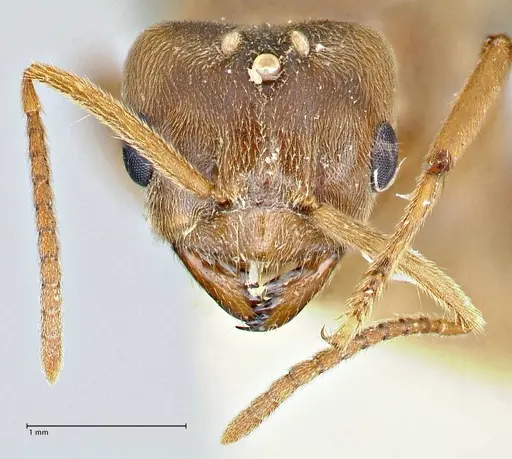
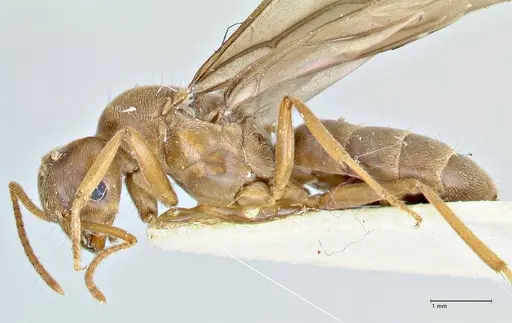
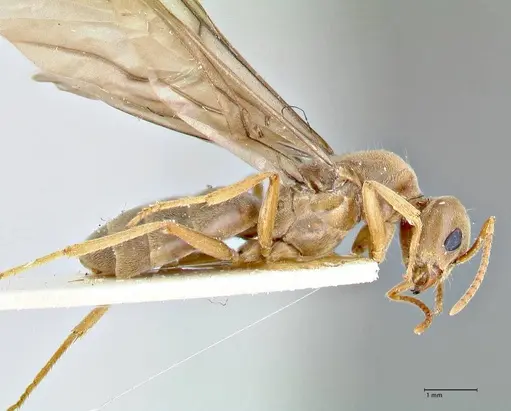
Pseudolasius hummeli is an ant species described from Sichuan, China in 1934 . It belongs to the Formicinae subfamily, tribe Lasiini . This species remains poorly documented in scientific literature, with virtually no information about its biology, colony structure, or husbandry. Antkeepers should be aware that this is not a well-established species in captivity.
Quick Summary
- Difficulty: Unknown
- Origin & Habitat: Sichuan, China. Specific habitat preferences are unconfirmed [2][1].
- Colony Type: Colony structure is unconfirmed, no documented observations of queen number or colony organization in the literature.
- Size & Growth:
- Queen: Unconfirmed, no measurements available.
- Worker: Unconfirmed, no measurements available.
- Colony: Unknown, no colony data documented.
- Growth: Unknown
- Development: Unknown, no development data available for this species. (Development timeline has not been studied. Based on related Formicinae species, an estimate of 6-10 weeks is possible but highly speculative.)
- Antkeeping:
- Temperature: Requirements are unconfirmed. Start with moderate room temperature (20-24°C) and observe colony response.
- Humidity: Unconfirmed. Based on the temperate climate of Sichuan, moderate humidity is likely suitable, but no specific data exists.
- Diapause: Unknown, no documented seasonal behavior.
- Nesting: Nesting preferences are unconfirmed. Based on Lasiini tribe patterns, they may nest in soil or under stones, but this is speculative.
- Behavior: Behavior not documented in scientific literature. Escape prevention should be standard, especially since the species is likely small. No documented aggression levels, foraging behavior, or sting potency.
- Common Issues: extremely limited species-specific information makes reliable care difficult., no documented captive colonies means no established husbandry guidelines., wild-caught colonies may have unknown parasites or diseases., temperature and humidity requirements are estimates only., colony may fail without clear cause due to unknown needs.
Species Status and Documentation
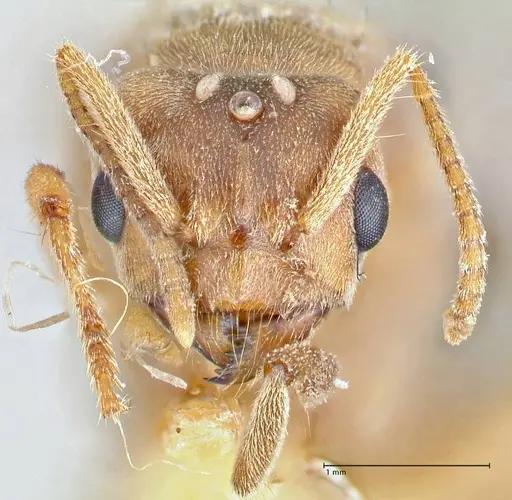
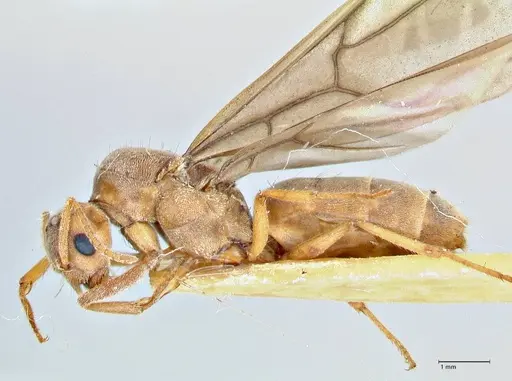
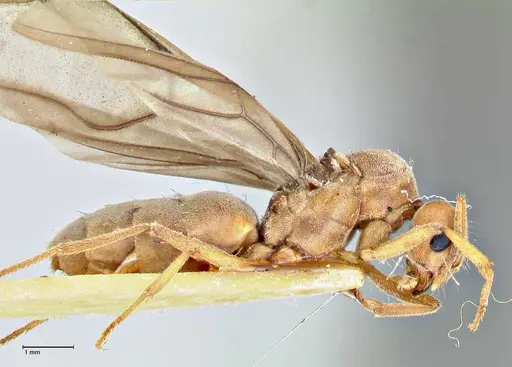
Pseudolasius hummeli was described by Stitz in 1934 [1] based on specimens collected from Sichuan, China [2][1]. The original description was based on queen and male specimens [1]. Since then, the species has been noted in Chinese ant checklists, but it remains poorly documented in scientific literature. The taxonomic status has been described as 'remaining to be confirmed' [2], indicating that additional specimens and study are needed. This lack of documentation means virtually no peer-reviewed information exists about this species' biology, behavior, or colony structure.
Taxonomic Context
Pseudolasius belongs to the Formicinae subfamily, specifically the Lasiini tribe [1]. Members of this tribe share characteristics such as eleven-segmented antennae and a single petiole, but species-specific data for Pseudolasius hummeli are lacking.
Geographic Distribution
The confirmed distribution of Pseudolasius hummeli is limited to Sichuan province in China [2][1]. Sichuan is a large province in southwestern China with diverse geography, ranging from mountainous regions to plains, and a temperate to subtropical climate with distinct seasons. Specific microhabitat preferences within this region have not been documented.
Keeping Considerations
This species is not recommended for antkeepers seeking established, well-documented species. The complete lack of captive husbandry information means keepers would be pioneering care methods through trial and observation. If attempting to keep this species, start with standard Formicinae care: test tube setups for founding, moderate temperatures (20-24°C), and standard ant foods (sugar water, small insects). Document your observations carefully, as any captive colony information would be valuable for advancing knowledge of this species. The difficulty rating remains Unknown because no successful captive colonies have been documented.
Frequently Asked Questions
How do I care for Pseudolasius hummeli ants?
Care requirements are unconfirmed as this species has no documented captive history. Start with standard Formicinae parameters: test tube setup for founding, room temperature (20-24°C), and offer sugar water and small protein sources. Document all observations carefully since any captive data would be new scientific information.
What do Pseudolasius hummeli ants eat?
Diet is unconfirmed for this species. Based on its placement in Formicinae, it likely accepts sugar sources (honey, sugar water) and protein (insects). Start with these standard foods and observe acceptance.
How big do Pseudolasius hummeli colonies get?
Colony size is unknown, no colony data has been documented in scientific literature.
What temperature do Pseudolasius hummeli ants need?
Temperature requirements are unconfirmed. Sichuan province has a temperate climate, so moderate temperatures (20-24°C) are a reasonable starting point. Observe colony activity and adjust as needed.
Are Pseudolasius hummeli good for beginners?
This species is not recommended for beginners due to the complete lack of documented care information. Beginners should choose species with established care guidelines. This species is suitable only for experienced antkeepers interested in documenting new species behavior.
How long does it take for Pseudolasius hummeli to develop from egg to worker?
Development timeline is unconfirmed, no research has studied this species' development. Related Formicinae species typically take 6-10 weeks, but this is a rough estimate with low confidence for this specific species.
Can I keep multiple Pseudolasius hummeli queens together?
Colony structure is unconfirmed. No information exists about whether this species is single-queen (monogyne) or multi-queen (polygyne). Combining unrelated queens is not recommended without any documented evidence of colony structure.
Do Pseudolasius hummeli ants need hibernation?
Diapause requirements are unknown. Sichuan experiences cold winters, so the species likely has some seasonal dormancy capacity, but specific hibernation parameters have not been documented.
Where does Pseudolasius hummeli nest?
Nesting preferences are unconfirmed. Based on Lasiini tribe patterns, they likely nest in soil or under stones, but no specific observations have been recorded.
Report an Issue
The current care sheet is based fully on literature. See inconsistencies, or something that's incorrect? Please , it will be resolved after review from an admin. Contributing to the blogs tab also helps providing information, to make us be able to further improve the caresheets. Thank you for your support!
References

Dit verzorgingsblad is gelicentieerd onder CC BY-SA 4.0 .
Community-blogs
FOCOL2706
Bekijk op AntWeb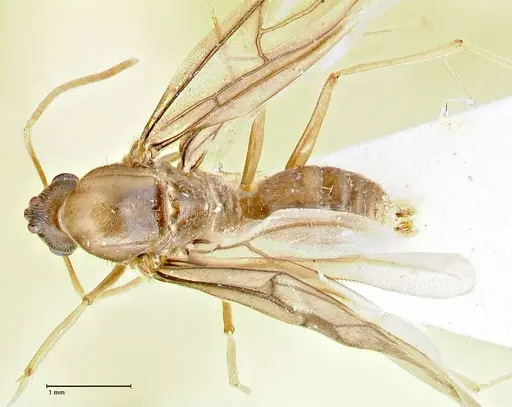
FOCOL2707
Bekijk op AntWeb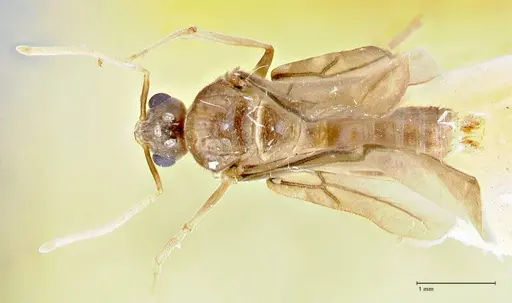
FOCOL2708
Bekijk op AntWeb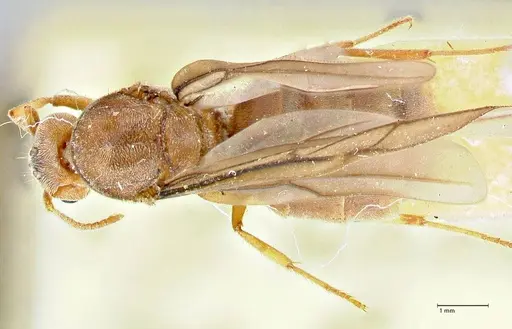
FOCOL2709
Bekijk op AntWeb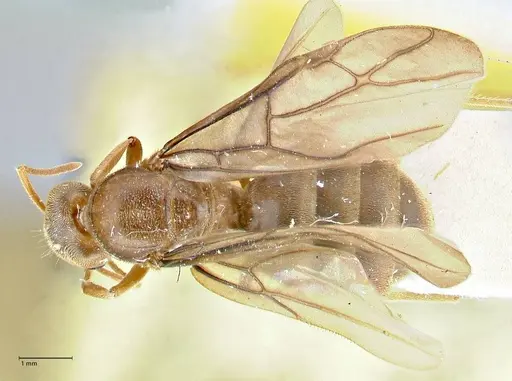
Literatuur
Verspreidingskaart laden...Producten laden...