
Polyrhachis yerburyi
- Wetenschappelijke naam
- Polyrhachis yerburyi
- Subgenus
- Myrma
- Tribus
- Camponotini
- Subfamilie
- Formicinae
- Auteur
- Forel, 1893
- Verspreiding
- Gevonden in 0 landen
Introductie
Polyrhachis yerburyi is a spiny ant species endemic to Sri Lanka, first described by Forel in 1893 . Workers and queens have spines on their mesosoma, characteristic of the Polyrhachis genus. Size data is unavailable, as no total length measurements are documented . The species is restricted to Sri Lanka, inhabiting wet lowland forests . This species is poorly studied, with little known about its biology or colony structure. Basic care must be inferred from related Polyrhachis species.
Quick Summary
- Difficulty: Medium
- Origin & Habitat: Endemic to Sri Lanka, found in wet lowland forest areas [2].
- Colony Type: Colony structure is unconfirmed, no specific data on queen number or social structure.
- Size & Growth:
- Queen: Size unknown, inferred from Polyrhachis genus (~8-10 mm)
- Worker: Size unknown, inferred from Polyrhachis genus (~5-7 mm)
- Colony: Up to several hundred workers
- Growth: Moderate, inferred from tropical ant development
- Development: Estimated 6-8 weeks at 25-28°C (Development time is estimated from genus-level data since species-specific research does not exist)
- Antkeeping:
- Temperature: Keep at 24-28°C, a gentle gradient is ideal
- Humidity: High humidity required, keep nest substrate consistently moist but not waterlogged [2]
- Diapause: No, tropical species from Sri Lanka does not require hibernation
- Nesting: Prefer arboreal or semi-arboreal setups, use Y-tong, plaster, or naturalistic nests with bark pieces
- Behavior: Calm temperament, workers are active foragers likely using chemical trails. Escape risk is moderate due to size, use standard barriers. Defense involves formic acid spray, as typical for Formicinae.
- Common Issues: temperatures below 22°C can slow colony growth or cause sluggishness, dry conditions may stress the colony and lead to decline, inadequate protein or sugar in diet can prevent development, poor ventilation in nests may cause mold growth
Housing and Nest Setup
Polyrhachis yerburyi likely prefers arboreal or semi-arboreal nesting sites. Use a Y-tong, plaster nest, or naturalistic setup with bark pieces and twigs [2]. Keep the nest humid with good ventilation to prevent mold. The outworld should include a water tube and feeding station. Avoid cold drafts or air conditioning [2].
Feeding and Diet
This species is likely omnivorous, feeding on honeydew and small invertebrates. Offer sugar water or honey regularly, and protein sources like fruit flies or pinhead crickets. Feed every 2-3 days, removing uneaten prey after 24 hours. Fresh water should always be available.
Temperature and Humidity
As a tropical species, keep temperatures between 24-28°C. A heating cable on one side of the nest creates a gradient. Humidity should be high, keep nest substrate moist but not waterlogged [2]. Dry conditions can stress the colony.
Colony Development
Exact development times are unknown. Based on related Polyrhachis species, expect 6-8 weeks from egg to first worker at tropical temperatures. Growth is moderate, colonies may take months to reach 50 workers and years for hundreds. Maintain consistent care conditions.
Behavior and Temperament
Workers have a calm temperament and are active foragers. They use chemical trails to recruit nestmates. Defense involves formic acid spray, as typical for Formicinae. They are not aggressive toward humans but will defend the nest if threatened.
Frequently Asked Questions
How long does it take for Polyrhachis yerburyi to produce first workers?
Estimated 6-8 weeks from egg to worker at 25-28°C, based on related Polyrhachis species.
What temperature do Polyrhachis yerburyi ants need?
Keep them at 24-28°C with a gentle gradient.
Do Polyrhachis yerburyi ants need hibernation?
No, as a tropical species from Sri Lanka, they do not require diapause.
What do Polyrhachis yerburyi ants eat?
They are omnivorous, offer sugar water, honey, and small insects for protein.
Are Polyrhachis yerburyi good for beginners?
Rated Medium difficulty due to warmth and humidity needs, better for keepers with tropical ant experience.
How big do Polyrhachis yerburyi colonies get?
Colony size is not documented, but estimated up to several hundred workers based on genus patterns.
Can I keep multiple Polyrhachis yerburyi queens together?
Colony structure is unconfirmed, likely single-queen colonies based on genus patterns. Do not combine unrelated queens.
What humidity level do Polyrhachis yerburyi need?
High humidity, keep nest substrate moist but not waterlogged [2].
Where is Polyrhachis yerburyi found in the wild?
Endemic to Sri Lanka, specifically in wet lowland forests [1][2].
When will Polyrhachis yerburyi alates (reproductives) appear?
Nuptial flight timing is unknown for this species.
Why is my Polyrhachis yerburyi colony not growing?
Check temperature (24-28°C), humidity, and diet. Inadequate conditions can slow growth.
Report an Issue
The current care sheet is based fully on literature. See inconsistencies, or something that's incorrect? Please , it will be resolved after review from an admin. Contributing to the blogs tab also helps providing information, to make us be able to further improve the caresheets. Thank you for your support!
References

Dit verzorgingsblad is gelicentieerd onder CC BY-SA 4.0 .
Community-blogs
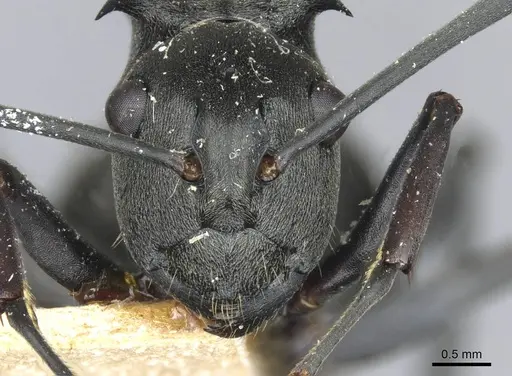
CASENT0906812
Bekijk op AntWeb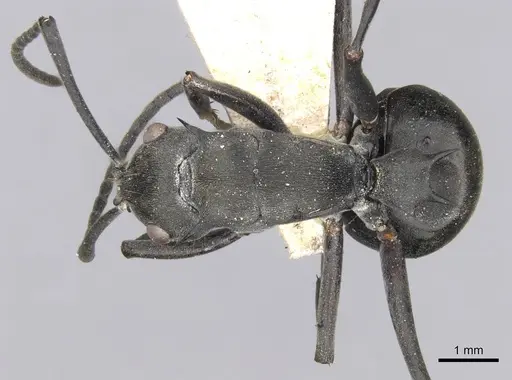
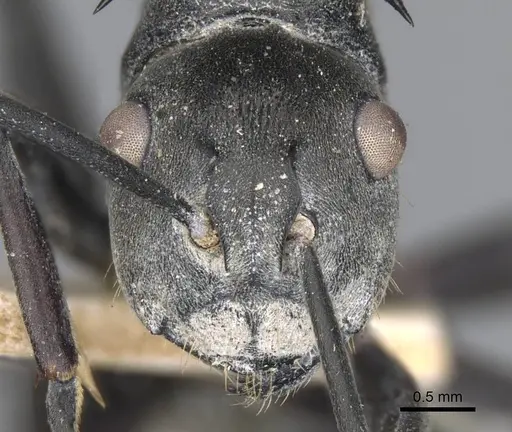
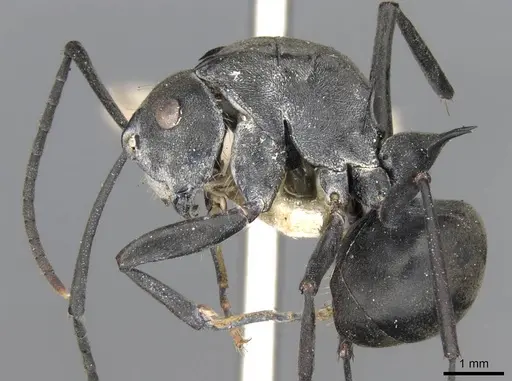
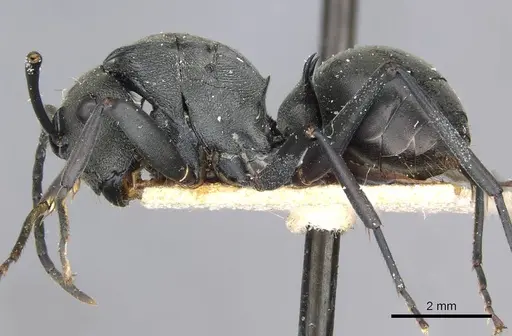
CASENT0910933
Bekijk op AntWeb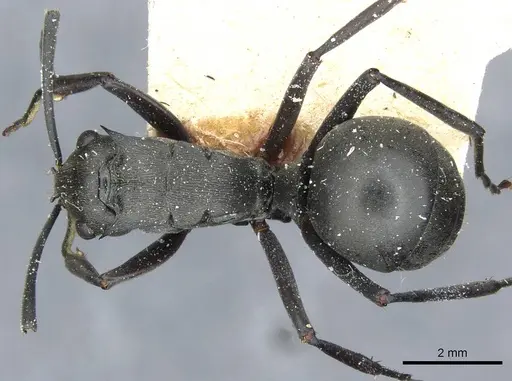
Literatuur
Verspreidingskaart laden...Producten laden...