
Polyrhachis wroughtonii
- Wetenschappelijke naam
- Polyrhachis wroughtonii
- Subgenus
- Myrmhopla
- Tribus
- Camponotini
- Subfamilie
- Formicinae
- Auteur
- Forel, 1894
- Verspreiding
- Gevonden in 1 landen
Introductie
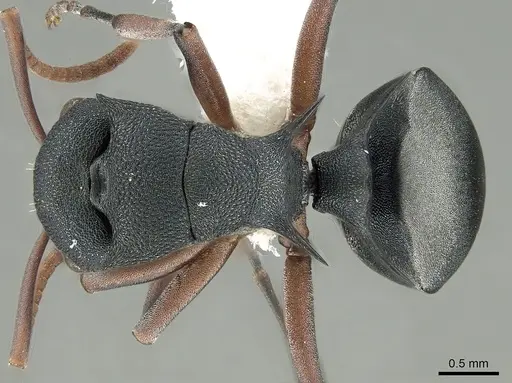
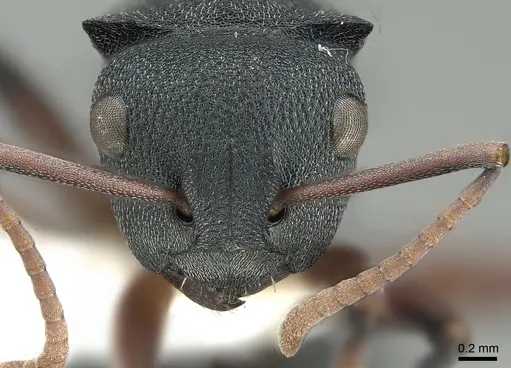
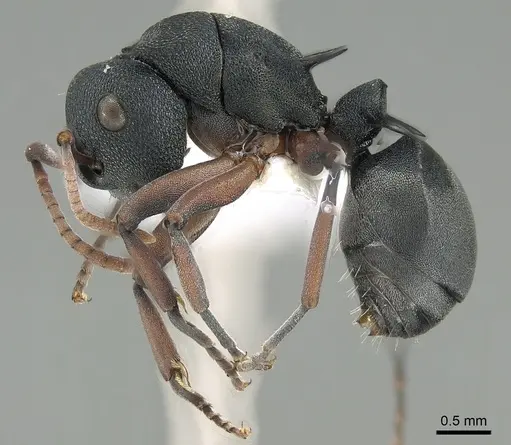
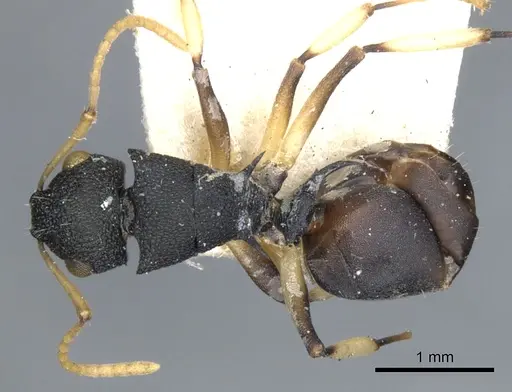
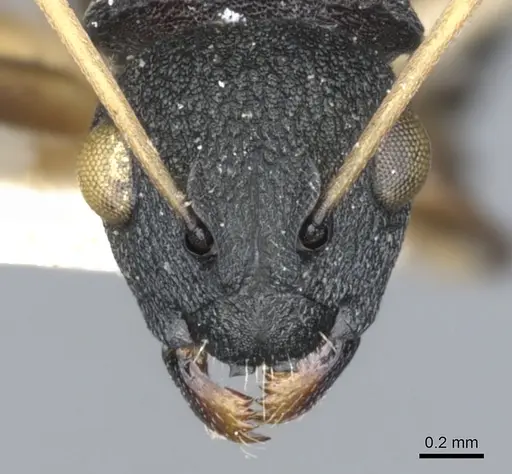
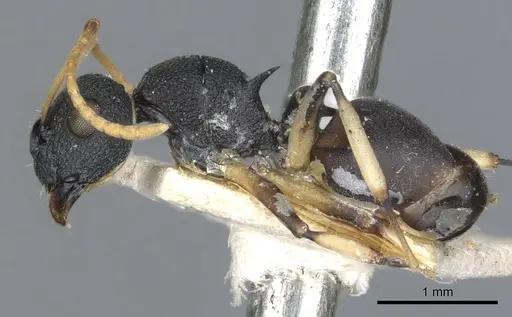
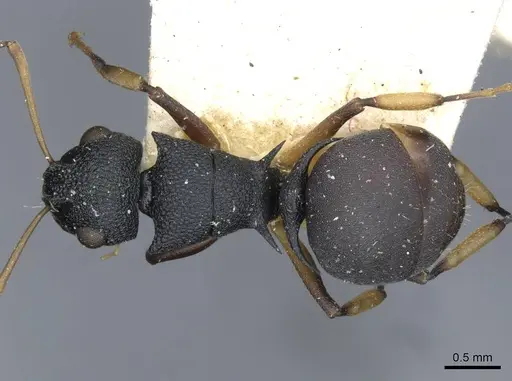
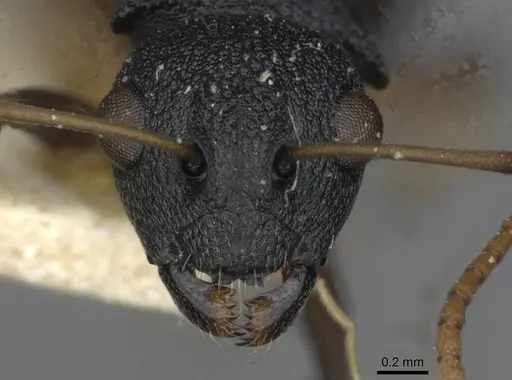
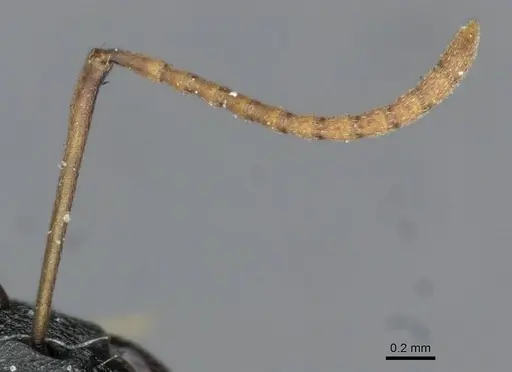
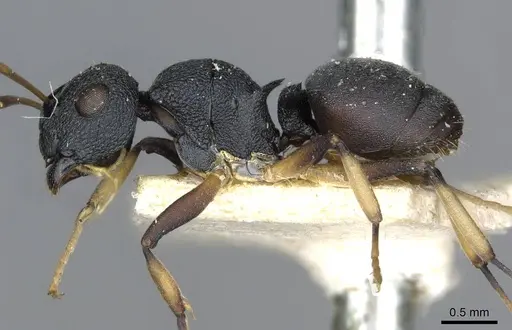
Polyrhachis wroughtonii is a small ant native to India and Sri Lanka. Workers have a black body with yellow to light reddish-brown appendages, measuring 4.54-4.99 mm in total length . It belongs to the Polyrhachis cryptoceroides species-group, distinguished by rounded mesosoma sides and absence of a metanotal groove . This species is rare, collected only on few occasions . As a Formicinae, it lacks a stinger but defends by biting and spraying formic acid. This species is notable for its distinct bicolored pattern and rarity in the wild.
Quick Summary
- Difficulty: Medium
- Origin & Habitat: Native to India and Sri Lanka, with records from Arunachal Pradesh, Meghalaya, and Sikkim [2][3]. Found in tropical climates.
- Colony Type: Unconfirmed, likely monogyne based on Polyrhachis genus patterns
- Size & Growth:
- Queen: Size data unavailable, inferred from Polyrhachis genus (~6-8 mm)
- Worker: 4.54-4.99 mm [1]
- Colony: Unknown, no data available
- Growth: Moderate, estimated based on typical Formicinae development
- Development: Estimated 6-8 weeks at optimal temperature based on genus patterns (Development time inferred from related species, actual timing unconfirmed)
- Antkeeping:
- Temperature: Temperature needs are unclear, keep warm around 24-28°C based on tropical origin.
- Humidity: Keep nest substrate consistently moist but not waterlogged.
- Diapause: No diapause required based on tropical origin.
- Nesting: Prefers nests with vertical space, such as Y-tong or plaster nests, based on genus patterns.
- Behavior: Based on Polyrhachis patterns, workers are generally calm and active foragers. They can bite and spray formic acid for defense.
- Common Issues: small size increases escape risk, ensure barriers are fine enough., humidity management is critical to prevent mold or desiccation., rare species may have limited genetic diversity if wild-caught., colony growth may be slow due to lack of data on optimal conditions.
Housing and Nest Setup
Use a standard formicarium with Y-tong or plaster nests. Given their small size, ensure connections between nest and outworld are narrow to prevent escapes. For founding colonies, a test tube setup is suitable until the colony grows.
Feeding and Diet
Polyrhachis species are omnivorous. Offer sugar water or honey constantly for energy, and provide protein like small insects (e.g., fruit flies) 2-3 times per week.
Temperature and Heating
Maintain temperatures between 24-28°C based on tropical origin. Use a gentle gradient with heating on one side of the nest to allow self-regulation.
Humidity and Water
Keep humidity moderate to high with moist substrate but ensure good ventilation to prevent mold. Provide a water source in the outworld.
Colony Founding
Founding behavior is unconfirmed for this species. Do not disturb the queen during the founding period.
Behavior and Temperament
Workers are calm and active foragers. They defend by biting and spraying formic acid, as typical for Formicinae.
Frequently Asked Questions
How long does it take for Polyrhachis wroughtonii to produce first workers?
Estimated 6-8 weeks at optimal temperature based on genus patterns, but actual timing is unconfirmed for this species.
What do Polyrhachis wroughtonii ants eat?
They are omnivorous. Offer sugar water or honey constantly, and protein sources like small insects 2-3 times per week.
What temperature do Polyrhachis wroughtonii need?
Keep them warm around 24-28°C based on tropical origin. Temperature needs are unclear, so observe and adjust.
Are Polyrhachis wroughtonii good for beginners?
This species is rated as Medium difficulty due to rarity and specific care needs, making it better for keepers with some experience.
How big do Polyrhachis wroughtonii colonies get?
Colony size is unknown, no data is available for this rare species.
Can I keep multiple Polyrhachis wroughtonii queens together?
Colony structure is unconfirmed. Based on genus patterns, they likely form single-queen colonies, so combining queens is not recommended without evidence.
Do Polyrhachis wroughtonii need hibernation?
No diapause is required based on tropical origin. A slight cooling period may be beneficial but is not necessary.
Why is my Polyrhachis wroughtonii colony dying?
Common causes include improper temperature, humidity issues, mold, or poor nutrition. Review conditions and adjust gradually.
When should I move my colony to a formicarium?
Move from a test tube setup once the colony has several workers and the water tube is low. Transition gradually by connecting the tube to the formicarium.
Report an Issue
The current care sheet is based fully on literature. See inconsistencies, or something that's incorrect? Please , it will be resolved after review from an admin. Contributing to the blogs tab also helps providing information, to make us be able to further improve the caresheets. Thank you for your support!
References

Dit verzorgingsblad is gelicentieerd onder CC BY-SA 4.0 .
Community-blogs
Literatuur
Verspreidingskaart laden...Producten laden...