
Polyrhachis vindex
- Wetenschappelijke naam
- Polyrhachis vindex
- Subgenus
- Myrma
- Tribus
- Camponotini
- Subfamilie
- Formicinae
- Auteur
- Smith, 1857
- Verspreiding
- Gevonden in 1 landen
Introductie
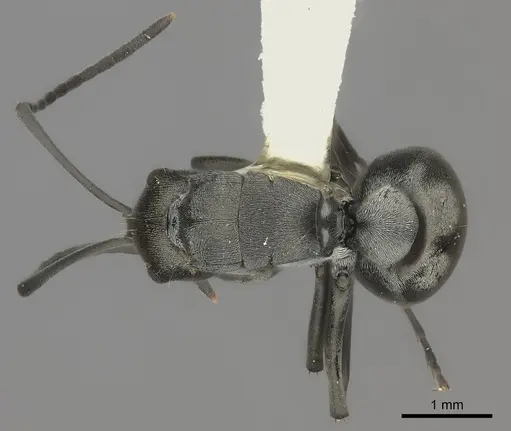
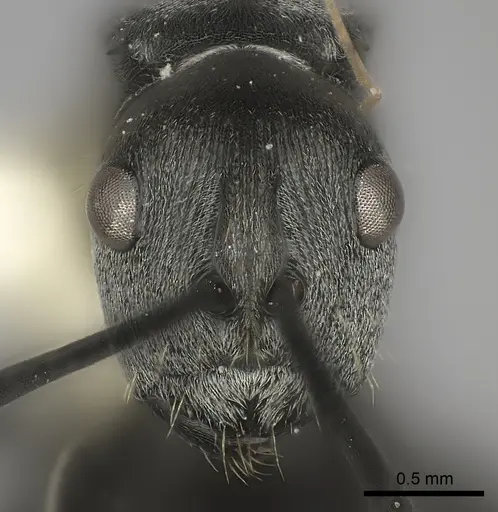
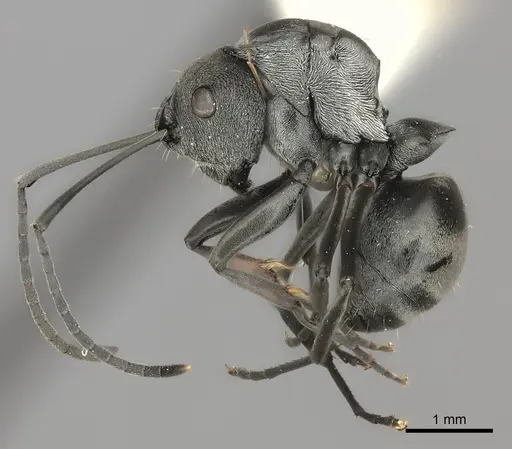
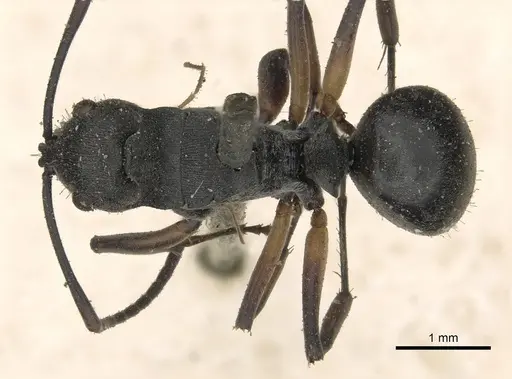
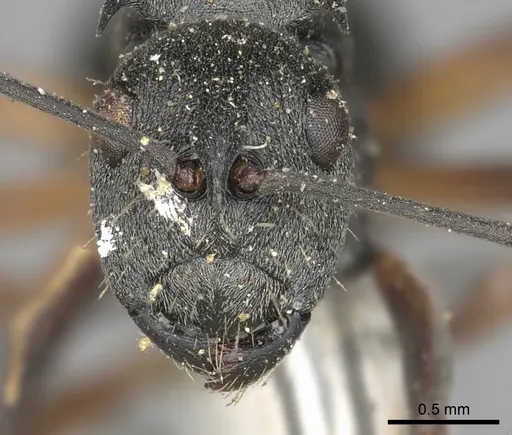
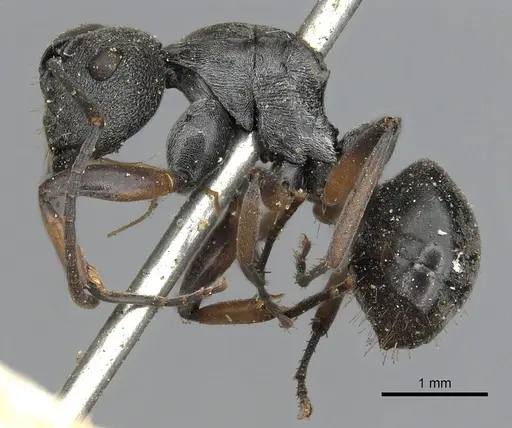
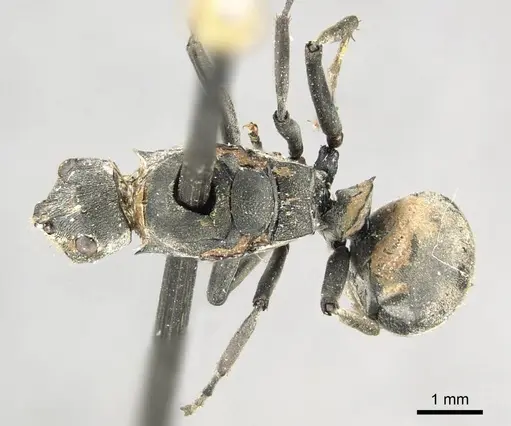
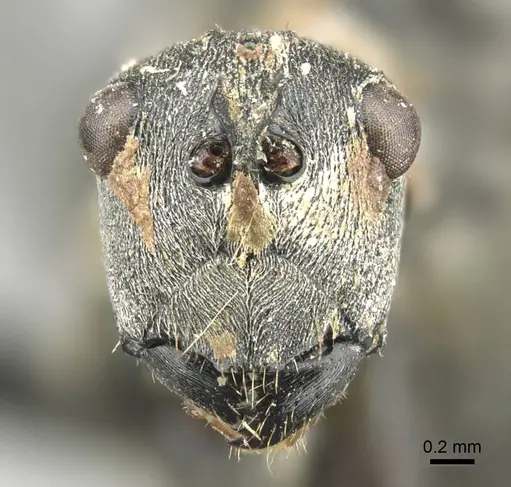
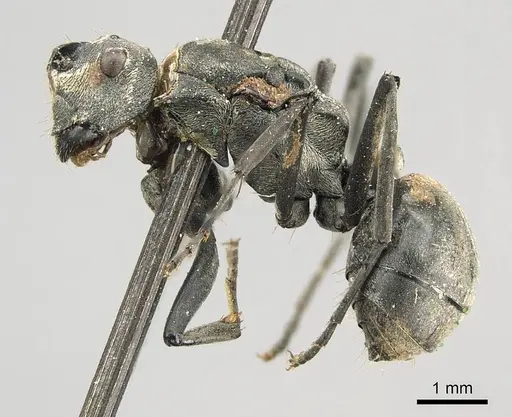
Polyrhachis vindex is a spiny ant native to Southeast Asia, found in Borneo, Indonesia, Malaysia, the Philippines, and Singapore . Workers have distinctive pronotal spines that are roughly twice as long as their basal width . The species belongs to the subgenus Myrma and is lignicolous, nesting in rotting wood . This species has cocooned pupae, which is typical for Polyrhachis ants .
Quick Summary
- Difficulty: Medium
- Origin & Habitat: Tropical Southeast Asia, found in Borneo, Indonesia, Malaysia, the Philippines, and Singapore in undisturbed forest environments, nesting in rotting wood [2][6].
- Colony Type: Likely single-queen (monogyne) colonies based on typical Polyrhachis patterns, but unconfirmed from direct literature.
- Size & Growth:
- Queen: Size data unavailable, no total length measurements in literature. Inferred from Polyrhachis genus patterns as approximately 8-10 mm.
- Worker: Approximately 4-5 mm, based on historical measurement of 2+ lines [8].
- Colony: Up to several hundred workers in mature colonies.
- Growth: Moderate
- Development: Estimated 6-8 weeks at tropical temperatures, based on related Polyrhachis species [6]. (Development is typical for tropical Formicinae, warmer temperatures accelerate growth.)
- Antkeeping:
- Temperature: Keep warm, roughly 24-28°C, based on tropical species patterns. No specific literature data, so observe colony activity.
- Humidity: Keep nest substrate consistently moist but not waterlogged, based on forest habitat [2].
- Diapause: No, tropical species do not require hibernation.
- Nesting: Lignicolous species, prefer Y-tong, plaster, or naturalistic setups with rotting wood [6][7].
- Behavior: Generally peaceful. Workers are active foragers. Defense mechanism: spray formic acid, typical for Formicinae. Escape risk moderate due to size, use standard barriers.
- Common Issues: Wood-nesting requirements mean test tube setups are not ideal, provide appropriate nesting material [6]., High humidity needs can lead to mold if ventilation is poor., Warm temperature requirements may need heating in cooler climates., Growth is moderate, avoid overfeeding small colonies.
Nest Preferences and Housing
Polyrhachis vindex is a lignicolous species, meaning it nests in rotting wood in nature [6][7]. For captive housing, use Y-tong (AAC) nests, plaster nests, or naturalistic setups with wood pieces. Keep nesting material consistently moist but not soaking wet. Provide something the ants can chew and tunnel into, mimicking their natural habitat.
Feeding and Diet
Polyrhachis vindex is an omnivore. Offer sugar sources like honey or diluted syrup, and protein such as small insects. Feed protein 2-3 times per week, and keep sugar available at all times. Remove uneaten prey to prevent mold.
Temperature and Heating
Keep the nest area warm, roughly 24-28°C, based on tropical species patterns. Use a heating cable on one side to create a gradient, allowing ants to regulate temperature. Monitor with a thermometer.
Humidity Management
Keep nest substrate consistently moist but not waterlogged, based on forest habitat [2]. Good ventilation helps prevent mold while maintaining humidity.
Colony Development and Growth
Colony growth is moderate. First workers emerge in approximately 6-8 weeks at optimal temperatures [6]. Polyrhachis species have cocooned pupae, making development stages observable [6].
Behavior and Temperament
Polyrhachis vindex is generally peaceful. Workers are active foragers. Defense involves spraying formic acid, typical for Formicinae. Escape risk is moderate, use standard barriers like Fluon.
Frequently Asked Questions
Can I keep Polyrhachis vindex in a test tube?
No, test tubes are not ideal. This species is lignicolous and does better in wood-based nests [6].
What temperature do Polyrhachis vindex ants need?
Keep them warm, roughly 24-28°C, based on tropical patterns. No specific literature data, so observe colony activity.
How long does it take for first workers to emerge?
Expect first workers in approximately 6-8 weeks at optimal temperatures [6].
Do Polyrhachis vindex ants need hibernation?
No, they do not require hibernation as a tropical species.
What do Polyrhachis vindex ants eat?
They are omnivores. Offer sugar sources and protein like small insects.
Are Polyrhachis vindex ants aggressive?
No, they are generally peaceful. Defense is via formic acid spray.
How big do Polyrhachis vindex colonies get?
Mature colonies reach up to several hundred workers.
What humidity level do Polyrhachis vindex ants need?
Keep nest substrate moist but not waterlogged, based on forest habitat [2].
When should I move my colony to a formicarium?
Move them when the colony has around 20-30 workers and needs more space. Provide wood-nesting material from the start.
Do Polyrhachis vindex ants have cocoons?
Yes, they have cocooned pupae, typical for Polyrhachis [6].
Report an Issue
The current care sheet is based fully on literature. See inconsistencies, or something that's incorrect? Please , it will be resolved after review from an admin. Contributing to the blogs tab also helps providing information, to make us be able to further improve the caresheets. Thank you for your support!
References

Dit verzorgingsblad is gelicentieerd onder CC BY-SA 4.0 .
Community-blogs
Literatuur
Verspreidingskaart laden...Producten laden...