
Polyrhachis vestita
- Wetenschappelijke naam
- Polyrhachis vestita
- Subgenus
- Myrma
- Tribus
- Camponotini
- Subfamilie
- Formicinae
- Auteur
- Smith, 1860
- Verspreiding
- Gevonden in 1 landen
Introductie
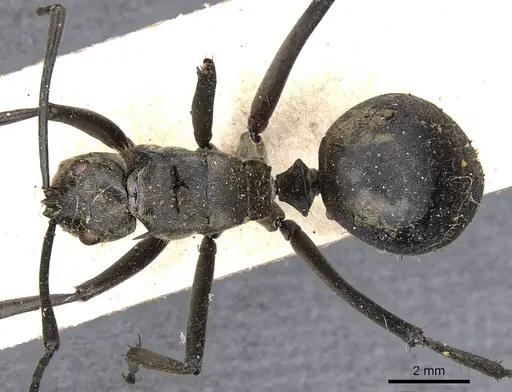
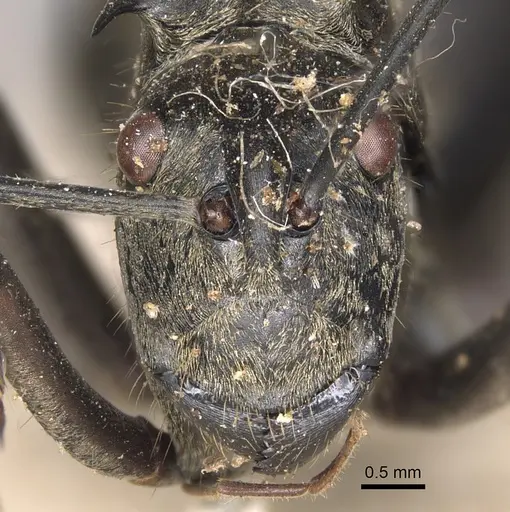
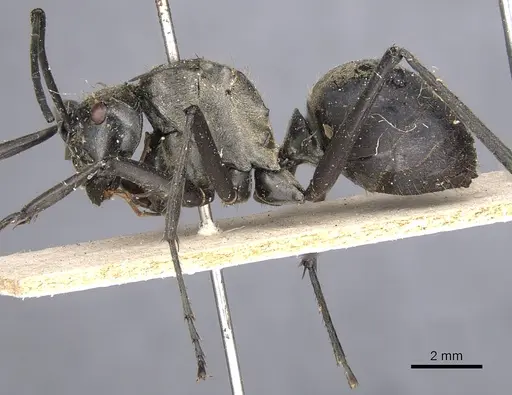
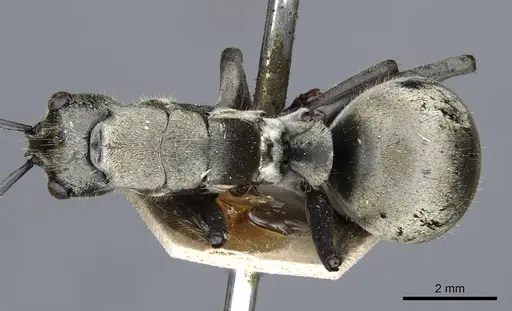
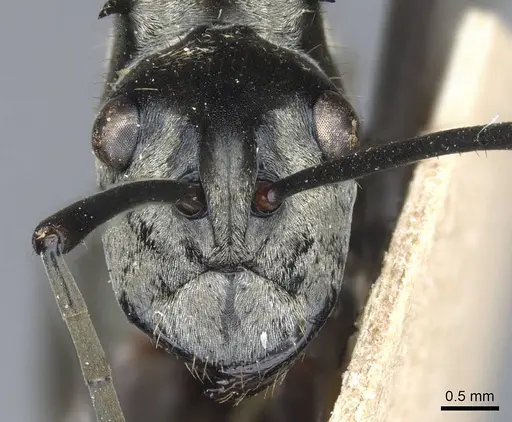
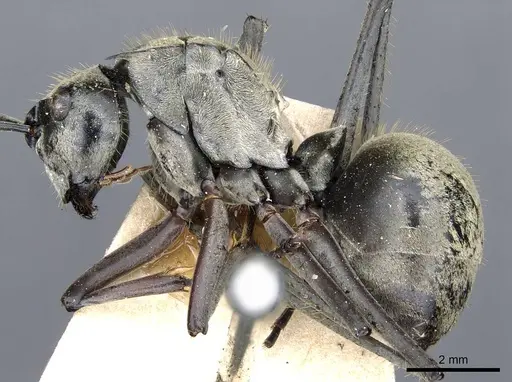
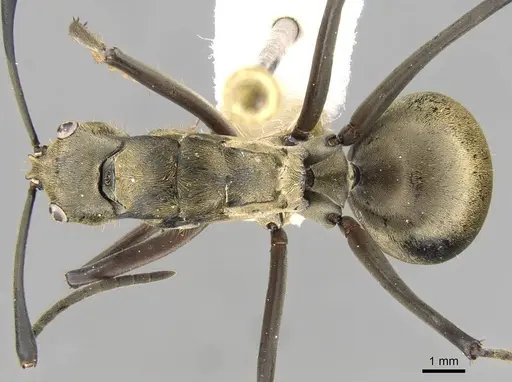
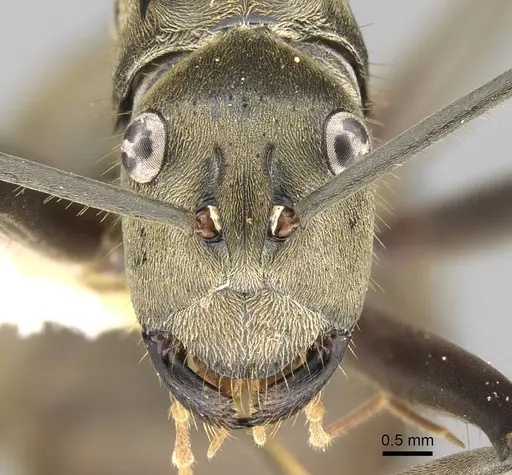
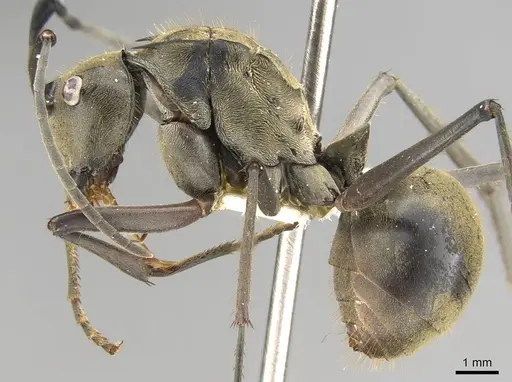
Polyrhachis vestita is a medium to large ant species belonging to the Formicinae subfamily, native to the island of Sulawesi in Indonesia . These ants belong to the vestita species-group within the subgenus Myrma, and they're known for their distinctive appearance featuring rich golden to pale yellow body pubescence that gives them a somewhat fuzzy or velvety look . The petiole (the narrow waist section) is scale-like and relatively narrow with a curved dorsal margin, lacking the elongated dorsal spines seen in many other Polyrhachis species . This species is endemic to Sulawesi, meaning it's found nowhere else on Earth naturally . In the wild, they've been collected in natural forest environments at elevations around 750-800 meters, typically through fogging and malaise sampling methods . As members of the Formicinae subfamily, these ants defend themselves by spraying formic acid rather than stinging - this makes them less dangerous to handle but still capable of causing skin irritation.
Quick Summary
- Difficulty: Medium
- Origin & Habitat: Sulawesi, Indonesia (Indomalaya region), tropical rainforest environment at elevations around 750-800 meters [1][3]
- Colony Type: Unknown, colony structure has not been documented for this species
- Size & Growth:
- Queen: Unavailable, no measurements reported, species described as medium to large [1]
- Worker: Unavailable, no measurements reported, species described as medium to large [1]
- Colony: Unknown, no data available for this species
- Growth: Unknown, not documented
- Development: Unknown, no published data on development times (Development may be inferred from similar tropical Polyrhachis species, but no specific data exists for P. vestita)
- Antkeeping:
- Temperature: Inferred from tropical origin: keep warm at 24-28°C. Avoid temperatures below 22°C. Maintain stable conditions year-round.
- Humidity: Inferred from tropical rainforest habitat: high humidity needed. Keep substrate consistently moist but not waterlogged, provide good ventilation to prevent mold.
- Diapause: No, as a tropical species from Sulawesi, they are not expected to require hibernation. Maintain warm conditions year-round.
- Nesting: Y-tong (AAC) nests or plaster nests are likely suitable, as they retain humidity well. Test tubes can be used for founding. Provide dark, humid chambers.
- Behavior: Behavior not specifically documented for this species. As Formicinae, workers can spray formic acid when threatened. They are likely active foragers. Escape risk is moderate to high given their medium size, standard barriers may suffice but check for gaps.
- Common Issues: tropical species may struggle in cool or dry environments, monitor temperature and humidity closely, high humidity requirements can lead to mold growth if ventilation is poor, as a little-known species, acceptance of captive diets may vary, be prepared to experiment with food options, colony growth rates and overall size are unknown, so anticipate potential surprises in development
Housing and Nest Setup
Based on general practices for tropical ants, Polyrhachis vestita can be housed in Y-tong (AAC) nests or plaster formicariums, which help maintain the humidity they likely need. The nest should have dark chambers with access to a small outworld. Since they were collected from natural forest at 750-800m elevation [1], they may appreciate some substrate for excavation, though this is speculation. Cover the nest to simulate darkness. Specific housing preferences for this species have not been documented, so be prepared to adjust based on colony behavior.
Feeding and Diet
In their natural habitat on Sulawesi, these ants may forage for honeydew and small insects, but no specific dietary data exists. In captivity, offer a varied diet: provide sugar water or honey as a constant energy source, and protein sources like small crickets, mealworms, or other insects weekly. Some Polyrhachis species accept fruit, so you can try offering small pieces occasionally. Remove uneaten prey within 24-48 hours to prevent mold. Since this species is not well-studied in captivity, observe colony preferences and adjust accordingly.
Temperature and Humidity Requirements
As a tropical species endemic to Sulawesi, Polyrhachis vestita likely requires warm conditions year-round. Keep the nest area at 24-28°C, with a slight gradient if possible. Use a heating cable or mat on one side of the nest, but ensure there's an unheated area available. Humidity should be kept high, maintain the substrate consistently moist but not waterlogged. Mist the outworld occasionally and monitor condensation. Poor temperature or humidity management is a common issue for tropical ants, so use a thermometer and hygrometer to monitor conditions.
Behavior and Colony Care
Behavior of Polyrhachis vestita is not specifically documented. As members of Formicinae, they can spray formic acid when threatened, which may cause mild skin irritation. Foraging activity is likely similar to other Polyrhachis. Watch for signs of stress like workers clustering away from food or avoiding certain nest areas, this may indicate temperature or humidity problems. Because this species is rarely kept in captivity, stay flexible and adapt care routines as you learn about your colony's preferences.
Frequently Asked Questions
How long does it take for Polyrhachis vestita to raise their first workers?
No published data exists for this species. Development times are unknown. If you are keeping this species, note the timeline for future reference.
Can I keep Polyrhachis vestita in a test tube setup?
Test tubes can be used for founding, but since founding behavior is unconfirmed, it's unknown if a test tube is ideal. Watch for drying and upgrade to a proper formicarium once the colony shows growth.
What temperature is best for Polyrhachis vestita?
Based on their tropical origin, aim for 24-28°C. No specific studies have defined the optimum, so maintain stable warm conditions and adjust if the colony shows signs of stress.
Are Polyrhachis vestita good for beginners?
This species is rated medium difficulty due to unknown requirements. Beginners should be comfortable with monitoring humidity and temperature, and be willing to experiment since little is documented.
How big do Polyrhachis vestita colonies get?
Unknown, no data on colony size. They have been described as medium to large ants [1], but mature colony size is not documented.
Do Polyrhachis vestita need hibernation?
No, as a tropical species from Sulawesi, they are not expected to need hibernation. Keep temperatures stable year-round.
What do Polyrhachis vestita eat?
In captivity, offer a standard ant diet: sugar water or honey for energy, and protein sources like small insects. There is no specific dietary data for this species, so observe and adjust.
Why is my Polyrhachis vestita colony declining?
Check temperature (should be 24-28°C), humidity (substrate should be moist), and food availability. Lack of data means you may need to troubleshoot based on general ant care principles. Ensure the nest is dark.
When should I move my Polyrhachis vestita to a formicarium?
There is no specific guideline for this species. In general, move from a test tube to a proper nest when the test tube dries out or the colony appears cramped. Pre-humidify the new setup.
Report an Issue
The current care sheet is based fully on literature. See inconsistencies, or something that's incorrect? Please , it will be resolved after review from an admin. Contributing to the blogs tab also helps providing information, to make us be able to further improve the caresheets. Thank you for your support!
References

Dit verzorgingsblad is gelicentieerd onder CC BY-SA 4.0 .
Community-blogs
Literatuur
Verspreidingskaart laden...Producten laden...