
Polyrhachis obesior
- Wetenschappelijke naam
- Polyrhachis obesior
- Subgenus
- Myrma
- Tribus
- Camponotini
- Subfamilie
- Formicinae
- Auteur
- Viehmeyer, 1916
- Verspreiding
- Gevonden in 1 landen
Introductie
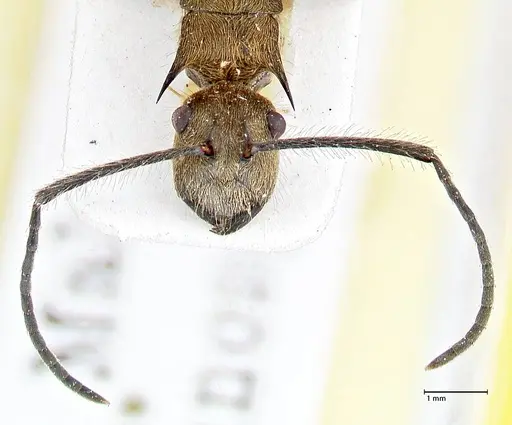
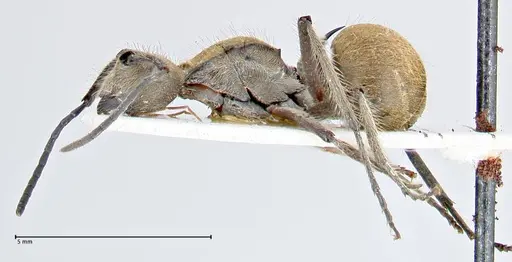
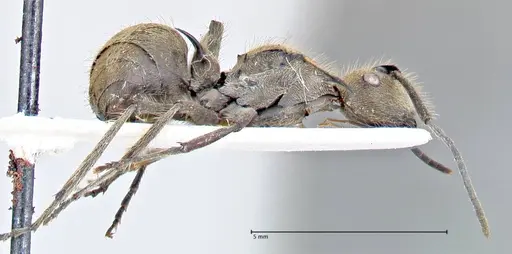
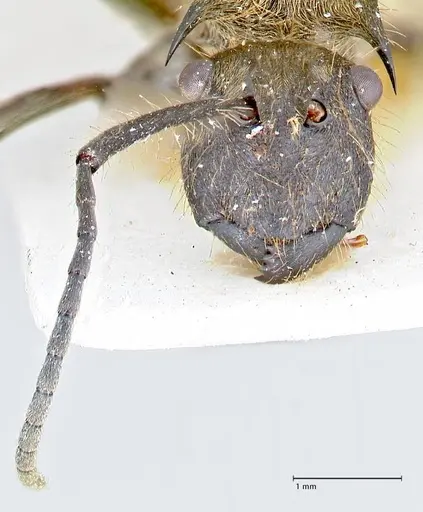
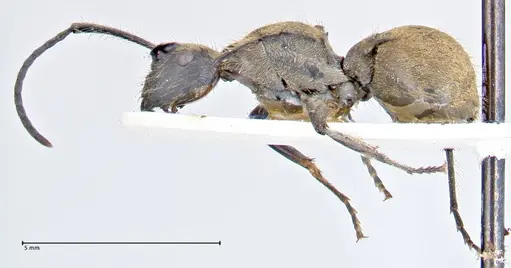
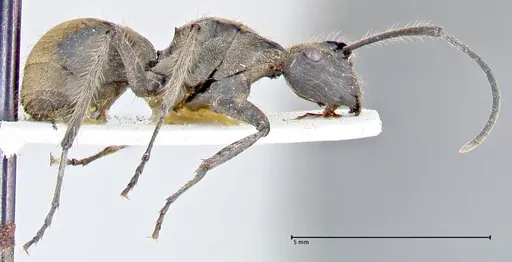
Polyrhachis obesior is a spiny ant species native to Southeast Asia, found across Borneo, Indonesia, Malaysia, the Philippines, and Singapore . Workers have distinctive spines on their thorax and petiole, characteristic of the genus Polyrhachis . Size data for this species is unavailable from the research context. The most notable feature is its petiole morphology: the ridge between the central pair of spines protrudes anteriorly, and the central spines are more widely divergent than in the similar species Polyrhachis illaudata .
Quick Summary
- Difficulty: Medium
- Origin & Habitat: Southeast Asia, Borneo, Indonesia, Malaysia, Philippines, and Singapore. Found in tropical rainforest environments [1].
- Colony Type: Colony structure is unconfirmed, but based on typical Polyrhachis patterns, likely monogyne (single queen) colonies.
- Size & Growth:
- Queen: Size data unavailable
- Worker: Size data unavailable
- Colony: Up to several hundred workers, estimated from related Polyrhachis species [1]
- Growth: Moderate
- Development: Estimated 6-10 weeks at optimal temperatures, inferred from related Formicinae species [1] (Development time is inferred, direct measurements for Polyrhachis obesior are not available.)
- Antkeeping:
- Temperature: Keep warm, roughly 25-28°C, based on tropical habitat [1]
- Humidity: Keep nest substrate consistently moist but not waterlogged, based on tropical rainforest habitat [1]
- Diapause: No, tropical species does not hibernate [1]
- Nesting: In nature, nests in rotting wood, under bark, or in soil. In captivity, use Y-tong, plaster, or naturalistic nests with moist substrate [1]
- Behavior: Workers are moderately active and will defend the nest using formic acid spray, as typical for Formicinae. They are not particularly aggressive toward humans. Escape risk is moderate due to their size.
- Common Issues: Temperatures below 20°C can kill the colony, keep warm [1], High humidity requirements mean mold can develop if ventilation is poor, Slow colony growth may frustrate beginners, Wild-caught colonies may carry parasites, Test tube setups can dry out quickly, monitor moisture
Housing and Nest Setup
Polyrhachis obesior does well in a variety of nest types. A Y-tong formicarium with narrow chambers works well for smaller colonies. For established colonies, a plaster nest or naturalistic setup with moist soil provides the humidity they need. The nest should be kept dark, these ants prefer dim conditions. An outworld area for foraging is essential. Use a test tube with a water reservoir as a humidity chamber. Escape prevention should be moderate, ensure all connections are secure. [1]
Feeding and Diet
Polyrhachis obesior is omnivorous. Offer sugar water or honey for energy, and protein sources like small insects (fruit flies, pinhead crickets, or mealworms) 2-3 times per week. Remove uneaten prey after 24 hours to prevent mold. [1]
Temperature and Seasonal Care
This is a tropical species. Keep the nest area at 25-28°C consistently. Use supplemental heating if needed. Do not hibernate, maintain warm conditions year-round. [1]
Colony Development and Growth
Colony growth is moderate. A newly mated queen will lay eggs within weeks of founding. First workers emerge in 6-10 weeks at optimal temperatures. Initial growth is slow, then accelerates with worker emergence. [1]
Behavior and Temperament
Workers are moderately active and defend the nest with formic acid spray. They are not aggressive toward humans. Workers are primarily crepuscular or nocturnal.
Frequently Asked Questions
How long does it take for Polyrhachis obesior to produce first workers?
Expect first workers in about 6-10 weeks at optimal temperatures of 25-28°C, inferred from related Formicinae species [1].
What temperature do Polyrhachis obesior need?
Keep them warm at 25-28°C, based on their tropical habitat [1].
Can I keep multiple queens together?
Not recommended. Polyrhachis are typically single-queen species, but this is unconfirmed for P. obesior.
Do Polyrhachis obesior need hibernation?
No. This is a tropical species that does not hibernate [1].
What do Polyrhachis obesior eat?
They are omnivorous. Offer sugar water or honey for energy, and protein sources like small insects 2-3 times per week [1].
How big do Polyrhachis obesior colonies get?
Up to several hundred workers, estimated from related Polyrhachis species [1].
Is Polyrhachis obesior good for beginners?
Difficulty is medium. They require warm, humid conditions year-round and have slower growth than temperate species.
When should I move them to a formicarium?
Move from a test tube setup to a proper nest when the colony reaches around 20-30 workers and the test tube becomes crowded, based on general antkeeping practice.
Why is my colony declining?
Check temperature first, they need 25-28°C. Then check humidity, too dry causes desiccation, too wet causes mold. Also ensure adequate protein and sugar.
Report an Issue
The current care sheet is based fully on literature. See inconsistencies, or something that's incorrect? Please , it will be resolved after review from an admin. Contributing to the blogs tab also helps providing information, to make us be able to further improve the caresheets. Thank you for your support!
References

Dit verzorgingsblad is gelicentieerd onder CC BY-SA 4.0 .
Community-blogs
FOCOL2631
Bekijk op AntWeb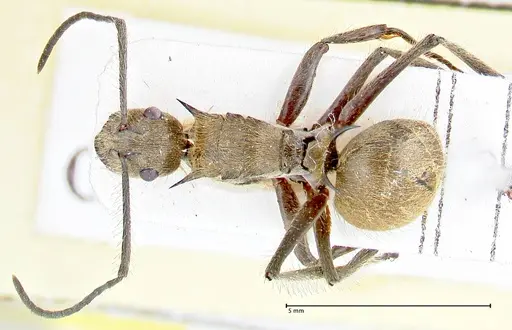
FOCOL2632
Bekijk op AntWeb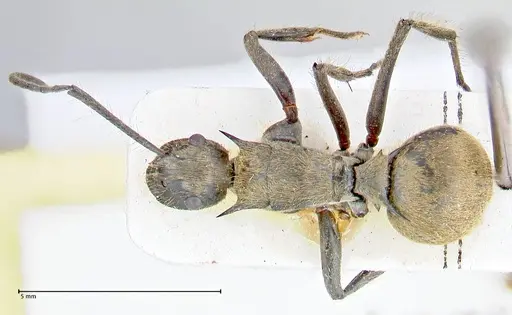
Literatuur
Verspreidingskaart laden...Producten laden...