
Polyrhachis lucidula
- Wetenschappelijke naam
- Polyrhachis lucidula
- Subgenus
- Myrmhopla
- Tribus
- Camponotini
- Subfamilie
- Formicinae
- Auteur
- Emery, 1893
- Verspreiding
- Gevonden in 0 landen
Introductie
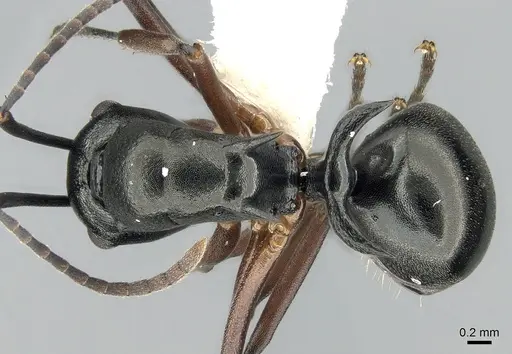
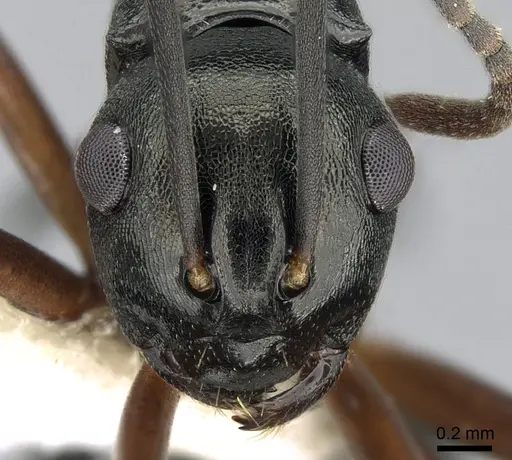
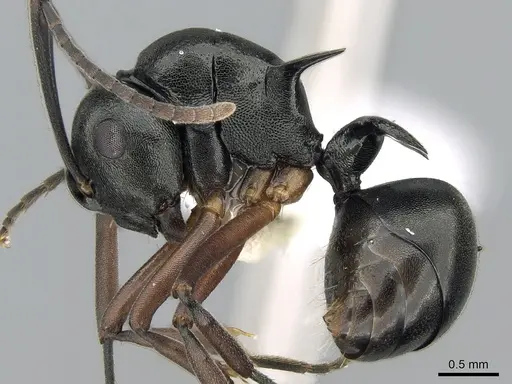
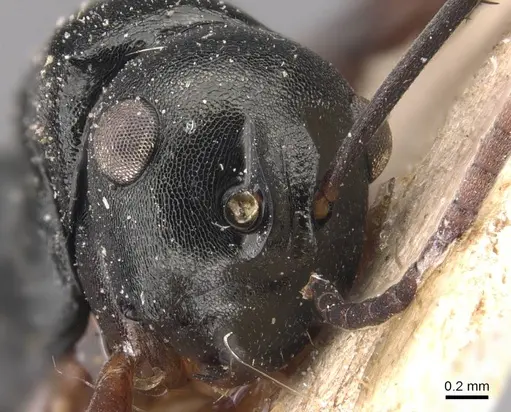
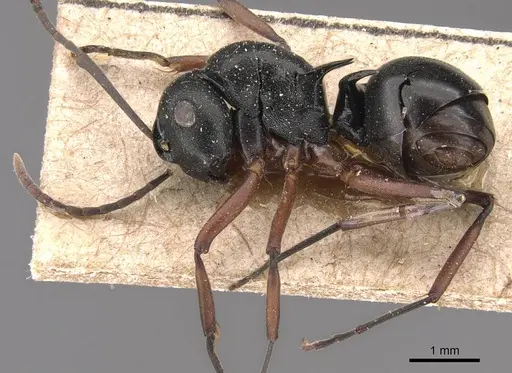
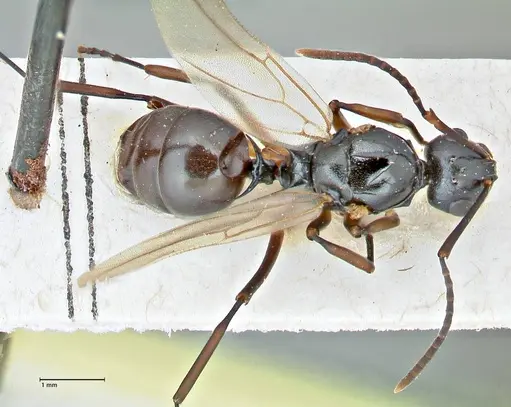
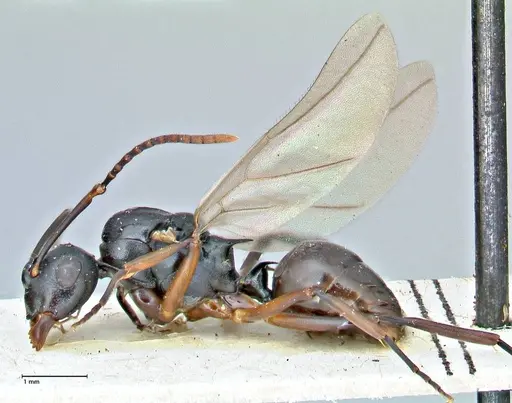
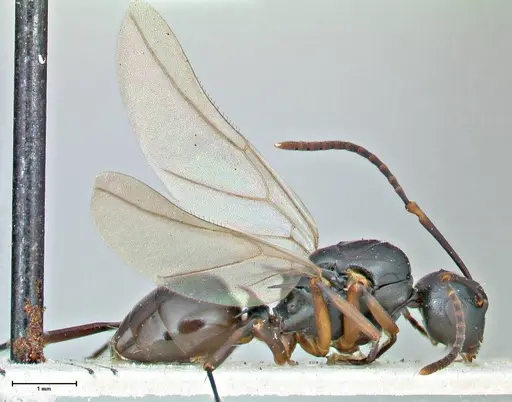
Polyrhachis lucidula is a medium-sized ant species native to Southeast Asia, found in Myanmar, Cambodia, Singapore, southern China, and Sri Lanka . Workers are dark in color with a glossy appearance and possess thoracic spines typical of the Polyrhachis genus . This species belongs to the subgenus Myrmhopla, which includes many arboreal nesting species . It is relatively understudied in captivity, making it a choice for antkeepers interested in less common species.
Quick Summary
- Difficulty: Medium
- Origin & Habitat: Southeast Asia and southern China, in tropical and subtropical forests [2][1]. Based on related species, they likely nest in vegetation, hollow stems, or under bark [2].
- Colony Type: Based on Polyrhachis patterns, likely monogyne (single queen) colonies [2].
- Size & Growth:
- Queen: Size data unavailable, inferred from Polyrhachis genus (~8-10mm)
- Worker: Size data unavailable, inferred from Polyrhachis genus (~5-7mm)
- Colony: Up to several hundred workers, estimated from related species [2]
- Growth: Moderate, inferred from similar Formicinae
- Development: Estimated 6-10 weeks at optimal temperature, inferred from genus patterns [2] (Development time may vary with temperature, direct data unavailable.)
- Antkeeping:
- Temperature: Keep warm at 24-28°C, based on tropical distribution [2]
- Humidity: Keep substrate consistently moist but not waterlogged, based on Southeast Asian habitat [2]
- Diapause: No true diapause likely, based on tropical distribution [2]
- Nesting: Prefer Y-tong or naturalistic setups with bark, based on subgenus Myrmhopla patterns [2]
- Behavior: Generally calm temperament, Polyrhachis ants are not typically aggressive [2]. Workers are moderately active and forage for protein and sugar sources. Escape risk is moderate due to size, ensure lids fit securely. Defense mechanism: spray formic acid, general Formicinae trait.
- Common Issues: limited availability, this species is rarely available in the antkeeping hobby., specific nesting preferences are unknown, may take time to establish in captivity., growth rate is slow compared to faster-growing genera like Lasius or Camponotus., humidity control is important, too dry and colonies may fail to thrive., limited published care information means keepers may need to experiment.
Nest Preferences and Housing
Polyrhachis lucidula belongs to the subgenus Myrmhopla, which contains species that nest in vegetation, hollow stems, or under bark [2]. For captivity, Y-tong nests work well, providing dark, enclosed chambers. Naturalistic setups with bark or cork can simulate their arboreal nature. Test tubes can work for founding colonies but may need modification for darker conditions. Avoid very dry nests, these ants come from humid forests [2].
Feeding and Diet
Like most Polyrhachis species, P. lucidula likely accepts a varied diet. Offer protein sources such as small insects, and provide sugar water or honey regularly. They may tend aphids for honeydew. Feed protein 2-3 times per week for established colonies, and keep sugar water available at all times. Remove uneaten prey after 24-48 hours to prevent mold.
Temperature and Heating
Being a Southeast Asian species, P. lucidula needs warm conditions. Keep the nest area at 24-28°C. A heating cable on one side of the nest creates a temperature gradient. Room temperature may be sufficient in warm climates, but most keepers need supplemental heating. Avoid temperatures below 20°C for extended periods.
Behavior and Colony Dynamics
Polyrhachis ants are generally calm and not prone to aggression. Workers are moderately active and forage on ground and vertical surfaces. They spray formic acid as a defense when threatened [2]. Colonies grow gradually, expect several months for first workers after founding. Once established, colonies can live for many years.
Frequently Asked Questions
How long does it take for Polyrhachis lucidula to produce first workers?
Based on related Formicinae species, expect 6-10 weeks from egg to first worker at optimal temperature (around 26°C). This is an estimate as this specific species has not been studied in detail [2].
What do Polyrhachis lucidula ants eat?
They likely accept a standard ant diet: protein (small insects like fruit flies) and sugar sources (honey water, sugar water). They may also accept fruit and farm aphids for honeydew.
What temperature do Polyrhachis lucidula need?
Keep them warm at 24-28°C. This is a tropical species that needs consistent warmth. A heating cable on part of the nest can provide the necessary heat [2].
Are Polyrhachis lucidula good for beginners?
They are rated Medium difficulty. They are less common in the antkeeping hobby and have specific warmth and humidity needs. Beginners may want to start with easier species like Lasius or Camponotus before trying Polyrhachis.
Do Polyrhachis lucidula need hibernation?
Probably not, being a tropical species from Southeast Asia, they likely do not require true hibernation. They may show reduced activity in cooler months but a formal diapause is not necessary [2].
How big do Polyrhachis lucidula colonies get?
Based on related species, colonies likely reach up to several hundred workers. The exact maximum is unknown as this species has not been studied in detail [2].
What type of nest is best for Polyrhachis lucidula?
Y-tong nests or naturalistic setups with bark work well. They prefer darker, more enclosed spaces typical of their arboreal nesting habits in the wild. Avoid very dry conditions.
Can I keep multiple Polyrhachis lucidula queens together?
This species is likely monogyne (single queen). Combining unrelated queens is not recommended as they may fight. Single-queen colonies are the norm for this genus [2].
Where is Polyrhachis lucidula found?
They are native to Southeast Asia, specifically Myanmar, Cambodia, Singapore, and southern China [2]. They also occur in Sri Lanka based on distribution records [1].
Report an Issue
The current care sheet is based fully on literature. See inconsistencies, or something that's incorrect? Please , it will be resolved after review from an admin. Contributing to the blogs tab also helps providing information, to make us be able to further improve the caresheets. Thank you for your support!
References

Dit verzorgingsblad is gelicentieerd onder CC BY-SA 4.0 .
Community-blogs
Literatuur
Verspreidingskaart laden...Producten laden...