
Polyrhachis empesoi
- Wetenschappelijke naam
- Polyrhachis empesoi
- Subgenus
- Myrma
- Tribus
- Camponotini
- Subfamilie
- Formicinae
- Auteur
- Kohout, 2006
- Verspreiding
- Gevonden in 0 landen
Introductie
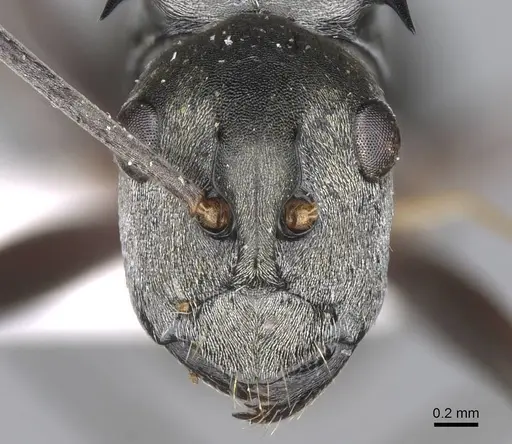
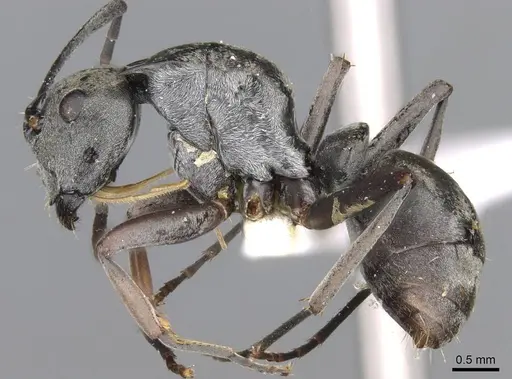
Polyrhachis empesoi is a medium-sized ant species native to the Philippines, specifically found on Negros Island. Workers have a total length of 6.65-7.21 mm, and queens reach 8.42-8.57 mm . They have a black body with reddish-brown mandibles, antennae, legs, and gaster. This species is endemic to the Philippines . It belongs to the Polyrhachis parabiotica group, but little is known about its biology or behavior in the wild .
Quick Summary
- Difficulty: Medium
- Origin & Habitat: Philippines (Negros Island), tropical forest environment. Endemic to the Philippines [2].
- Colony Type: Colony structure is unconfirmed.
- Size & Growth:
- Queen: ~8.42-8.57 mm [1]
- Worker: ~6.65-7.21 mm [1]
- Colony: Unknown, no colony size data exists for this species
- Growth: Unknown
- Development: Unknown, no species-specific data available (Development timeline is unconfirmed, based on tropical habitat, keep at warm temperatures for normal brood development.)
- Antkeeping:
- Temperature: Keep warm, around 24-28°C, based on tropical habitat patterns [1].
- Humidity: Keep nest substrate consistently moist but not waterlogged [1].
- Diapause: No, tropical species do not require hibernation [1].
- Nesting: Use Y-tong or plaster nests, provide dark, secure chambers [1]. Avoid acrylic nests.
- Behavior: Polyrhachis ants are generally not aggressive toward keepers but can be defensive of their nest [1]. Workers are active foragers and may explore outworlds [1]. Escape risk is medium, use standard prevention like Fluon on edges.
- Common Issues: cold temperatures can slow or stop brood development in tropical species, wild-caught colonies may carry parasites or pathogens that affect captive colonies, escape prevention is important as they are active climbers
Getting Started with Polyrhachis empesoi
Since P. empesoi is a poorly studied species, you may need to acquire a colony through a breeder or locate a wild colony on Negros Island. Start with a test tube setup with a water reservoir. The queen is around 8.42-8.57 mm with a black body and reddish legs [1]. Workers are about 6.65-7.21 mm [1]. Founding behavior is unconfirmed, assume the queen may seal herself in, but this is not documented.
Housing and Nest Setup
For this medium-sized species, use Y-tong or plaster nests with appropriately sized chambers for 7 mm workers [1]. Provide an outworld for foraging with a secure lid, as they are good climbers. Avoid acrylic nests, naturalistic setups with substrate for burrowing can work.
Feeding and Diet
Polyrhachis ants are likely omnivorous. Offer sugar water, honey, or diluted maple syrup as a constant carbohydrate source. Provide protein like fruit flies or small crickets 2-3 times per week [1]. Remove uneaten prey to prevent mold.
Temperature and Humidity
As a tropical species, keep temperatures around 24-28°C [1]. Use a heating cable for a gradient. Maintain humidity by keeping the nest substrate moist but not waterlogged [1]. Avoid temperatures below 22°C for extended periods.
Understanding This Species
P. empesoi is essentially unstudied in captivity. The original description covers only morphology, no data exists on founding, colony size, or specific care. Everything is inferred from related Polyrhachis species and general Formicine biology [1]. Document your experiences to contribute to the community.
Frequently Asked Questions
How long does it take for Polyrhachis empesoi to produce first workers?
The exact timeline is unknown. Based on tropical ant patterns, expect several weeks at warm temperatures, but no species-specific data exists [1].
Can I keep Polyrhachis empesoi in a test tube?
Yes, a test tube setup works well for starting a colony. Use a water reservoir and cotton plug, and move to a formicarium when the colony grows [1].
What do Polyrhachis empesoi ants eat?
They likely accept both sugar and protein foods. Offer sugar water, honey, or maple syrup, and provide small insects for protein [1].
Are Polyrhachis empesoi good for beginners?
This species is not ideal for beginners due to lack of species-specific care information. Experienced keepers who can adapt should do fine [1].
Do Polyrhachis empesoi need hibernation?
No, as a tropical species, they do not require hibernation and should be kept at warm temperatures year-round [1].
How big do Polyrhachis empesoi colonies get?
The maximum colony size is unknown, no data exists for this species [1].
When should I move my colony to a formicarium?
Move from a test tube when the colony reaches around 20-30 workers and the test tube is crowded, using appropriately sized nests [1].
Can I keep multiple queens together?
Colony structure is unconfirmed for this species. Most Polyrhachis are monogyne, but it is not recommended to combine unrelated queens without observation [1].
Why are my Polyrhachis empesoi dying?
Common causes include cold temperatures, dry conditions, mold, stress, or parasites. Adjust conditions based on tropical needs [1].
Report an Issue
The current care sheet is based fully on literature. See inconsistencies, or something that's incorrect? Please , it will be resolved after review from an admin. Contributing to the blogs tab also helps providing information, to make us be able to further improve the caresheets. Thank you for your support!
References

Dit verzorgingsblad is gelicentieerd onder CC BY-SA 4.0 .
Community-blogs
CASENT0906811
Bekijk op AntWeb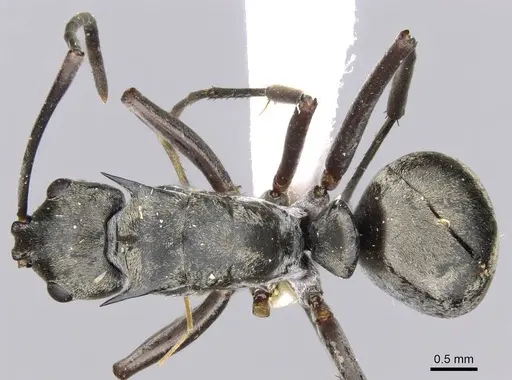
Literatuur
Verspreidingskaart laden...Producten laden...