
Polyrhachis ceramensis
- Wetenschappelijke naam
- Polyrhachis ceramensis
- Subgenus
- Myrma
- Tribus
- Camponotini
- Subfamilie
- Formicinae
- Auteur
- Mayr, 1883
- Verspreiding
- Gevonden in 0 landen
Introductie
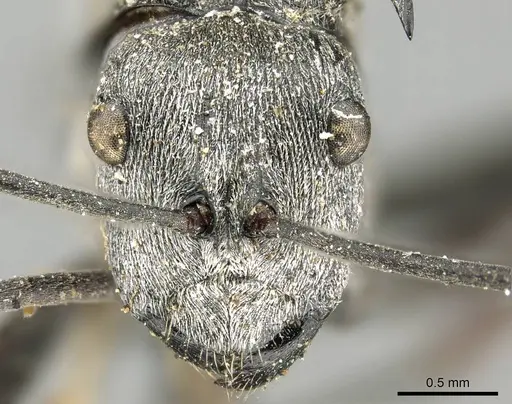
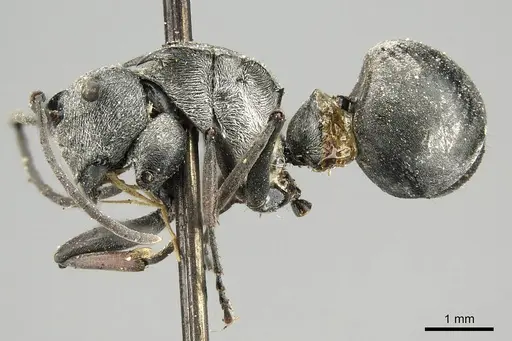
Polyrhachis ceramensis is a species of spider ant native to the Moluccas Islands, Indonesia . Like other Polyrhachis species, it has backward-pointing spines on its thorax and gaster, giving it a spider-like appearance. Size data is unavailable from current research, but based on Polyrhachis genus patterns, workers are typically medium-sized. This species is relatively rare in antkeeping due to its remote island habitat.
Quick Summary
- Difficulty: Medium
- Origin & Habitat: Moluccas Islands, Indonesia, tropical island environment [1].
- Colony Type: Based on Polyrhachis genus patterns, likely monogyne (single queen colonies), but unconfirmed for this species.
- Size & Growth:
- Queen: Size data unavailable, inferred from Polyrhachis genus patterns (~8-12 mm)
- Worker: Size data unavailable, inferred from Polyrhachis genus patterns (~6-9 mm)
- Colony: Up to several hundred workers, estimated based on genus patterns
- Growth: Moderate, inferred from tropical species patterns
- Development: Estimated 8-12 weeks at warm temperatures, but no specific data (Development is temperature-dependent, warmer conditions may speed growth)
- Antkeeping:
- Temperature: Keep warm, roughly 26-28°C, based on tropical habitat inference
- Humidity: Keep nest substrate consistently moist but not waterlogged, based on tropical habitat inference
- Diapause: No, tropical species do not require diapause, inferred from habitat
- Nesting: Prefers moist substrate and vertical space, based on genus patterns, use Y-tong, plaster, or soil nests with climbing structures
- Behavior: Generally peaceful and not aggressive toward keepers, based on genus patterns. Escape risk is moderate due to climbing ability, ensure enclosures are secure.
- Common Issues: high humidity is critical, too dry may cause colony stagnation or death, warm temperatures required, cool conditions may slow growth and brood development, colonies can be slow to establish, patience is needed during founding, escape prevention is important due to climbing ability, secure all gaps
Housing and Nest Setup
Use a naturalistic setup with moist substrate, such as Y-tong or plaster nests with a dirt chamber. Keep the nest substrate damp but not soggy, and include vertical elements for climbing. Since this species is from a humid tropical habitat, maintain consistent moisture. Provide a water reservoir or regular misting to help with humidity. The outworld should be escape-proof with barriers on edges.
Feeding and Diet
Polyrhachis ceramensis is omnivorous. Offer sugar sources like honey water or sugar water constantly. Provide protein such as small insects 2-3 times per week, and remove uneaten food after 24 hours to prevent mold. This is based on typical Polyrhachis genus feeding habits.
Temperature and Seasonal Care
Keep the colony warm, around 26-28°C, as inferred from its tropical habitat. Use a heating mat to create a gradient. No diapause is needed, but a slight temperature reduction in cooler months may be natural. Consistent warmth is key for colony health.
Colony Establishment and Growth
Founding behavior is unconfirmed, but based on genus patterns, queens may seal themselves in a chamber. The founding phase can take several weeks. Once workers emerge, offer small amounts of sugar and protein. Growth is moderate, colonies may take time to reach larger sizes. Patience is essential.
Frequently Asked Questions
How long does it take for Polyrhachis ceramensis to produce first workers?
Estimated 8-12 weeks from egg to worker at warm temperatures, but no specific data exists. Development depends on temperature.
What do Polyrhachis ceramensis ants eat?
They are omnivorous. Offer sugar sources constantly and protein like small insects 2-3 times per week.
Do Polyrhachis ceramensis ants need hibernation?
No, as a tropical species, they do not require diapause. A slight temperature reduction in cooler months may be acceptable.
How big do Polyrhachis ceramensis colonies get?
Colony size data is unavailable, but estimated to reach up to several hundred workers based on genus patterns.
Are Polyrhachis ceramensis good for beginners?
Rated medium difficulty due to humidity and temperature needs. Suitable for intermediate keepers.
What humidity do Polyrhachis ceramensis need?
Keep nest substrate moist, based on tropical habitat inference. No specific percentage data exists.
Can I keep multiple Polyrhachis ceramensis queens together?
This species is likely monogyne, but unconfirmed. Combining queens is not recommended due to potential conflict.
When should I move Polyrhachis ceramensis to a formicarium?
Keep them in a founding setup until the colony has several workers. Use moist substrate nests like Y-tong or plaster.
Why is my Polyrhachis ceramensis colony not growing?
Check temperature, humidity, and food. Ensure warm conditions, moist substrate, and regular feeding. Slow growth may be normal.
Report an Issue
The current care sheet is based fully on literature. See inconsistencies, or something that's incorrect? Please , it will be resolved after review from an admin. Contributing to the blogs tab also helps providing information, to make us be able to further improve the caresheets. Thank you for your support!
References

Dit verzorgingsblad is gelicentieerd onder CC BY-SA 4.0 .
Community-blogs
CASENT0915818
Bekijk op AntWeb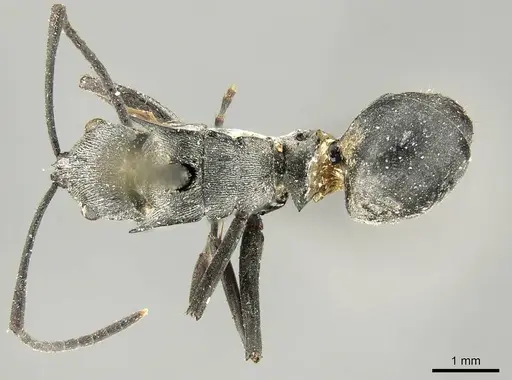
Literatuur
Verspreidingskaart laden...Producten laden...