
Polyrhachis alexisi
- Wetenschappelijke naam
- Polyrhachis alexisi
- Subgenus
- Myrma
- Tribus
- Camponotini
- Subfamilie
- Formicinae
- Auteur
- Forel, 1916
- Verspreiding
- Gevonden in 0 landen
Introductie
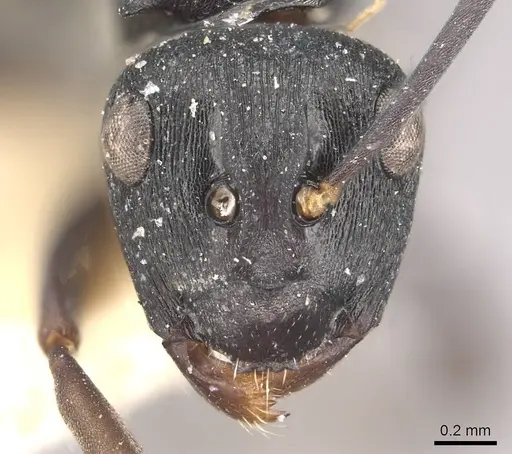
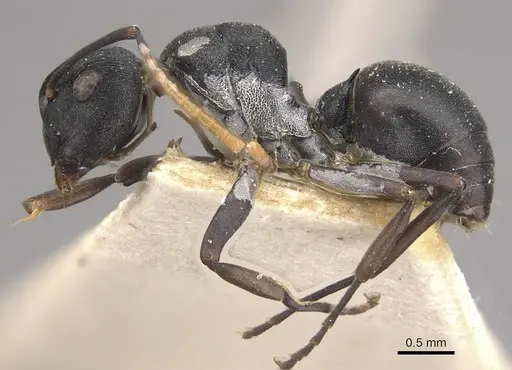
Polyrhachis alexisi is a small ant species native to Central Africa. Workers measure approximately 4.8mm in total length, with a black body, brown appendages, and yellow-brown antenna funiculi . It is identified by four petiolar spines and an unmargined propodeum . The species is known from the Democratic Republic of the Congo and Central African Republic, with a single specimen found at 110m elevation in Gabon . This species is exceptionally rare, known only from a few specimens collected over a century . Its scarcity makes it a challenge for antkeepers, as little is known about its biology or care.
Quick Summary
- Difficulty: Hard
- Origin & Habitat: Central Africa (Democratic Republic of Congo and Central African Republic), found at low elevations around 110m in Gabon [2][1]. Natural habitat is poorly documented.
- Colony Type: Unknown, no data on colony structure.
- Size & Growth:
- Antkeeping:
- Temperature: Based on tropical distribution, likely warm temperatures around 24-28°C. Provide a gradient for self-regulation.
- Humidity: Moderate to high humidity preferred, typical for tropical forest ants. Keep nest substrate slightly moist.
- Diapause: No, tropical species do not require hibernation.
- Nesting: Natural nesting behavior unconfirmed. Based on genus patterns, may use arboreal or cavity nests. Recommend Y-tong, plaster, or soil nests with vertical elements [3].
- Behavior: Behavior is unstudied. Based on genus patterns, likely docile with moderate foraging. Escape risk due to small size [3].
- Common Issues: extreme rarity means no established care protocols exist., no documented diet preferences, diet must be inferred from genus patterns., colony size and growth unknown, making housing planning difficult., founding behavior unconfirmed, unknown if claustral or semi-claustral., limited distribution may affect adaptability to captivity.
Species Overview and Identification
Polyrhachis alexisi is one of the rarest ant species in the hobby, with virtually no captive populations and extremely limited scientific documentation. The species was originally described by Forel in 1916 from specimens collected in what was then the Belgian Congo (now Democratic Republic of Congo). It remained known only from these type specimens until Rigato documented another collection from the Central African Republic in 2016 [1].
Identification is straightforward within its species group, P. alexisi is the only member of the alexisi-group possessing four petiolar spines (two dorsal spines and two lateral teeth) combined with an unmargined propodeum [1]. Workers are small at approximately 4.8mm total length, with a black body, brown legs, and distinctive yellow-brown antenna funiculi. The pronotum bears a pair of short spines, and the overall body is relatively broad and compact [1].
This species represents a significant knowledge gap in ant keeping, there are no established protocols, no documented captive colonies, and no observed behaviors beyond the preserved specimens. Any keeper acquiring this species would essentially be pioneering its husbandry from scratch.
Natural Distribution and Habitat
Polyrhachis alexisi is known from a small geographic area in Central Africa. The primary range encompasses the Democratic Republic of the Congo and the Central African Republic [1]. A single specimen was also collected at approximately 110m elevation in Gabon during sweeping, which may represent either a range extension or reflects the species' cryptic nature [2].
The specific habitat preferences remain undocumented. The low elevation collection in Gabon suggests tolerance for humid tropical lowland forest conditions. Other Polyrhachis species in this region are often associated with forest habitats, either nesting in rotting wood, under bark, or in arboreal situations [1]. For captive care, provide conditions typical of tropical Central African forest ants: moderate to high humidity, stable warm temperatures, and access to vertical spaces.
Housing and Nesting Recommendations
Since no documented captive colonies exist, housing recommendations must be inferred from related Polyrhachis species. The species' small worker size and tropical origin suggest a naturalistic setup with vertical surfaces, as many Polyrhachis ants are arboreal or semi-arboreal [3]. This could include setups with cork bark or branches. Alternatively, a Y-tong nest with appropriately scaled chambers would work.
Temperature should be maintained in the low-to-mid 20s Celsius, with a gradient allowing workers to self-regulate. Humidity should be moderate to high, keep nest substrate slightly moist but never waterlogged. Escape prevention is important, use tight-fitting lids and fine mesh on ventilation holes.
Feeding and Nutrition
Direct observations of feeding behavior in Polyrhachis alexisi do not exist. However, the genus Polyrhachis shows generalist scavenging tendencies, feeding on honeydew, nectar, and small arthropods [3]. For captive feeding, offer sugar sources like honey water and protein-rich foods such as small insects or fruit flies. Start with modest offerings and observe colony response.
Challenges and Considerations for Keepers
Prospective keepers of Polyrhachis alexisi must understand they are entering uncharted territory. This species has no established care protocols, and everything from founding behavior to colony size remains unknown. Keepers would essentially be conducting original research on its husbandry, making it unsuitable for beginners.
Additionally, the extreme rarity of this species in the wild makes it unlikely to be available in the ant keeping hobby. Specimens have only been collected a handful of times in over a century [1]. Legal considerations should be addressed, ensure you can legally acquire and keep this species, and never release colonies into non-native environments.
Frequently Asked Questions
How do I care for Polyrhachis alexisi ants?
Care protocols are unknown for this species. Based on related Polyrhachis species and its tropical distribution, provide temperatures around 24-28°C with a gradient, moderate to high humidity, and a nesting setup with vertical spaces [3]. This is not a species for beginners due to the lack of established information.
What do Polyrhachis alexisi ants eat?
Direct feeding observations do not exist. Based on genus patterns, they likely accept sugar sources and small protein prey like insects or fruit flies [3]. Start with modest offerings and document what the colony accepts.
How big do Polyrhachis alexisi colonies get?
Colony size is completely unknown, no colony size data exists in scientific literature for this species [1].
Is Polyrhachis alexisi a good species for beginners?
No. This species is not suitable for beginners due to the complete absence of established care protocols. Any keeper attempting to maintain this species would be pioneering its husbandry with no reference material.
Where does Polyrhachis alexisi come from?
This species is native to Central Africa, specifically the Democratic Republic of the Congo and the Central African Republic. A single specimen was also collected in Gabon at low elevation [2][1].
How long does it take for Polyrhachis alexisi to develop from egg to worker?
The development timeline has never been documented for this species. No direct evidence exists for P. alexisi.
Can I keep multiple Polyrhachis alexisi queens together?
Colony structure has not been documented for this species. Without any data, combining queens is not recommended due to the high risk of aggression and the extreme rarity of the species.
Does Polyrhachis alexisi need hibernation?
No hibernation is expected. As a tropical African species, it likely requires year-round warm conditions without a winter dormancy period.
Why is Polyrhachis alexisi so rare in the ant keeping hobby?
This species is one of the rarest documented ants in the world. It has only been collected a handful of times in over a century of scientific sampling [1].
Report an Issue
The current care sheet is based fully on literature. See inconsistencies, or something that's incorrect? Please , it will be resolved after review from an admin. Contributing to the blogs tab also helps providing information, to make us be able to further improve the caresheets. Thank you for your support!
References

Dit verzorgingsblad is gelicentieerd onder CC BY-SA 4.0 .
Community-blogs
CASENT0227521
Bekijk op AntWeb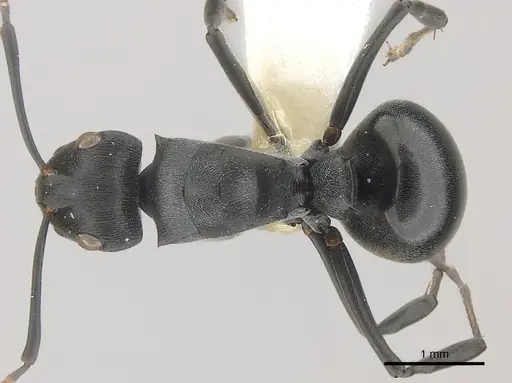
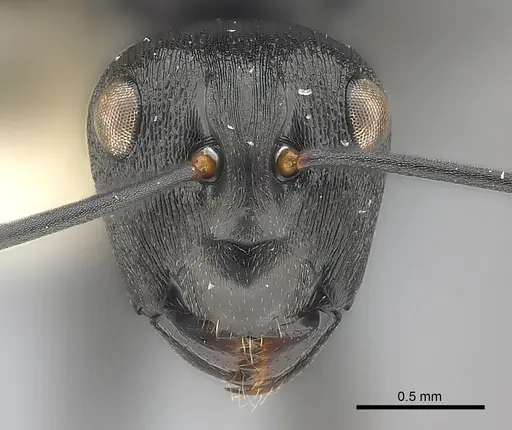
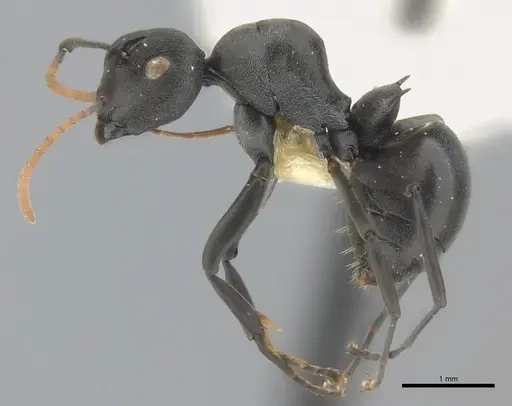
CASENT0910953
Bekijk op AntWeb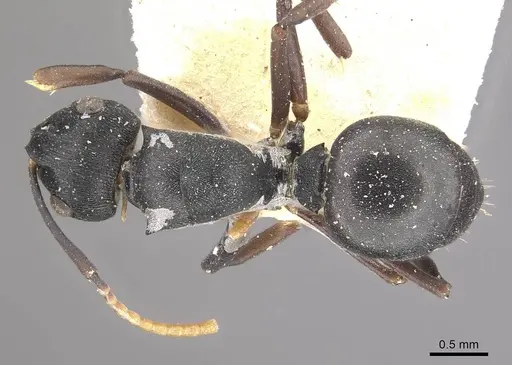
Literatuur
Verspreidingskaart laden...Producten laden...