
Pogonomyrmex strioligaster
- Wetenschappelijke naam
- Pogonomyrmex strioligaster
- Tribus
- Pogonomyrmecini
- Subfamilie
- Myrmicinae
- Auteur
- Johnson, 2021
- Verspreiding
- Gevonden in 0 landen
Introductie
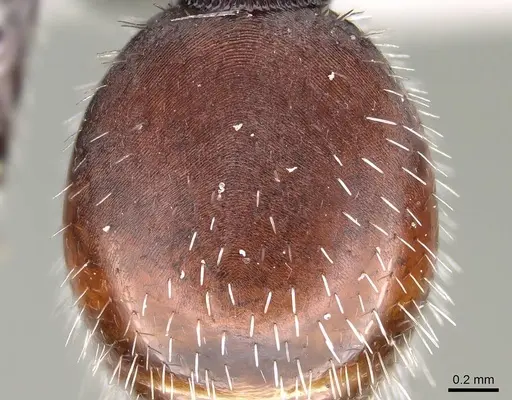
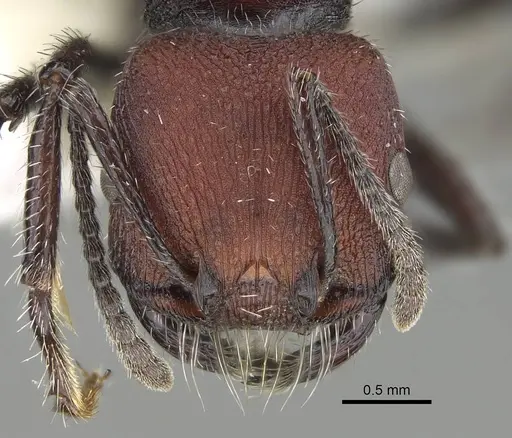
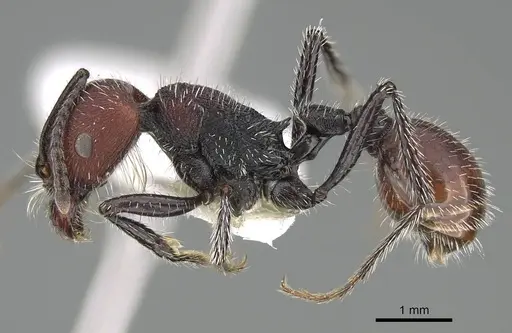
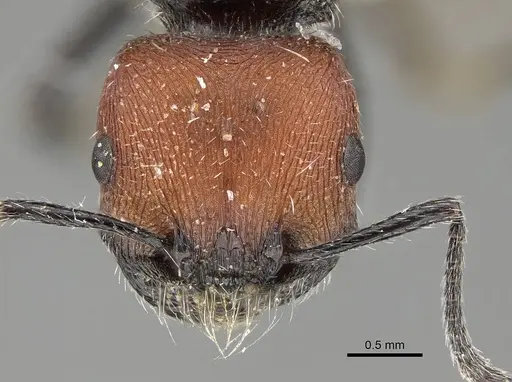
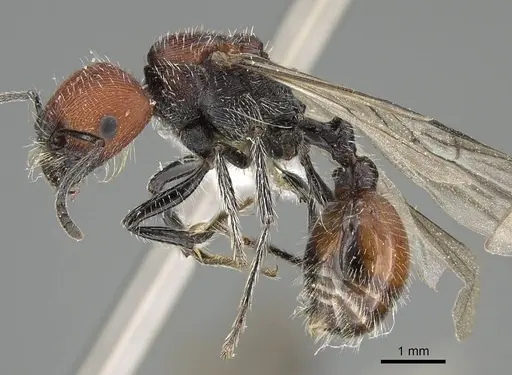
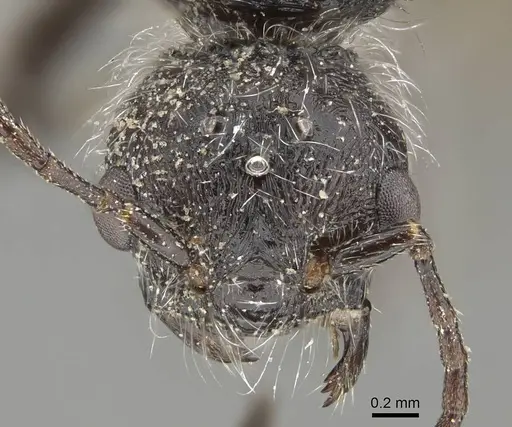
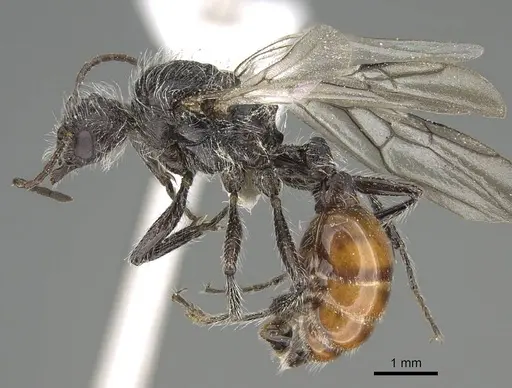
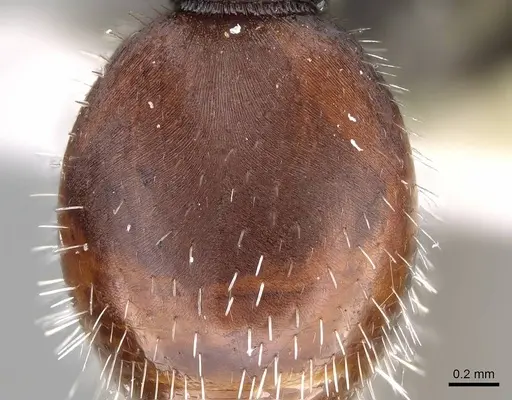
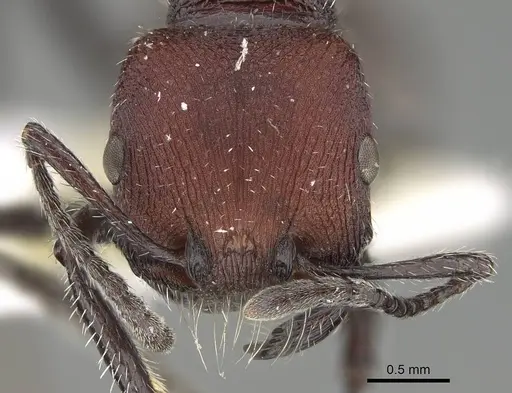
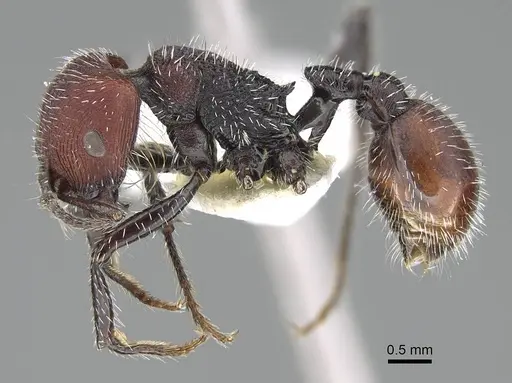
Pogonomyrmex strioligaster is a seed-harvester ant described in 2021 from Neuquén Province, Argentina . Workers have a blackish to black head and mesosoma, with a gaster ranging from ferruginous orange to orangish-black . The species is named for the fine ridges (striae) that cover the front two-thirds of the first abdominal segment . Body size data is unavailable, but workers are likely around 4-8mm based on Pogonomyrmex genus patterns . This ant lives in the Patagonian steppe ecoregion at elevations near 410 meters . This species features moderately long to long superior propodeal spines and heavily wrinkled sides on the thorax . As a seed-harvester, it collects and processes seeds for food. The genus is known for painful stings, so you should handle colonies with caution . Since this is a newly described species, captive care data is limited, and recommendations rely on genus patterns and its natural steppe habitat .
Quick Summary
- Difficulty: Medium
- Origin & Habitat: Neuquén Province, Argentina, specifically the Patagonian steppe ecoregion at roughly 410 meters elevation [1]. The area features semi-arid conditions with cold winters and warm summers.
- Colony Type: Colony structure is unconfirmed for this species. Most Pogonomyrmex species form single-queen colonies, though some can host multiple queens. You will need to observe your colony to determine its social structure.
- Size & Growth:
- Queen: ~8-10mm, inferred from Pogonomyrmex genus patterns
- Worker: size data unavailable, inferred from Pogonomyrmex genus (~4-8mm)
- Colony: up to several thousand workers, typical for the genus
- Growth: Moderate
- Development: Estimated 8-12 weeks based on related Pogonomyrmex species at optimal temperatures (Development time is inferred from genus-level data, as species-specific development has not been studied)
- Antkeeping:
- Temperature: Keep nest area around 22-26°C, allowing a slight gradient for self-regulation. The Patagonian steppe experiences warm summers, so moderate warmth supports activity and brood development.
- Humidity: Low to moderate humidity, arid to semi-arid species from a steppe environment. Keep the nest substrate relatively dry, with a small moist area for drinking. Avoid damp conditions that cause mold.
- Diapause: Likely required, Pogonomyrmex species from temperate regions typically need a winter dormancy period. Provide 3-4 months at 10-15°C during winter [1].
- Nesting: Natural nesting occurs in soil, they excavate nests in the ground. In captivity, a naturalistic setup with compact soil or a plaster nest works well. Provide a sand-clay mix substrate for tunneling [1].
- Behavior: Workers are active foragers that harvest seeds and bring them back to the nest for processing. They are defensive and will respond aggressively to threats, the genus is known for painful stings. Escape risk is moderate, standard barrier methods work well for these medium-sized ants. They are diurnal, foraging during warmer parts of the day.
- Common Issues: colonies grow slowly compared to many common ant species, which can frustrate beginners., their defensive nature and painful stings make them unsuitable for handling or observation without caution., wild-caught colonies may be difficult to establish due to stress from relocation., seed-harvester diet requires proper seed storage and processing, inadequate food variety can lead to colony decline., overwatering can be fatal, these are arid-adapted ants that prefer drier nest conditions.
Housing and Nest Setup
Pogonomyrmex strioligaster can be housed in test tubes for founding colonies, but plan to move them to a more spacious formicarium once the colony reaches 50-100 workers. These ants are active foragers that need space to process and store seeds. A naturalistic setup with a deep soil chamber (at least 5-8cm) allows them to excavate and create proper tunnel systems. Use a substrate mix of sand and clay to mimic their natural Patagonian steppe habitat, this holds tunnel structure well and drains excess moisture. Provide a water test tube with a cotton wick for drinking access. Escape prevention is straightforward for these medium-sized ants, standard barrier methods like fluon on smooth surfaces work effectively [1].
Feeding and Diet
As seed-harvester ants, Pogonomyrmex strioligaster primarily collects and consumes seeds. Offer a variety of small seeds, millet, sesame, flax, and commercial ant seed mixes work well. They process seeds by chewing them into a paste to access the nutrients inside. Supplement their diet with small amounts of protein like crushed insects or mealworm pieces, though seeds should form the bulk of their nutrition. Sugar water or honey can be offered occasionally, but seed-harvester ants rely less on sugar than purely predatory species. Feed every 2-3 days, removing any uneaten fresh food within 24 hours to prevent mold [2].
Temperature and Seasonal Care
Maintain nest temperatures between 22-26°C during the active season. These ants are native to the Patagonian steppe, which experiences warm summers and cold winters. During the summer months, room temperature is typically adequate, but you may need to provide gentle bottom heat if your home runs cool. In winter, simulate seasonal conditions by providing a diapause period of 3-4 months at 10-15°C. This can be achieved by moving the colony to a cooler location like an unheated garage or basement. Do not feed during diapause, but ensure water access is maintained. The winter rest period is essential for colony health and queen reproduction [1].
Behavior and Temperament
Pogonomyrmex workers are defensive and will readily sting when threatened. The sting is reported to be painful, similar to other Pogonomyrmex species. When working with the colony, use caution and avoid disturbing the nest unnecessarily. Workers are diurnal foragers, actively searching for seeds during warm daylight hours. They create characteristic crater mounds around their nest entrances in the wild. Colonies establish well-defined foraging trails once established. Unlike some aggressive ant species, they are not particularly territorial toward humans, they simply defend their nest when provoked. Handle any colony work with care and always use proper protective equipment [2].
Frequently Asked Questions
How long does it take for Pogonomyrmex strioligaster to produce first workers?
Estimated 8-12 weeks from egg to first worker at optimal temperatures (22-26°C). This is based on genus-level data for related Pogonomyrmex species, as species-specific development has not been studied.
Can I keep Pogonomyrmex strioligaster in a test tube?
Yes, test tubes work well for founding colonies. Keep the water section moderate-sized to prevent flooding, and ensure the cotton is packed tightly. Move to a larger formicarium once the colony reaches 50-100 workers.
What do Pogonomyrmex strioligaster eat?
They are seed-harvesters, seeds should form the bulk of their diet. Offer millet, sesame, flax, or commercial ant seed mixes. Supplement occasionally with small insects or protein. They may accept sugar water occasionally but do not rely on it [2].
Do Pogonomyrmex strioligaster need hibernation?
Yes, a winter diapause is likely required. Provide 3-4 months at 10-15°C during winter months. This mimics their natural seasonal cycle in the Patagonian steppe and supports colony health [1].
Are Pogonomyrmex strioligaster good for beginners?
They are rated as medium difficulty. While not as challenging as some species, their slow growth, defensive sting, and specific dietary needs make them better suited for keepers with some ant-keeping experience.
How big do Pogonomyrmex strioligaster colonies get?
Colony size is not documented for this specific species, but related Pogonomyrmex species typically reach up to several thousand workers. Growth is moderate, expect several years to reach maximum colony size.
When should I move Pogonomyrmex strioligaster to a formicarium?
Move from test tube to formicarium when the colony reaches approximately 50-100 workers. Seed-harvester ants need space to process and store seeds, so a larger enclosure with soil depth for tunneling is important.
Can I keep multiple Pogonomyrmex strioligaster queens together?
Colony structure is unconfirmed for this species. Most Pogonomyrmex are monogyne (single-queen). Combining unrelated queens is not recommended without evidence they can coexist peacefully.
Why are my Pogonomyrmex strioligaster dying?
Common causes include overwatering (they prefer dry conditions), insufficient seed variety, stress from disturbance, or inadequate diapause. Check humidity levels, ensure proper food variety, and verify winter rest conditions are being met.
Report an Issue
The current care sheet is based fully on literature. See inconsistencies, or something that's incorrect? Please , it will be resolved after review from an admin. Contributing to the blogs tab also helps providing information, to make us be able to further improve the caresheets. Thank you for your support!
References

Dit verzorgingsblad is gelicentieerd onder CC BY-SA 4.0 .
Community-blogs
CASENT0922162
Bekijk op AntWeb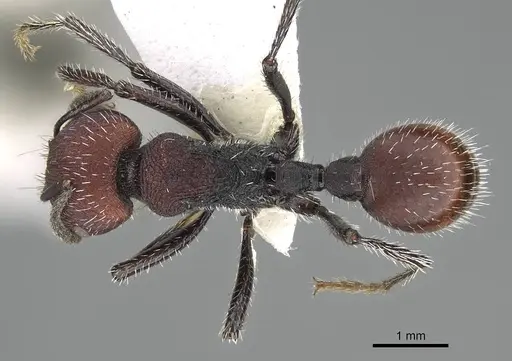
CASENT0922163
Bekijk op AntWeb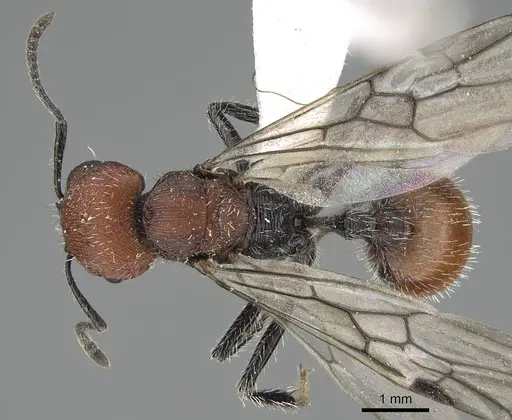
CASENT0922164
Bekijk op AntWeb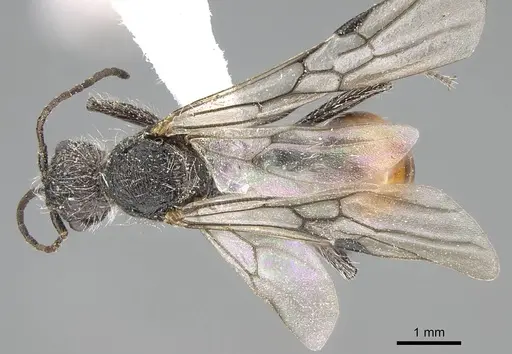
CASENT0922165
Bekijk op AntWeb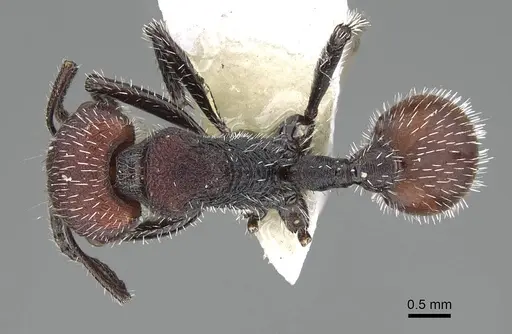
Literatuur
Verspreidingskaart laden...Producten laden...