
Pogonomyrmex apterogenos
- Wetenschappelijke naam
- Pogonomyrmex apterogenos
- Tribus
- Pogonomyrmecini
- Subfamilie
- Myrmicinae
- Auteur
- Johnson, 2021
- Verspreiding
- Gevonden in 0 landen
Introductie
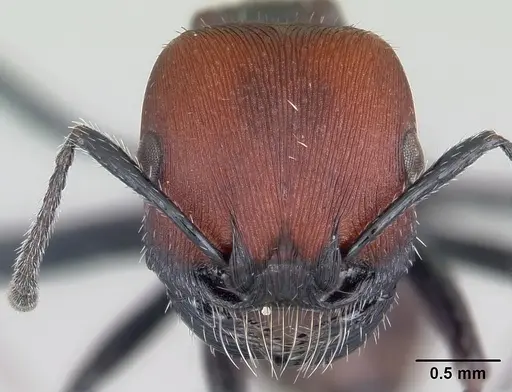
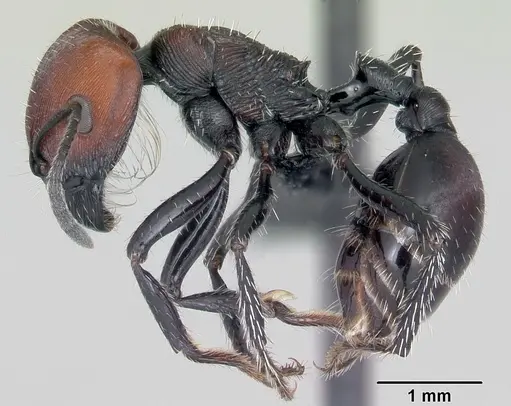
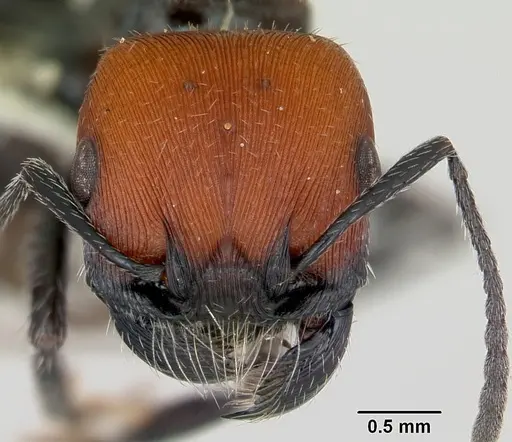
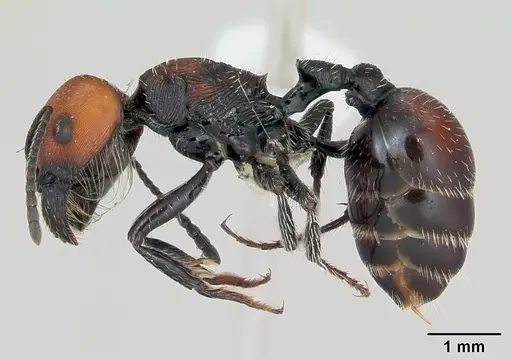
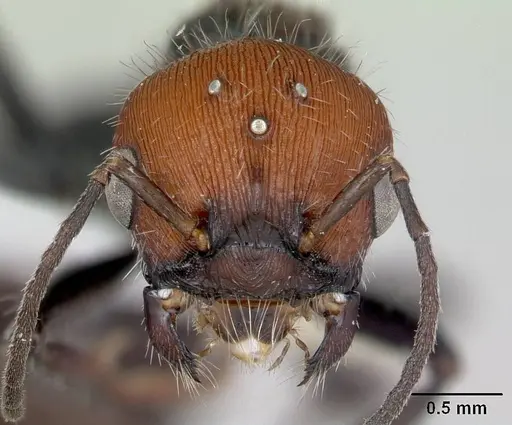
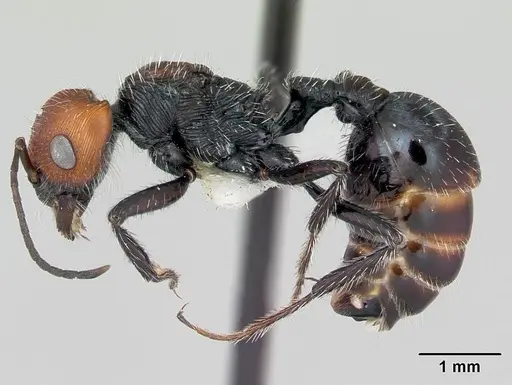
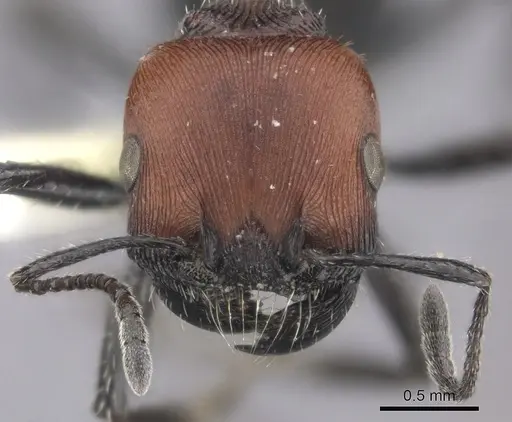
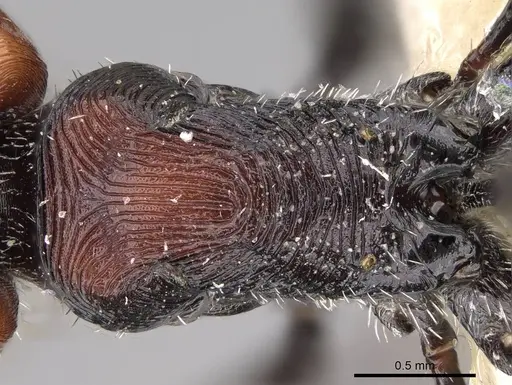
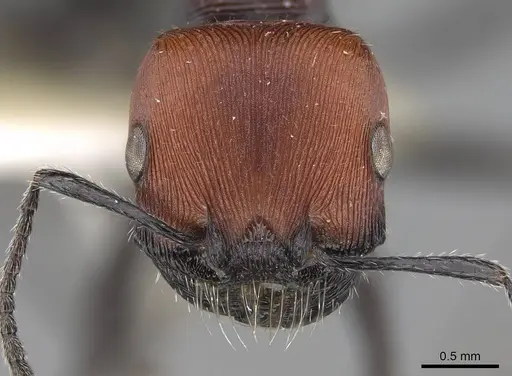
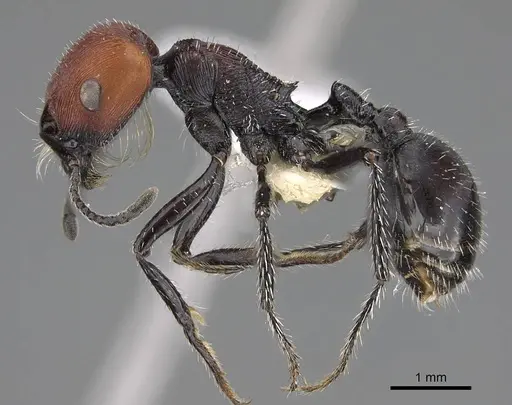
Pogonomyrmex apterogenos is a seed-harvester ant from high-altitude deserts in Argentina's Catamarca Province. Workers have a ferruginous orange head, orangish-black promesonotum, and blackish mesosoma . This species is unique because both queens and males are ergatoid (permanently wingless) . Colonies live in the Puna Desert at elevations of 3080-4040 meters . Workers forage solitarily for seeds on sparse vegetation, and nests are diffuse with radiating tunnels, containing up to 1000 workers .
Quick Summary
- Difficulty: Expert
- Origin & Habitat: Central Andean puna and Southern Andean steppe ecoregions in Argentina (Catamarca Province), at elevations 3080-4040m. Nests in very sparsely vegetated Puna Desert habitat with scattered Chuquiraga atacamensis and Atriplex plants [1][2].
- Colony Type: Ergatoid queen colonies, queen number unconfirmed [1]. Both sexual castes are ergatoid (wingless), which is rare among ants [1].
- Size & Growth:
- Queen: Size data unavailable [1]
- Worker: Size data unavailable [1]
- Colony: Up to 1000 workers [1]
- Growth: Unknown
- Development: Unconfirmed, no direct development studies exist [1] (Development timeline is unknown. Based on typical Pogonomyrmex patterns, expect several months, but this is an estimate only.)
- Antkeeping:
- Temperature: Based on high-elevation habitat, keep cool, roughly 18-22°C with a gradient [1].
- Humidity: Dry to moderate, keep nest substrate relatively dry with occasional misting [1].
- Diapause: Unknown, no specific data, but high-elevation temperate species may require dormancy [1].
- Nesting: Diffuse nests with radiating tunnels, use deep substrate or naturalistic setup to mimic natural behavior [1].
- Behavior: Workers forage solitarily for seeds and are defensive, with a moderate escape risk due to small size [1]. Males and workers are similar in size and color, requiring magnification to distinguish [1].
- Common Issues: very limited biological data means care requirements are largely inferred, not confirmed., high-elevation habitat makes temperature management critical, avoid overheating., ergatoid colony founding may differ from typical claustral queens, research needed., winter dormancy parameters are unknown., obtaining this species may be difficult as it is newly described and rarely available.
Wingless Sexual Castes
Pogonomyrmex apterogenos has ergatoid queens and males, meaning both are permanently wingless [1]. This is one of only two ant species with this trait [1]. Queens are larger than workers and found nests independently, as seen when one was collected under a rock in March [1]. For antkeepers, this means colony founding may differ from typical winged queens.
Natural Habitat and Distribution
This species lives in the Puna Desert at 3080-4040m elevation in Argentina [1]. Nests are in sparsely vegetated areas with Chuquiraga atacamensis and Atriplex plants [1]. Workers forage solitarily on seeds from plants like Adesmia sp. [1]. Nests are diffuse with radiating tunnels, and colonies contain up to 1000 workers [1].
Temperature and Seasonal Care
Keep temperatures cool, around 18-22°C with a gradient, based on their high-elevation habitat [1]. Avoid overheating. Males were collected in January, suggesting reproductive activity in late summer [1]. Diapause is unknown but may be needed for temperate species.
Feeding and Diet
Workers are seed-harvesters and forage solitarily [1]. Offer small seeds like millet and grass seeds, and occasional protein like insects [1]. Provide a sugar source like honey water [1].
Nesting and Colony Setup
Use deep substrate or naturalistic setups to allow for diffuse tunneling [1]. Y-tong or plaster nests with multiple chambers work well [1]. Ensure escape prevention for small workers [1].
Behavior and Defense
Workers are defensive and have stings [1]. Forage solitarily, so recruitment trails are uncommon [1]. Males and workers are similar in size, requiring magnification to distinguish [1].
Frequently Asked Questions
How long does it take for Pogonomyrmex apterogenos to develop from egg to worker?
No direct studies exist, development is unconfirmed [1]. Based on related species, it may take several months, but this is an estimate.
Are Pogonomyrmex apterogenos good for beginners?
No, this species is expert-level due to rarity and lack of captive data [1].
Do Pogonomyrmex apterogenos queens have wings?
No, queens are ergatoid (wingless) [1]. This is a defining trait of the species.
What temperature should I keep Pogonomyrmex apterogenos at?
Keep around 18-22°C with a gradient, based on their high-elevation habitat [1]. Avoid temperatures above 25°C.
Do Pogonomyrmex apterogenos need hibernation?
Unknown, no specific data, but high-elevation temperate species may require dormancy [1].
What do Pogonomyrmex apterogenos eat?
They are seed-harvesters, offer small seeds and occasional protein [1].
How big do Pogonomyrmex apterogenos colonies get?
Up to 1000 workers based on partial excavations [1].
Do Pogonomyrmex apterogenos sting?
Yes, they have defensive stings [1]. Handle with care.
Can I keep multiple Pogonomyrmex apterogenos queens together?
Unconfirmed, single-queen colonies are suggested but not proven [1]. Combining queens is not recommended.
When will Pogonomyrmex apterogenos produce reproductives?
Males were collected in January, suggesting late summer reproductive activity [1].
What makes Pogonomyrmex apterogenos different from other Pogonomyrmex ants?
Both queens and males are ergatoid (wingless), and they live at high elevations [1].
Is Pogonomyrmex apterogenos available in the antkeeping hobby?
It is rare and newly described, so access is limited [1].
Report an Issue
The current care sheet is based fully on literature. See inconsistencies, or something that's incorrect? Please , it will be resolved after review from an admin. Contributing to the blogs tab also helps providing information, to make us be able to further improve the caresheets. Thank you for your support!
References

Dit verzorgingsblad is gelicentieerd onder CC BY-SA 4.0 .
Community-blogs
CASENT0103261
Bekijk op AntWeb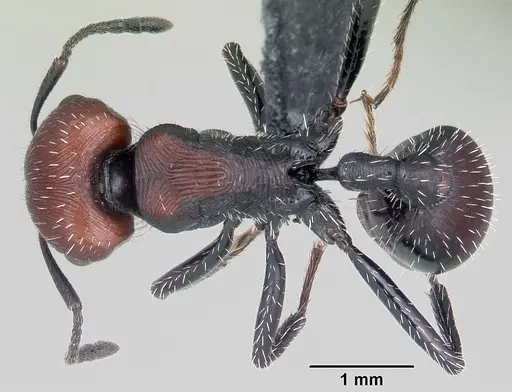
CASENT0173116
Bekijk op AntWeb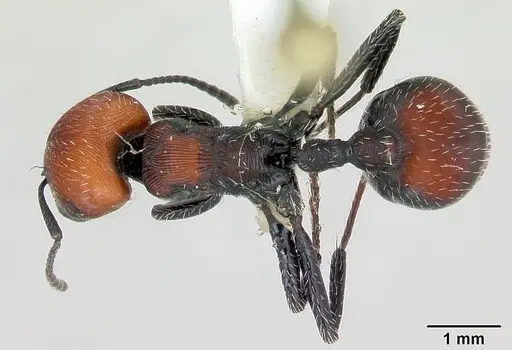
CASENT0173117
Bekijk op AntWeb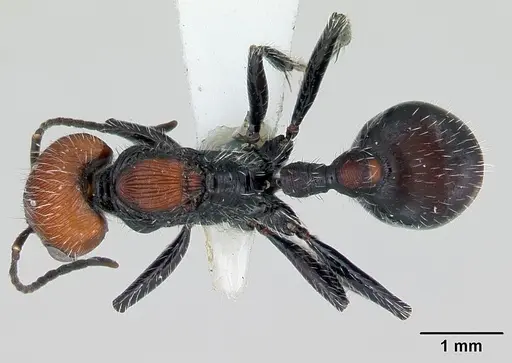
CASENT0235278
Bekijk op AntWeb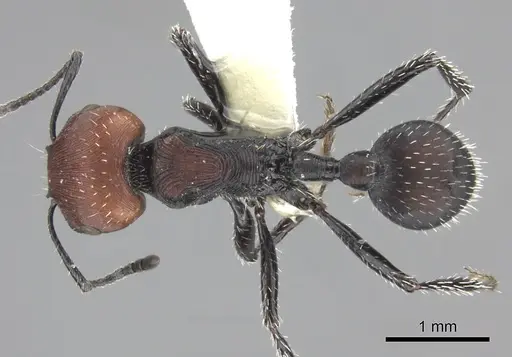
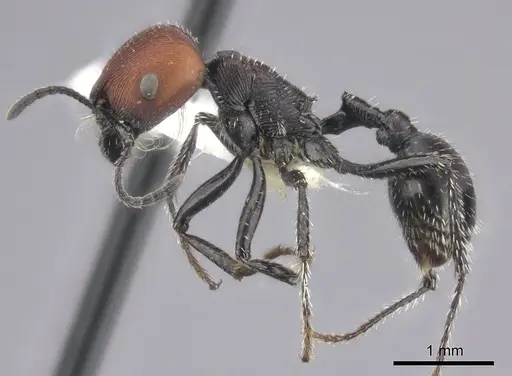
CASENT0235279
Bekijk op AntWeb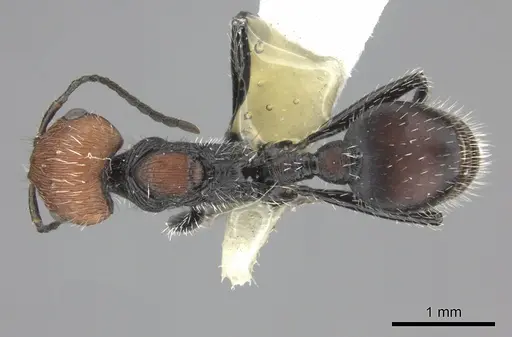
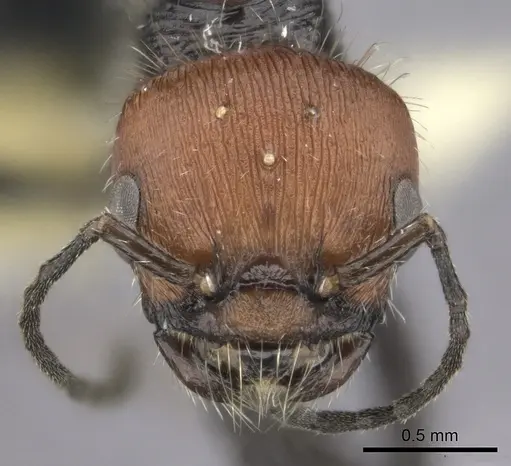
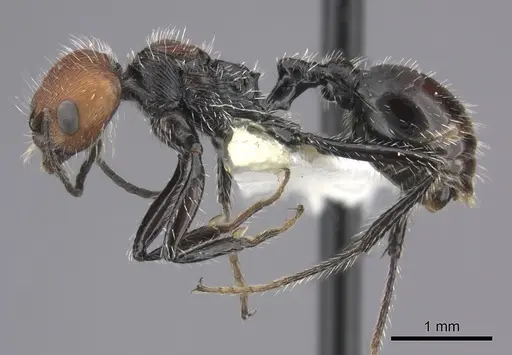
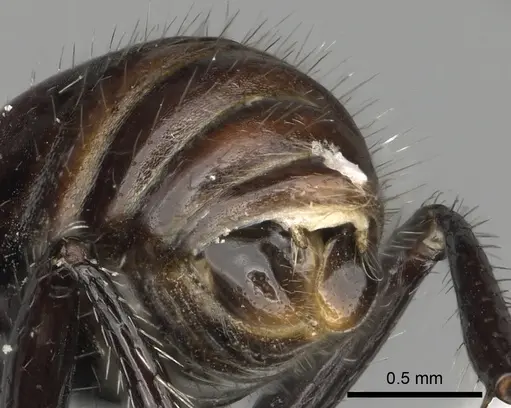
CASENT0869791
Bekijk op AntWeb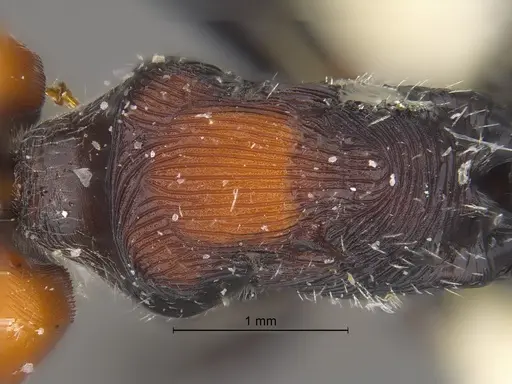
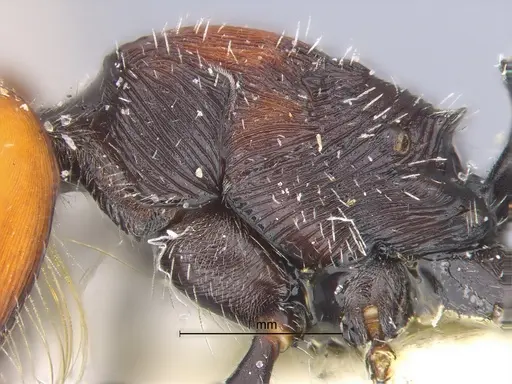
CASENT0914124
Bekijk op AntWeb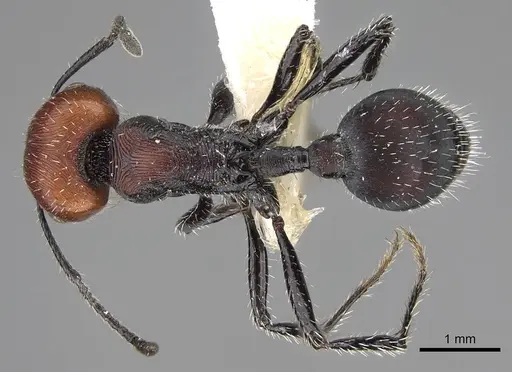
Literatuur
Verspreidingskaart laden...Producten laden...